You brought home a gorgeous poinsettia, and now you’re staring at it wondering when to water it.
I’ve been there. This plant looks tough, but it’s surprisingly fussy about water.
In simple terms, most poinsettias need water once every 7 to 10 days. But a calendar is a poor guide for this plant. Your home, your pot and the season all change how fast the soil dries.
A better rule is to water when the top inch of soil feels dry. If it feels damp, wait another day or two.
Get this one habit right and your poinsettia can stay colorful well past the holidays.
Here’s a quick look at what to expect in a typical home.
- Newly bought plant in a bright room: water every 5 to 7 days
- Average indoor conditions: water every 7 to 10 days
- Cool room or low light: water every 10 to 14 days
- After the holidays (resting phase): water every 10 to 14 days, in smaller amounts
- Spring and summer growth: water every 5 to 7 days
Treat these numbers as a starting point. Your plant will tell you what it needs if you check the soil first.
Why Poinsettias Are Picky About Water?
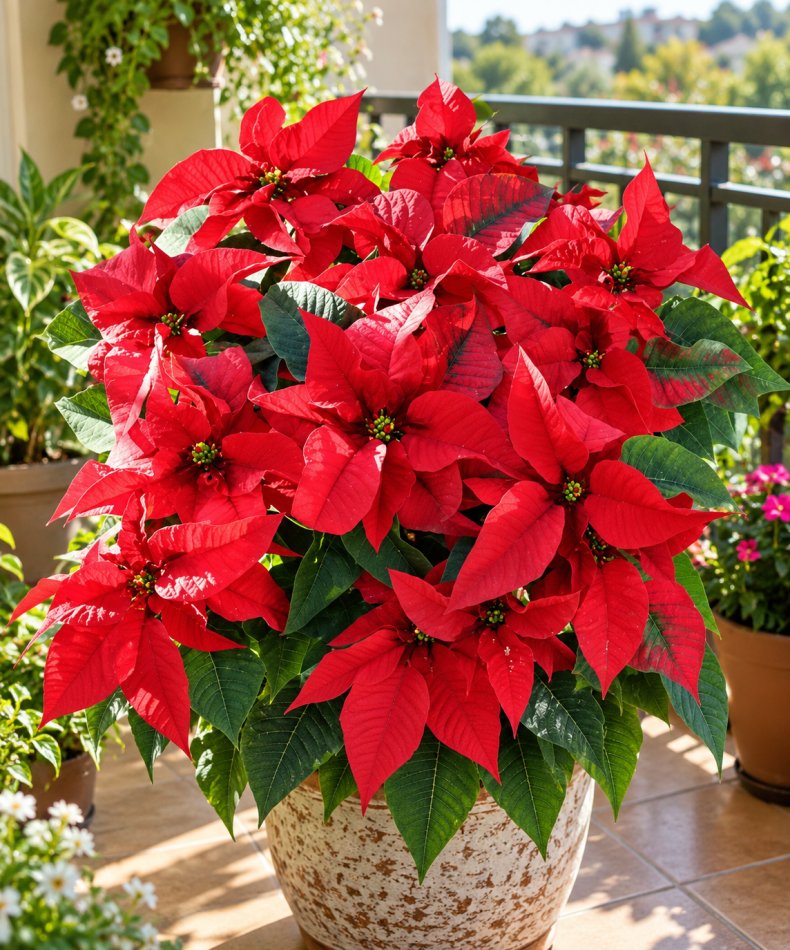
Poinsettias come from the warm, dry hills of southern Mexico. In the wild they grow into tall shrubs, not small pot plants.
That background explains a lot. They like warmth, they like bright light, and they hate sitting in wet soil.
Their roots are fine and shallow. When the soil stays soggy, the roots can’t breathe, and they start to rot.
Once root rot sets in, the leaves are the first thing to suffer. That’s why a poinsettia that looks “thirsty” is often a plant that has been watered too much.
How Often to Water a Poinsettia Plant?
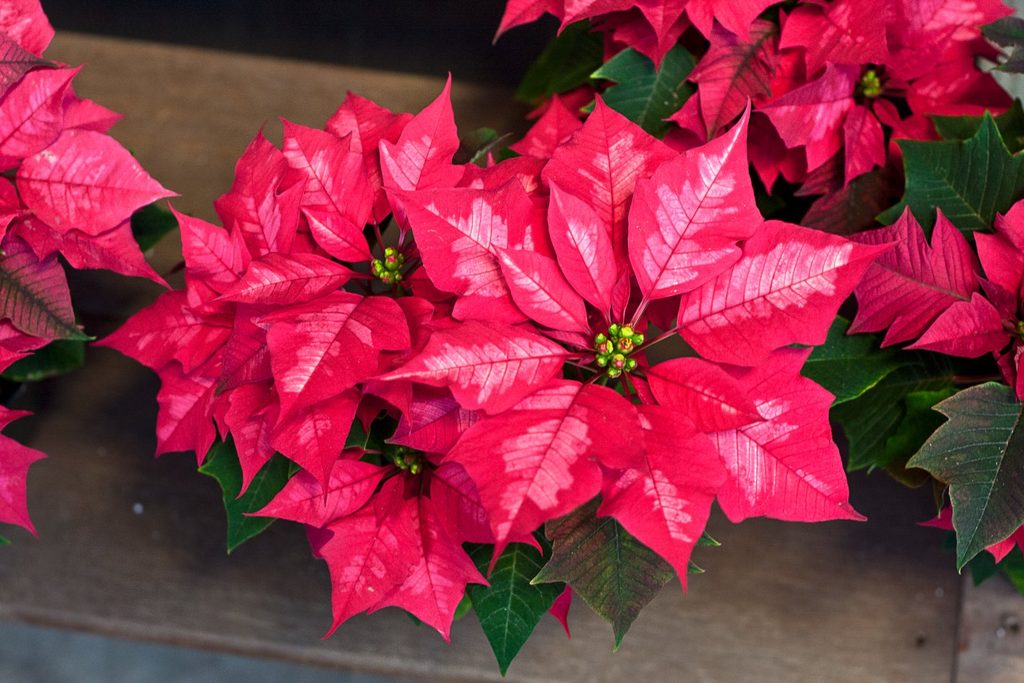
For most homes, once a week is a safe starting point. That usually means every 7 to 10 days.
But the right frequency depends on where you live and how your home feels. A warm, bright room dries the soil faster, so you may water every 5 to 6 days. A cool or dim room holds moisture longer, so you may wait 12 to 14 days.
If you live in a colder region, the soil stays damp longer in winter. Check it twice before you water, and don’t rush.
If your home is warm and dry, especially with the heater on, the soil may dry out before the week is over. In that case, water as soon as the top inch feels dry.
Here’s the simple rule I follow:
- Top inch of soil is dry: water thoroughly
- Top inch is still damp: wait one or two more days
- Soil is wet, or the pot feels heavy: don’t water yet
The plant also needs less water after the holidays, when the bracts fade and growth slows. In spring and summer, when it grows again, it will ask for water more often.
So the honest answer is that the number of days matters less than the soil. Check first, then water.
How to Tell When Your Poinsettia Needs Water?
Don’t wait for the plant to droop. By then it’s already stressed. Use these simple checks instead.
Do the Finger Test: Push your finger about an inch into the soil. If it feels dry, it’s time to water.
If you feel any cool dampness, leave it alone. Check again tomorrow.
Lift the Pot: Get used to the weight of your pot right after a good watering. It will feel heavy.
A few days later, lift it again. A light pot means the soil has dried out and the plant is ready for a drink.
This trick works well for people with several plants, since you don’t need to poke each one.
Look at the Soil Surface: Dry soil often looks lighter in color and may pull slightly away from the edge of the pot. That’s a clear sign the plant is thirsty.
Watch the Leaves: A thirsty poinsettia may show drooping leaves, curling edges or dull color on the bracts. The bracts are the colorful “petals” that most people think of as flowers.
Keep in mind that drooping can also mean too much water. Always check the soil before you reach for the watering can.
Must Read: How to Propagate Poinsettia from Cuttings?
What Affects How Often You Water?
Two poinsettias in the same house can need water on different days. Here’s why.
Sunlight
A poinsettia in a bright window uses water faster than one in a dim corner. More light means more growth and faster drying.
Give your plant at least 6 hours of bright, indirect light each day. Direct hot sun through glass can scorch the leaves.
Temperature
Warm rooms dry the soil faster. Cooler rooms slow it down.
Poinsettias are happiest between 65°F and 75°F during the day. They don’t mind it a few degrees cooler at night.
Keep them away from heaters, fireplaces and cold drafts. Both extremes cause leaf drop.
Pot Type
Terracotta pots breathe, so the soil dries quickly. You’ll water more often.
Plastic and glazed ceramic pots hold moisture longer. You’ll water less often.
Pot Size
A big pot holds more soil, and more soil stays wet longer. A small pot dries out fast.
Don’t move your poinsettia into a much bigger pot just because it looks nicer. Extra soil means extra moisture sitting around the roots.
Soil Mix
Poinsettias need loose, well-draining soil. A regular potting mix with some perlite or coarse sand mixed in works well.
Heavy, compact soil stays wet for days and invites root rot.
Humidity
Dry indoor air, especially in winter with the heating on, pulls moisture out of the soil faster. In very dry rooms, you may need to water a little more often.
How to Water a Poinsettia the Right Way?
Knowing when to water is only half the job. How you water matters just as much.
Step 1: Take Off the Foil Sleeve
Most store-bought poinsettias come wrapped in decorative foil. It looks nice, but it traps water at the bottom.
Poke holes in it, or better, remove it before watering. Put it back only after the pot has drained.
Step 2: Use Lukewarm Water
Cold water can shock the roots. Room temperature or slightly warm water is best.
Let tap water sit out overnight if you can. This lets some of the chlorine fade.
Step 3: Water Slowly and Deeply
Pour water over the soil until it runs out of the drainage holes. Go slowly so the soil can soak it up.
A quick splash on top won’t reach the roots. Deep watering makes the plant grow stronger roots.
Step 4: Let It Drain Completely
Place the pot in a sink for 10 to 15 minutes. Let all the extra water escape.
Then empty the saucer or decorative pot. Poinsettias should never sit in standing water.
Step 5: Water the Soil, Not the Leaves
Try to keep water off the bracts and leaves. Wet foliage can lead to fungal spots, especially in a cool room.
Skip the misting too. It doesn’t help this plant, and it can cause more problems than it solves.
Check this: 29 Different Types of Poinsettia Plants
Signs You’re Overwatering Your Poinsettia
Overwatering kills more poinsettias than anything else. Watch for these signs.
- Yellowing leaves, especially lower ones, are often the first clue. They may turn yellow, then drop.
- Soft, mushy stems near the soil line point to rot. If the base feels squishy, act quickly.
- A musty smell from the soil means the roots are struggling. Healthy soil smells fresh and earthy.
Soil that stays wet for days is a red flag, as is mold or fungus gnats around the pot.
Wilting even though the soil is wet is the trickiest sign. The roots are damaged and can’t take up water, so the plant droops anyway.
How to Fix It?
Stop watering right away. Let the soil dry out well.
- If the soil is soggy, slide the plant out of the pot. Check the roots.
- Healthy roots are white or light tan and firm. Rotten roots are brown, black and mushy.
- Trim away the bad roots with clean scissors. Repot into fresh, well-draining mix in a pot with drainage holes.
Then water lightly and wait for the plant to recover. It may drop a few leaves before it bounces back.
Signs You’re Underwatering Your Poinsettia
Poinsettias can handle a little dryness better than too much water. But long dry spells cause trouble too.
- Look for drooping leaves that perk up after watering. This is the classic sign of thirst.
- Dry, crispy leaf edges mean the plant has been without water for too long. Brown tips on the bracts show the same thing.
- Leaves that fall off while still green can also point to dryness.
Soil that feels hard and pulls away from the pot edge is another clue. Water may run straight through without soaking in.
How to Fix It?
- Give the plant a slow, thorough soak. If the soil is very dry and water just runs off, set the pot in a basin with a few inches of lukewarm water.
- Let it sit for 20 to 30 minutes so the soil can absorb water from below. Then drain it well.
- Most plants recover within a day or two. Damaged leaves won’t turn green again, but new growth will come.
Watering Through the Seasons
Your poinsettia’s needs change through the year. Here’s how I think about it.
During the Holidays (November to January)
This is when your plant is in full color. Stick with the finger test and water about once a week.
Keep it in a bright spot, away from drafts. Cold air from a door or window is a common reason for leaf drop.
Late Winter and Early Spring
After the colors fade, the plant needs a rest. Water less often, only when the soil is dry an inch or two down.
The bracts will drop, and that’s normal. Don’t panic.
Around March or April, you can cut the stems back to about 4 to 6 inches. Water lightly until new growth appears.
Spring and Summer
Now the plant wakes up and grows quickly. Water more often, about once a week or when the top inch is dry.
Start feeding it with a balanced fertilizer every 3 to 4 weeks. Growing plants use more water and more nutrients.
You can move the pot outdoors once nights stay above 60°F (15°C). Keep it in partial shade, and check the soil often, since outdoor pots dry faster.
Fall
If you want your poinsettia to color up again, it needs long nights. From about October, give it 14 hours of complete darkness each night for 8 to 10 weeks.
During this time, keep watering steady. Don’t let the soil dry out completely, and don’t let it stay soggy.
Tap water is fine for most people. If your water is very hard, you may notice white crust on the soil surface over time.
Rainwater is a great choice when you have it. Filtered water works well too.
Whatever you use, keep it at room temperature. Never use ice-cold water straight from the tap.
Common Poinsettia Watering Mistakes
Let me save you from the mistakes I see most often.
- Watering on a fixed schedule without checking the soil
- Leaving the plant sitting in a saucer of water
- Keeping the foil wrap on while watering
- Using a pot without drainage holes
- Placing the plant next to a cold window or heater
- Giving small sips of water every day instead of a deep soak
- Moving the plant around too much, which stresses it
Fix these and you’ve solved most poinsettia problems.
Also Read: 27 Ideas for Decorating with Poinsettias for Christmas
Why are my poinsettia leaves turning yellow?
Most often it’s overwatering. Check the soil and the drainage first.
Why is my poinsettia dropping leaves?
Sudden changes in temperature, cold drafts and uneven watering are the usual causes.
Why does my poinsettia look wilted even after watering?
The roots may be rotting. Check them and repot if needed.
Can I use ice cubes to water my poinsettia?
I don’t recommend it. Ice is cold enough to shock the roots, and it doesn’t deliver water evenly.
Should I mist my poinsettia?
No. Misting wets the leaves and can lead to fungal problems without helping the plant.
How much water does a poinsettia need each time?
Enough so that water flows out of the drainage holes. For a 6-inch pot, that’s usually around a cup or a little more.
Don’t miss: Is Epsom Salt Good for Poinsettias?
Conclusion
So, how often should you water a poinsettia? Roughly once every 7 to 10 days, but only when the top inch of soil is dry.
Let the plant and the soil guide you, not the calendar. A quick finger test takes five seconds and saves you from most mistakes.
Water deeply, drain well and never leave the roots sitting in water. Keep the plant warm, bright and away from drafts.
Do that, and your poinsettia can stay healthy through the holidays and well beyond them. Some of mine have lasted for years.


Khaja Moinuddin, a computer science graduate, finds joy in gardening and homesteading. Join him on this blog as he shares his experiences in homesteading, gardening, and composting