Last week, while I was looking for some nutritional snacks for myself, I came across the immense benefits of pumpkin seeds. Then I wondered, can’t I share this with my flock?
As a gardener, you might also have a bunch of pumpkin seeds sitting in your kitchen. Nutrients like protein, healthy fats, magnesium, and vitamin E are packed into these seeds, but you might be curious how they can help your chickens.
So, can chickens eat pumpkin seeds? Yes, they can, and they get real benefits from them. Protein supports feather growth and egg production, while healthy fats give your hens extra energy, especially in cold weather. Magnesium helps with strong bones and muscles, and vitamin E supports immunity and overall health.
Many backyard keepers also use pumpkin seeds as a natural treat for gut health. They are not a replacement for proper worming, but they are a nice addition to your flock’s snack routine.
Even good treats need limits. In this article, I will share how to feed pumpkin seeds the right way, how much is safe, and what to avoid.
Are Pumpkin Seeds Safe for Chickens?
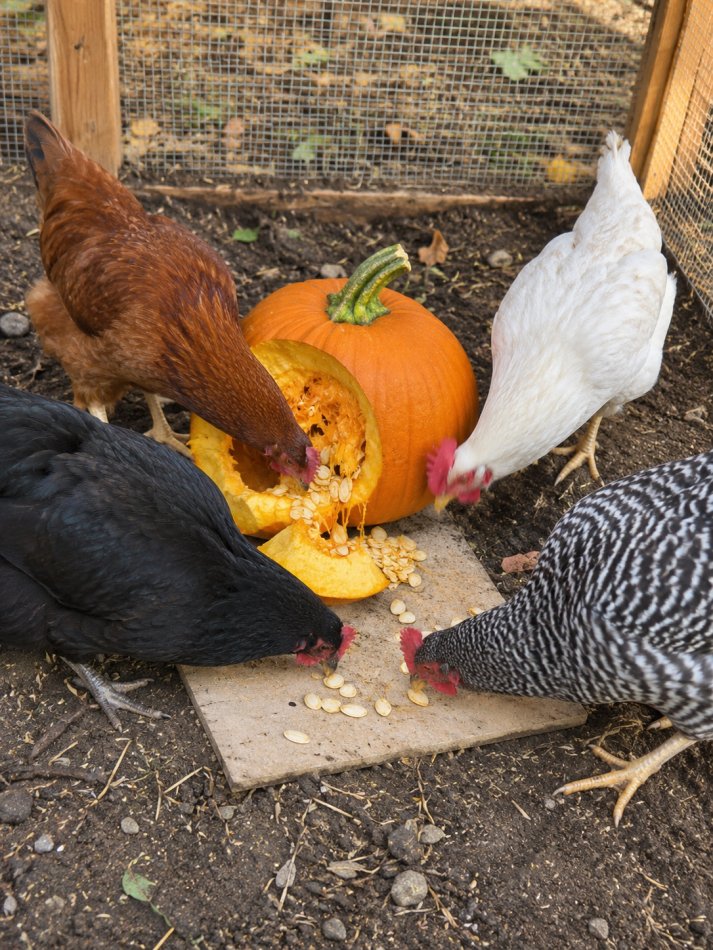
Yes, pumpkin seeds are safe for chickens. Both raw and dried seeds are fine, and chickens usually love them.
Pumpkins are not toxic to poultry in any form. The flesh, the skin, the stringy pulp, and the seeds can all go into your flock’s treat bowl.
The only real rule is simple. Keep the seeds plain, clean, and fresh.
Salted, seasoned, or moldy seeds are a problem. I will cover those later in this article.
Nutritional Benefits of Pumpkin Seeds for Chickens
Pumpkin seeds are small, but they carry a lot of good stuff. Here is what your chickens get from them.
- Protein: Pumpkin seeds provide plant protein that supports feather growth and egg production, especially during molting when chickens need extra protein.
- Healthy Fats: Healthy fats in these seeds provide extra energy, especially in winter when chickens burn more calories staying warm.
- Magnesium: Magnesium supports strong bones and healthy muscles. It also plays a role in nerve function.
- Vitamin E: Vitamin E is an antioxidant. It supports the immune system and helps keep your birds healthy overall.
- Zinc and Other Minerals: Pumpkin seeds also have zinc, iron, and phosphorus. Zinc supports feather quality and skin health.
None of these minerals replace a good layer feed. They simply add a little extra variety to the diet.
Check this: Why Did My Chicken Lay an Egg without a Shell?
Do Pumpkin Seeds Help with Worms in Chickens?
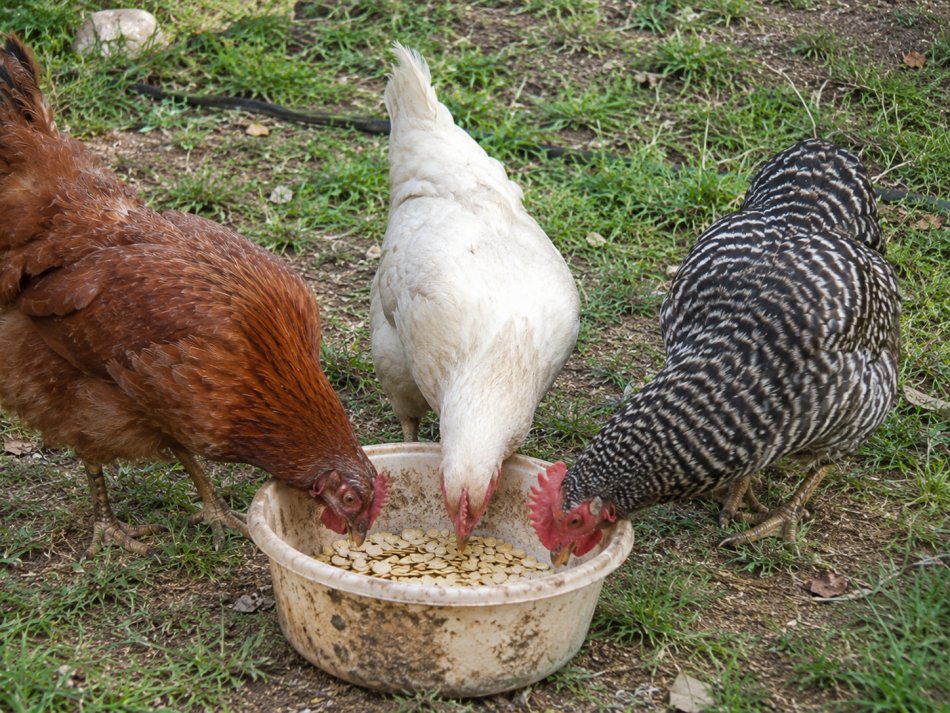
This is the question I get asked the most.
Pumpkin seeds contain a compound called cucurbitacin. For many years, farmers and gardeners have believed it can act as a natural dewormer.
Some people also say the seeds help paralyze or remove worms in the gut. This idea has been passed down through generations of backyard keepers.
Here is the honest part. There is not enough strong scientific proof that pumpkin seeds can treat a worm problem in chickens.
So please do not depend on them to deworm your flock. If your chickens have worms, you need a proper poultry dewormer.
Look for signs like weight loss, pale combs, watery droppings, and a drop in egg laying. If you see these, talk to a vet or use a deworming product made for poultry.
Think of pumpkin seeds as a healthy treat that may offer a small bonus. They are not medicine.
Raw vs Roasted Pumpkin Seeds: Which Is Better?
Both are okay for chickens. The big difference is what has been added to them.
Raw Seeds
Raw seeds are the simplest option. Scoop them out of a fresh pumpkin, rinse off the pulp, and let them dry.
Most chickens eat them without any fuss. Raw seeds keep all their natural nutrients.
Roasted Seeds
Plain roasted seeds are also fine. Roasting makes them crunchy, and some chickens seem to like that.
Roast them without salt, butter, oil, or spices. Just dry heat for a short time is enough.
If you roast seeds for yourself, set aside a small portion before you season them. Then your flock can enjoy the plain ones.
Which Should You Choose?
I prefer dried raw seeds because they are the easiest. There is no extra work, and there is no risk of added salt or flavoring.
If you do roast them, keep them plain. That is the only rule that really matters.
Can Chickens Eat Pumpkin Seed Shells?
Yes, chickens can eat the white outer shell of pumpkin seeds. It is not harmful.
The shell adds a little fiber. Chickens pick at them and often crack them open to get to the green kernel inside.
If you buy shelled pumpkin seeds, those work too. Just check that they are raw and unsalted.
Some backyard keepers grind the seeds into a rough powder. This is useful for chicks or small bantam breeds that may struggle with whole seeds.
How to Feed Pumpkin Seeds to Chickens?
There are a few easy ways to serve them. Pick the one that works best for your flock.
1. Scatter Them on the Ground
Toss a small handful into the run or yard. Chickens love foraging, and it keeps them busy.
This also helps reduce boredom and pecking among flock mates.
2. Mix Them into Their Regular Feed
Stir a few seeds into the feeder or feed bowl. This helps your hens get used to the new taste.
It also stops the bossiest hens from grabbing every seed first.
3. Serve Them Inside a Pumpkin
This is my favorite method. Cut a pumpkin in half and place it in the run with the seeds still inside.
Your chickens will peck at the flesh, the pulp, and the seeds all at once. It works as a snack and a fun activity.
4. Crush or Grind the Seeds
Crush the seeds lightly with a rolling pin or run them through a grinder. This is a good option for young birds.
Ground seeds are easier to swallow and digest.
5. Hang Them in a Treat Ball
Put dried seeds in a treat ball or a hanging feeder. Your chickens will peck at it to get the seeds out.
It is a simple way to make treat time last longer.
Check this: 19 DIY Movable Chicken Coop Plans
How Many Pumpkin Seeds Can Chickens Eat?
Moderation is the key here.
Treats should make up only about 10 percent of your chickens’ daily diet. The other 90 percent should be a complete layer feed or grower feed.
For pumpkin seeds, a small amount goes a long way. About one tablespoon of seeds for every four to five adult hens is a good starting point.
That works out to just a few seeds per bird.
You do not need to feed them every day. Two or three times a week is plenty.
If you have a large flock, scatter the seeds widely so every bird gets a chance. Otherwise the dominant hens take most of them.
Can Baby Chicks Eat Pumpkin Seeds?
Chicks can have pumpkin seeds, but only after they are a few weeks old. For the first weeks of life, they should stick to chick starter feed.
Starter feed has the right balance of protein and nutrients for fast growth. Treats can upset that balance.
When your chicks are about four weeks old, you can offer a tiny amount. Always grind or crush the seeds first.
Whole seeds can be hard for small beaks to handle. Chicks also need grit if they are eating anything other than starter feed, so keep fine chick grit available.
Check this: What Causes Chicken Poopy Butt and How to Fix It?
When Pumpkin Seeds Are Most Helpful?
Here are a few times when I think they work best.
- During molting. Hens need extra protein to regrow feathers. A few seeds add some of it.
- In cold weather. The healthy fats give birds extra energy to stay warm.
- After pumpkin season. Halloween and fall harvests leave a lot of pumpkins around. It is a great way to use the seeds instead of throwing them out.
- As a boredom buster. Winter days can feel long for chickens stuck in the coop. Scattering seeds gives them something to do.
What to Avoid When Feeding Pumpkin Seeds?
Even a healthy treat can cause trouble if it is served the wrong way. Keep these things in mind.
Salted Seeds
Chickens cannot handle much salt. Too much can lead to excessive thirst, wet droppings, and in serious cases, salt poisoning.
Never give your flock salted pumpkin seeds from the snack aisle.
Seasoned or Flavored Seeds
Seeds flavored with garlic, onion, chili, or sugar are not good for chickens. Onion and garlic powder can be especially harmful in larger amounts.
Stick to plain seeds only.
Moldy or Old Seeds
If seeds are damp, smelly, or fuzzy, throw them away. Mold can produce toxins that are dangerous to poultry.
This is the most important thing to watch. Dry your seeds fully before storing them.
Too Many Seeds
Seeds are high in fat and calories. Too many can lead to weight gain, and they can fill chickens up so they eat less of their balanced feed.
Overweight hens may lay fewer eggs and have more health problems.
Seeds with Heavy Pulp Left On
Wet pulp sticks to seeds and spoils fast. Rinse them well and dry them before you feed or store them.
How to Prepare and Store Pumpkin Seeds for Your Flock?
Preparing your own seeds is easy and costs nothing if you grow pumpkins.
Step 1: Scoop. Remove the seeds and stringy pulp from the pumpkin.
Step 2: Rinse. Wash the seeds in a colander under cool water. Pick off any leftover pulp.
Step 3: Dry. Spread them in a single layer on a towel or baking tray. Let them air dry for a day or two.
Step 4: Store. Keep the dry seeds in a paper bag or a glass jar with a loose lid. Store them in a cool, dry place.
Dry seeds last for several months when stored well. Check them from time to time for any signs of moisture or mold.
If you want to roast them, bake at a low temperature for 15 to 20 minutes with nothing added. Let them cool fully before serving.
Can Chickens Eat the Rest of the Pumpkin Too?
Yes, and this is one of the best parts of pumpkin season.
Chickens can eat the flesh, the skin, and the pulp. Raw or cooked, they all work.
Pumpkin flesh is rich in vitamin A, which supports eye health, skin, and the immune system. It also has a lot of water, which is nice in hot weather.
Just remove any moldy parts, and avoid pumpkin that has been carved and left out for days. Fresh pumpkin is always the safest choice.
Skip pumpkin pie filling or canned pumpkin with added sugar and spices. Plain, fresh pumpkin is best.
Other Seeds Chickens Can Enjoy
If you like experimenting with treats, here are a few other seeds that are safe in small amounts.
- Sunflower seeds
- Watermelon seeds
- Squash seeds
- Flax seeds
- Sesame seeds
All of these follow the same rule. Offer them in small amounts and keep them plain.
Can chickens eat raw pumpkin seeds?
Yes. Raw pumpkin seeds are safe and healthy for chickens. Rinse them and dry them before feeding.
Can chickens eat roasted pumpkin seeds?
Yes, as long as they are plain. Skip salt, butter, oil, and seasonings.
Do pumpkin seeds kill worms in chickens?
Not reliably. Many keepers believe they help, but there is little proof. Use a proper poultry dewormer if your flock has worms.
How often can I give my chickens pumpkin seeds?
Two or three times a week is enough. Keep the portion small each time.
Can roosters eat pumpkin seeds?
Yes. Roosters can eat them just like hens, in the same small amounts.
Are pumpkin seeds good for laying hens?
They can be a nice addition. The protein, healthy fats, and minerals support general health, which helps with egg laying. They work best alongside a complete layer feed.
Can ducks and other poultry eat pumpkin seeds?
Ducks, geese, and turkeys can eat them too. Follow the same rules about moderation and plain seeds.
Conclusion
So, can chickens eat pumpkin seeds? Yes, they can, and they are a healthy and affordable treat.
They offer protein, healthy fats, magnesium, and vitamin E. Chickens enjoy them, and they are a great way to use leftovers from your garden or kitchen.
Just remember the basics. Keep the seeds plain, dry, and mold free, and feed them in small amounts. Do not count on them to deworm your flock.
If you grow pumpkins, save your seeds this season. Your chickens will thank you for it.


Khaja Moinuddin, a computer science graduate, finds joy in gardening and homesteading. Join him on this blog as he shares his experiences in homesteading, gardening, and composting