August may not have abundant flowering plants like Spring that could alleviate your gardening space.
But there are a few perennials that stay for summer to show off their best blooming ability. They handle the August heat well, standing tall and holding their color while other plants start to droop and struggle.
These flowers bring bright petals, tall stems, and blooms that pull in bees and butterflies right when your garden needs the extra life. It’s like a small reward for sticking with your garden through the hottest months of the year.
So if your beds are looking a bit bare right now, don’t lose hope. Below, you’ll find flowers that bloom in August, whether you want something for cutting, something for borders, or just a little color to carry your garden into fall.
27 Stunning Flowers that Bloom in August
August sits in a gap where spring flowers are done and fall flowers haven’t started, leaving many gardens short on color during the hottest stretch of the year.
Luckily, these flowering plants are built for the heat and bloom right through August, adding color and drawing in pollinators when your garden needs it most.
1. Black-Eyed Susan
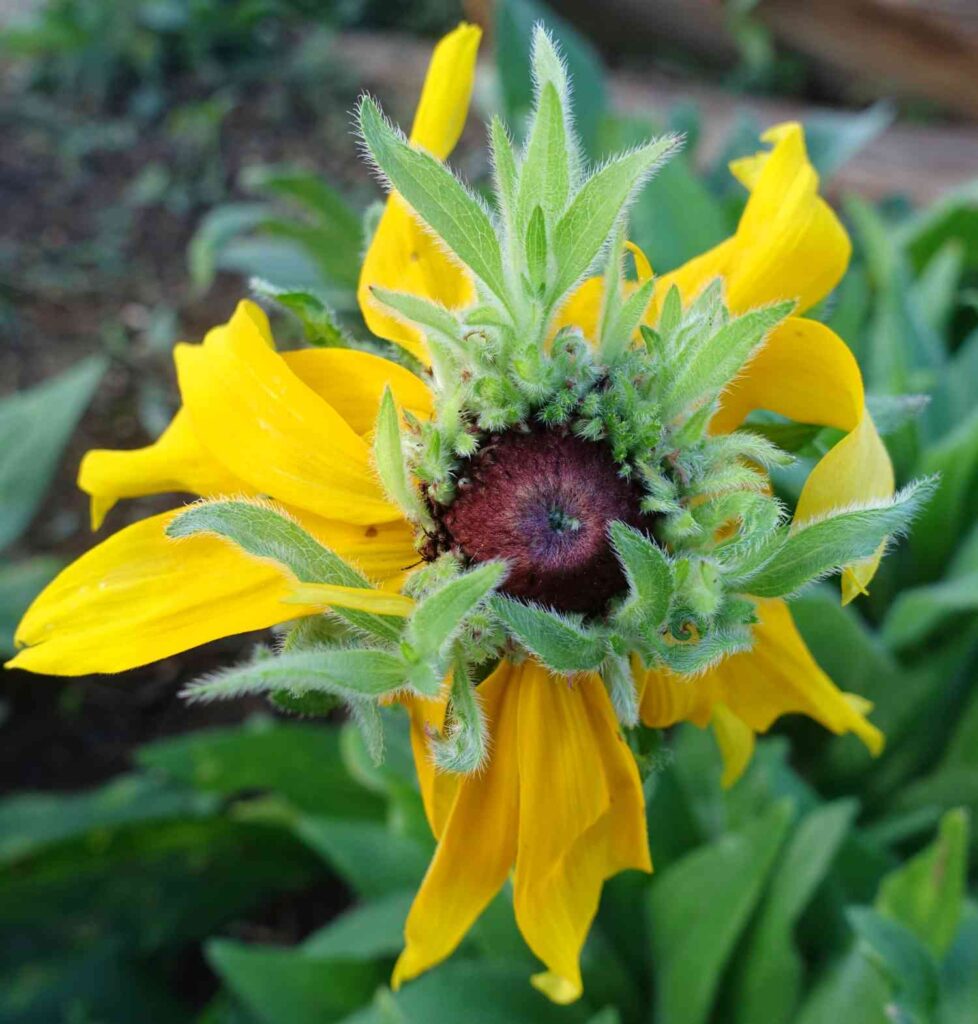
This tough flower blooms right through August without much fuss. Bright yellow petals with a dark brown center make it easy to spot.
Grows in zones 3-9, reaches 1-3 feet, and needs full sun. It handles poor soil and dry spells well, so water weekly until established, then only during dry spells.
Plant seeds in spring or set out transplants in early summer. Bees and butterflies love it too.
Also Read: 17 Longest Flowering Perennials
2. Coneflower (Echinacea)

This tough perennial blooms strong through August heat. Daisy-like petals surround a spiky center in purple, pink, or white.
Grows in zones 3-9, reaches 2-4 feet, and needs full sun. Very drought tolerant once established, so water once a week at most.
Handles average to poor soil and doesn’t need fertilizer. Plant seeds in early spring or transplants after the last frost. Bees, butterflies, and goldfinches all love it.
3. Zinnia

This is one of the easiest flowers for fast, reliable August color. Blooms come in almost every shade except true blue and keep coming nonstop.
Grows in zones 3-10, reaches 1-4 feet, and needs full sun. Not fussy about soil, but water 2-3 times a week and let soil dry between waterings to avoid mildew.
Plant seeds directly in the ground after frost. They also make great cut flowers.
4. Dahlia
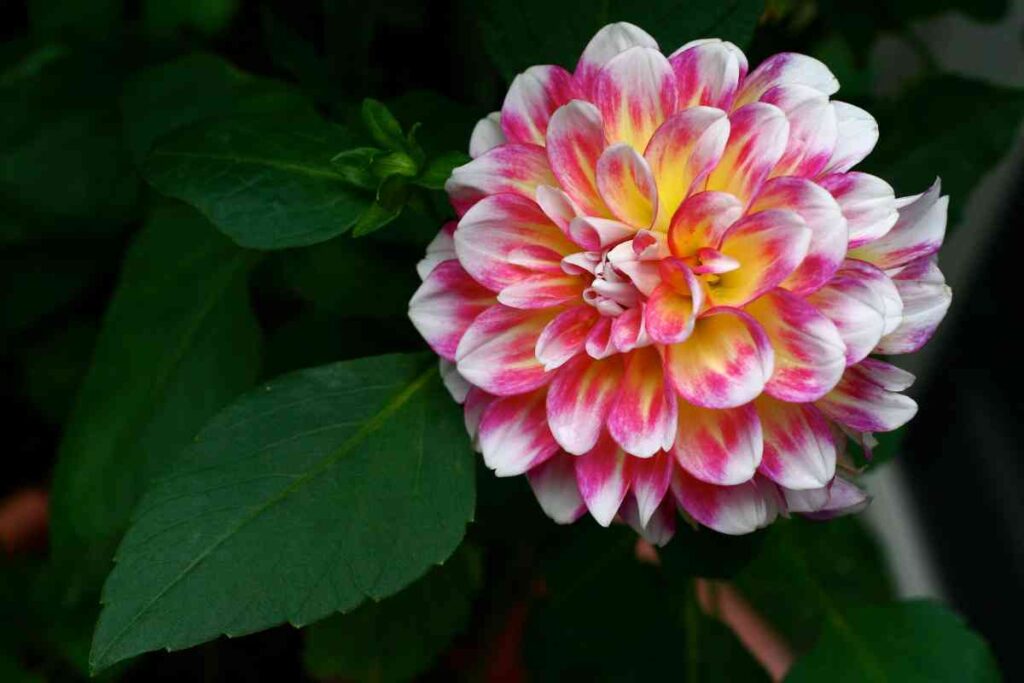
Dahlia brings bold, layered blooms right through August, from small pom-poms to dinner-plate size in almost any color.
Grows in zones 8-11 (or as an annual elsewhere), reaches 1-4 feet, and needs full sun. Likes consistent moisture, so water 2-3 times a week in hot weather.
Plant tubers in spring once soil warms. Stake taller varieties to hold up the heavy blooms. Great for cutting too.
Check this: 27 Best Pink Flowering Plants to Beautify Your Garden
5. Rudbeckia (Gloriosa Daisy)
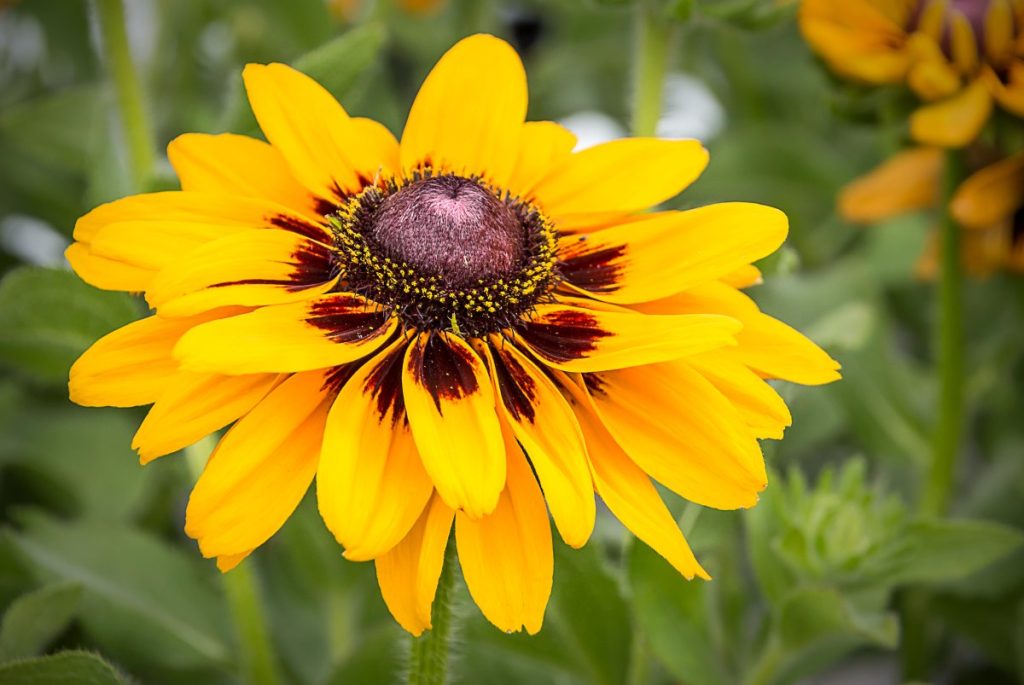
This looks like Black-Eyed Susan but with bigger, more dramatic blooms in gold, bronze, or red with a dark center.
Grows in zones 3-9, reaches 2-3 feet, and needs full sun. Tolerates heat and dry spells well, so water once a week or less.
Not picky about soil. Plant seeds in spring or transplants after frost. Great in borders or cutting gardens, and pollinators love it.
6. Sedum (Autumn Joy)
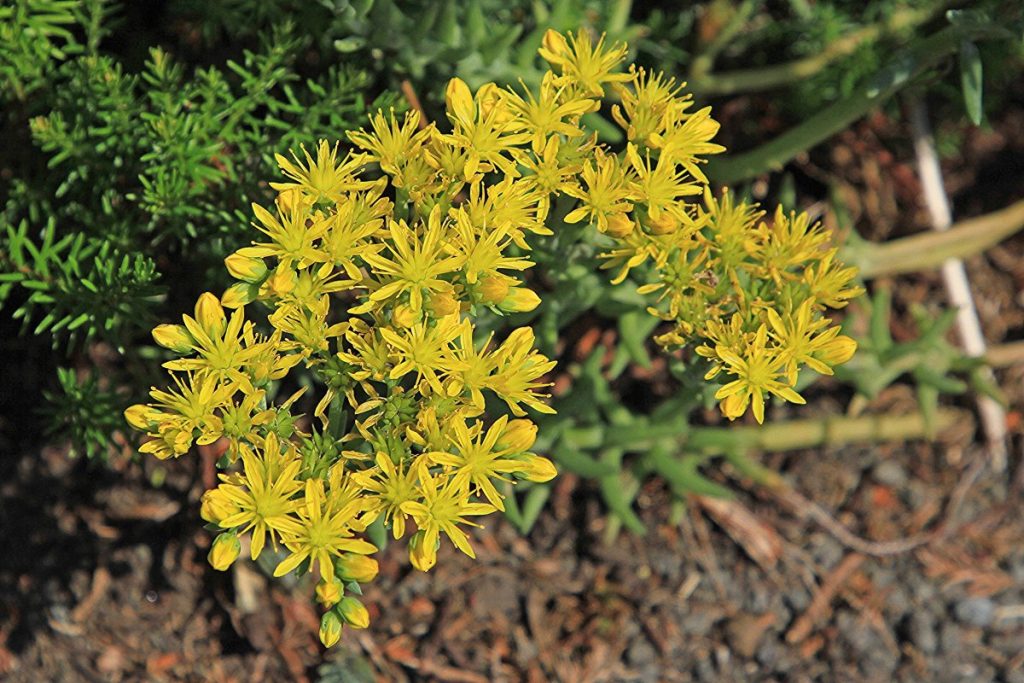
This low-maintenance succulent starts blooming in August and holds color into fall. Clusters open pink and deepen to rusty red. Grows in zones 3-9, reaches 1-2 feet, and needs full sun.
Very drought tolerant, so water only during long dry spells. Prefers well-drained soil and struggles if too wet. Plant in spring or fall from seed or division. Bees and butterflies love it, and it adds nice texture.
7. Russian Sage

This plant adds a soft, silvery look with tall spikes of light purple flowers from midsummer through August. Grows in zones 4-9, reaches 3-5 feet, and needs full sun.
Handles heat and drought better than most, so water only occasionally once established. Prefers well-drained soil and dislikes heavy, wet clay. Plant in spring after frost. Its fragrant leaves make a nice contrast next to bolder flowers.
8. Phlox (Garden Phlox)

Garden Phlox produces large, fragrant flower clusters right through August in pink, purple, or white.
Grows in zones 4-8, reaches 2-4 feet, and needs full sun to partial shade. Water once or twice a week during dry spells. Good air circulation helps prevent powdery mildew, so avoid crowding plants. Plant in spring or fall from seed or transplants. Butterflies and hummingbirds are especially drawn to it.
9. Coreopsis

This cheerful, low-maintenance flower blooms nonstop from early summer through August in bright yellow, sometimes red or pink.
Grows in zones 4-9, reaches 1-2 feet, and needs full sun. Very drought tolerant, so water only during extended dry spells.
Does well in average or poor soil. Plant seeds in spring or transplants after frost. Deadheading spent blooms keeps new flowers coming all season.
10. Hibiscus (Rose Mallow)

Hibiscus makes a bold statement with huge, tropical-looking blooms up to 8 inches wide in red, pink, or white.
Grows in zones 4-9, reaches 3-7 feet, and needs full sun for the biggest blooms. Likes consistent moisture, so water 2-3 times a week in hot weather.
Tolerates wetter soil better than most, good for low spots. Plant in spring after frost for a real August standout.
11. Cosmos

Cosmos is a flower that basically takes care of itself. Daisy-like blooms flutter on thin stems in pink, white, and deep red. Grows in zones 2-11 as an annual, reaches 2-4 feet, and needs full sun.
It actually does better with a little neglect, so water once a week, less after rain. Average soil works fine. Scatter seeds directly after frost, and by August butterflies will be all over them.
12. Marigold

Marigold is where most new gardeners start, and for good reason. Gold, orange, and yellow blooms hold up well in heat through August.
Grows in zones 2-11 as an annual, stays 1-3 feet tall, and needs full sun. Forgiving of poor soil and missed waterings, and pests tend to leave it alone. Water twice a week in hot spells. Seeds go straight into the ground after frost.
13. Salvia

Salvia brings tall spikes of blue, purple, or red flowers that keep coming from early summer well into August. Grows in zones 5-10, reaches 1-3 feet, and prefers full sun.
Handles dry spells fine, so water only when the top couple inches of soil feel dry. Well-drained soil matters most, since soggy roots are its weak spot. Set out transplants in spring and trim spent spikes to keep blooms coming.
Also Read: 26 Best Patio Plants for Shade
14. Gladiolus
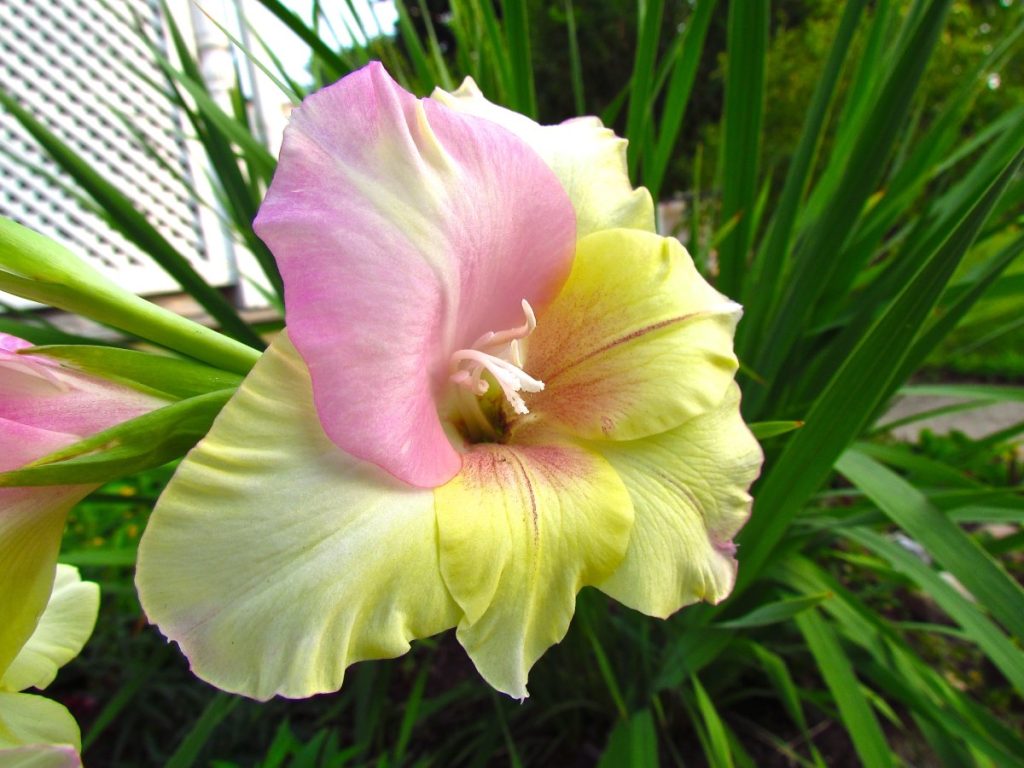
Gladiolus adds height and drama with tall, ruffled flower spikes in pastels to deep reds and purples. Grows in zones 7-10, reaches 2-5 feet, and needs full sun to stand tall. Staking helps in windy spots.
Water regularly, about twice a week, since it doesn’t like drying out. Plant corms in spring, and stagger plantings every couple weeks for blooms that stretch across summer.
15. Crocosmia
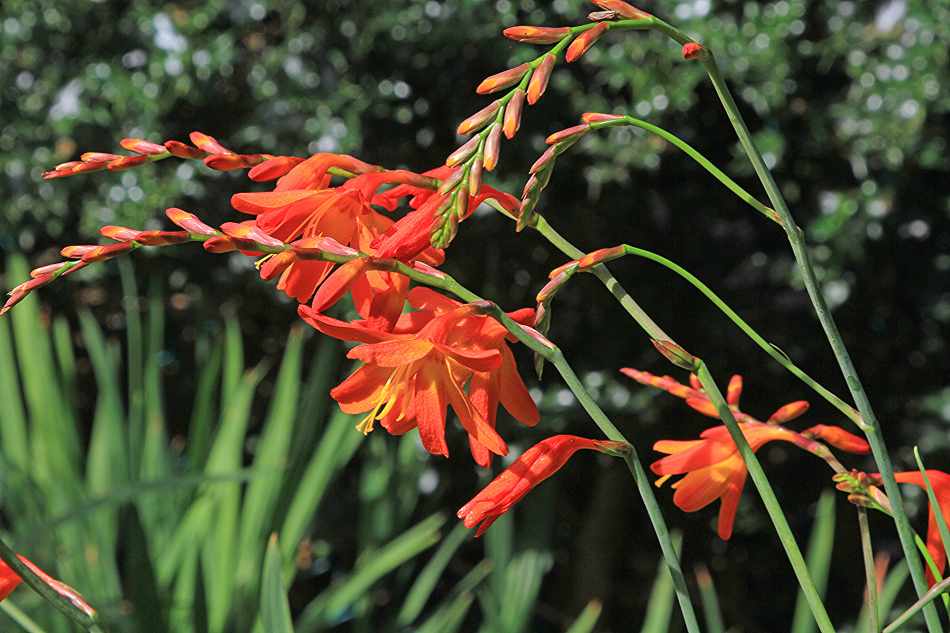
Crocosmia brings a fiery pop of color with arching stems of red, orange, or yellow trumpet blooms from midsummer through August. Grows in zones 5-9, reaches 2-3 feet, and does best in full sun to light shade.
Fairly low-maintenance once going, so water once a week during dry periods. Doesn’t need great soil. Plant corms in spring, and expect hummingbirds to stop by often.
16. Hydrangea (Panicle Type)

Panicle hydrangeas produce large, cone-shaped clusters that start white and shift pink as August goes on.
Grows in zones 3-8, reaches 6-8 feet, and does best in full sun to partial shade. Handles more sun and cold than other hydrangeas, making it easy to place.
Water twice a week in hot weather. Prune in late winter or early spring since it blooms on new growth.
17. Rose of Sharon
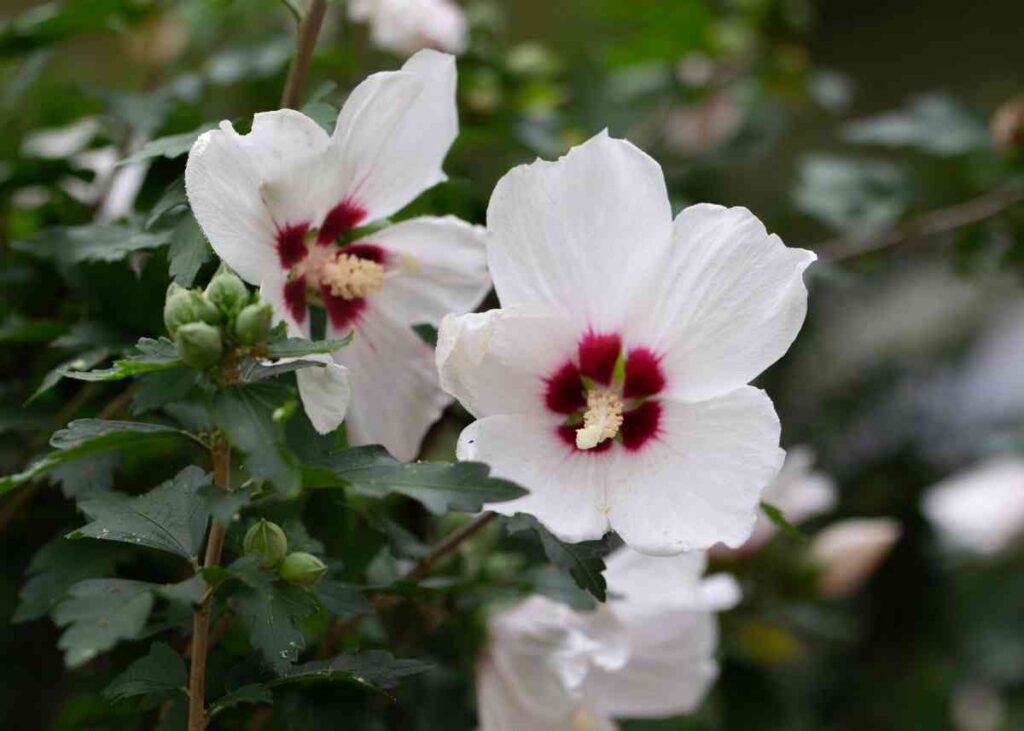
This flowering shrub blooms nonstop through August, covered in hibiscus-like flowers in pink, purple, white, or blue.
Grows in zones 5-9, reaches 8-12 feet, and needs full sun for the best bloom. Tough and low-fuss once established, so water once a week during dry spells. Adapts to poor soil easily. Prune in late winter to shape and control its size, since it grows large.
Check this: 19 Vegetables to Plant in August for Fall Harvest
18. Bee Balm (Monarda)

Bee Balm has shaggy, firework-shaped blooms in red, pink, or purple that bees and hummingbirds can’t resist. Grows in zones 4-9, reaches 2-4 feet, and prefers full sun to partial shade.
Likes consistent moisture, so water twice a week if it hasn’t rained. Good air circulation helps prevent powdery mildew, so give it space. It spreads on its own, so expect a bigger patch each year.
19. Yarrow

Yarrow produces flat clusters of tiny yellow, white, or pink flowers above soft, fern-like leaves.
Grows in zones 3-9, reaches 2-3 feet, and needs full sun. One of the toughest plants around, handling heat, drought, and poor soil without complaint.
Water only during long dry spells once settled in. It also works well as a cut flower and holds its color even when dried.
20. Blanket Flower (Gaillardia)

Blanket Flower earns its name with bold, warm-toned blooms in red, orange, and yellow like tiny sunsets. Grows in zones 3-10, reaches 1-2 feet, and does best in full sun.
Thrives on a bit of neglect, so water only during extended dry spells. Poor, sandy soil actually suits it better than rich soil. Deadheading spent blooms keeps new flowers coming right through August and into fall.
21. Liatris (Blazing Star)
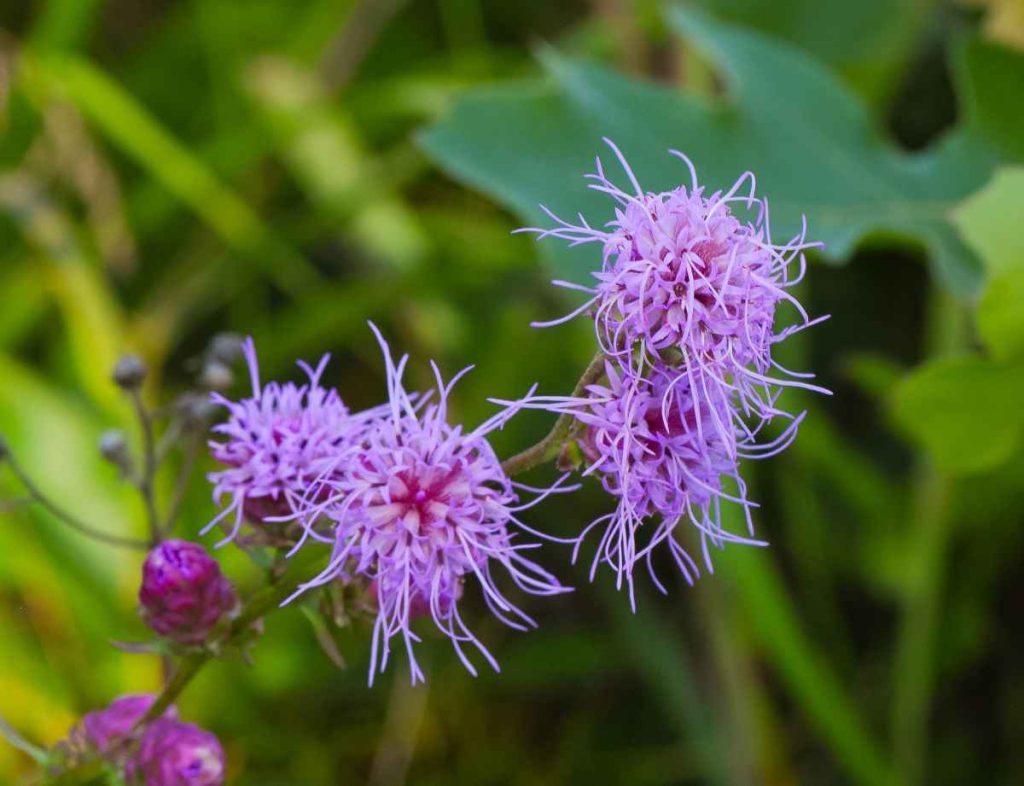
Liatris sends up tall, fuzzy purple spikes that bloom from the top down, easy to spot in any bed. Grows in zones 3-9, reaches 2-4 feet, and needs full sun.
Handles heat and dry spells without much trouble, so water only once a week or so. Average soil works fine and it doesn’t need fertilizer. Butterflies flock to it, adding pollinator activity to your August garden.
22. Verbena
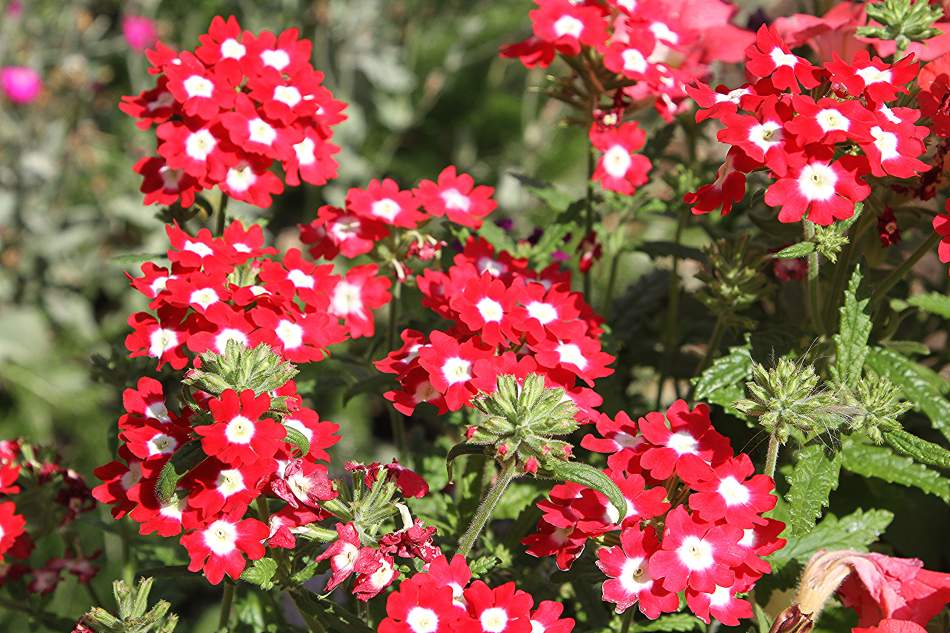
Verbena covers itself in small clusters of purple, pink, or white flowers that bloom nonstop through summer. Grows in zones 7-11 (or as an annual elsewhere), reaches 6 inches to 3 feet, and needs full sun.
Fairly drought tolerant once established, so water once or twice a week. Does well in average soil but dislikes wet conditions. Great trailing over pots or spilling along a border edge.
23. Sunflower

Sunflower is the classic August bloomer, with big, bright faces that track the sun across the sky. Grows in zones 2-11 as an annual, reaches 3-12 feet depending on variety, and needs full sun.
Water twice a week, especially while still growing tall. Soil doesn’t need to be rich, just well-drained. Taller types may need staking, especially in windy spots.
24. Aster
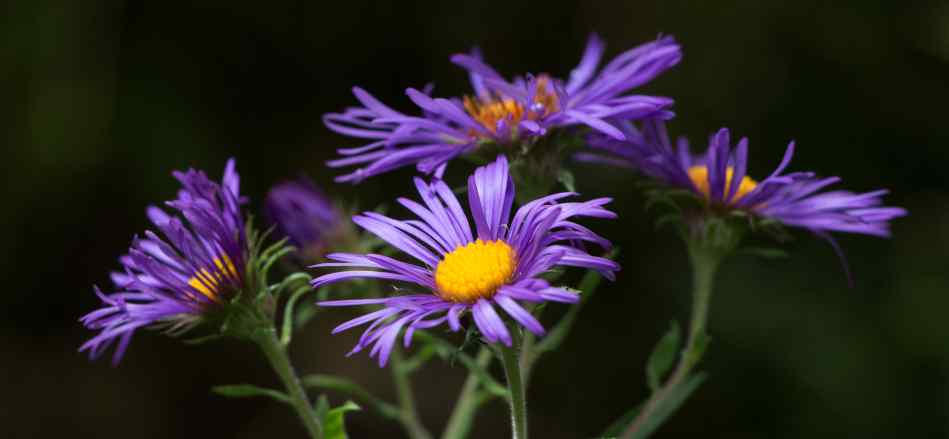
Aster brings daisy-like blooms in purple, pink, and blue that start in August and often carry the garden into fall. Grows in zones 3-8, reaches 1-4 feet, and does best in full sun.
Likes consistent moisture, so water once or twice a week during dry spells. Well-drained soil helps prevent root problems. A solid pick for extending color once other summer flowers fade.
25. Butterfly Bush (Buddleia)
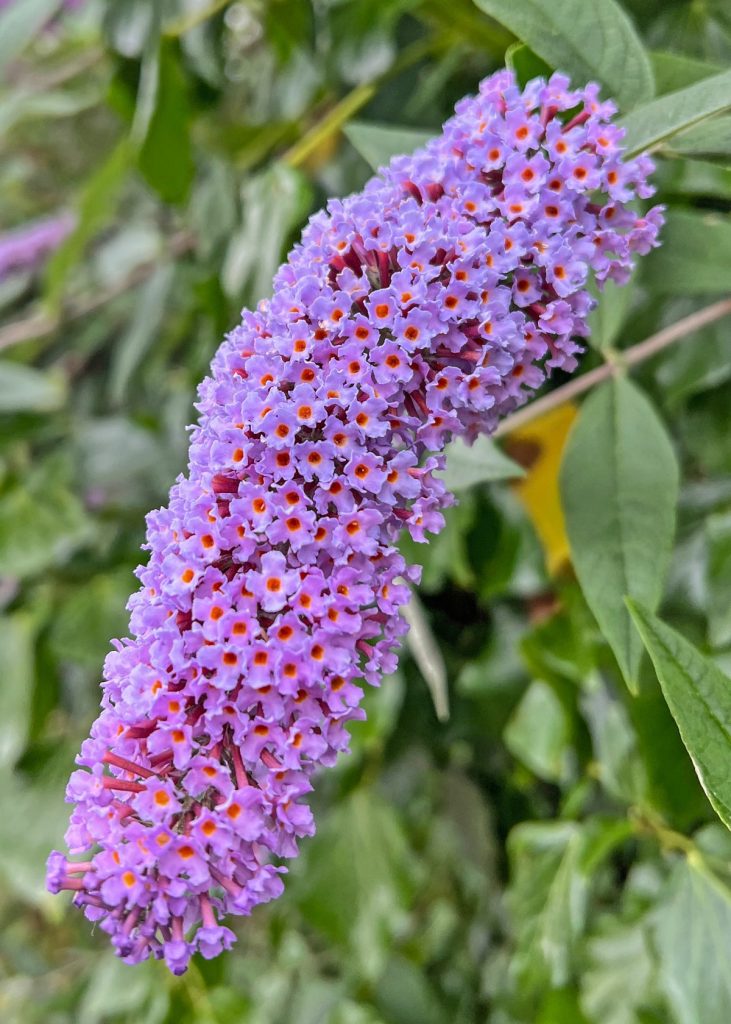
Butterfly Bush lives up to its name, covered in long flower spikes that draw butterflies by the dozen. Grows in zones 5-9, reaches 5-10 feet, and needs full sun for the best blooms.
Handles heat and dry spells well, so water once a week at most once established. Average soil is fine and it doesn’t need much fuss. Prune back in late winter, since it grows fast.
Also Read: 16 Concrete Raised Patio Ideas
26. Goldenrod
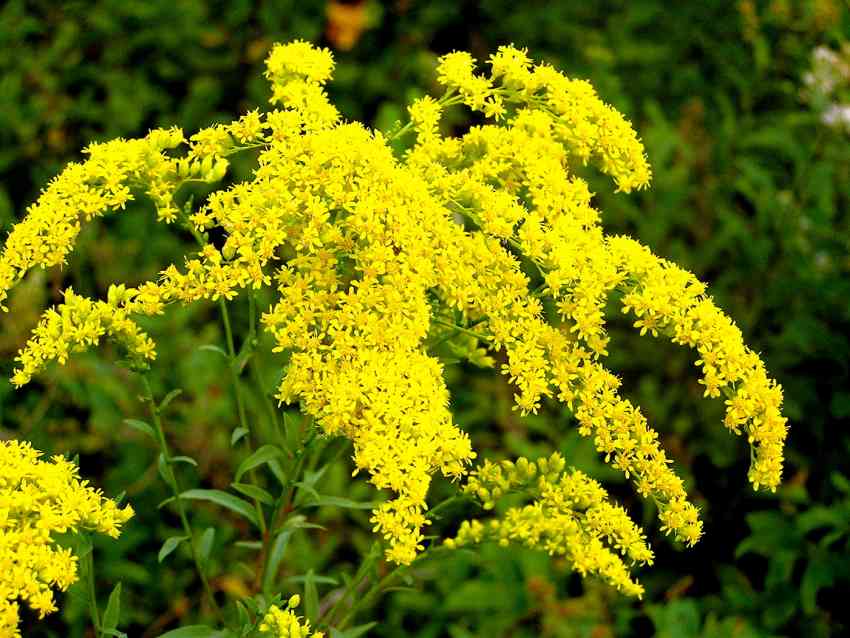
Goldenrod brings bright yellow plumes that bloom through August and into fall, often wrongly blamed for allergies.
Grows in zones 3-9, reaches 2-5 feet, and needs full sun. About as low-maintenance as flowers get, tolerating poor soil and dry spells with ease.
Water only during extended dry periods. It spreads on its own, so give it room or divide it every couple of years.
27. Canna Lily

Canna Lily adds a tropical feel with big, bold blooms in red, orange, or yellow, paired with broad, striking leaves.
Grows in zones 7-11 (or as an annual elsewhere), reaches 3-6 feet, and needs full sun. Likes consistent moisture, so water 2-3 times a week in hot weather.
Rich, well-drained soil helps it grow its biggest blooms. Works great as a tall centerpiece plant.
Conclusion
August doesn’t have to be the slow, faded part of the gardening year. With the right mix of perennials, annuals, and flowering shrubs, your beds can stay just as colorful as they were in spring.
Whether you like tough bloomers such as Black-Eyed Susan and Yarrow, or bigger showstoppers like Dahlia and Hibiscus, there’s an August flower for almost every yard.
Most of these plants don’t ask for much. A little sun, the right water, and decent soil are usually enough to keep them blooming through the heat.
So before you write off your garden for the summer, try adding a few of these in. August might just become one of your favorite months in the garden.


Khaja Moinuddin, a computer science graduate, finds joy in gardening and homesteading. Join him on this blog as he shares his experiences in homesteading, gardening, and composting