Many flowering plants resemble asparagus because of their feathery, fern-like stems. These plants often confuse people at first glance since the foliage looks nearly identical to the asparagus plant.
The main difference shows up once the plant blooms. Flowers appear in different colors and shapes, and this is what sets each plant apart from true asparagus.
Some of these plants are grown as ornamental houseplants, while others are used in gardens or floral arrangements. Their soft, airy leaves make them popular choices for decoration.
Now, let us look at six flowering plants that look like asparagus, along with what makes each one unique.

6 Flowering Plants That Look Like Asparagus
At first glance, these plants can easily pass for asparagus in any garden bed. Their thin, feathery stems create that same lacy, delicate look people often mistake for the real thing.
1. Foxtail Fern
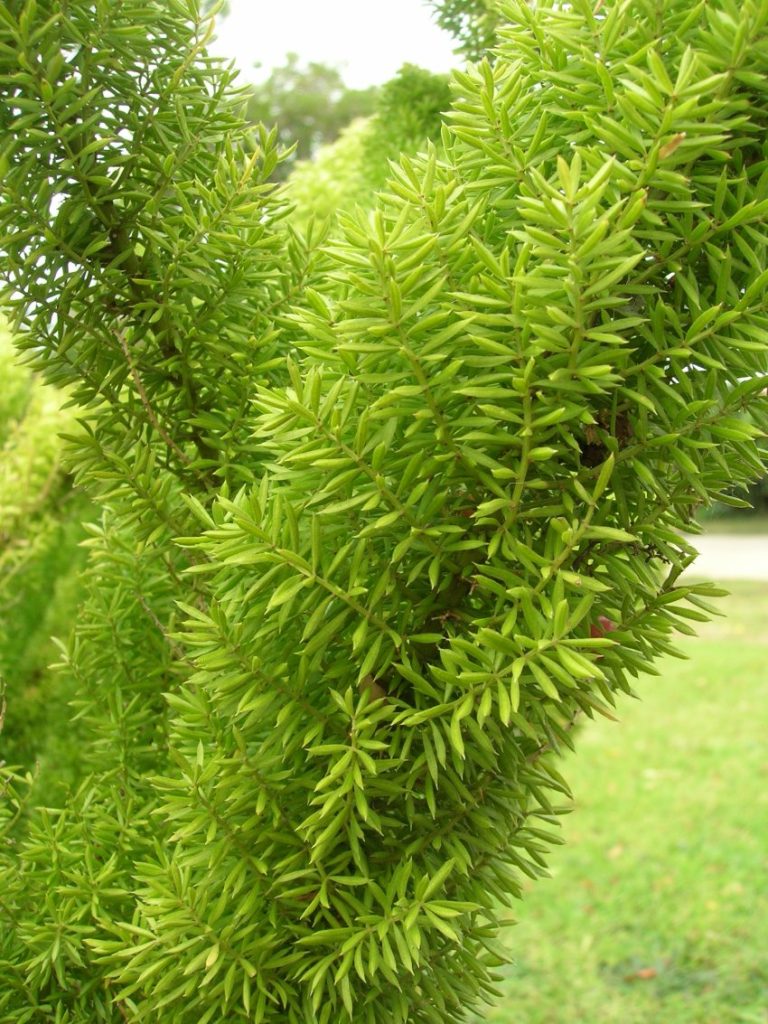
The Foxtail Fern is native to South Africa and is grown widely as an ornamental plant in gardens and pots. Its stems grow upright and dense, forming a bushy, tail-like shape that gives the plant its name.
The leaves are needle-thin and bright green, packed closely together along each stem. This gives the plant a soft, brush-like texture that resembles asparagus from a distance.
The flowers are small, white, and star-shaped, though they are often hidden beneath the thick foliage. Blooming usually happens in the warmer months when the plant gets enough light and water.
Once the flowers fade, small red berries often appear, which is one of the clearest signs that separate this plant from true asparagus.
Check this: 27 Best Fall Flowering Plants
2. Meadow Rue
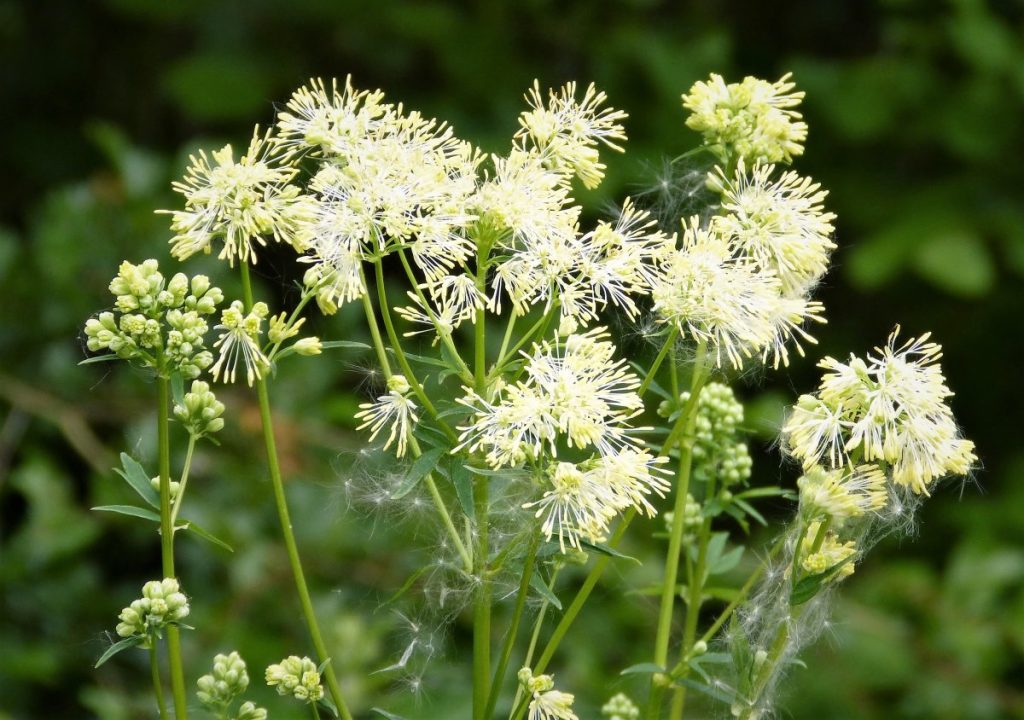
Meadow Rue is native to parts of North America, Europe, and Asia, and it grows well in woodland gardens and shaded borders. The plant is known for its tall, slender stems that hold delicate, layered foliage.
The leaves are small, rounded, and blue-green in color, arranged in a lacy pattern that closely resembles asparagus fern from a short distance. Each stem grows straight and thin, adding to that same airy, feathery look.
The flowers bloom in clusters at the top of the stem and come in shades of purple, pink, or white. They have a fluffy, cloud-like appearance since they lack traditional petals and instead show off fine, thread-like stamens.
Blooming usually happens in late spring to early summer, and this is when the plant looks the most different from asparagus, since the flower clusters give it a much showier, softer finish.
3. Bunny Tail Grass
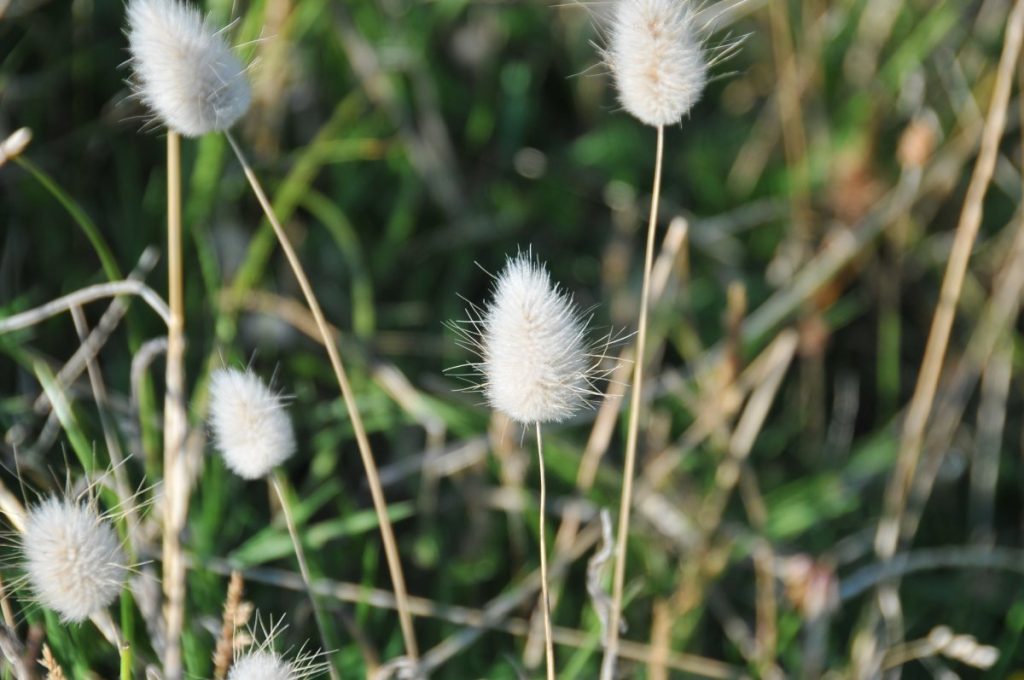
Bunny Tail Grass is native to the Mediterranean region and is often grown as an ornamental grass in gardens and containers. The plant grows in soft, upright clumps that give it a light, airy appearance similar to asparagus fern.
The leaves are narrow and blade-like, growing in dense tufts that sway easily in the wind. Their thin, grass-like texture is what often leads people to mistake it for a young asparagus plant before it flowers.
The flowers are small, fluffy, and oval-shaped, resembling little cotton balls or rabbit tails, which is how the plant got its name. They start off green and slowly turn a soft tan color as they mature.
Blooming usually happens in early to mid summer, and the fluffy seed heads remain on the plant for weeks, adding texture and movement to garden beds and flower arrangements.
Also Read: 19 Best Indoor Flowering Plants
4. Baby’s Breath
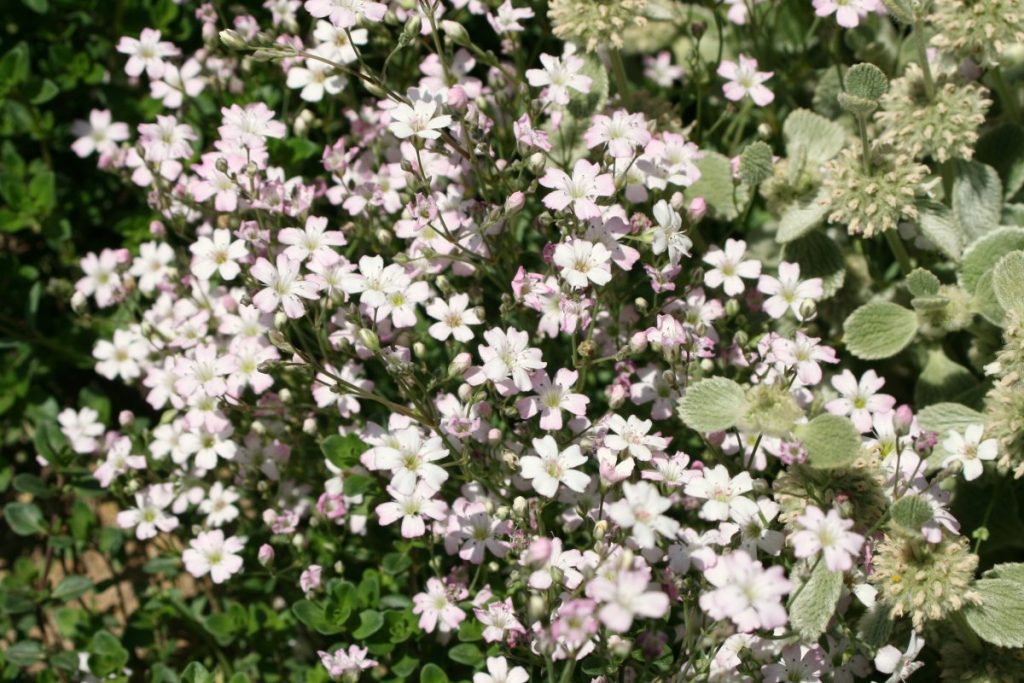
Baby’s Breath is native to Europe and parts of Asia, and it is widely grown in gardens and used often in floral arrangements. The plant forms a bushy, spreading mound with thin, wiry stems that branch out in every direction.
The leaves are small, narrow, and sparse, which gives the plant an open, airy structure much like asparagus fern. Because the foliage is so light, the stems often go unnoticed until the plant starts to bloom.
The flowers are tiny, white or soft pink, and grow in large clusters that cover the entire plant. Their delicate, cloud-like appearance is what makes Baby’s Breath such a popular filler flower in bouquets.
Blooming usually happens in early to mid summer, and this is when the plant looks the most different from asparagus, since the mass of small flowers completely changes its overall look.
5. Yarrow

Yarrow is native to Europe and Asia but now grows widely across North America as well, often found in meadows and along roadsides. The plant grows upright with soft, feathery leaves that spread out along the stem in a fern-like pattern.
The leaves are finely divided and almost lacy in texture, which is what gives Yarrow its resemblance to asparagus fern. This feathery foliage stays green through most of the growing season, even before any flowers appear.
The flowers grow in flat, tightly packed clusters at the top of each stem, usually in shades of white, yellow, or pink. Unlike asparagus, these clusters create a broad, umbrella-like top that stands out clearly in any garden bed.
Blooming usually happens from late spring through summer, and the flat flower heads are what most clearly separate Yarrow from any young or non-flowering asparagus plant.
6. Queen Anne’s Lace
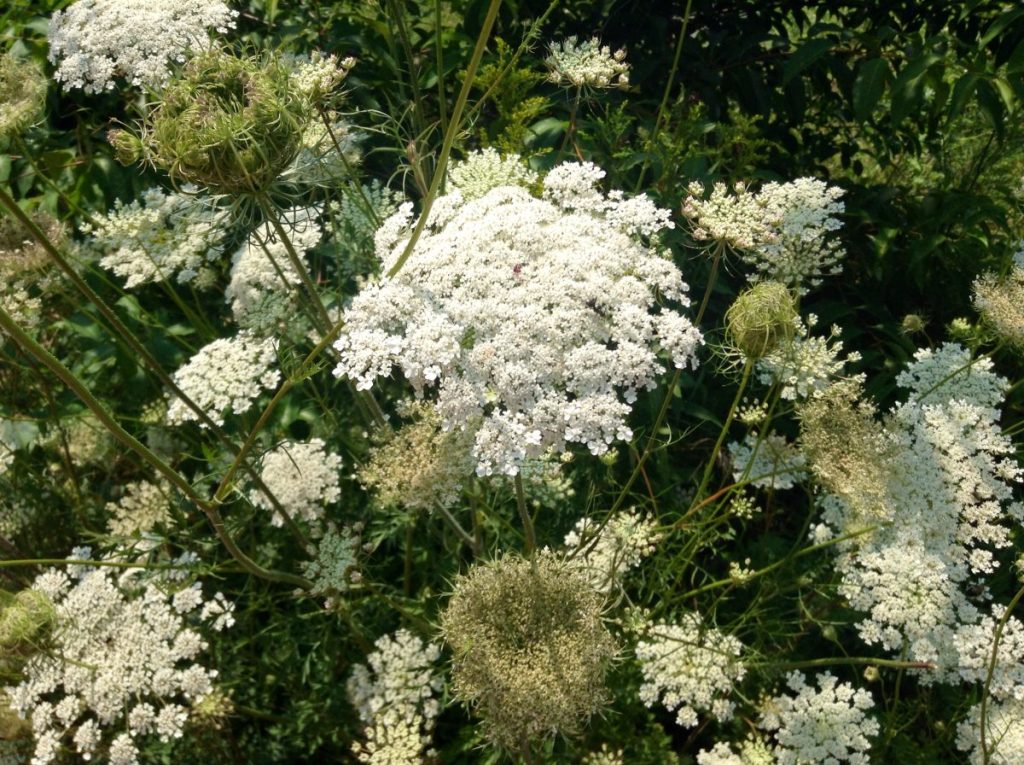
Queen Anne’s Lace is native to Europe and parts of Asia, though it now grows widely across North America along roadsides and open fields. The plant grows tall and upright, with finely divided leaves that give it a soft, feathery look similar to asparagus.
The leaves are thin and lacy, almost fern-like in their pattern, which often causes confusion with young asparagus plants before either one blooms. The stems are slightly hairy and hollow, adding to the plant’s delicate appearance.
The flowers form in large, flat clusters made up of tiny white blooms, often with a single dark red or purple flower at the center. This lace-like flower head is where the plant gets its name and is what makes it instantly recognizable once it blooms.
Blooming usually happens in late spring through summer, and the wide, flat flower clusters are what set Queen Anne’s Lace apart from asparagus, giving the plant a completely different look once it matures.
Conclusion
Many plants can look just like asparagus before they bloom, thanks to their thin stems and feathery leaves. It’s only once the flowers appear that the real differences start to show.
From the bushy Foxtail Fern to the lacy Queen Anne’s Lace, each of these six plants brings its own unique bloom, color, and texture once fully grown.
Some work well in garden beds, while others make great additions to bouquets and floral arrangements.
Knowing these differences makes it easier to identify what’s actually growing in a garden, rather than assuming every feathery plant is asparagus. With a little patience and the right growing conditions, these blooms are worth the wait.


Khaja Moinuddin, a computer science graduate, finds joy in gardening and homesteading. Join him on this blog as he shares his experiences in homesteading, gardening, and composting