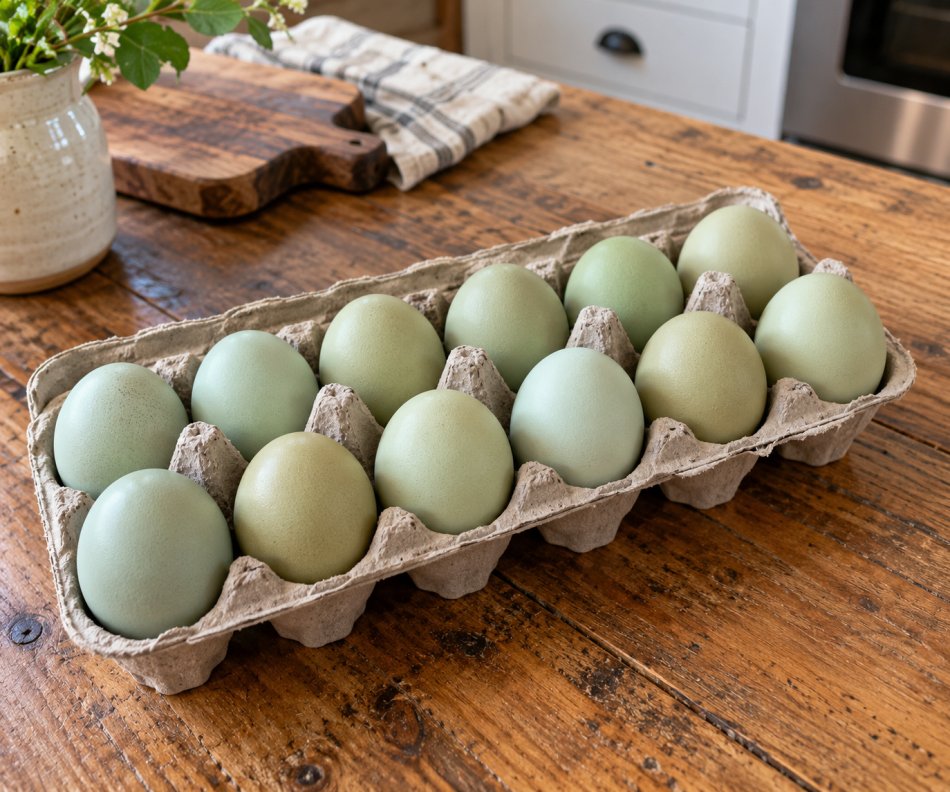
Few things surprise new backyard keepers like opening a nest box and finding a green egg. Green eggs look like something from a storybook, yet they are real, and several chicken breeds and crosses lay them regularly.
If you have been wondering what breed of chicken lays green eggs, the honest answer is that it comes down to genetics: a green shell comes from a hen that carries the blue egg gene and also lays a layer of brown pigment over it.
Some of the birds below are true breeds, while others are hybrids or mixed-breed types, and that difference affects how predictable their egg color will be.
In this guide we cover seven chickens known for green or greenish eggs, including how each one lays, how it behaves, and what to know before you buy.
Shade varies from hen to hen, so treat the colors described here as typical rather than guaranteed. After the list, you will find answers to common questions about green eggs.
7 Chicken Breeds That Lay Green Eggs
1. Olive Egger
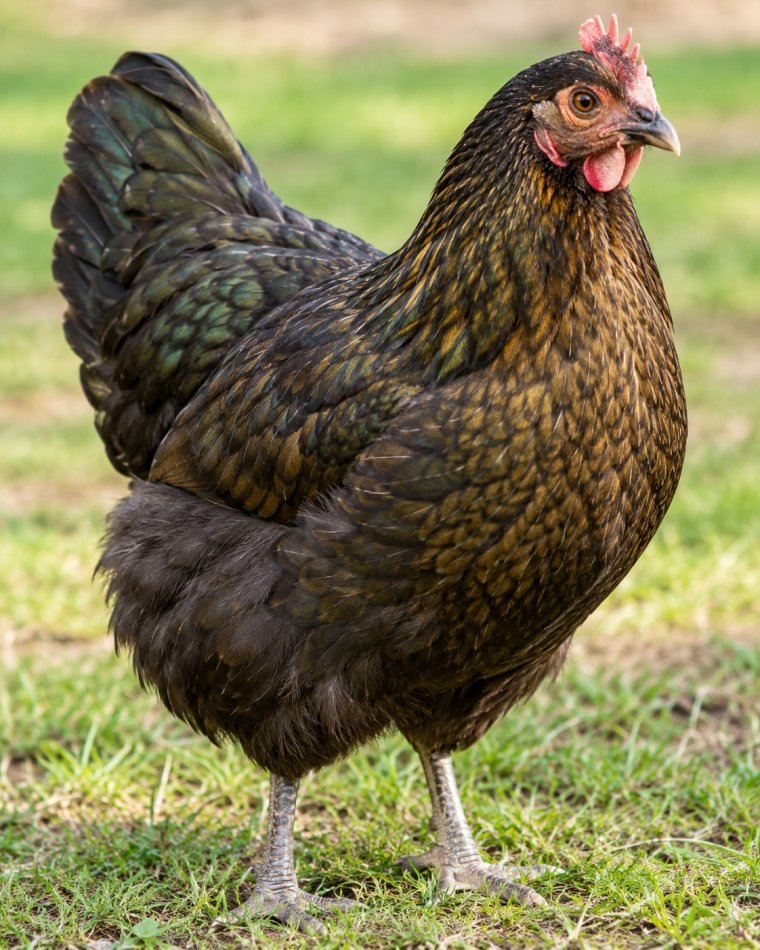
The Olive Egger is the most popular answer to the green egg question, but it is a hybrid rather than a standardized breed. Breeders make them by crossing a bird from a blue-egg line with a bird that lays dark brown eggs, such as a Marans or a Welsummer. The result is often an olive egg, from soft sage to deep forest green.
Olive Eggers are usually good layers, producing roughly 180 to 250 eggs a year depending on the parent lines. Laying slows in winter and during the annual molt, as with most chickens. The shade can deepen or fade through the season, and the first eggs from a young pullet are often lighter than later ones.
Temperament and looks vary because the parents vary. Most are active, hardy foragers with calm to friendly personalities, and many have dark or mottled feathers that blend in outdoors. Ask which parent breeds were used, since they shape size, comb type and behavior.
Choose an Olive Egger if you want the deepest green shade and do not mind some variation between hens. Buying from a breeder who can show you the parent birds improves your odds of a good color, and first-generation crosses are often the most reliably olive.
Also Red: How Long Do Fresh Chicken Eggs Last on the Counter?
2. Easter Egger
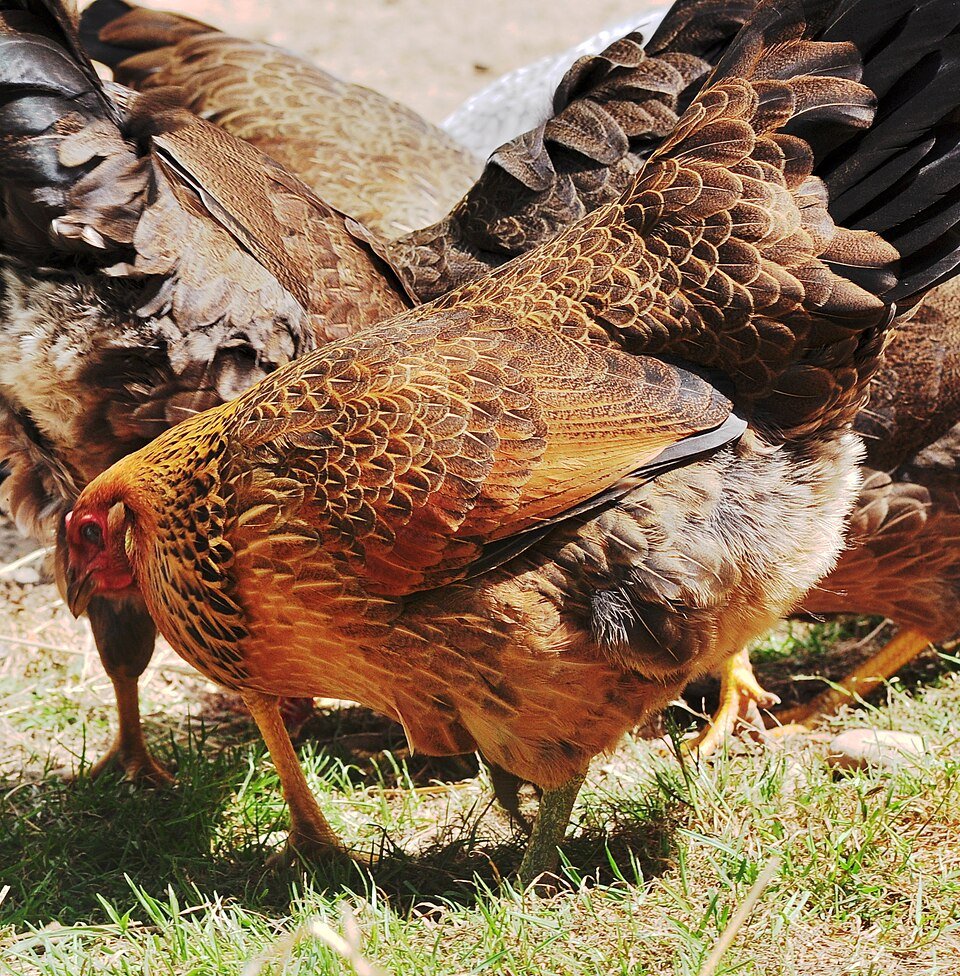
The Easter Egger is not a true breed but a mixed-breed chicken that carries the blue egg gene, usually from Ameraucana or Araucana ancestry. Eggs can be blue, green, olive, pink or cream, and each hen lays the same color for life. Because the result is a surprise, many keepers buy several to get a colorful basket.
Easter Eggers are productive, laying around 200 to 250 eggs a year in many flocks. They often begin laying early and keep going through mild winters. Green is common among them, but it is not guaranteed, so do not expect every hen to lay it.
They are known for friendly, curious personalities and are a common first chicken for families. Many have pea combs, which sit low on the head and resist frostbite, and some have muffs and beards. Feather colors range from black to buff to speckled.
An Easter Egger suits beginners who value personality and variety over a guaranteed shade. Because the name covers many bloodlines, stock can differ widely, so ask the seller how the birds are bred and what egg colors to expect.
3. Favaucana
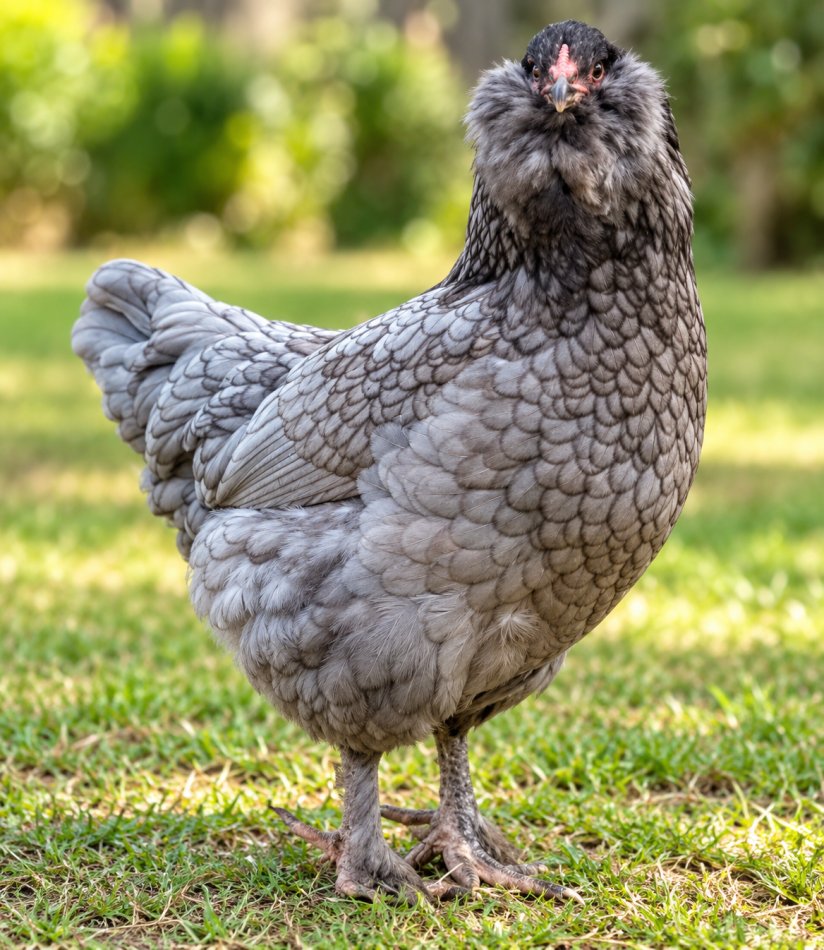
The Favaucana is a cross between a Faverolles and an Ameraucana, designed to combine colored eggs with the fluffy, bearded look of the Faverolles. Egg color varies from mint and sage green to a bluish tone, and sometimes an olive shade. It is sold mostly through hatcheries rather than as a standardized breed.
Hens typically lay about 200 to 250 eggs a year, and many keep producing into cooler months. The eggs are medium to large. That steady output makes the Favaucana a practical backyard bird rather than just a novelty.
Favaucanas are usually gentle, calm and sociable, with a fluffy-faced look from the beard and muffs. They are generally cold hardy and cope well with life in a smaller run, though they can be bullied by more assertive breeds in a mixed flock.
They are a good fit for small backyards and for keepers who want a pretty, quiet bird. Their feathered faces can collect mud and moisture, so keep the run well drained and check muffs for ice in freezing weather.
4. Isbar
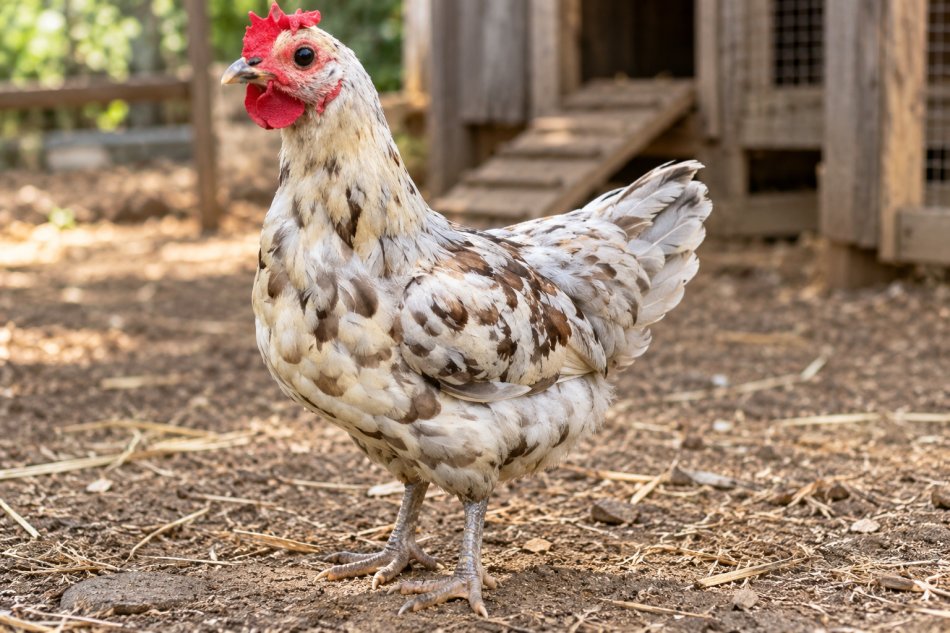
The Isbar is a Swedish breed known for eggs in shades from blue-green to olive. It is related to the Silverudd’s Blue chickens, another Scandinavian line valued for colored eggs. True Isbars are uncommon outside Europe, which makes them something of a prize for collectors of rare poultry.
Isbars are reported to lay roughly 200 or more eggs a year, with medium to large eggs and good winter performance. Production differs between lines, so ask the seller for records instead of relying on general figures.
They tend to be calm, active foragers that cope well with cold climates, which fits their Scandinavian origin. They usually do well in free-range setups and are described as hardy, low-fuss birds.
The main challenge is availability. Chicks sold under the Isbar name may be crosses, so buy from a breeder with documented lines if you want the real thing. Expect to wait for hatching eggs or chicks and to pay more than for common hatchery breeds.
Check this: Why Are My Chickens Laying Small Eggs?
5. Whiting True Green
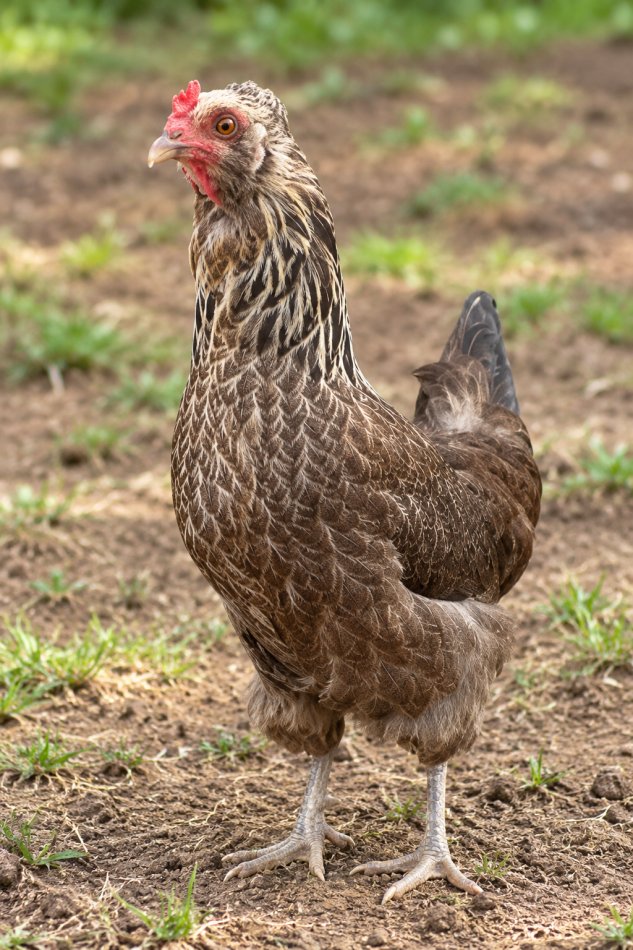
The Whiting True Green is a hybrid developed by Whiting Farms in the United States, in the same program that produced the Whiting True Blue. It is bred to lay green eggs consistently, in shades from light green to deeper olive, and it is marketed as one of the more reliable green layers you can buy.
Hatcheries often describe these hens as strong layers, with figures of around 250 eggs a year or more. That is higher than many heritage breeds, though real results depend on feed, lighting, weather and flock management.
Because they are a modern production-type hybrid, they usually mature early and begin laying young. They tend to be active, hardy and alert, and they respond well to gentle handling when raised with regular contact from chickhood.
One limit to know about is that hybrids do not breed true. Chicks hatched from your own True Green flock will not necessarily repeat their parents’ egg color, so plan to buy fresh stock if you want to keep the shade consistent.
6. Cream Legbar
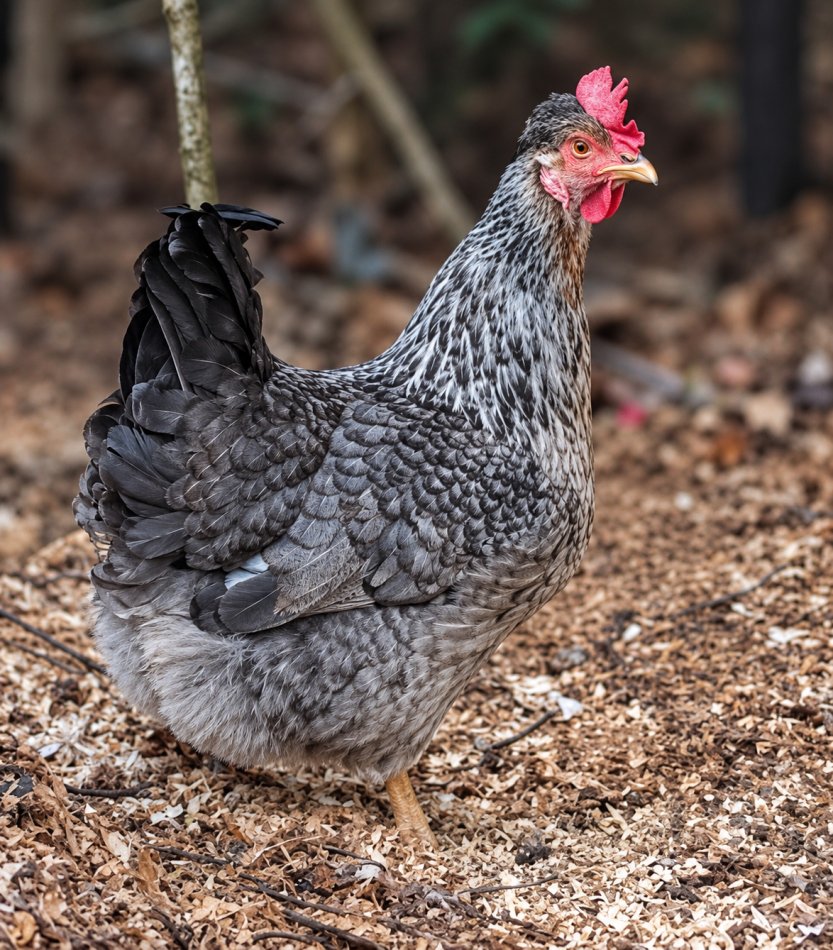
The Cream Legbar is a British breed developed in the early twentieth century, and it is best known for blue eggs. Some hens lay eggs with a sage or greenish tint, and shade can shift with age and season. If you want a true breed that sometimes produces greenish eggs, this is a strong option.
Cream Legbars lay roughly 160 to 200 eggs a year, which is respectable but a little lower than the hybrid layers on this list. The eggs are medium sized, and the hens perform well in cooler climates and while foraging.
They are active, alert birds with an upright stance and a small crest, and they can be flighty. They are not usually lap chickens, but they are hardy and good at finding their own food. Good fencing helps, since some like to fly.
A useful trait is that the breed is autosexing, meaning day-old chicks can be told apart as males or females by down color. That saves you from raising unwanted cockerels. Just do not buy expecting dependable green, since blue is the norm.
7. Araucana
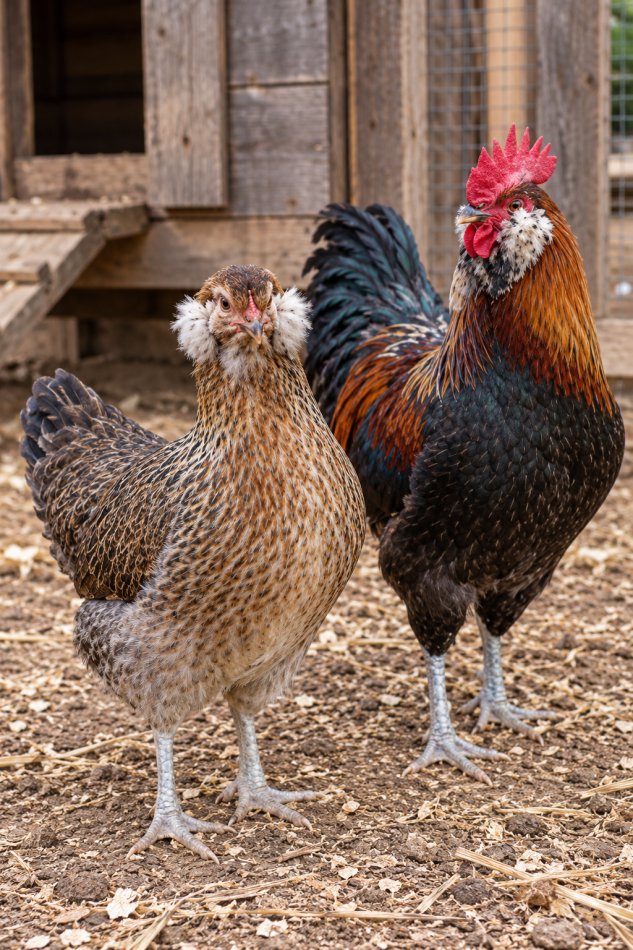
The Araucana comes from Chile and is easy to recognize by its tufted ears and, in many birds, a missing tail. Its eggs are mostly blue, though some hens lay a blue-green shade that can look green in certain light. It is the oldest source of the blue egg gene among these breeds, which is why it appears in so many crosses.
Production is moderate, generally around 150 to 200 eggs a year. The tufted ear gene can cause problems when two copies are inherited, which lowers hatch rates in true Araucanas. Egg numbers also vary among bloodlines, so ask breeders about their flock records.
Temperament ranges from calm and curious to nervous, depending on the line and how the birds are raised. They are hardy, but their unusual build means they need careful breeding and good care. Many keepers enjoy them mainly for their looks and egg color.
Be cautious when buying. Many chickens sold as Araucanas by hatcheries are actually Easter Eggers. If you want a genuine Araucana, look for a specialist breeder, and remember that blue, not green, is the standard egg color.
Also Read: 20 High Protein Chicken Feed
Frequently Asked Questions About Green Eggs
What makes a chicken egg green?
Green eggs happen when a hen carries the blue egg gene, which colors the shell blue through and through, and also deposits brown pigment on the outside near the end of shell formation. Blue plus brown looks green. The deeper the brown layer, the more olive the egg appears.
Do green eggs taste different from other eggs?
No. Shell color does not affect flavor or nutrition. What changes taste and yolk color is the hen’s diet, freshness and how the egg is stored, so a green egg and a white egg from the same flock, fed the same way, will taste the same.
Which breed lays the greenest eggs?
Olive Eggers and Whiting True Greens are usually the best bets for a clearly green shade. Olive Eggers can produce the deepest olive tones when crossed with dark brown egg layers. Even so, color varies from hen to hen, so ask sellers about the egg colors their stock usually produces.
Will my hen lay the same color all her life?
She will lay the same general color, but the shade can change. Eggs often look lighter late in a laying cycle or as a hen ages, and the first eggs of a young pullet may differ from later ones. A hen will not switch from green to brown.
Can any chicken lay green eggs?
No. A hen needs the blue egg gene, so a Rhode Island Red or a Leghorn will never lay green eggs. If you want green eggs, you must start with breeds or crosses that carry that gene.
How can I be sure I will get a green-egg layer?
Buy from a reputable breeder or hatchery that names the exact breed or cross, and ask about the egg colors their flock lays. Since chicks cannot be judged by looks, the only real proof is the first egg. Buying a few hens improves your chances.
Conclusion
Green eggs are the result of a simple mix of genetics: blue shell plus brown coating. The seven chickens above, from the Olive Egger and Easter Egger to the Isbar and Cream Legbar, give you plenty of ways to put that mix to work in your own backyard flock.
Some lay green eggs more reliably than others, and several are hybrids that will not breed true, so choose according to your goals. Whichever you pick, buy from a trustworthy source, expect some variation in shade, and enjoy the surprise in each nest box.
If you want guaranteed green, start with an Olive Egger or a True Green; for personality and variety, try an Easter Egger.


Khaja Moinuddin, a computer science graduate, finds joy in gardening and homesteading. Join him on this blog as he shares his experiences in homesteading, gardening, and composting