I still remember the first spring I grew lettuce properly. The rows looked perfect. Soft, ruffled leaves, and I was already planning salads for the whole month.
Then a warm week arrived.
Within days, the center of every plant shot up like a tiny tower. The leaves turned bitter. My salad plans were over.
That is called bolting, and almost every gardener has been through it.
The good news is you can slow it down a lot. You can’t stop the weather, but you can work with it. Here is everything I have learned about keeping lettuce leafy and sweet for longer.
What Is Bolting?
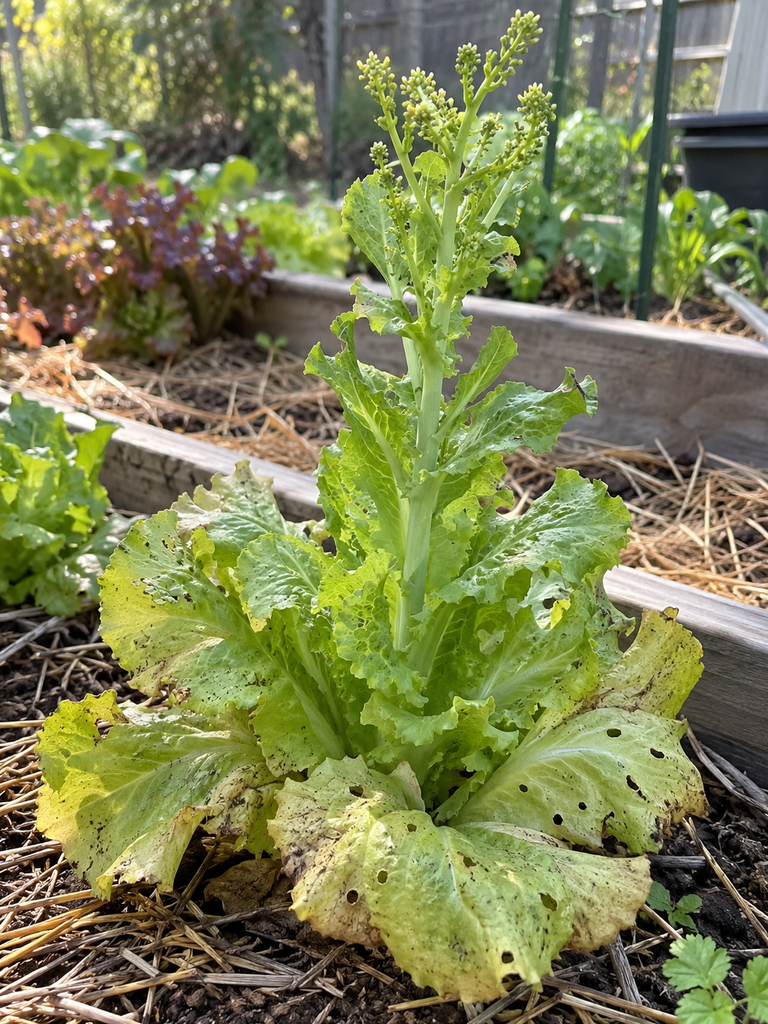
Bolting means the plant stops making leaves and starts making flowers and seeds.
Lettuce does this by sending up a tall center stalk. Once you see it, the plant has changed jobs.
The leaves change too. They get tougher, and the milky sap inside increases. That sap is what makes bolted lettuce taste so bitter.
Bolting is not a disease. It is the plant’s survival plan. It thinks conditions are getting bad, so it rushes to make seeds before it is too late.
Must Read: What to Plant in November?
Why Lettuce Bolts?
Understanding the cause makes prevention much easier. Four things usually trigger it.
Heat. Lettuce loves cool weather. Once daytime temperatures stay above 75°F to 80°F (24°C to 27°C), most varieties start to panic.
Long days. As days get longer in late spring, lettuce reads that as a signal to flower. Some varieties are more sensitive to this than others.
Stress. Dry soil, root damage, crowded plants, and sudden weather swings can all push lettuce to bolt early.
Age. Even in perfect conditions, lettuce will eventually bolt if you leave it growing too long. Nothing lasts forever in the garden.
You can’t change day length. But you can control the other three, and that is where the tips below come in.
9 Ways to Stop Lettuce From Bolting
1. Choose Bolt-Resistant Varieties
This is the easiest win, and many gardeners skip it.
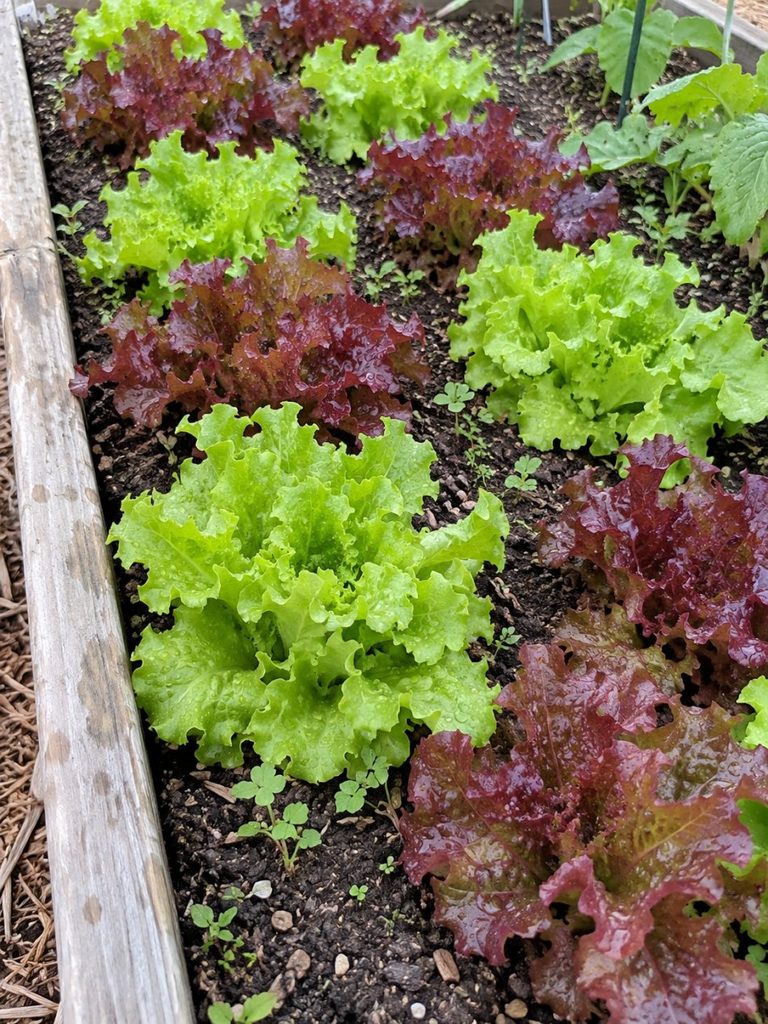
Some lettuces are bred to handle heat much better. Look for words like “slow bolt,” “heat tolerant,” or “summer crisp” on the seed packet.
A few reliable ones are Jericho, Black Seeded Simpson, Buttercrunch, Salad Bowl, Muir, and Parris Island romaine. Red varieties like Red Sails also hold up well.
Loose-leaf types generally bolt later than tight head types. If you live somewhere warm, start with loose-leaf.
2. Plant at the Right Time
Timing matters more than anything else.
Sow lettuce as early in spring as the soil can be worked. Cool soil gives you strong roots before the heat shows up.
Then plant again in late summer or early fall for a second harvest. Fall lettuce is often sweeter because the weather keeps getting cooler instead of warmer.
In very hot regions, treat lettuce as a winter crop. Grow it when the weather is mild and skip the hot months completely.
Also Read: 9 Tips for Growing Vegetables in a Greenhouse for Beginners
3. Give It Some Shade
Lettuce does not need full sun all day. In fact, too much sun is one of the fastest ways to lose a crop.
Plant it where it gets morning sun and afternoon shade. The north side of taller plants like tomatoes, corn, or pole beans works well.
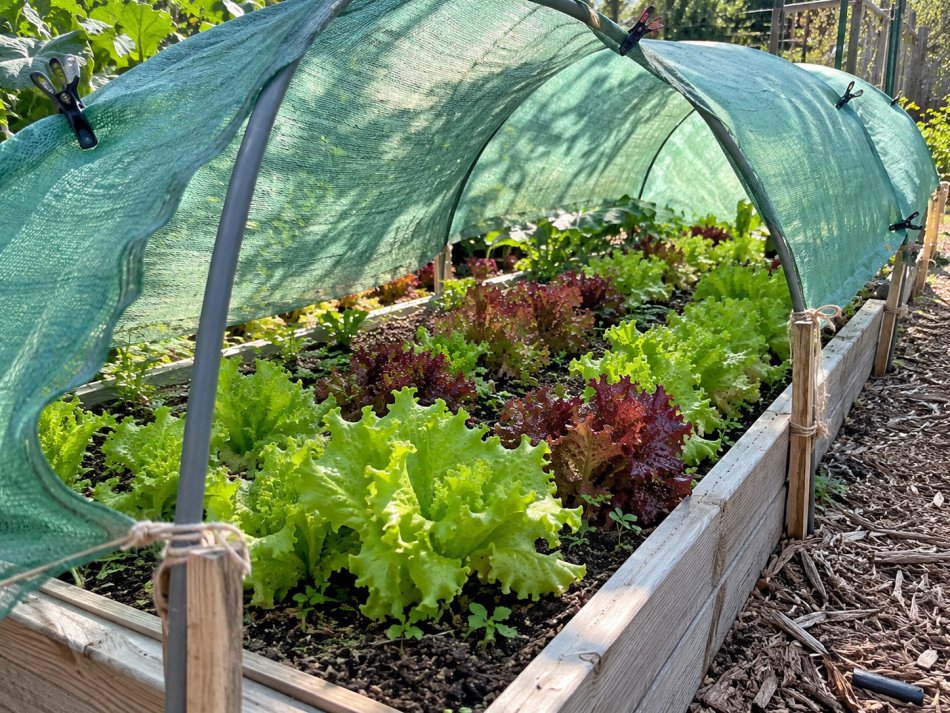
You can also use shade cloth. A 30 to 40 percent cloth over a simple hoop frame can drop the temperature around your plants by several degrees.
Even a bedsheet clipped over stakes on a scorching afternoon can save a bed. Just don’t leave it on all day and starve them of light.
4. Water Evenly
Lettuce has shallow roots, so it dries out fast.
When the soil swings between dry and soaked, the plant gets stressed. Stressed lettuce bolts.
Water deeply and often enough to keep the top few inches of soil lightly moist. Do not let it turn into mud.
Early morning is the best time. In hot spells, a light watering in the afternoon can help cool the soil as well.
5. Mulch the Soil
Mulch is like a cool blanket for the roots.
Spread two to three inches of straw, shredded leaves, or dry grass clippings around your plants. Keep it slightly away from the stems.
It holds moisture and keeps the soil cooler. It also stops weeds from competing with your lettuce.
This small step can add a week or more to your harvest in warm weather.
6. Sow in Succession
Even with perfect care, lettuce has a short life. So plan for that.
Sow a small batch every two weeks instead of one big planting. When the first batch bolts, the next one is ready to pick.
This also keeps you from getting more lettuce than you can eat at once. A steady supply is better than a salad overload followed by nothing.
I like to sow a short row each time I finish a harvest. It takes five minutes and keeps the table full.
7. Harvest the Right Way
How you pick matters.
With loose-leaf types, use the cut-and-come-again method. Snip the outer leaves and leave the center growing. The plant keeps producing and stays in leaf mode longer.
Harvest in the morning, when leaves are crisp and cool. Leaves picked in the afternoon heat wilt faster and taste less sweet.
If hot weather is on the way, pick the whole plant early. A small, sweet head is better than a tall, bitter one.
8. Use Containers You Can Move
Pots give you control that garden beds don’t.
When a heatwave hits, you can drag your lettuce pots into shade or onto a cooler porch. Move them back when things cool down.
Choose light-colored pots if you can. Dark ones soak up heat and warm the roots quickly.
Wide, shallow containers work well for lettuce. Just remember that pots dry out faster, so check the soil daily in summer.
Also Read: 14 Forst Tolerant Vegetables
9. Keep the Soil Healthy and Plants Spaced
Good soil builds strong, calm plants.
Mix in compost before planting. It helps the soil hold water and feeds the lettuce gently.
Avoid heavy nitrogen fertilizer late in the season. It pushes lots of soft growth that struggles in heat.
Give each plant room, too. Crowded lettuce competes for water and traps warm air. Follow the spacing on the packet, and thin seedlings early.
What to Do If Your Lettuce Bolts Anyway?
Sometimes it happens no matter what you do. Don’t be hard on yourself.
Once the stalk starts, you can’t reverse it. Cutting the stalk off rarely helps for more than a day or two.
If the leaves are still small and the stalk is just starting, pick them right away. Soaking the leaves in cold water for 20 minutes can take some bitterness out.
Once the plant is fully bolted, you have a few choices.
- Pull it and compost it, then sow a new batch in a cooler spot.
- Let one or two plants flower and collect the seeds. Saving your own seed gives you plants adapted to your garden.
- Leave a plant or two for the pollinators. Bees and hoverflies love the tiny flowers.
Whatever you choose, use the empty space quickly. A fast crop like radish, or a warm-season plant, can take over the bed.
Check this: How to Use Epsom Salt for Tomato Plant?
Conclusion
Bolting is not a sign you did something wrong. It is just lettuce doing what lettuce does when the weather turns.
But with a few smart habits, you can stretch your harvest by weeks. Pick slow-bolting varieties, plant at the right time, give shade, and keep the soil cool and moist.
Then keep sowing little batches so there is always something coming up.
Start with one or two of these tips this season and see the difference. Your salad bowl will thank you.


Khaja Moinuddin, a computer science graduate, finds joy in gardening and homesteading. Join him on this blog as he shares his experiences in homesteading, gardening, and composting