As gardeners, we all know how much climate affects plant growth. The climatic conditions in November aren’t something most of your plants would prefer, with cooler air, shorter days, and soil that loses its warmth a little more each week.
In many places, the first frost is already close. Seeds that sprouted easily in September can sit there doing nothing now, or even rot in cold, damp soil.
I’ve seen this mistake many times. Someone plants whatever is on the seed packet, then watches the seedlings struggle for weeks. It’s not about skill. It’s about picking plants that can handle November’s weather.
The good news is that November still has plenty of options.
Some veggies, flowers, and bulbs do their best work in cool weather, and planting them now sets you up for a stronger garden in spring. Let’s look at what’s worth planting this month.
What to Plant in Novemeber – Veggies and Flowers?
What you can plant entirely depends on the climatic conditions on your region.
In USDA zones 8 to 11, like the Gulf Coast, Texas, Florida, the Southwest, and southern California, the soil stays workable and it’s a great time to plant.
In zones 3 to 7, frost arrives early and the ground can freeze. You can still plant garlic and spring bulbs before it does, or use row covers and cold frames for hardy crops.
Also Read: 9 Ways to Protect Plants from Frost and Freeze
1. Garlic

Garlic needs full sun and loose, well-draining soil. Plant cloves pointy side up, 2 inches deep and 4 to 6 inches apart, with some compost mixed in.
Garlic needs a cold spell, so frost is fine. Cover the bed with 3 to 4 inches of straw to stop freeze-thaw damage, and make sure rain drains away.
Garlic is a patient crop. Most varieties are ready 8 to 9 months after planting, so a November planting means harvest in mid to late summer.
2. Spinach

Think of spinach as the gardener’s cool-weather reward. It sprouts best when soil is around 45°F to 75°F, so November suits it well. Give it a spot with morning sun and rich, moist soil, and sow seeds half an inch deep, about 2 inches apart.
Frost? Spinach shrugs it off. Light freezes can even make the leaves taste sweeter. For harder nights, drape a row cover or old bedsheet over the bed and take it off during the day.
Patience pays here. You can start picking baby leaves in about 4 to 6 weeks, and full-size leaves a couple of weeks after that. Harvest the outer leaves first and the plant keeps producing.
3. Kale

Kale is one of the toughest greens you can grow, and cold weather actually improves its flavor. Pick a spot with full sun to partial shade and fertile, well-draining soil.
To plant from seed, loosen the soil and mix in compost. Sow seeds a quarter to half an inch deep, 2 to 3 inches apart, then cover lightly and water gently. Once seedlings have a few leaves, thin them to 12 inches apart so they have room to spread.
Kale handles frost well, but a row cover or mulch helps during hard freezes.
4. Lettuce
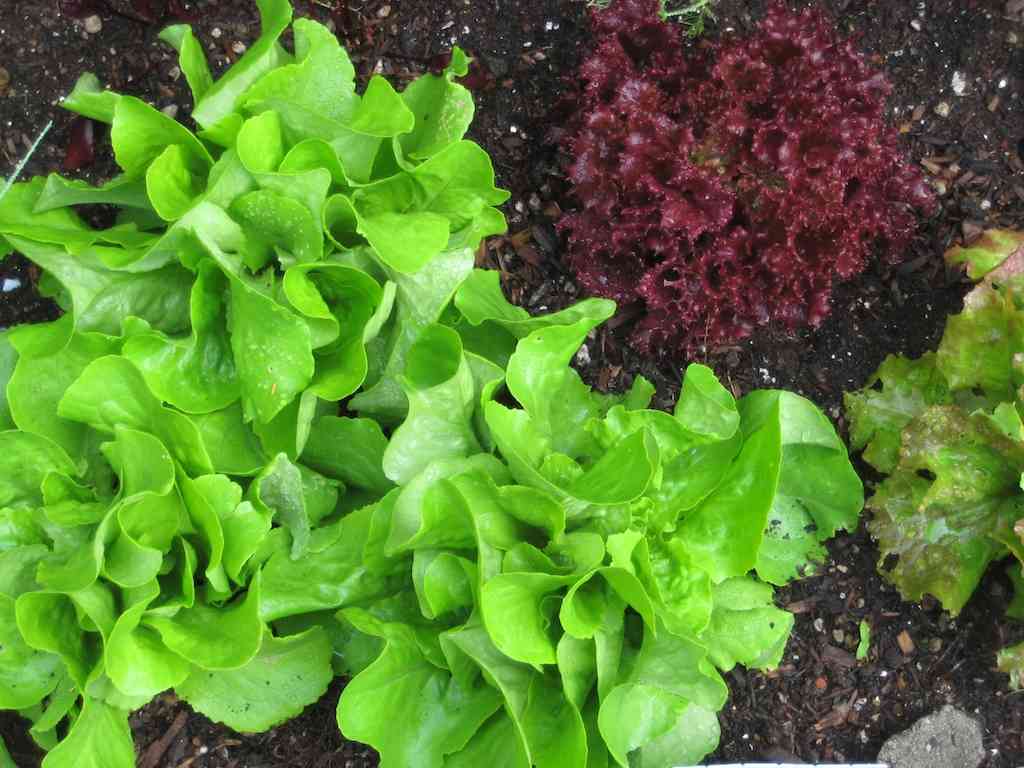
Lettuce is best sown directly outdoors in November. It doesn’t love being moved, and cool soil is exactly what the seeds want. If your nights are freezing, start it indoors or in a cold frame instead.
To plant, loosen the soil and rake it smooth. Scatter seeds on top and press them in lightly, or cover with just a thin layer of soil, about a quarter inch, since lettuce seeds need light to sprout. Space them 4 to 6 inches apart, or thin seedlings later, and water gently.
Choose a spot with morning sun and light afternoon shade, and keep the soil evenly moist. Lettuce handles light frost, but cover it with a row cover or cloth on nights that drop below freezing.
5. Peas
Sow peas directly outdoors, since they dislike root disturbance. Plant seeds 1 inch deep and 2 inches apart in well-draining soil with full sun.
Soil should be at least 40°F for good germination. Install a trellis or support at planting time, as vines climb 3 to 6 feet.
Water lightly until seedlings emerge, then keep soil evenly moist. Peas tolerate light frost, but cover young seedlings with row covers during hard freezes. Avoid heavy nitrogen fertilizer, which gives leaves but fewer pods.
6. Radishes

Radishes are best sown directly outdoors, because transplanting damages the root. Choose a sunny spot with loose, well-draining soil, free of stones so roots grow straight.
Sow seeds half an inch deep and 1 inch apart, then thin seedlings to 2 to 3 inches. Keep soil evenly moist, since dry spells make radishes woody and split.
They germinate in 3 to 7 days and handle light frost well. Mulch lightly or use a row cover when temperatures drop below freezing.
7. Carrots
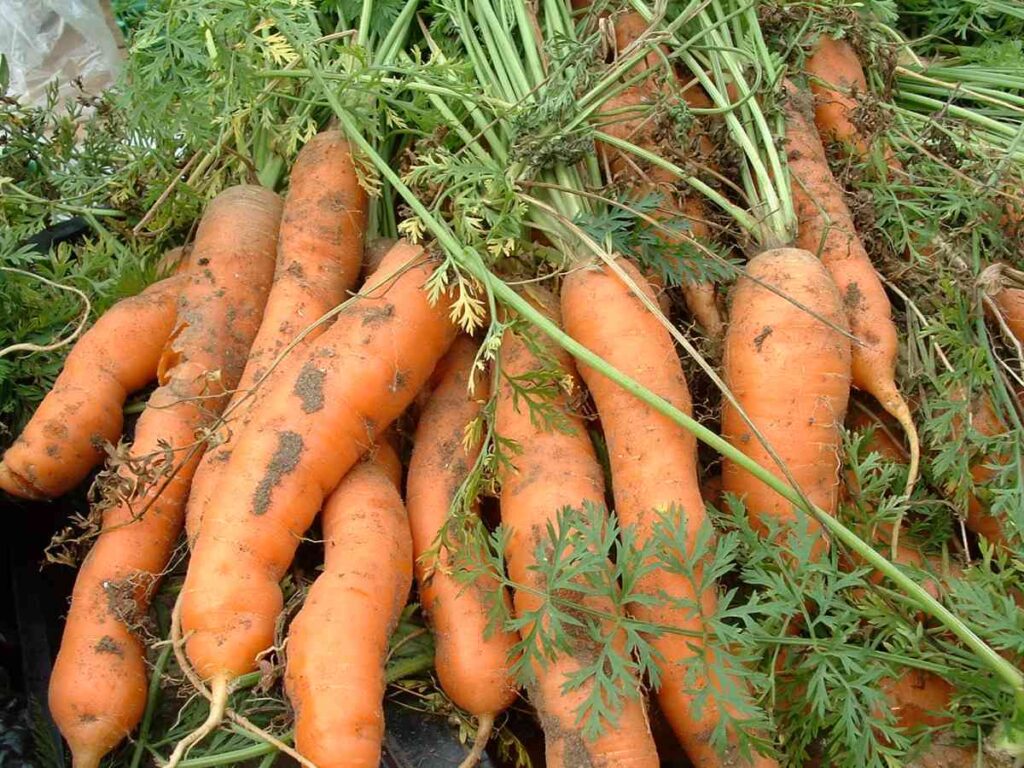
Sow carrots directly outdoors, as they don’t transplant well. Choose a sunny spot with loose, deep soil free of stones and clumps, so roots grow long and straight.
Plant seeds a quarter inch deep and 2 inches apart, then thin to 3 inches. Germination is slow, taking 1 to 3 weeks, so keep the soil evenly moist.
Carrots handle light frost well, and a layer of mulch protects them during freezes.
Also Read: 5 Simple Ways to Store Carrots from the Garden
8. Pansies
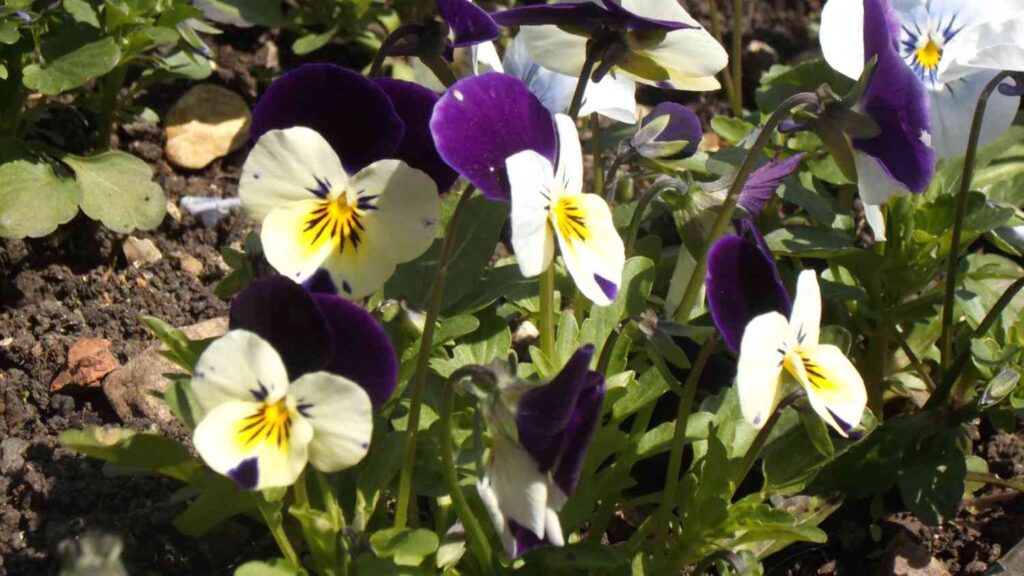
Pansies are easiest to grow from nursery transplants in November. Pick a spot with full sun to partial shade and well-draining, compost-rich soil.
Space plants 6 to 8 inches apart and plant at the same depth as in the pot. Water after planting, then whenever the top inch of soil feels dry.
Pansies tolerate frost and often keep blooming through winter. Remove faded flowers regularly and mulch lightly to protect the roots.
9. Snapdragons

Snapdragons can be planted from transplants or seeds. For seeds, press them onto the soil surface without covering, as they need light to sprout.
Choose a sunny spot with well-draining soil, and space plants 6 to 12 inches apart. Water gently and keep the soil lightly moist.
Snapdragons handle light frost, but protect young plants with a row cover during hard freezes. Pinch the tips of young plants to encourage bushier growth and more blooms.
10. Violas

Violas are best planted from nursery transplants in November, though seeds also work in mild climates.
Choose a spot with full sun to partial shade and well-draining, compost-rich soil. Space plants 4 to 6 inches apart at the same depth as in the pot, then water well.
Violas are very frost tolerant and bloom through cool weather. Deadhead spent flowers and mulch lightly to keep the roots protected.
11. Tulips

Plant tulip bulbs pointy end up, 6 to 8 inches deep and 4 to 6 inches apart. Pick a sunny spot with well-draining soil, since wet soil rots bulbs.
In zones 8 to 11, chill the bulbs in the fridge for 6 to 8 weeks first, away from ripening fruit. Water once after planting, then let winter rain do the rest. Mulch to protect the bulbs from freezing.
12. Daffodils

Plant daffodil bulbs pointy end up, about 6 inches deep and 3 to 6 inches apart. Choose full sun to partial shade and well-draining soil, and mix in compost at planting.
Water once after planting to settle the soil. Daffodils need no pre-chilling and handle cold well, and squirrels and deer usually leave them alone.
After blooming, let the foliage die back naturally so the bulb stores energy for next year.
Also Read: 27 Vegetables to Grow Indoors in the Winter
Conclusion
November may not feel like planting season, but it’s one of the smartest times to get things in the ground. Cool-loving veggies, hardy flowers, and spring bulbs all use these cooler months to build strong roots.
Check your USDA zone and first frost date, then pick the plants that suit your climate. Keep a row cover and some mulch handy for cold nights.
A little effort now means fresh greens this winter and a colorful garden come spring. Happy planting!


Khaja Moinuddin, a computer science graduate, finds joy in gardening and homesteading. Join him on this blog as he shares his experiences in homesteading, gardening, and composting