Homesteading is increasing in popularity with every passing day. More and more families are trading in grocery store eggs for the real thing, straight from their own backyard.
People can thus be seen enquiring about the best chicken breeds for their family homestead. If you have similar queries in mind, then you have come to the right place.
Today we are going to take a look at some of the best dual purpose chicken breeds. These are birds that do double duty, giving you a steady supply of eggs while also being hearty enough to raise for meat if that is part of your plan.
Whether you are just starting out with your first coop or looking to add a few new breeds to an existing flock, this list should help point you in the right direction.
Why Choose A Dual Purpose Breed?
Before we get into the list, it helps to understand why dual purpose chickens are such a popular choice among homesteaders.
Single purpose breeds are usually bred for one job only. Some are egg laying machines but grow thin and bony. Others bulk up fast for meat but barely lay any eggs worth collecting.
Dual purpose breeds strike a balance. They lay a respectable number of eggs throughout the year and still grow to a decent size, which means less waste and more value from every bird you raise.
For a family homestead, that balance often makes more practical sense than keeping two separate flocks for two separate purposes.
Also Read: How to Raise Chickens for Meat?
Things To Look For While Choosing The Best Chicken Breed
Heritage breed chickens rank highest in the list of best breeds. They were developed using the best genes but are becoming rare with the growth of industrial farming.
Here are a few things worth keeping in mind as you narrow down your options.
They need to serve a dual purpose of growing to a substantially big size while providing meat to the table.
The chicken breeds should be cold hardy for withstanding the harsh winter months, especially if you live somewhere that sees snow for several months out of the year.
An ideal chicken breed is one which has a pretty friendly temperament. Aggressive birds are the last thing you would want in your backyard, especially if you have children and pregnant ladies around.
It also helps to think about how much space you actually have. Some breeds do fine in confinement, while others need more room to roam and forage.
Finally, consider your climate. A breed that thrives in the cold might struggle in a hot, humid summer, and the reverse is just as true.
7 Best Dual Purpose Chicken Breeds
#1 Plymouth Rock
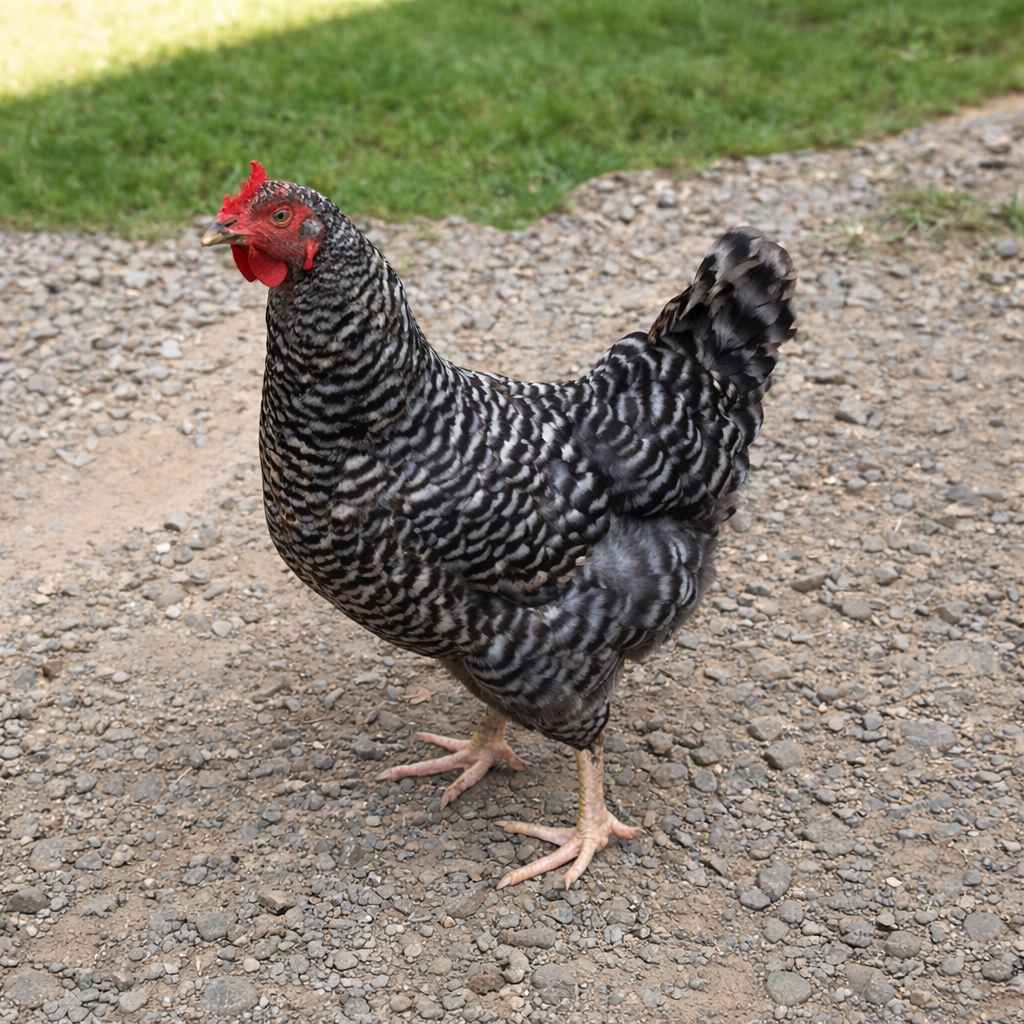
These beautiful and friendly chickens come in a variety of colors. However, they have gained popularity due to the barred rock and white shades.
They lay pinkish brown eggs and can sustain extreme cold climates without much trouble.
This type of breed does pretty well in confinement, making it ideal for people who do not have adequate space for homesteading. The Plymouth Rock can lay about 280 eggs every year.
They are docile in nature and can be kept in close proximity to children. Many homesteaders consider them one of the friendliest breeds around, which makes them a solid choice if this is your family’s first time raising chickens.
Plymouth Rock is a hardy American breed weighing between 7 to 8 pounds once fully grown. They are excellent mothers and can be seen sitting on the eggs over long spans of time.
Because they handle confinement well and rarely cause trouble with other birds, Plymouth Rocks tend to blend easily into a mixed flock.
Check this: How to Stop Chickens from Pecking Each Other?
#2 The Rhode Island Red
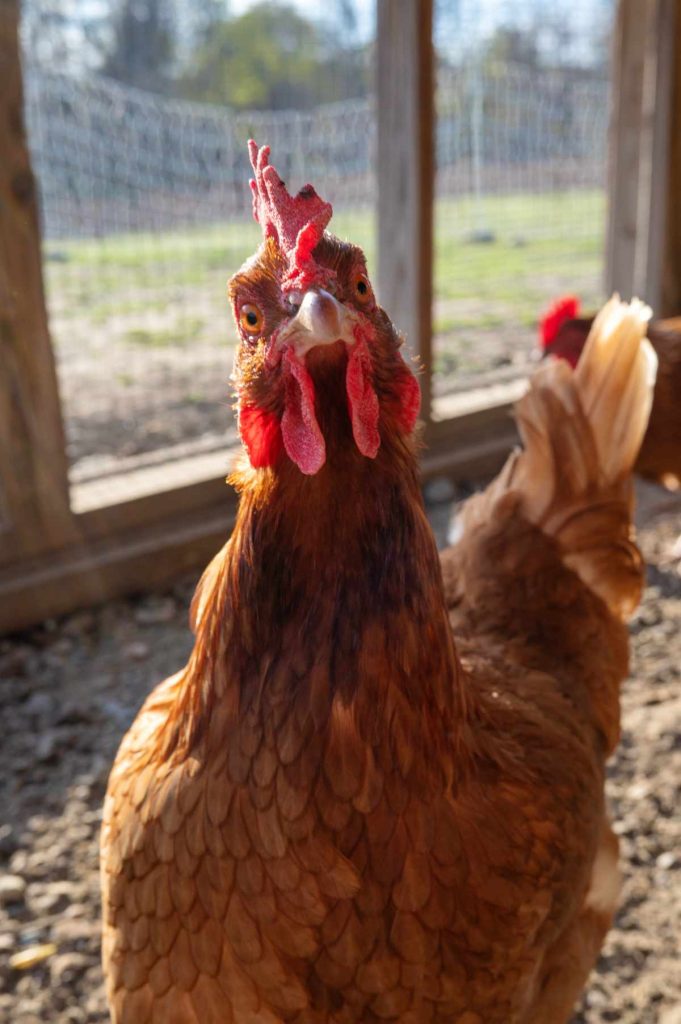
This is a cold hardy heritage breed which has been around for a pretty long time. The Rhode Island Reds weigh about 7 to 8 pounds once fully grown and thus form a part of the heavy poultry class.
They lay around 300 extra large brown eggs every year and tend to become broody over time.
Although the males are infamous for their aggressiveness, the female chickens are extremely calm and friendly. This is worth keeping in mind if you plan on raising roosters alongside your hens, since a Rhode Island Red rooster can sometimes get territorial.
Rhode Island Reds are also known for being tough birds. They tolerate a wide range of climates and are not particularly fussy eaters, which makes them a low maintenance option for busy homesteaders.
Their deep red feathers and steady laying habits have made them one of the most recognizable backyard chicken breeds in the country.
#3 Australorp
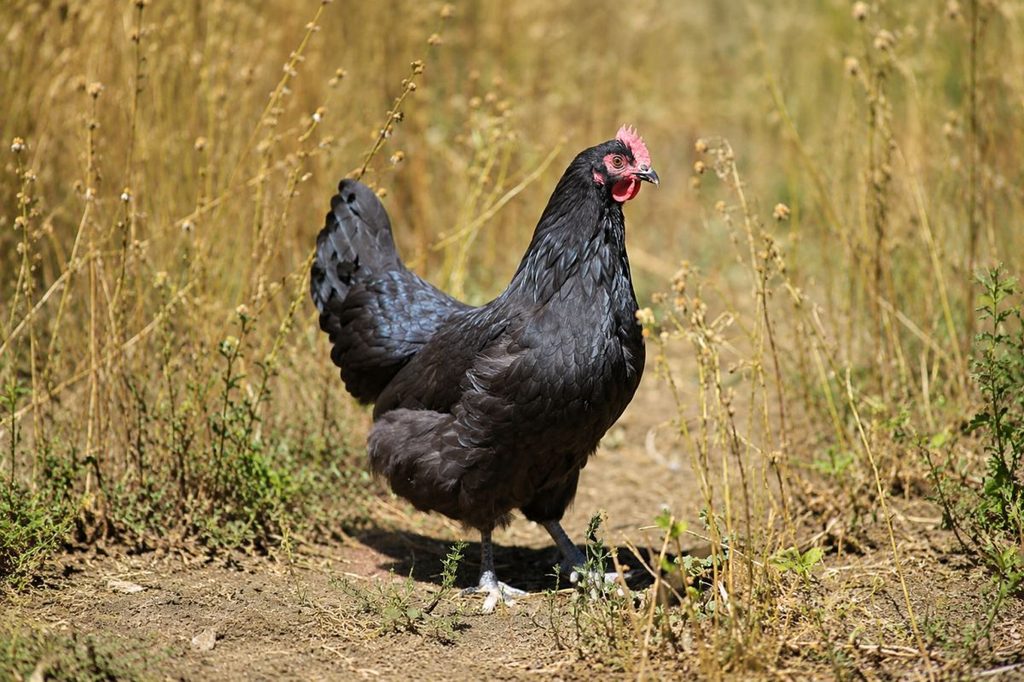
This fantastic breed has given the poultry industry some of the most prolific layers around. On average, they lay 250 eggs per year. But there are also reports of Australorps laying a maximum of 364 eggs in 365 days.
Their friendly nature makes them ideal for being left around children. On gaining their trust, they might even eat out of your hand.
Their black feathers look gorgeous in sunlight and even radiate shades of purple and green, which is something you really have to see in person to appreciate.
They tend to grow big pretty quickly and lay light brown eggs. The Australorps tend to get broody and have excellent mothering instincts, which makes them a good choice if you want to hatch your own chicks down the line.
They also do reasonably well in both hot and cold climates, which adds to their appeal as an all around backyard breed.
Also Read: How to Deworm Chickens Naturally?
#4 Black Star

This breed is popular for being one of the best layers of brown eggs and can lay about 300 eggs every year. They are a part of the medium poultry class, courtesy of their maximum body weight of 5 to 6 pounds.
The Black Stars are extremely docile and friendly in nature. They can be handled easily and usually do not become broody, which some homesteaders actually prefer if consistent egg production is the main goal.
Black Stars are a hybrid breed, which means they tend to grow faster and lay earlier than many heritage breeds on this list. If you are eager to start collecting eggs sooner rather than later, this breed is worth considering.
They also tend to be fairly quiet compared to other breeds, which can be a nice bonus if you have close neighbors.
#5 Wyandotte
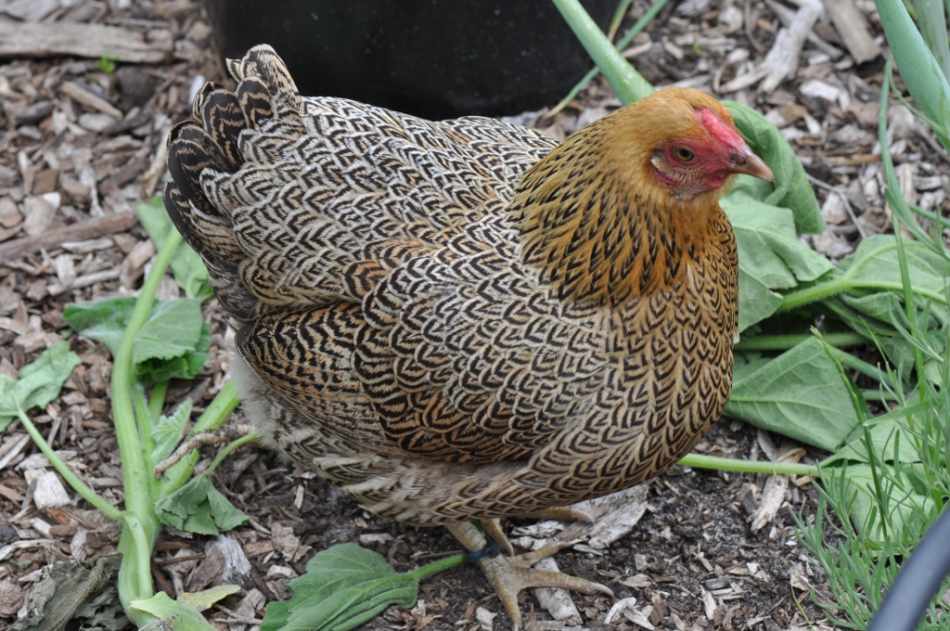
This beautiful breed was considered to be a part of the endangered list even until last year. The silver laced Wyandottes are extremely friendly in nature but have a tendency of bossing around the flock. They can go to any extent for ruling the roost.
They have been named after a Native American tribe. The Wyandottes lay light brown eggs and can handle extremely cold winter seasons pretty well.
In most cases, these chickens become broody, which makes them excellent mothers to tiny chicks. If hatching your own eggs is something you want to try, a Wyandotte hen makes a reliable partner for the job.
Their rose comb sits low and close to the head, which actually helps protect them from frostbite during especially harsh winters. This is one more reason they remain a favorite among homesteaders in colder regions.
#6 Orpington
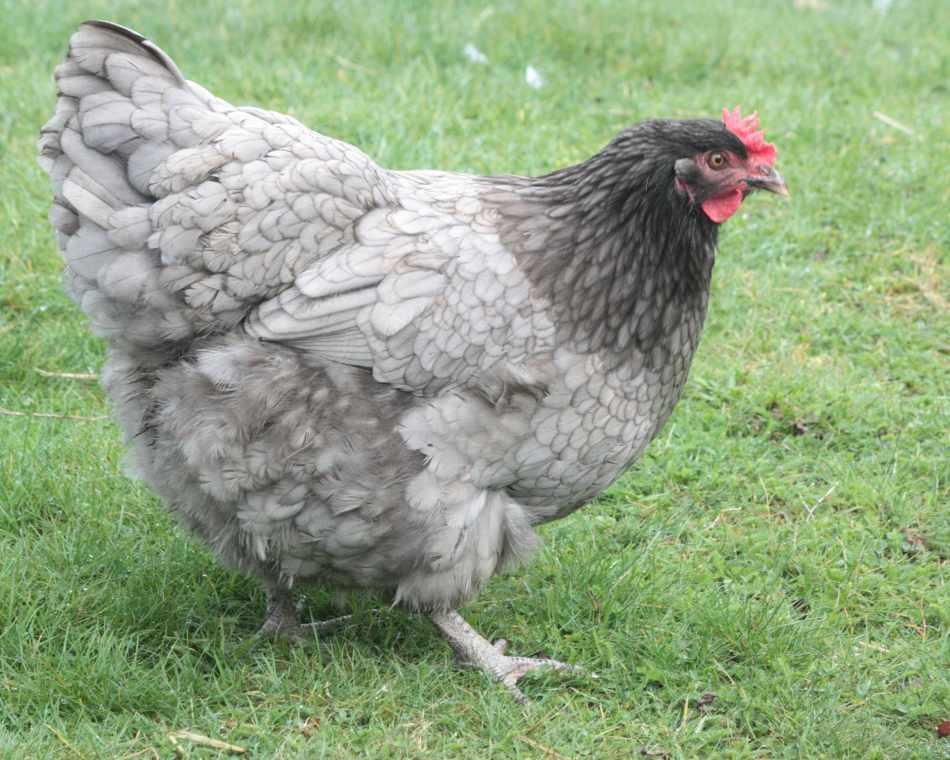
This breed is extremely popular amongst backyard chicken enthusiasts and homesteaders. They come in a variety of colors and can lay up to 200 brown eggs every year.
Calm behaviour makes them ideal for being left around children. Orpingtons have a reputation for being one of the gentlest breeds you can bring into a family flock.
Orpingtons are excellent foragers and are extremely broody. They can easily set eggs without any encouragement on your part. This self sustaining breed can make your backyard flock grow without the requirement of an incubator.
Their fluffy, rounded bodies also make them look bigger than they actually are, which some owners simply enjoy for the charm factor alone.
Because of their calm temperament, Orpingtons also tend to do well in mixed flocks with other more assertive breeds, rarely causing conflict at feeding time.
Check this: 70 Things Chickens Can Eat & 30 Food Items to Avoid
#7 Brahma

This breed of chicken has received the title of being the king of poultry, courtesy of their massive strength and size. They were originally bred as a table bird and tend to lay more during winter months, which is somewhat unusual compared to most other breeds on this list.
The Brahmas lay large medium brown eggs and can be a bit broody. Irrespective of their large size, they are extremely docile in nature.
However, you need to take care of them during winter months, as their feathered feet grow increasingly vulnerable to frostbite. A dry, well bedded coop goes a long way in keeping this breed comfortable through the cold season.
Brahmas can grow quite large, with roosters sometimes reaching upwards of 12 pounds. Their sheer size alone makes them a standout in any backyard flock, and their calm nature means they rarely intimidate smaller breeds around them.
A Few Basic Care Tips For Dual Purpose Breeds
No matter which breed you end up choosing, a few basic care habits will help your flock thrive.
Make sure your coop is well ventilated but free of drafts, especially during the colder months. Good airflow keeps moisture down, which helps prevent respiratory issues.
Provide a balanced feed appropriate for their age and purpose, whether that is a starter feed for chicks or a layer feed for hens that are actively producing eggs.
Fresh water should always be available, and in freezing temperatures, check it regularly so it does not turn to ice.
Give your birds enough space to move around, forage, and dust bathe. Overcrowding is one of the most common causes of stress and illness in backyard flocks.
Lastly, keep an eye out for broodiness if you are hoping to hatch chicks. Breeds like the Orpington and Wyandotte make this process much easier thanks to their natural mothering instincts.
Frequently Asked Questions
How many chickens should a beginner start with?
Most homesteaders recommend starting with four to six birds. This gives you a manageable flock size to learn the ropes without feeling overwhelmed, and it is usually enough to keep a small family in eggs.
Do dual purpose breeds really taste different from meat breeds?
Yes, to some extent. Dual purpose breeds tend to take longer to mature, which often results in richer, more flavorful meat compared to fast growing commercial meat breeds. The trade off is a longer wait before they are ready for the table.
Can these breeds be raised alongside other pets?
Most of the breeds on this list, especially Orpingtons and Plymouth Rocks, are known for their calm temperament and generally do fine around other backyard animals. That said, always supervise new introductions, since individual personalities can vary even within a friendly breed.
How long do dual purpose chickens typically lay eggs?
Most hens lay consistently for the first two to three years, with production gradually tapering off after that. Some breeds, like the Australorp, are known to keep laying well even as they get older.
Conclusion
Before deciding on the chicken breed, you need to analyse your end goals. You might want them to feed your family, or you might just be after a steady supply of eggs.
You also need to consider your surrounding environment while choosing a breed, including your climate, the amount of space you have, and how much time you can realistically dedicate to their care.
Any of the seven breeds on this list makes a solid choice for a backyard homestead. The right one for you really comes down to what matters most for your family, whether that is friendliness around kids, cold hardiness, or simply the number of eggs you can expect to collect each week.
Whichever breed you choose, a little research now will save you a lot of guesswork later, and set your flock up for a long and productive life in your backyard.


Khaja Moinuddin, a computer science graduate, finds joy in gardening and homesteading. Join him on this blog as he shares his experiences in homesteading, gardening, and composting