Most people spend their free time scrolling on their gadgets, but as a gardener, I prefer planting.
As spring, the main gardening season, comes to an end, I find myself wondering how to spend my time. Fortunately, there are plenty of plants I can grow in July and expect to harvest by fall.
Though July might feel too late to start anything new, the warm soil and longer days are actually favorable for a bunch of vegetables.
Choose plants that are heat-loving and fast to mature, so they can settle in quickly and still have enough time to produce before the first frost.
Think of July planting as a reset button.
Maybe your lettuce bolted in the June heat, or that empty patch where your peas used to be is just sitting there doing nothing. This is your chance to fill those gaps and put your garden back to work.
The best part is you skip the slow spring wait. Seeds go into warm soil and pop up fast, so you’ll see progress within days.
Is July Too Late to Plant?
Not at all. Warm soil actually speeds up germination, so seeds you plant now can sprout faster than the ones you planted back in spring.
Your real success depends on two things: your first frost date and picking the right plants for this window. Fast-maturing crops have plenty of time to grow and produce before the cold sets in.
Not sure where you stand? Check your USDA Hardiness Zone. It’ll give you a good sense of how much growing time you have left and which plants are worth putting in the ground right now.
29 Vegetables and Flowers You Can Still Plant in July
Vegetables and flowers aren’t just sharing garden space, they’re helping each other out.
Flowers draw in pollinators for better fruit set and pests away, while vegetables return the favor with shade and ground cover that keep the soil cool and moist.
1. Bush Beans
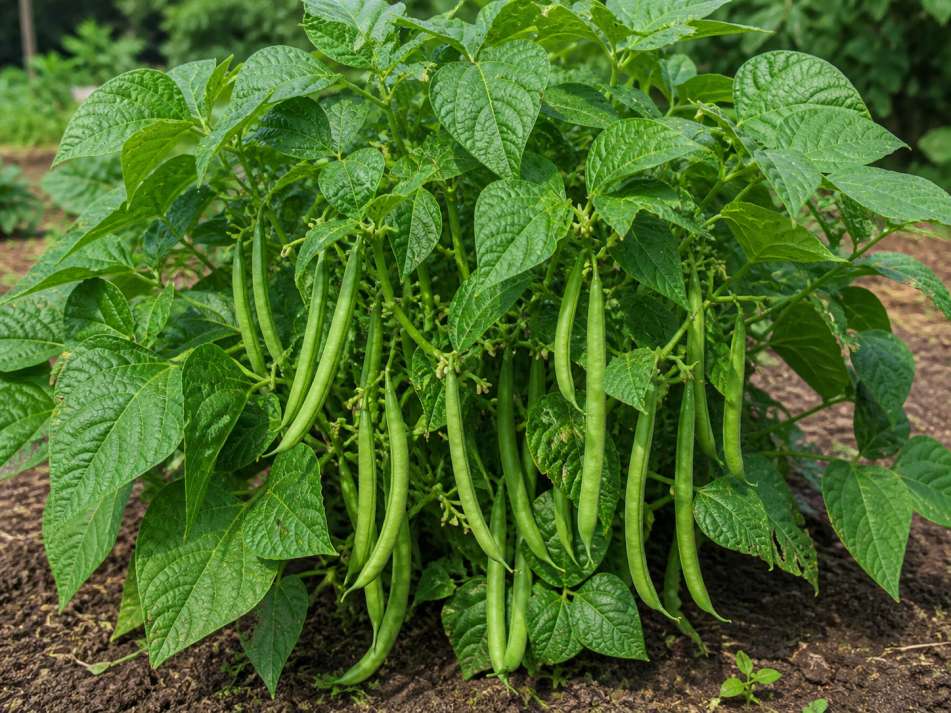
Bush beans love the heat, and July’s warm soil gets them sprouting fast without much fuss. They’re ready to harvest in about 50 to 55 days, so you’ll still have plenty of time before the first frost hits.
For best results, keep the soil consistently moist while the seeds germinate. A light mulch layer helps hold that moisture in during the hottest stretches of summer.
2. Cucumbers

Cucumbers thrive in July’s heat and grow fast once the soil warms up. They’re ready to harvest in about 50 to 65 days, giving you fresh cucumbers well before fall arrives.
Keep the soil evenly watered since cucumbers are mostly water themselves and dry spells can turn them bitter. A trellis also helps keep the vines up off the ground and the fruit cleaner.
Also Read: 19 Vegetables to Plant in August
3. Summer Squash
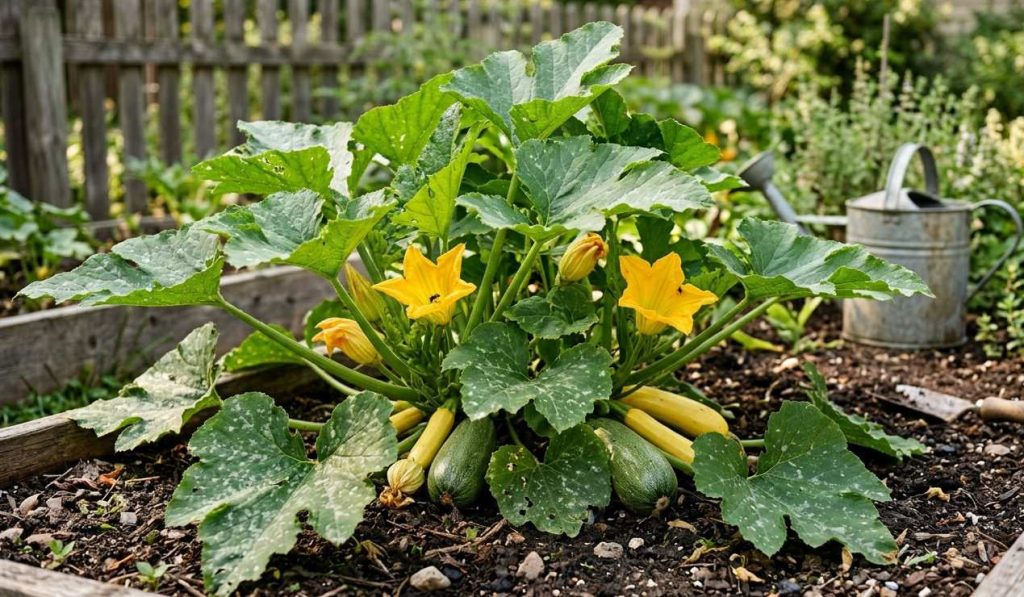
Summer squash is one of the fastest producers you can plant in July, often ready to harvest in just 45 to 55 days. The warm soil helps seeds germinate quickly, so you won’t be waiting long to see results.
Give plants plenty of space since they spread out more than you’d expect. Regular watering and a spot with full sun will keep the harvest coming steadily.
4. Zucchini

Zucchini practically explodes with growth once July heat kicks in, usually ready to harvest in 45 to 55 days. It’s a reliable choice if you want a fast, generous harvest without much hassle.
Check plants every couple of days once they start producing since zucchini can go from perfect to oversized overnight. Consistent watering keeps the fruit from turning bitter.
5. Carrots

Carrots settle in nicely once the summer heat softens and the days start easing toward fall.
Sow them directly in loose, well-draining soil since they don’t handle transplanting well. They typically take 60 to 80 days to mature, and a bit of cooler weather toward harvest actually makes them sweeter.
Keep the soil consistently moist while seeds germinate, since carrot seeds are notoriously slow and picky about drying out.
Check this: What Vegetables to Plant in Summer?
6. Beets

Beets are a solid double win, giving you both roots and greens from a single planting.
They mature in about 50 to 60 days, making them a great fit for a July start with plenty of time before frost. Thin the seedlings early so the roots have room to bulk up properly.
Water regularly and keep the bed weed-free, since beets don’t compete well with overcrowded neighbors.
7. Radishes
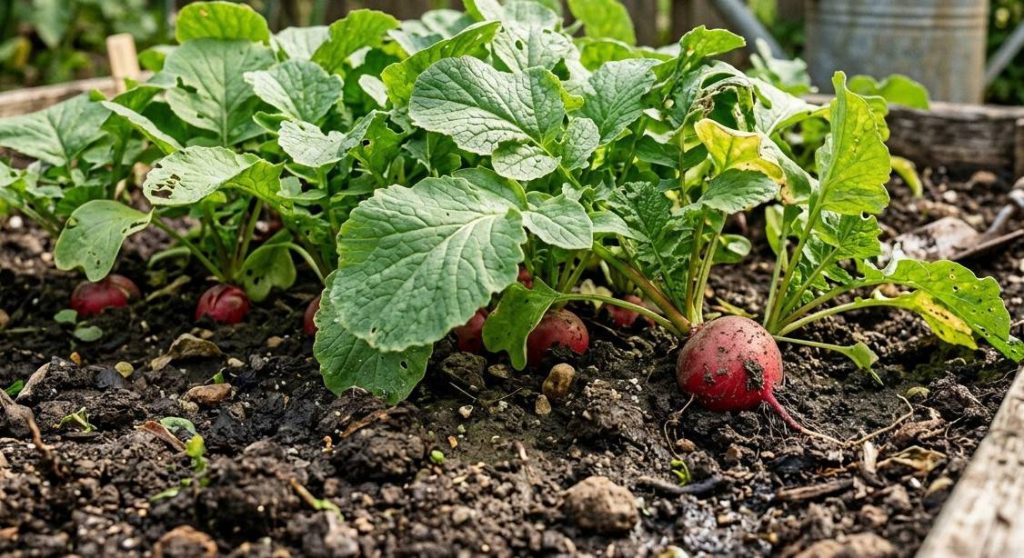
Radishes are the fastest reward you’ll get from a July planting.
Some varieties are ready in just 3 to 4 weeks, so you can even sneak in a couple of rounds before fall settles in. They prefer cooler soil, so a bit of afternoon shade in peak summer heat helps them along.
Keep the soil moist and harvest promptly once they mature, since radishes turn woody and lose flavor if left too long.
8. Turnips

Turnips are an easy, low-maintenance crop that rewards you with both roots and greens.
They mature in about 50 to 60 days, fitting comfortably into a July planting window. Thin seedlings early to give the roots enough space to develop properly.
Keep the soil evenly moist, and don’t skip harvesting the greens too, since they’re just as tasty as the roots.
9. Kale

Kale actually gets better as the weather cools, making it a smart pick for a July start.
It takes about 50 to 65 days to mature, and a light frost later in the season only sweetens the flavor. Give it consistent watering through the hottest part of summer to keep it from getting bitter.
Space plants out enough for good airflow, which helps keep pests and disease at bay as the leaves fill in.
Also Read: 17 Creative Small Backyard Vegetable Garden Ideas
10. Swiss Chard

Swiss chard handles heat better than most leafy greens, which makes it a dependable July pick. It matures in about 50 to 60 days and keeps producing right through fall if you harvest the outer leaves and let the center keep growing.
11. Spinach (late July in cooler areas)

Spinach struggles in full summer heat, so it’s best saved for late July if you’re in a cooler region. Wait for temperatures to start dipping before sowing, and expect a harvest in about 40 to 45 days once the plants get going.
Shade cloth during the first couple of weeks can make a real difference here, since spinach bolts fast in warm soil.
12. Lettuce (heat-tolerant varieties)
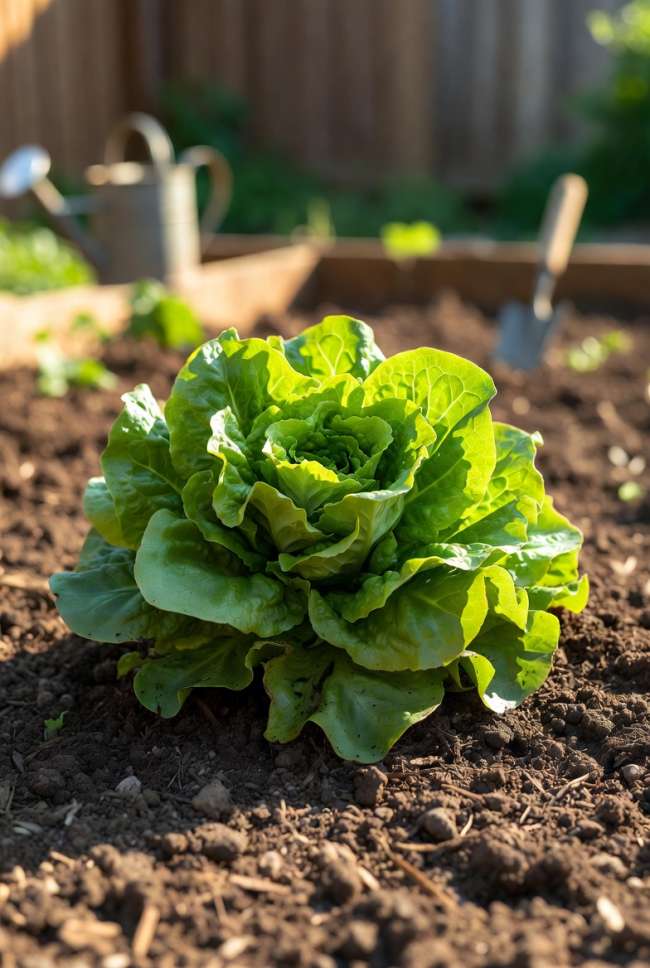
Regular lettuce bolts in July heat, but heat-tolerant varieties can still give you a solid harvest. Look for types bred to resist bolting, and expect them ready in about 45 to 55 days.
Planting in a spot with afternoon shade helps a lot, and keeping the soil consistently moist prevents the leaves from turning bitter.
13. Arugula

Arugula grows fast and doesn’t ask for much, ready to harvest in as little as 30 to 40 days. It does best with a bit of afternoon shade during peak summer heat, since too much sun can push it to bolt early and turn the leaves sharp and spicy.
Also Read: 17 Best Vegetables that Grow on Trellis
14. Bok Choy

Bok choy is a great pick if you want something quick and low-fuss, maturing in about 45 to 55 days. It prefers consistent moisture and a bit of shade during the hottest part of the day.
For best flavor, harvest before it bolts, especially if a heat wave rolls through mid-growth.
15. Mustard Greens

Mustard greens grow fast and don’t mind a bit of summer heat, ready to harvest in about 30 to 40 days. The leaves get spicier as temperatures rise, so if you prefer a milder flavor, plan to harvest them young.
16. Green Onions

Green onions are practically foolproof for a July planting, ready in about 60 to 70 days. They don’t need much space and can be tucked into gaps between other vegetables without any trouble.
Keep the soil consistently moist, and you can even snip a few early for fresh flavor while the rest keep growing.
17. Cilantro

Cilantro bolts fast in summer heat, so plant it in a spot with afternoon shade to stretch out your harvest window. It’s ready in about 45 to 50 days, though you can start snipping leaves earlier as needed.
18. Dill

Dill handles heat reasonably well and grows quickly, ready to harvest in about 40 to 50 days. Let a few plants flower and go to seed if you want a second round popping up on their own later in the season.
19. Basil

Basil is practically made for July, thriving in the heat and growing fast once the soil warms up. It’s ready to start harvesting in about 30 to 60 days, and regular pinching keeps the plant bushy and productive all summer.
Avoid letting it flower too early, since that shifts the plant’s energy away from producing tender, flavorful leaves.
20. Peas (late July in cooler regions)
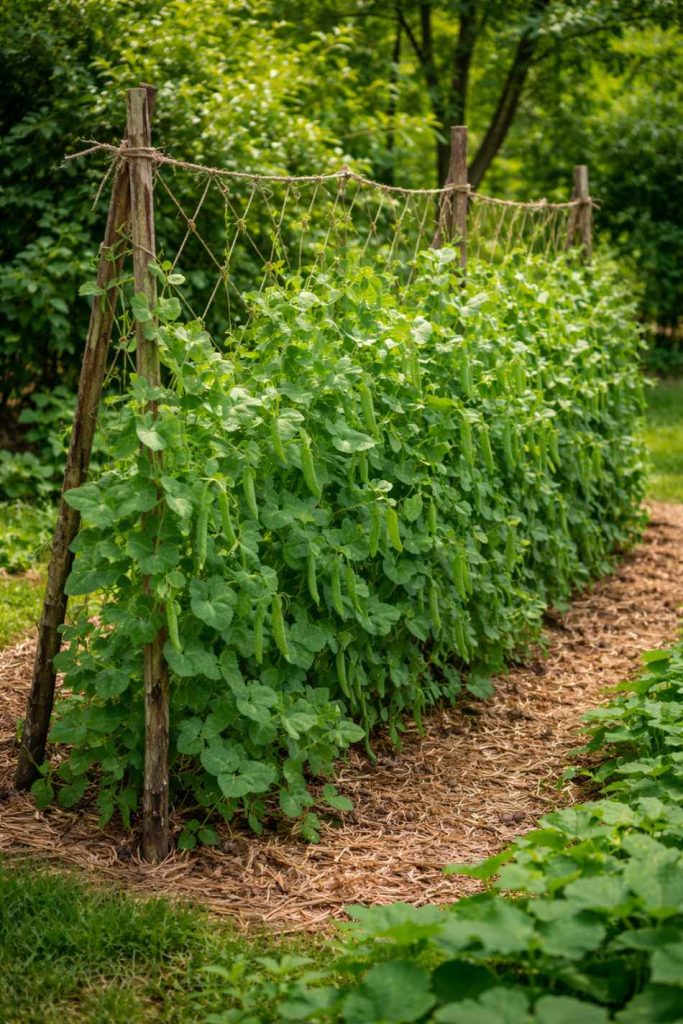
Peas don’t love summer heat, so late July works best if you’re in a cooler climate looking ahead to a fall crop. They take about 60 to 70 days to mature, and a bit of afternoon shade helps them push through any lingering warm spells.
Flowers You Can Plant in July
July heat doesn’t scare these blooms off, it just gets them growing.
21. Sunflowers

Sunflowers practically thrive on summer heat, pushing up fast once the soil warms. Most varieties bloom in about 60 to 70 days, giving you tall, cheerful color well before fall.
Give them full sun and sturdy support if you’re growing taller varieties, since they can get top-heavy once the blooms open.
22. Zinnias

Zinnias are about as low-maintenance as flowers get, blooming in just 60 to 70 days from seed. They love full sun and keep producing new blooms right up until frost if you deadhead the spent flowers regularly.
23. Cosmos

Cosmos handle heat and neglect better than almost anything else in the garden, blooming in about 50 to 60 days. They actually do better in average soil, so skip the extra fertilizer and let them do their thing.
24. Marigolds

Marigolds are a July favorite for good reason, blooming in just 45 to 50 days with barely any care. They handle heat well and keep flowering steadily through summer into fall.
25. Nasturtiums

Nasturtiums grow fast and bloom in about 35 to 65 days, thriving in poorer soil where other flowers might struggle. They spread easily too, so give them room or let them trail if you want a bit of natural ground cover.
26. Calendula (cooler climates or late July)

Calendula prefers milder temperatures, so it does best in cooler climates or planted late in July as the heat starts to ease. It blooms in about 50 to 55 days once temperatures cooperate.
27. Sweet Alyssum

Sweet alyssum is a low, spreading bloomer that fills in garden gaps nicely, flowering in just 40 to 45 days. It prefers a bit of afternoon shade in peak summer heat and rewards you with a light, honey-like fragrance.
28. Bachelor’s Buttons (late July for fall blooms in some areas)
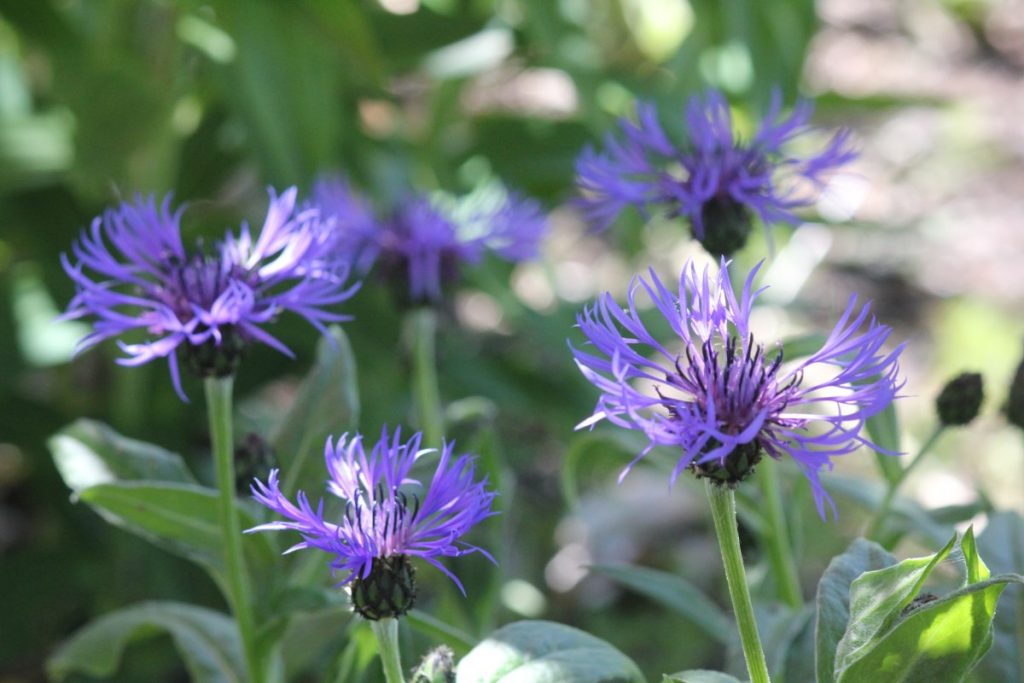
Bachelor’s buttons do best with a late July planting in most areas, timed for a fall bloom once the weather cools slightly. They take about 65 to 70 days to flower and don’t ask for much beyond well-draining soil.
29. Black-Eyed Susan
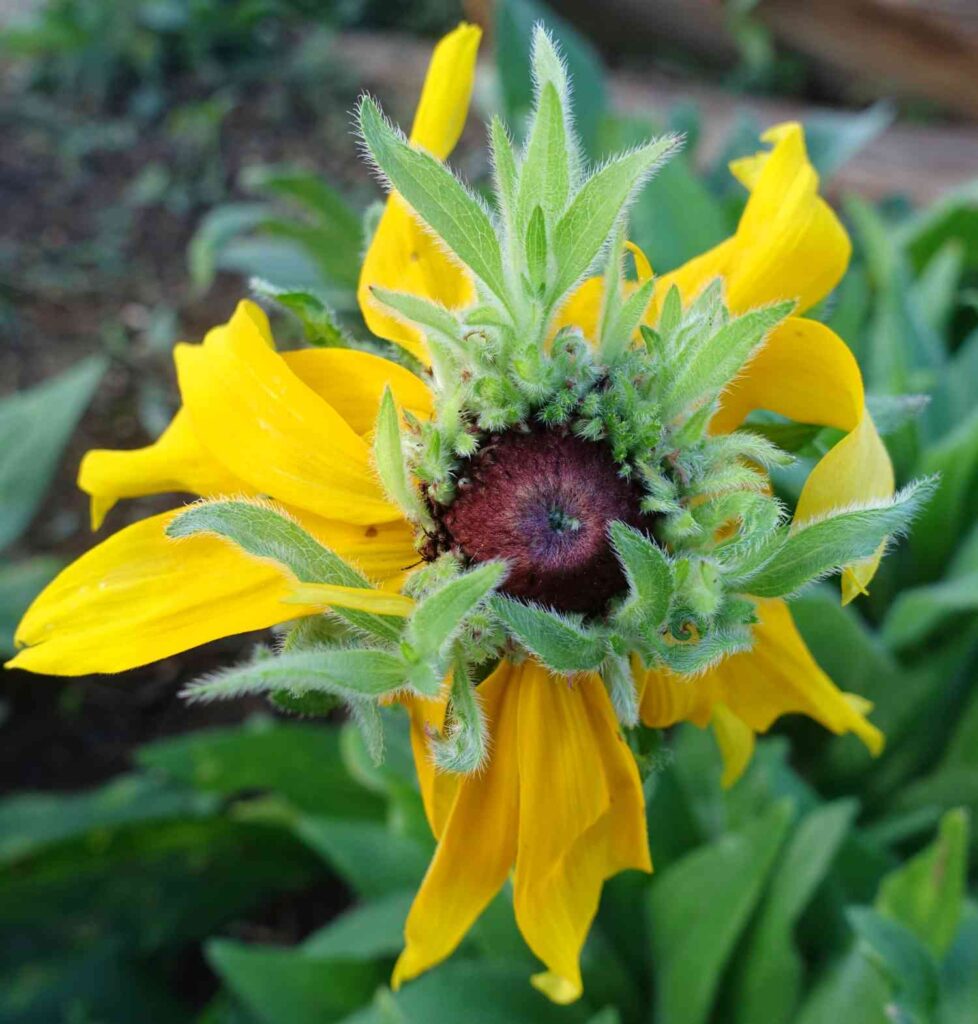
Black-eyed Susans are tough, cheerful bloomers that handle summer heat without complaint, flowering in about 65 to 70 days. They’re a great pick if you want reliable color that keeps going well into fall.
July Planting Tips for Better Harvests
A few small habits can make a big difference in how well your July garden performs.
Water deeply rather than often. Frequent shallow watering encourages roots to stay near the surface, where they dry out fast in summer heat. A deep soak a few times a week builds stronger, more resilient plants.
Time your planting for early morning or evening. Putting seeds or seedlings in the ground during the cooler parts of the day reduces stress and helps them settle in without wilting.
Keep an eye on pests. Summer heat brings out more insects, so check your plants regularly and deal with problems early before they spread.
Don’t skip succession planting. Since many July crops mature quickly, you can often fit in a second round before fall, especially with radishes, lettuce, and greens.
Conclusion
July might not be the season most gardeners think to start something new, but as you can see, it’s far from too late. With the right vegetables and flowers, this can be one of the most rewarding stretches of your gardening year.
So instead of reaching for your phone during these warm afternoons, grab your trowel. A little effort now means a garden full of color and fresh harvests well into fall.


Khaja Moinuddin, a computer science graduate, finds joy in gardening and homesteading. Join him on this blog as he shares his experiences in homesteading, gardening, and composting