If your region gets really hot during summer, your garden soil can dry out fast, making it hard for plants to survive. Without enough water, plants start to struggle and it feels like a losing battle.
I learned this the hard way after losing half my garden to one brutal July. That summer taught me that watering harder isn’t the answer. The real fix is picking plants that don’t need constant water to survive.
That’s where drought tolerant vegetables come in. These plants grow deep roots, hold onto moisture, and keep producing even when you miss a few waterings.
In this list, you’ll find 55 vegetables that thrive in dry, hot conditions and still give you a good harvest by the end of summer.
Quick Answer
Some vegetables handle drought better than the rest of the pack.
Okra, sweet potatoes, and cowpeas top that list, thriving in heat and dry soil where other crops would give up. These three barely need extra watering once they’re established.
Black-eyed peas and chickpeas are right up there too, both bred for hot, dry climates and actually doing better without constant moisture.
Amaranth and Malabar spinach round out the leafy side, holding onto water in their thick leaves and stems even during long dry spells.
Jerusalem artichoke might be the toughest of them all. It grows like a weed with almost no care, storing everything it needs underground and rewarding you with a solid harvest even in the driest summers.
What Makes a Vegetable Drought Tolerant?
Drought tolerant vegetables grow deep roots that dig down to find water most plants can’t reach. This lets them pull moisture from way below the surface, even when the top soil is bone dry.
Many of these plants also have thick or waxy leaves that hold water in and slow down evaporation. That’s why they can go longer between waterings without wilting or showing stress.
Established plants handle drought much better than young seedlings, since their root systems are already deep and strong. A new seedling hasn’t built that root base yet, so it needs regular water until it gets settled in.
Important: Drought-tolerant vegetables don’t mean they can grow without water. They simply need less water than most vegetables and can handle short dry spells once established.
Tips for Growing Vegetables with Less Water
- Water deeply once or twice a week instead of a little every day, so moisture soaks down and encourages roots to grow deep instead of staying near the surface.
- Water early in the morning before the heat sets in, since this gives roots time to soak it up before the sun burns it off.
- Pile on a thick layer of mulch and mix compost into your soil, because mulch locks in moisture and compost helps soil hold water longer between waterings.
- Space your plants properly, switch to drip irrigation or soaker hoses instead of overhead watering, avoid disturbing roots when you weed or dig nearby, and give young seedlings some shade during heat waves until they get strong enough to handle full sun.
55 Drought Tolerant Vegetables to Grow
Not every vegetable throws in the towel when the heat hits and the rain stops coming. A surprising number of crops are built for dry weather and keep growing just fine on way less water than you’d think.
Some send their roots deep down to find moisture hiding below the surface. Others grow thick leaves or tough stems that help them hang onto every drop they get.
1. Amaranth
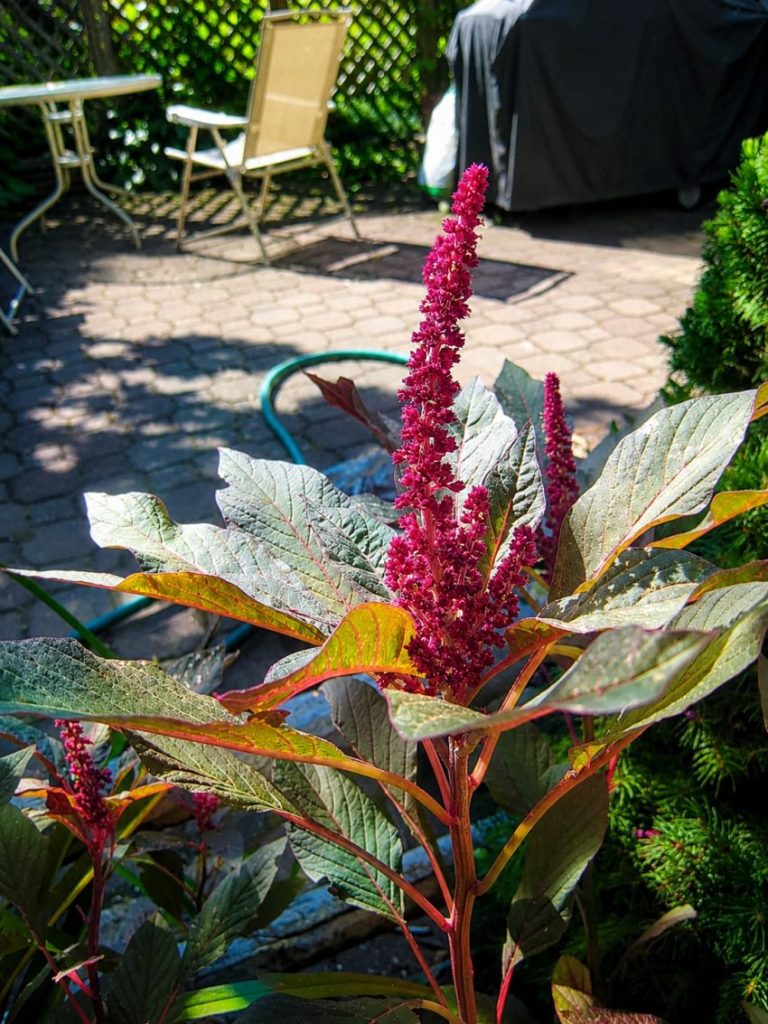
Amaranth grows deep roots and thrives in poor, dry soil without much fuss. Let the soil dry out between waterings and you’ll be harvesting tender leaves or grain heads within a couple months.
2. Artichoke
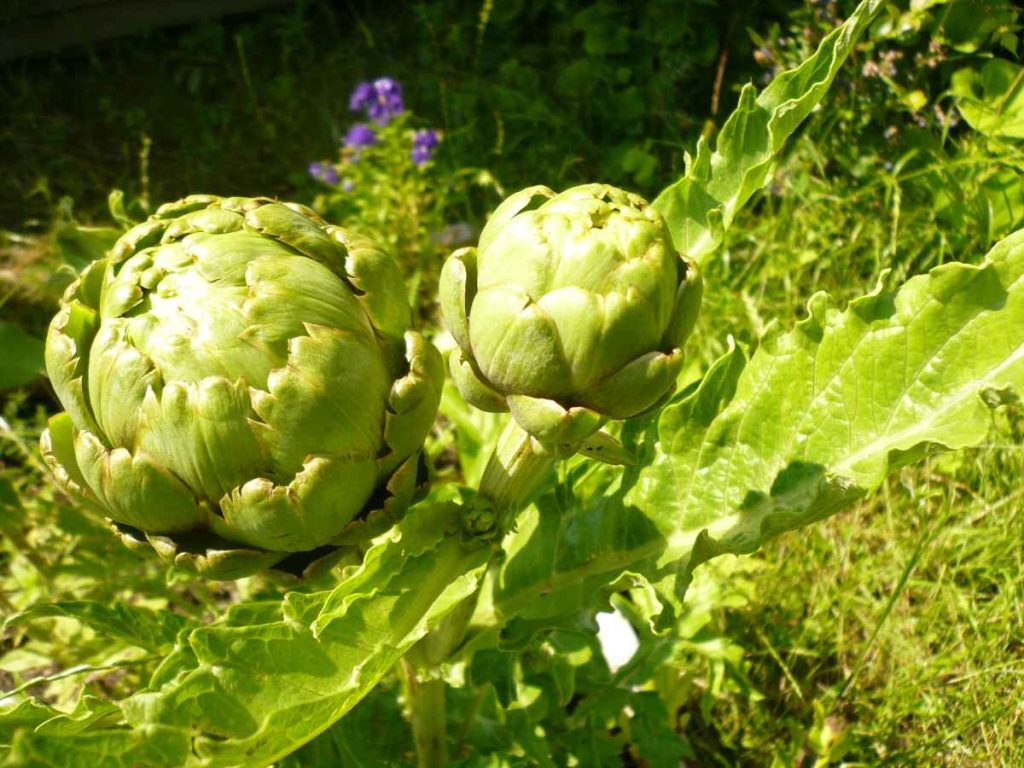
Artichokes send down a thick taproot that keeps them going through long dry spells once established. Give them room to grow and you’ll get big edible buds year after year in the right climate.
3. Asparagus
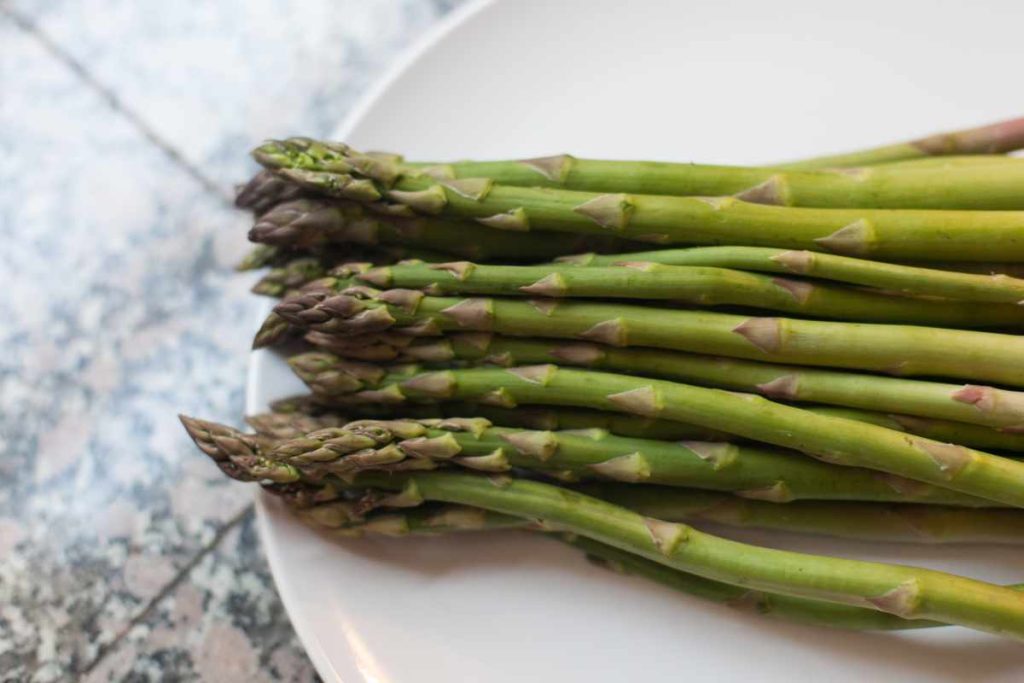
Asparagus builds a deep, sprawling root system that stores water and nutrients for years. Plant it once and be patient, since it takes a couple seasons before you get a real harvest, but after that it keeps coming back every spring.
4. Bush Beans
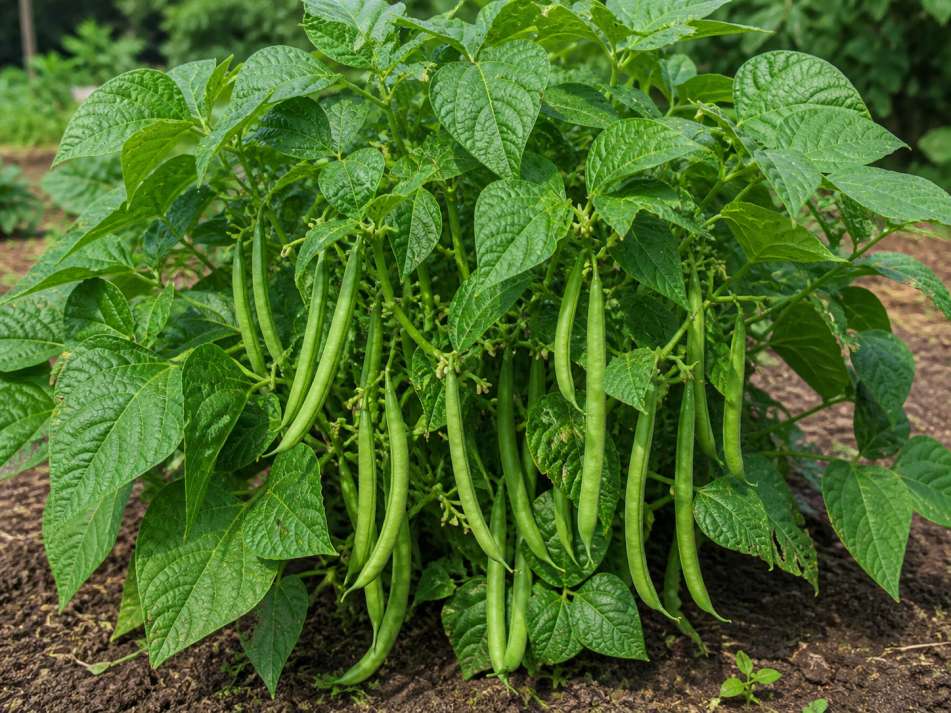
Bush beans handle dry stretches well once their roots settle in, though they still like a deep drink now and then. Plant them close together to shade the soil, and you’ll be picking pods in about two months.
5. Pole Beans
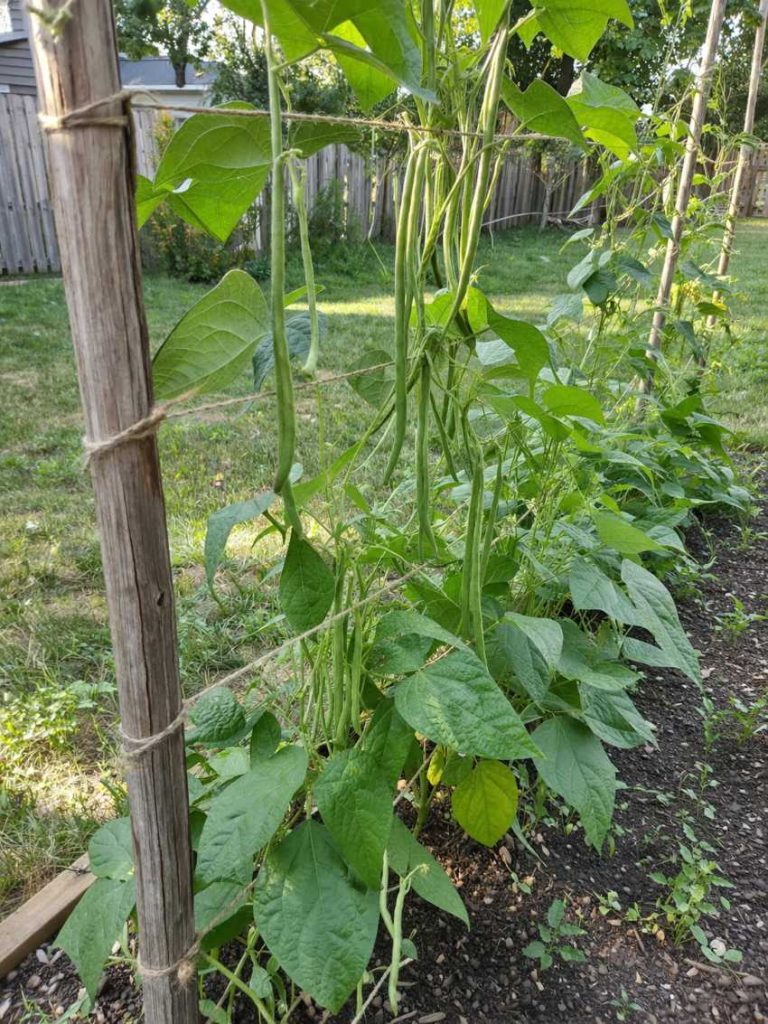
Pole beans grow deep roots that help them ride out dry spells better than most vining crops. Give them a trellis to climb, and you’ll get a steady harvest that keeps going through the season.
Also Read: 19 Vegetables to Plant in August for Fall Harvest
6. Black-Eyed Peas
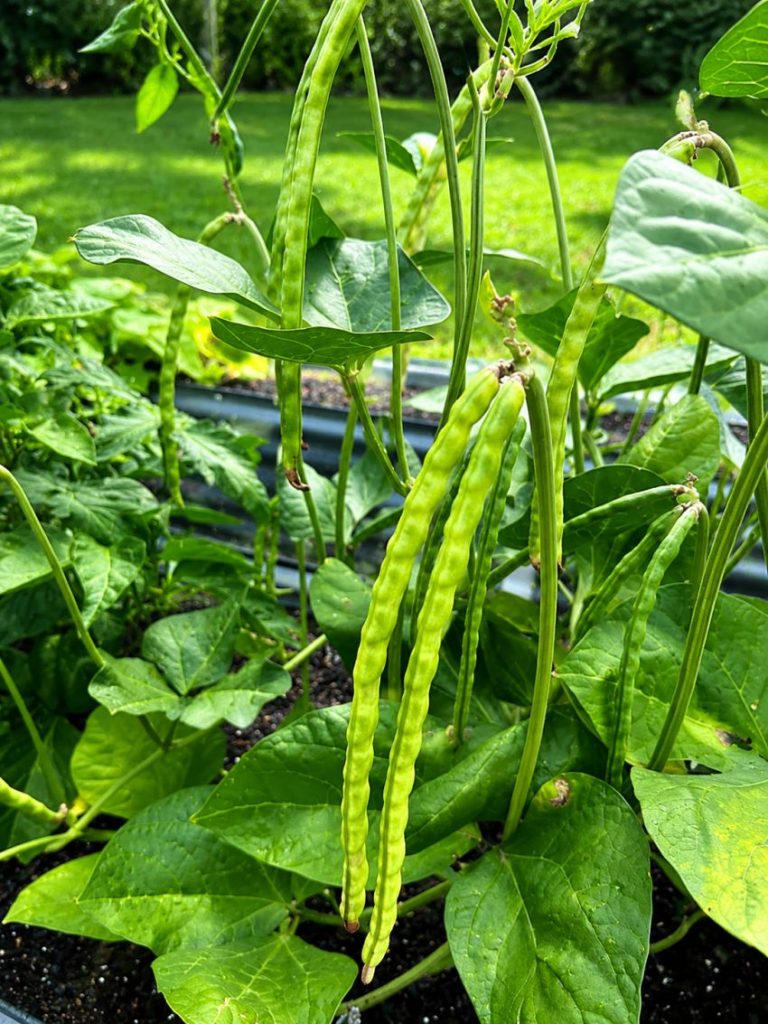
Black-eyed peas are tough legumes that actually prefer hot, dry conditions over damp soil. Plant them after the last frost and they’ll reward you with pods all summer long with very little watering.
7. Beetroot

Beets grow a sturdy taproot that pulls moisture from deep in the soil, so they handle dry spells better than most root crops. Keep the soil loose and you’ll pull up sweet roots in about two months.
8. Cardoon
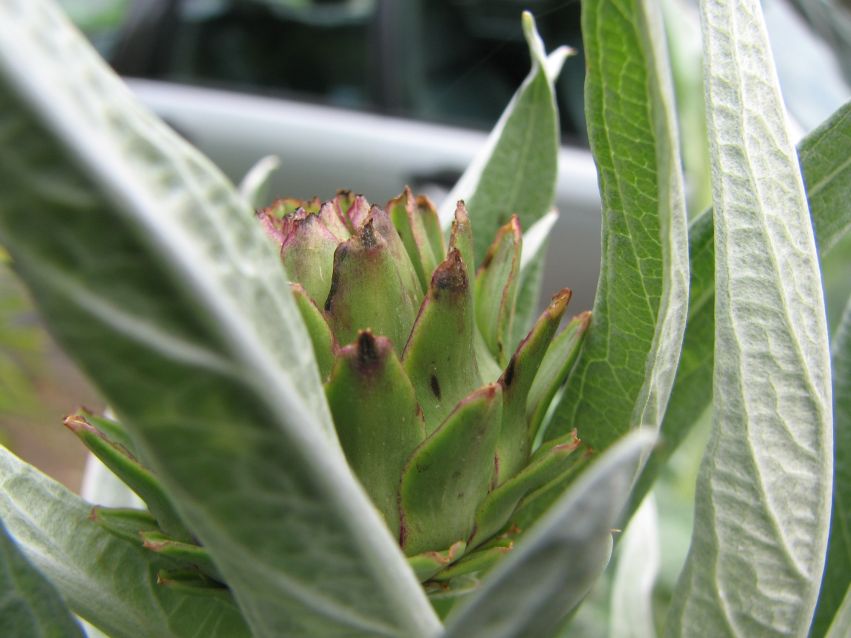
Cardoon is a tough, thistle-like plant with deep roots that laugh off dry soil once it’s established. Give it plenty of space, and you’ll be harvesting its crunchy stalks by late summer or fall.
Also Read: 13 Best Vegetables to Plant in Summer
9. Carrot

Carrots grow a long taproot that digs down for moisture, which helps them handle short dry spells fairly well. Keep the soil loose and deep, and you’ll be pulling up sweet roots in about ten weeks.
10. Chickpeas
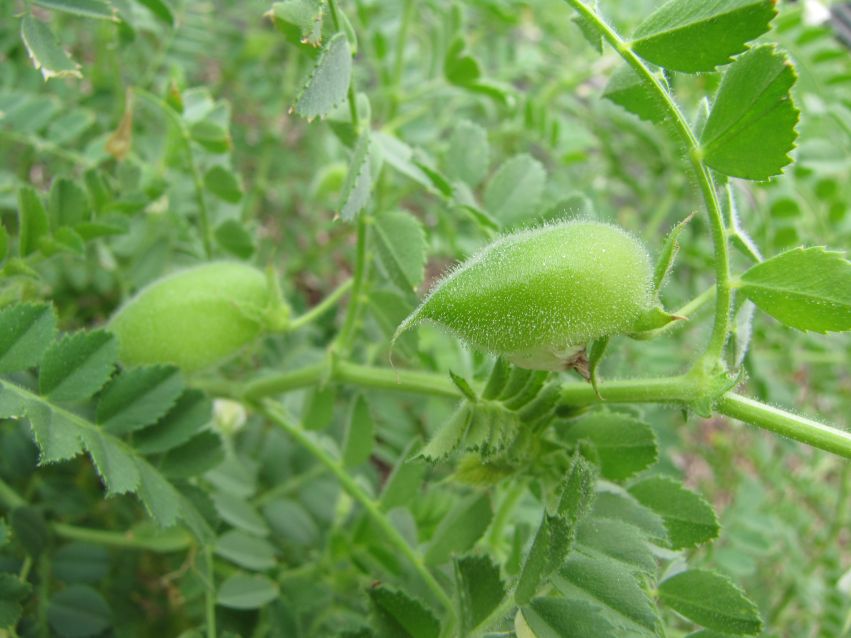
Chickpeas grow a deep taproot and actually do better in dry conditions than in soggy soil. Plant them once the weather warms up and you’ll be harvesting pods in about three to four months.
11. Chili Peppers
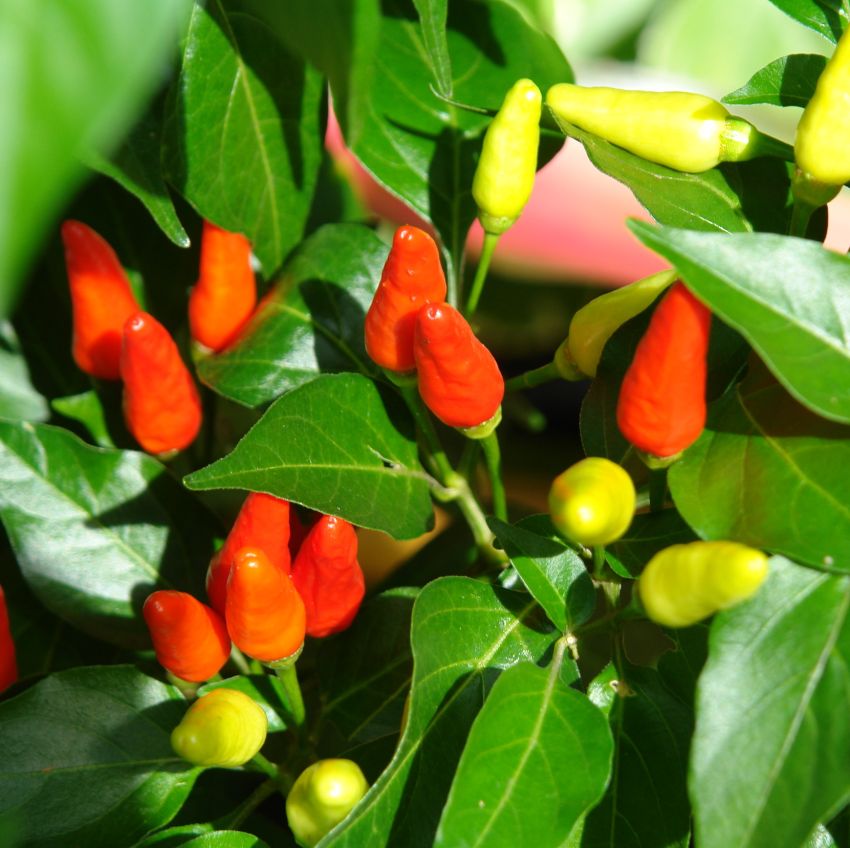
Chili peppers handle heat and dry spells well thanks to their deep roots and waxy leaves that hold onto moisture. Let the soil dry out a bit between waterings and you’ll get spicier, more flavorful peppers by late summer.
12. Cowpeas
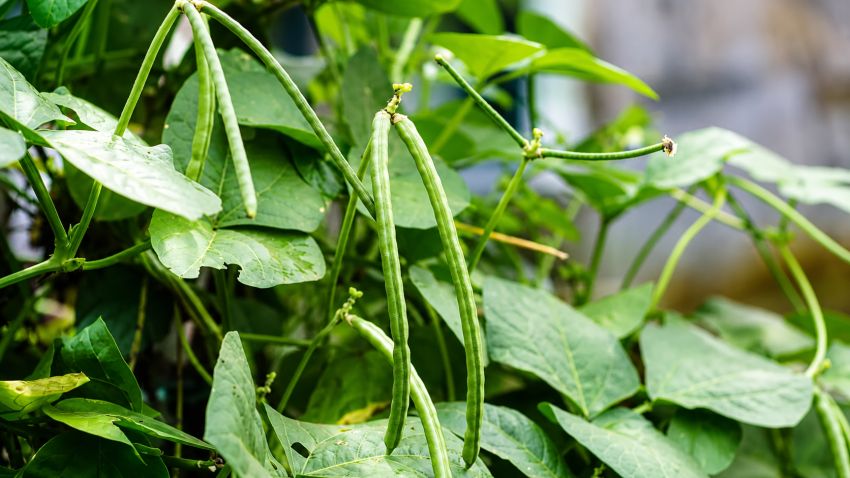
Cowpeas are bred for hot, dry climates and actually struggle more in wet soil than dry. Toss them in after the weather warms up and you’ll have a steady crop of pods with minimal watering.
Also Read: 17 Best Vegetables that Grow on Trellis
13. Dry Beans
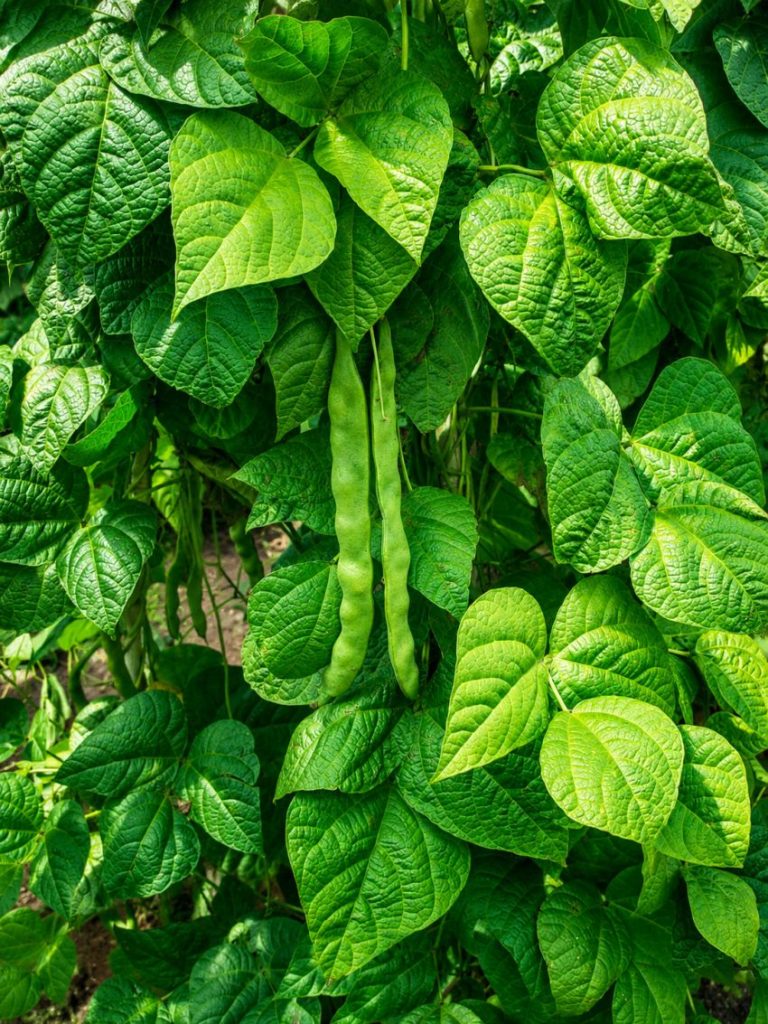
Dry beans grow much like bush beans but are left on the plant longer to mature and dry out fully. They need less water in their final weeks, so easing up as the pods dry actually helps the harvest.
14. Eggplant

Eggplant has deep roots and broad leaves that help it push through dry, hot stretches once it’s established. Mulch around the base well and you’ll be picking glossy fruits from midsummer into fall.
15. Fava Beans
Fava beans grow a deep root system early on, which helps them push through dry periods once they’re established. Plant them in cooler weather and you’ll be shelling pods before the real summer heat sets in.
16. Garlic

Garlic grows a shallow but efficient root system and stores energy in its bulb, so it handles dry spells better than most alliums. Plant the cloves in fall and you’ll be pulling up flavorful bulbs by early summer.
17. Globe Artichoke
Globe artichoke sends down a deep taproot that helps it shrug off dry, hot weather once it’s settled in. Give it space and a bit of patience, and you’ll be harvesting tender buds year after year.
18. Jerusalem Artichoke (Sunchoke)
Sunchokes are tough, deep-rooted tubers that practically grow wild once you plant them, needing very little water to thrive. Dig them up after the first frost and you’ll have a hearty harvest of nutty, crunchy tubers.
19. Kale
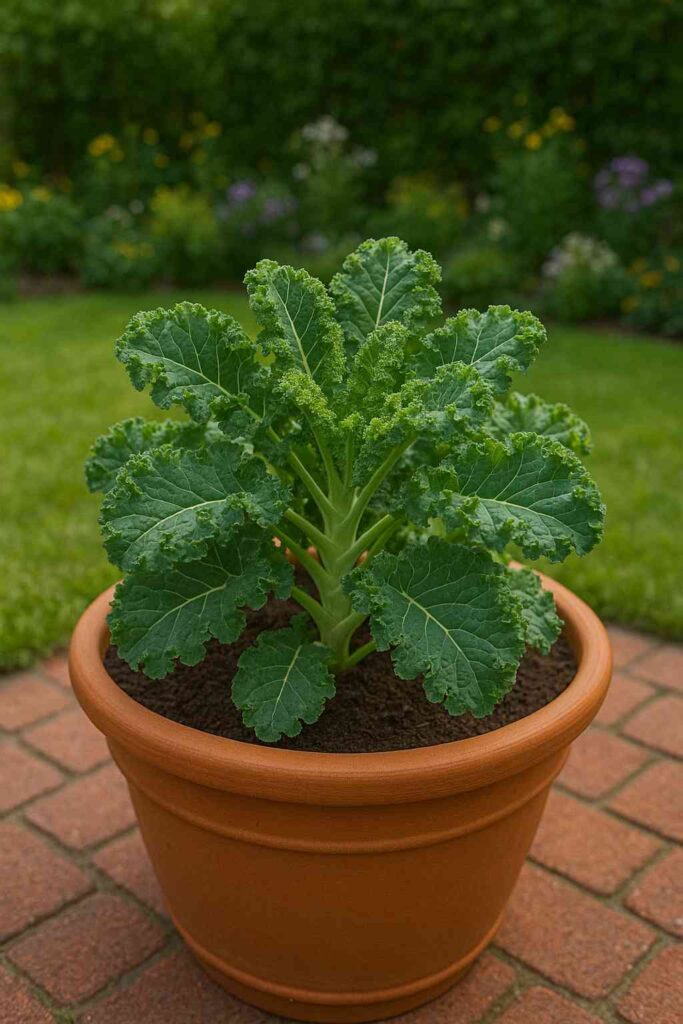
Kale has thick, sturdy leaves that hold onto moisture better than most greens, helping it push through dry spells. Keep picking the outer leaves and the plant will keep producing for months.
20. Komatsuna (Mustard Spinach)
Komatsuna grows fast and tolerates dry soil better than many leafy greens, thanks to its tough, mustard-like leaves. Harvest the outer leaves as needed and you’ll have fresh greens ready in just a few weeks.
21. Leeks
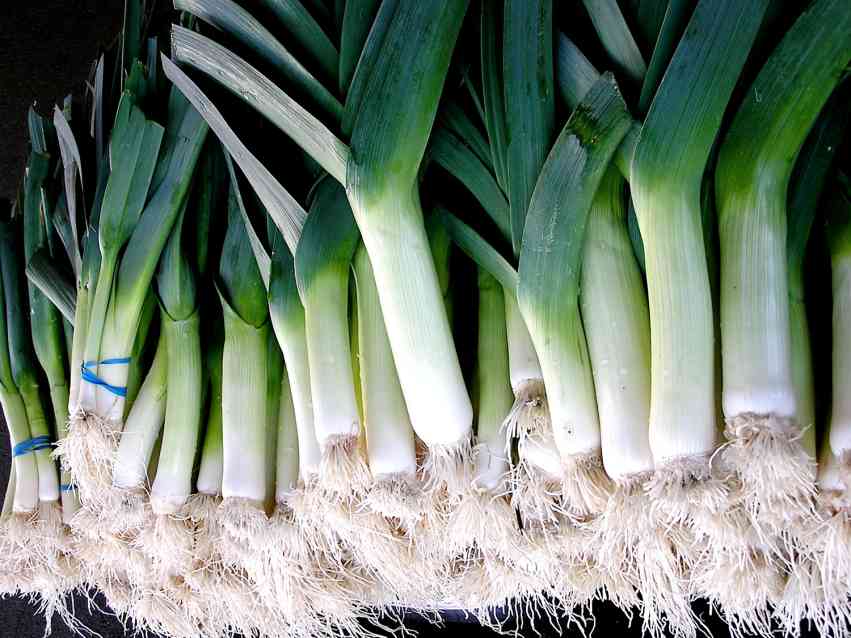
Leeks grow a steady root system that lets them handle dry stretches better than onions once they’re established. Give them a slow, deep watering every so often and you’ll have thick, flavorful stalks by fall.
22. Malabar Spinach
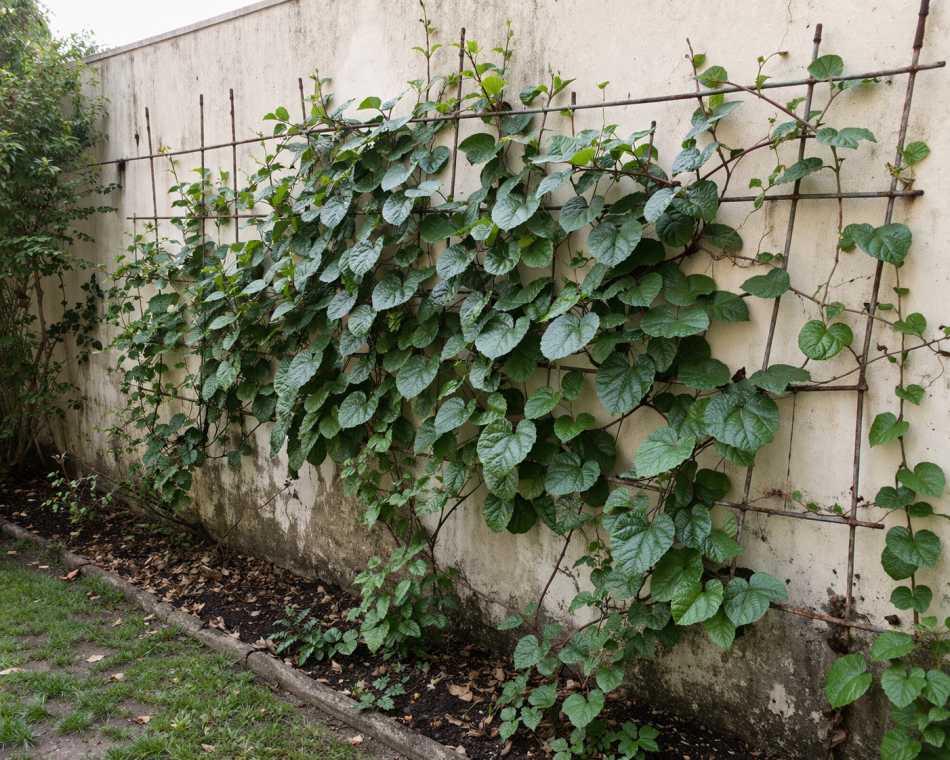
Malabar spinach is a heat-loving vine with thick, fleshy leaves that hold onto water well in dry conditions. Let it climb a trellis and you’ll be harvesting tender leaves all summer long.
23. Muskmelon (Cantaloupe)
Muskmelon vines send roots deep into the soil and handle dry spells well once they’re established and vining out. Cut back on water as the fruit ripens and you’ll get sweeter, more flavorful melons by late summer.
24. Mustard Greens
Mustard greens grow fast and handle dry soil better than most tender greens thanks to their tough, peppery leaves. Sow them thick and start harvesting outer leaves within a month.
25. New Zealand Spinach
New Zealand spinach has thick, fleshy leaves built to survive hot, dry conditions far better than regular spinach. Let it sprawl across the ground and you’ll be picking leaves all summer without much fuss.
Check this: 8 Vegetables to Plant in November
26. Okra
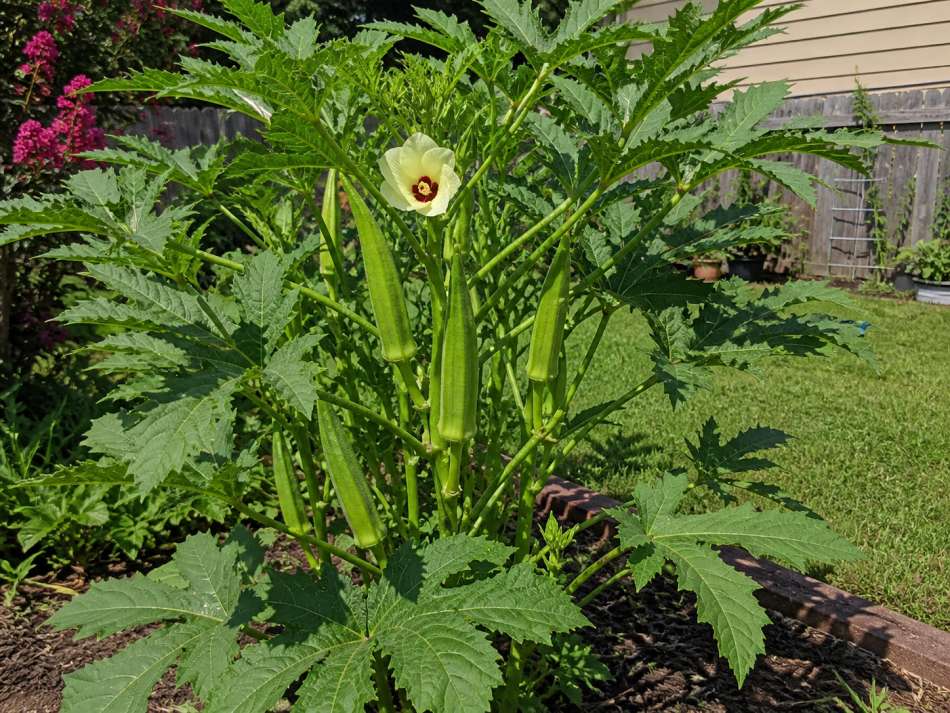
Okra is practically made for heat and dry soil, growing deep roots that shrug off long dry spells with ease. Keep picking the pods every couple days and the plant will keep producing right through the hottest part of summer.
27. Onion

Onions have a shallow root system, but their bulbs store enough moisture to help them ride out short dry spells once established. Keep the soil consistent early on, and you’ll be pulling up bulbs by mid to late summer.
28. Orach (Mountain Spinach)
Orach is a tough, drought-hardy green with deep roots that let it thrive in hot, dry soil where regular spinach would wilt. Harvest the leaves young and often, and it’ll keep producing right through summer heat.
29. Parsnip

Parsnips grow a long taproot that digs deep for moisture, helping them handle dry spells much like carrots do. Leave the soil loose and deep, and you’ll be digging up sweet roots by fall.
30. Peanuts
Peanuts are surprisingly drought tolerant, with deep roots and a natural preference for warm, dry growing conditions. Give them a long, hot season and you’ll be digging up a solid harvest by early fall.
31. Pinto Beans
Pinto beans grow much like other dry beans, with deep roots that help them handle hot, dry stretches once established. Let the pods dry fully on the plant before harvesting for that classic pinto bean texture.
32. Poblano Peppers
Poblano peppers have deep roots and thick leaves that help them handle dry heat better than many other pepper varieties. Let the soil dry out between waterings and you’ll get a steady crop of mild, meaty peppers.
33. Bell Peppers

Bell peppers hold up to dry spells reasonably well once established, thanks to their deep roots and sturdy stems. Mulch around the base to lock in moisture and you’ll get crisp, colorful peppers through summer.
34. Potato
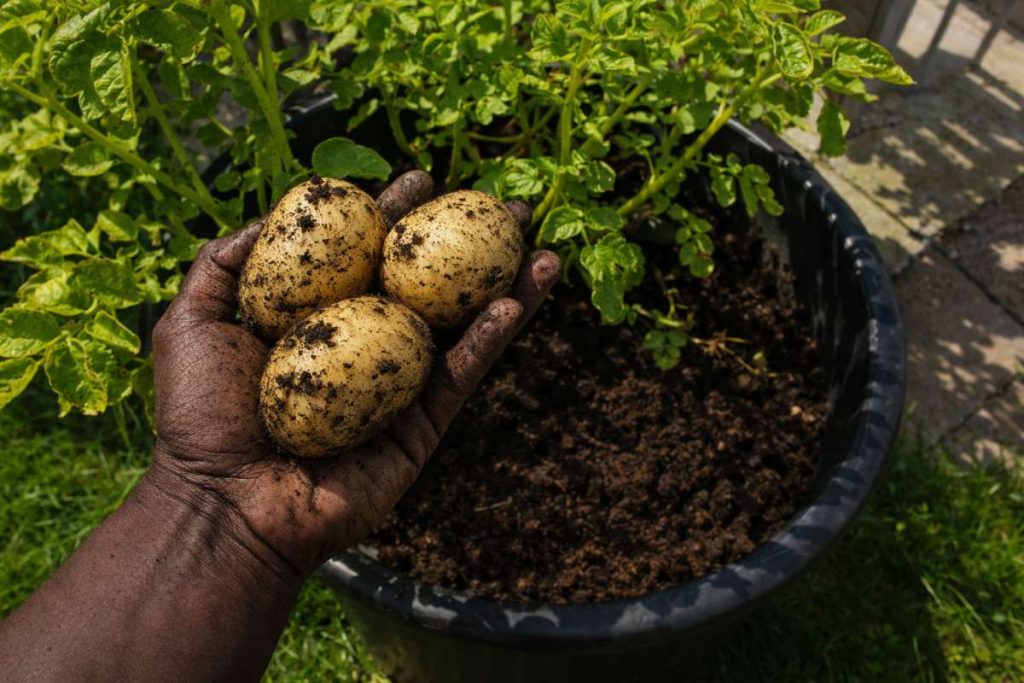
Potatoes grow a network of roots that reach for moisture underground, helping them handle short dry spells fairly well. Hill the soil up around the stems as they grow and you’ll be digging up tubers in a few months.
35. Pumpkin
Pumpkin vines send roots deep into the soil and have broad leaves that shade the ground, helping them handle dry stretches once established. Give them plenty of space to sprawl and you’ll be harvesting big orange pumpkins by fall.
36. Purslane
Purslane is about as tough as vegetables get, with thick, water-storing leaves that let it thrive in hot, dry, neglected soil. Let it spread along the ground and you’ll have a steady supply of tangy, crunchy leaves all summer.
37. Radish
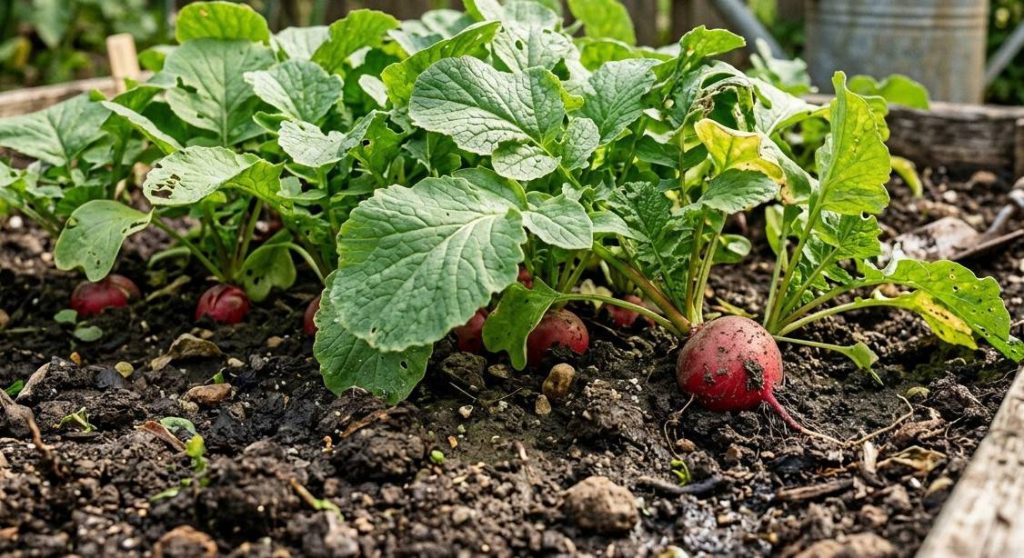
Radishes grow fast and don’t need much water to size up, though a bit of consistent moisture keeps them from turning woody. Sow them every couple weeks and you’ll have crisp roots ready in under a month.
38. Rutabaga
Rutabagas grow a sturdy root that stores moisture well, helping them handle dry spells better than many other root crops. Give them loose, deep soil and you’ll be harvesting hearty roots by fall.
39. Shallots
Shallots grow much like garlic, storing energy in their bulbs so they handle dry stretches better than many alliums. Plant the cloves in well-drained soil and you’ll be pulling up flavorful bulbs by early summer.
40. Sorrel
Sorrel is a hardy perennial with deep roots that keep it going through dry spells year after year. Harvest the tangy leaves as needed and the plant will keep coming back with very little care.
41. Southern Peas
Southern peas are bred for hot, dry climates and actually thrive in conditions that would stress out most other legumes. Plant them once the soil warms up and you’ll have a steady harvest of pods through the heat of summer.
Check this: 18 Vegetables to Plant in September
42. Sweet Potato
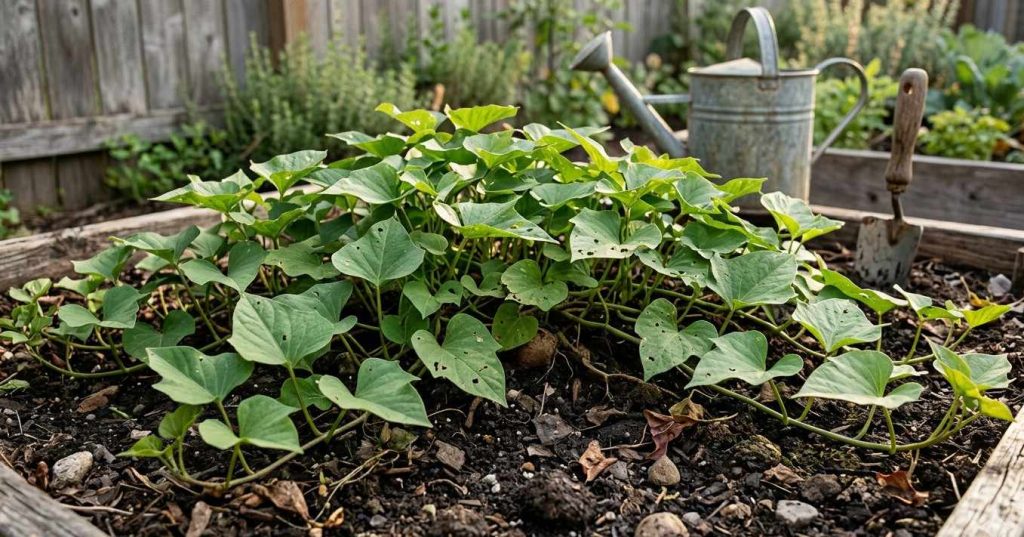
Sweet potatoes have deep, sprawling roots and thick vines that hold onto moisture well, making them one of the toughest crops in dry heat. Let the vines spread and you’ll be digging up sweet, hearty tubers by fall.
43. Swiss Chard
Swiss chard has thick, waxy leaves and sturdy stems that help it hold onto moisture better than most greens. Cut the outer leaves as you need them and the plant keeps producing right through the heat.
44. Tomatillo
Tomatillos grow deep roots and thrive in warm, dry conditions, often producing better flavor with less frequent watering. Let the papery husks fill out fully and you’ll be harvesting tangy fruit all summer.
45. Tomato
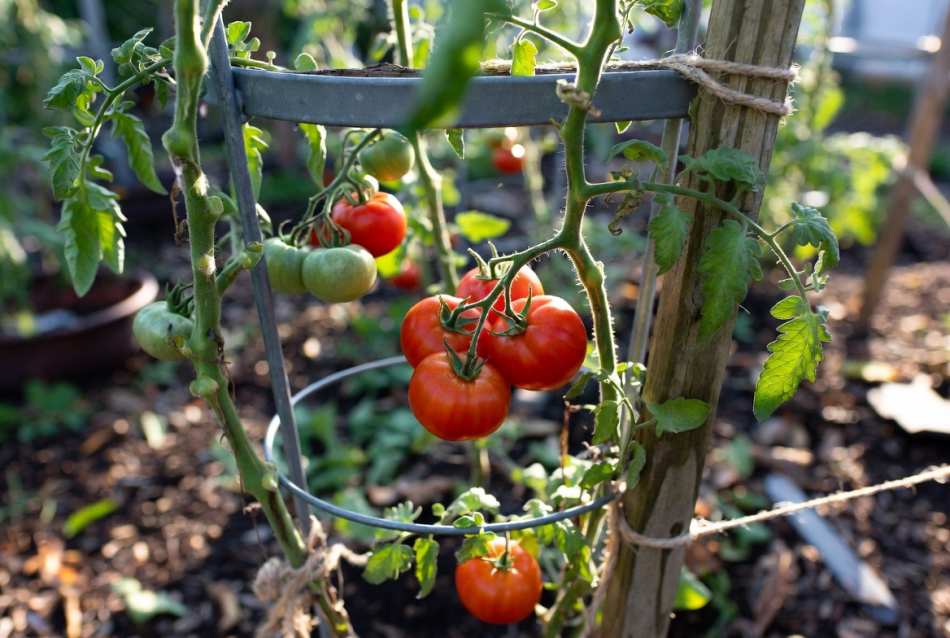
Tomatoes handle dry spells reasonably well once their roots are established, especially with a deep watering routine instead of daily sprinkles. Mulch heavily around the base and you’ll get a steady harvest of ripe tomatoes through summer.
46. Turnip

Turnips grow a quick, sturdy root that doesn’t demand much water once it gets going. Keep the soil loose and you’ll be pulling up tender roots in about six weeks.
47. Watermelon
Watermelon vines send roots deep into the soil and store water in their thick stems, helping them handle dry stretches once established. Ease up on water as the fruit ripens and you’ll get sweeter melons by late summer.
48. Winter Squash
Winter squash vines grow deep roots and broad leaves that shade the soil, helping them push through dry spells with ease. Let them sprawl out and you’ll be harvesting hard-shelled squash by early fall.
49. Yardlong Beans
Yardlong beans are bred for hot, humid climates but handle dry spells surprisingly well thanks to their deep root systems. Give them a trellis to climb and you’ll be picking long, tender pods all summer.
50. Yellow Summer Squash
Yellow summer squash has broad leaves and a fast-growing habit that helps it tolerate dry spells once it’s established. Keep picking the fruit young and often, and the plant will keep producing right through summer.
51. Zucchini

Zucchini grows fast with broad leaves that shade the soil and roots that dig deep for moisture, helping it push through dry spells. Keep picking the fruit regularly and you’ll get a steady harvest right through summer.
52. Armenian Cucumber
Armenian cucumbers handle dry heat far better than regular cucumbers, thanks to deeper roots and a vining habit built for warm climates. Give them a trellis to climb and you’ll be harvesting long, mild fruit through the hottest part of summer.
53. Luffa
Luffa vines are tough and heat loving, with deep roots that let them handle dry stretches most vining crops can’t. Let them climb a sturdy trellis and you’ll get fibrous gourds ready for harvest by fall.
54. Bottle Gourd (Calabash)
Bottle gourd vines grow deep roots and thrive in hot, dry conditions, making them a reliable choice for tough summers. Give them room to climb or sprawl and you’ll be harvesting large gourds by late summer.
55. Acorn Squash
Acorn squash vines grow deep roots and broad leaves that shade the soil, helping them handle dry spells once they’re established. Let them sprawl out and you’ll be harvesting sweet, ribbed squash by early fall.
Conclusion
Growing vegetables in dry, hot conditions doesn’t have to mean constant watering and crossed fingers. Once you pick the right crops and give them a strong start, most of these plants take dry spells in stride and keep producing all season long.
Start with a few from this list based on what your climate throws at you each summer. Build up your soil with compost, mulch heavily, and water deeply instead of daily. Do that, and you’ll spend less time worrying about your garden and more time enjoying what it gives back.


Khaja Moinuddin, a computer science graduate, finds joy in gardening and homesteading. Join him on this blog as he shares his experiences in homesteading, gardening, and composting