Can chickens handle heat like humans?
Unlike people, chickens do not have sweat glands to help cool their bodies. Instead, they try to release heat by holding their wings away from their sides and panting heavily. During hot weather, it’s also common to notice birds eating less while drinking much more water than usual.
If you don’t care, then your flocks can experience dangerous heat exhaustion and which may even lead to death.
Before jumping into how to keep chickens cool, it helps to first understand how much heat chickens can actually tolerate.
How Hot is Too Hot for Chickens?
Chickens are usually comfortable when temperatures stay between 65°F and 75°F. Once the weather starts climbing above 85°F, many birds begin showing signs of heat stress, especially heavy breeds, older hens, and fluffy chickens with dense feathers.
High humidity can make the situation even worse because it becomes harder for birds to release body heat through panting.
When temperatures reach 90°F and above, chickens can quickly become uncomfortable without proper shade, airflow, and cool water.
You may notice birds holding their wings away from their bodies, breathing heavily, or avoiding activity during the hottest parts of the day. Egg production often drops as the flock tries to conserve energy and stay cool.
Extreme heat above 100°F can become dangerous or even deadly if chickens do not have protection from the sun.
Heat exhaustion may develop surprisingly fast inside poorly ventilated coops or crowded runs. Providing constant access to fresh water, shaded areas, and good airflow becomes essential during severe summer temperatures.
Signs of Heat Stress in Chickens
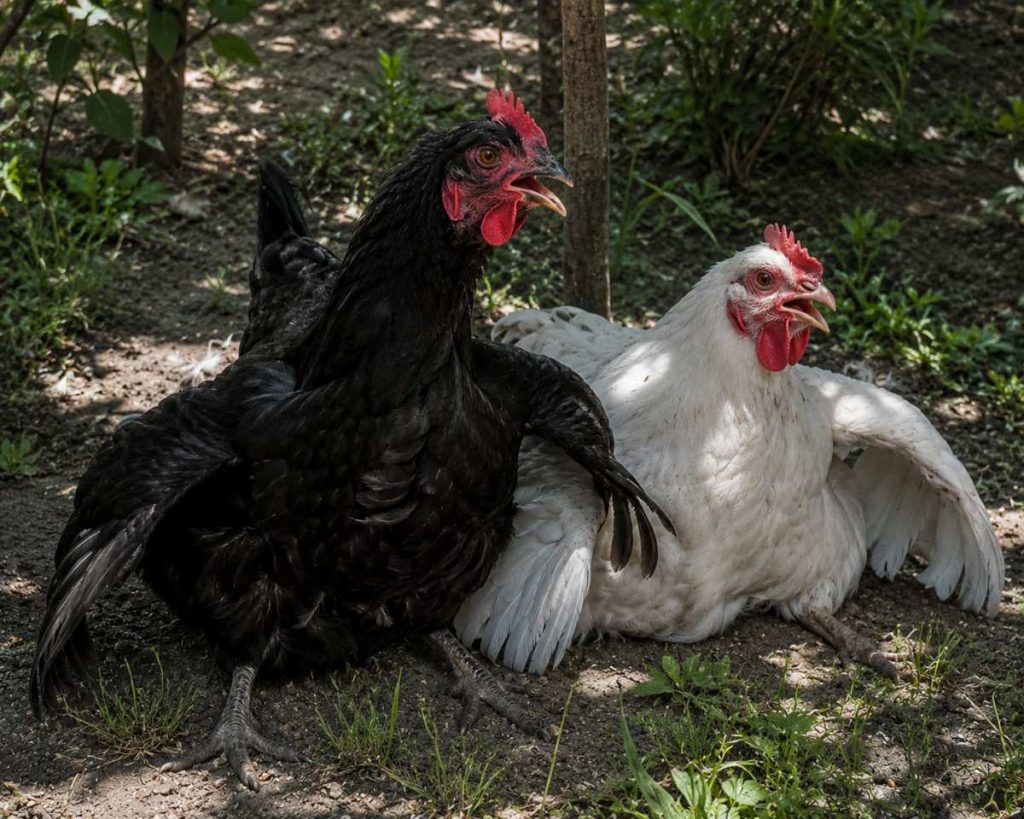
- Heavy panting or open-mouth breathing
- Wings held away from the body
- Reduced appetite
- Increased water consumption
- Lethargic or weak behavior
- Pale combs and wattles
- Drooping wings
- Decreased egg production
- Gathering in shaded areas
- Diarrhea or loose droppings
Chickens often begin showing early signs of heat stress long before temperatures become truly dangerous. Birds may stop scratching around the yard, avoid direct sunlight, and spend more time sitting quietly in shaded spots.
Since chickens cannot sweat, panting becomes their primary way to cool themselves, which also causes them to lose moisture much faster during hot weather.
If the heat continues, symptoms can become more serious and may quickly turn into heat exhaustion. Some chickens may appear disoriented, struggle to stand, or collapse entirely in extreme temperatures.
Paying attention to these warning signs early allows flock owners to step in before the situation becomes life-threatening.
12 Ways to Keep Your Chickens Cool in the Summer
1. Give Chickens Plenty of Fresh Water

Chickens lose a lot of moisture during hot weather because they cool themselves by panting. That is why fresh, cool water becomes extremely important in summer. Birds that do not drink enough water can become weak and overheated very quickly.
Check water containers several times a day because the sun can heat the water fast. It also helps to place waterers in shaded spots so the water stays cooler for longer.
2. Provide Plenty of Shade
Shade gives chickens a place to escape the harsh summer sun and cool down naturally. Without protection from direct sunlight, birds can become stressed very quickly, especially during the afternoon when temperatures are highest.
Trees, tarps, umbrellas, or shade cloth can all help create cooler areas around the coop and run. Even a simple shaded corner can make a big difference in keeping your flock comfortable during hot weather.
3. Improve Coop Ventilation
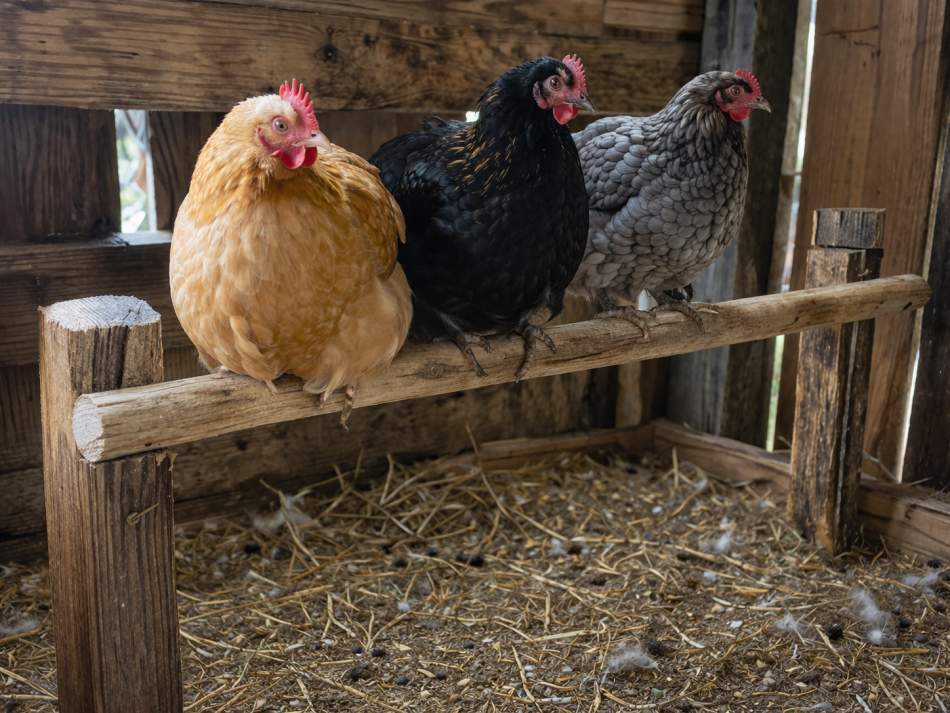
A hot, stuffy coop can trap heat and make chickens uncomfortable very fast. Good ventilation allows fresh air to move through the coop and helps remove warm air, moisture, and odors.
Open windows, vents, or doors safely during the day to improve airflow. In very hot climates, some chicken keepers also use fans to keep air moving and help the coop stay cooler.
4. Offer Cooling Summer Treats
Cold fruits and vegetables can help chickens stay hydrated while also giving them relief from the heat. Many birds enjoy treats like watermelon, cucumber, lettuce, and frozen peas during summer.
These snacks contain extra water, which helps chickens cool down naturally. Giving chilled treats in the afternoon can also encourage birds to eat when the heat lowers their appetite.
5. Avoid Overcrowding

Too many chickens in a small space can make the coop much hotter during summer. Crowded birds create extra body heat and reduce airflow, making it harder for everyone to stay cool.
Giving chickens enough room to spread out helps lower stress and keeps air moving around the flock. A spacious coop and run can make a big difference during extreme heat.
6. Keep the Coop Clean and Dry
Dirty or wet bedding can trap heat and create extra humidity inside the coop. This makes the space feel hotter and more uncomfortable for chickens during summer.
Clean the coop regularly and replace damp bedding when needed. A dry, fresh coop usually stays cooler and helps reduce odors and flies in hot weather.
7. Use Frozen Water Bottles or Ice
Frozen water bottles can give chickens a cool place to rest during very hot days. Simply freeze a few bottles of water and place them in shaded areas around the coop or run.
Some chickens will sit beside the bottles to cool their bodies naturally. You can also add a little ice to drinking water to help keep it cooler for longer in extreme heat.
8. Let Chickens Take Dust Baths

Dust baths help chickens stay comfortable and care for their feathers naturally. During hot weather, birds often dig shallow holes in cool dirt and relax there to escape the heat.
Providing loose soil, sand, or dry dirt in a shaded area gives chickens a cooler place to rest. Many birds will spend extra time dust bathing during the hottest days of summer.
Check this: 14 DIY Roosting Bars for Chickens
9. Feed Chickens During Cooler Hours
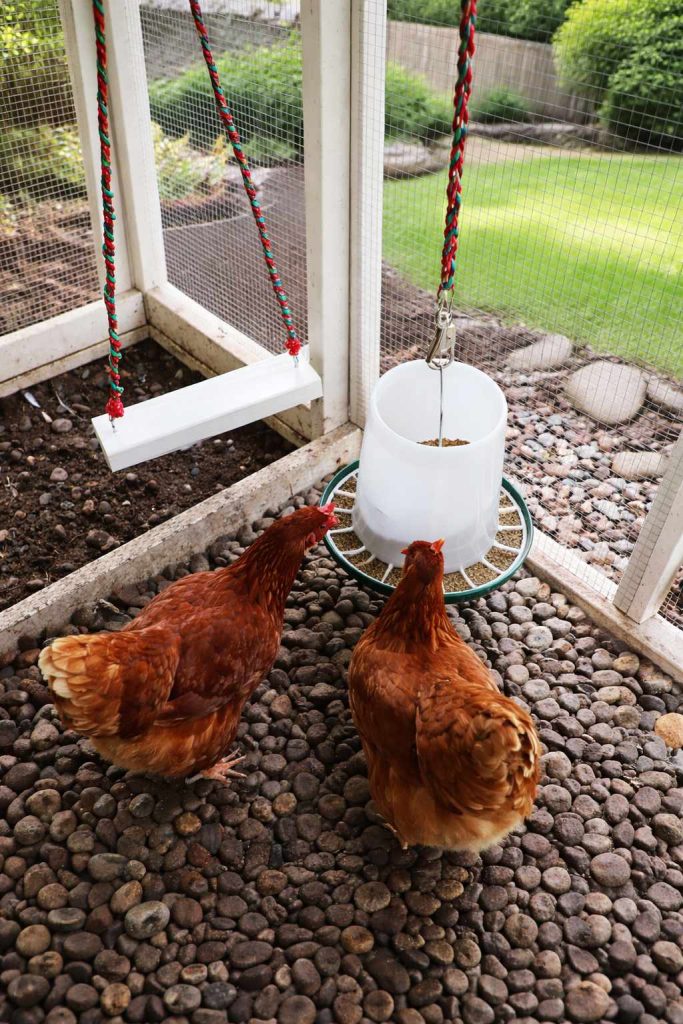
Chickens often eat less during the hottest part of the day because heat can reduce their appetite. Feeding them early in the morning or later in the evening helps birds eat more comfortably when temperatures are lower.
Avoid giving large meals during the afternoon heat. Cooler feeding times can help chickens maintain their energy and stay healthier during summer.
10. Add Fans Around the Coop
Fans help improve airflow and move hot air out of the coop during summer. Even a simple outdoor fan can make the area feel much cooler for chickens on extremely hot days.
Place fans safely where birds cannot reach cords or blades. Better air circulation helps reduce heat buildup and keeps the coop more comfortable overall.
11. Provide Cool Places to Rest
During hot weather, chickens naturally search for cooler spots to relax and escape the sun. Many birds will rest under bushes, trees, or shaded corners where the ground feels cooler than exposed areas.
You can make this easier by creating shaded resting spaces around the run. Cool dirt, sand, or grassy areas help chickens stay more comfortable and reduce heat stress during the hottest part of the day.
Also Read: Why Did My Chickens Stop Laying Eggs?
12. Watch Chickens Closely During Heat Waves

Extreme summer temperatures can become dangerous very quickly, especially during heat waves. Checking your flock several times a day helps you notice early signs of heat stress before the situation gets worse.
If a chicken looks weak, pants heavily, or struggles to stand, move it to a cooler shaded area immediately and offer fresh water. Quick action can help prevent serious heat exhaustion during very hot weather.
Best Summer Treats to Keep Chickens Cool
Cooling treats can help chickens stay hydrated and more comfortable during hot weather. Many fruits and vegetables contain extra moisture, which helps birds cool down naturally while still getting small healthy snacks.
Watermelon
Watermelon is one of the best summer treats for chickens because it contains so much water. Most chickens enjoy pecking at the soft fruit, especially on extremely hot afternoons.
You can serve small slices or chunks with the rind still attached. Cold watermelon from the refrigerator can feel even more refreshing during heat waves.
Cucumber
Cucumbers are packed with water and are easy for chickens to eat. They also provide a light snack without being too heavy during hot weather.
Simply slice cucumbers into smaller pieces and place them in a shaded feeding area. Many chickens enjoy pecking at the cool center first.
Frozen Berries
Frozen berries can help cool chickens down while adding a little variety to their diet. Blueberries, strawberries, and raspberries are common favorites for many backyard flocks.
Serve them in small amounts as a treat rather than a full meal. The cold temperature can provide extra relief on very hot days.
Lettuce and Leafy Greens
Leafy greens like lettuce, spinach, and kale contain moisture and can help chickens stay hydrated. Hanging lettuce leaves around the run also gives birds something fun to peck at during the day.
Avoid giving spoiled or wilted greens during summer heat. Fresh vegetables are always the better choice.
Frozen Peas
Frozen peas are small, easy to eat, and naturally cool. Some chicken owners scatter them in shallow trays or cool water so birds can peck and play at the same time.
This simple treat can help encourage activity while also helping chickens cool off a little during warm afternoons.
Also Read: 70 Things Chickens Can Eat & 30 Food Items to Avoid
Emergency Measures for Treating Heat Stroke in Chickens
Heat stroke in chickens can become life-threatening very quickly, especially during extreme summer temperatures. Birds suffering from severe overheating may collapse, struggle to breathe, or become too weak to stand. Acting fast is very important.
Move the Chicken to a Cool Area
Immediately carry the overheated chicken into a shaded, cooler space with good airflow. A garage, covered porch, or air-conditioned room can help lower body temperature more safely than leaving the bird outside in direct heat.
Avoid placing the chicken into ice-cold water because sudden temperature changes can shock the body.
Offer Cool Drinking Water
Give the chicken fresh, cool water right away. Some birds may drink on their own, while weaker chickens may need gentle encouragement.
Electrolytes made for poultry can also help replace minerals lost during heavy panting and dehydration.
Cool the Body Slowly
Lightly wet the chicken’s feet, legs, and comb with cool water to help release heat gradually. You can also place damp towels nearby or use a fan to improve airflow around the bird.
Focus on gentle cooling instead of rapid chilling. Cooling the body too quickly can sometimes create additional stress.
Monitor the Chicken Closely
Watch the chicken carefully for improvement over the next several hours. Birds recovering from heat stroke may still appear weak, tired, or less active even after cooling down.
If the chicken does not improve, continues gasping, or becomes unresponsive, contact a veterinarian experienced with poultry as soon as possible.
Also Read: Salmonella in Chickens: What Causes and How to Prevent It?
Conclusion
Simple steps like providing cool water, improving ventilation, offering shaded areas, and watching for signs of heat stress can make a huge difference during summer.
With a little extra attention, you can help your flock stay safe, comfortable, and productive even on the hottest days of the year.


Khaja Moinuddin, a computer science graduate, finds joy in gardening and homesteading. Join him on this blog as he shares his experiences in homesteading, gardening, and composting