Chrysanthemums are one of the most loved fall flowers, and for good reason.
They bloom when most other plants are winding down, and they come in almost every color and shape you can imagine. They’re also one of the oldest garden flowers, first domesticated more than 2,000 years ago. Source
The best way to grow them is in a sunny spot with well-draining soil, and starting from seed is easier than most people think.
It costs far less than buying nursery plants, and you get to pick from a much wider range of varieties. Seeds also give you strong, healthy plants that adapt well to your garden.
From seed, mums usually reach full size in around 5 to 6 months. Penn State Extension suggests sowing at least two months before the first frost, or starting indoors over winter, and moving seedlings out after about a month.
Keep the soil lightly moist, give them 6 hours of sun, and pinch the tips a few times to get bushier plants. Just know that seed-grown mums may not bloom in their first season, so a little patience pays off. Source
Step 1: Pick your timing. Sow indoors 8 to 10 weeks before your last spring frost.
Step 2: Gather supplies. Seeds, a seed tray, light seed-starting mix, and a spray bottle.
Step 3: Sow the seeds. Scatter thinly on moist mix and press lightly. Don’t cover them.
Step 4: Keep them warm. Aim for 70 to 75°F (21 to 24°C) until seedlings appear in 10 to 21 days.
Step 5: Give plenty of light. Use a sunny windowsill or a grow light for about 16 hours a day.
Step 6: Transplant outside. After about a month, harden off seedlings and plant them 18 to 30 inches apart in a sunny, well-draining spot.
Step 7: Care as they grow. Water lightly, feed every 2 to 3 weeks, and pinch the tips for bushier plants.
Step 8: Enjoy and repeat. Remove faded flowers, then divide plants or save seeds for next year.
How to Grow Chrysanthemums from Seed?
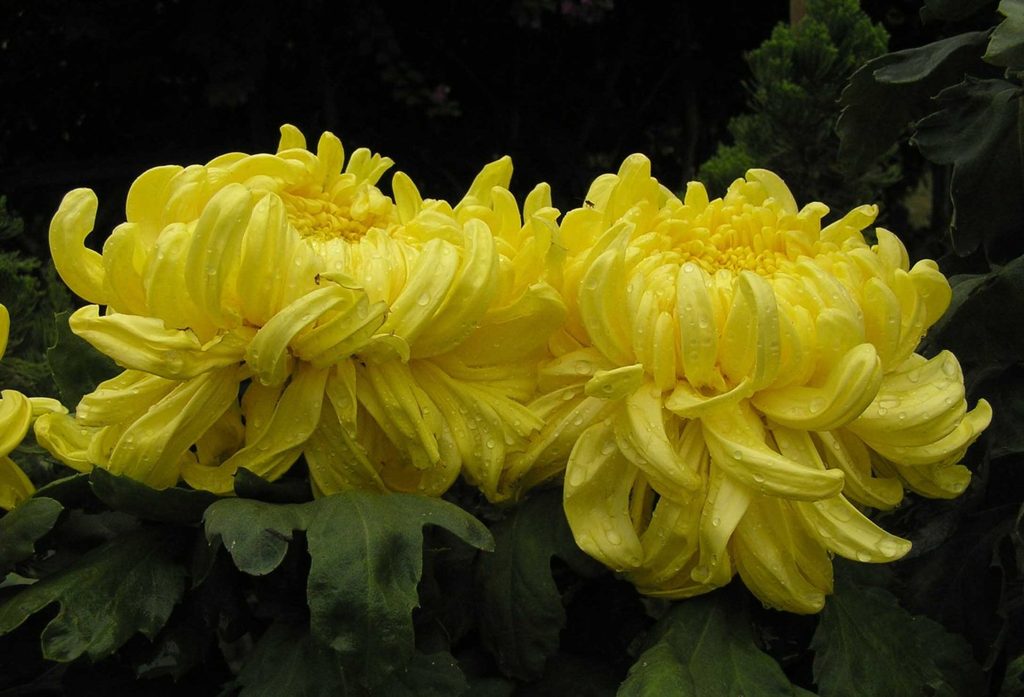
Store-bought mums fade fast. Growing from seed costs less, since one packet yields dozens of plants, and offers more variety than garden centers.
- Sow indoors in winter for a head start. Seedlings adapt to your garden, though some may not bloom until year two.
- To get started, press the seeds lightly onto a moist seed-starting mix without covering them, since they need light to germinate.
- Keep the tray warm and evenly damp, and expect sprouts in one to two weeks.
Once seedlings have a few sets of leaves, harden them off and plant them in a sunny, well-drained spot after frost has passed. Pinch the tips in early summer to encourage bushy plants and more blooms in fall.
When to Sow Chrysanthemum Seeds?
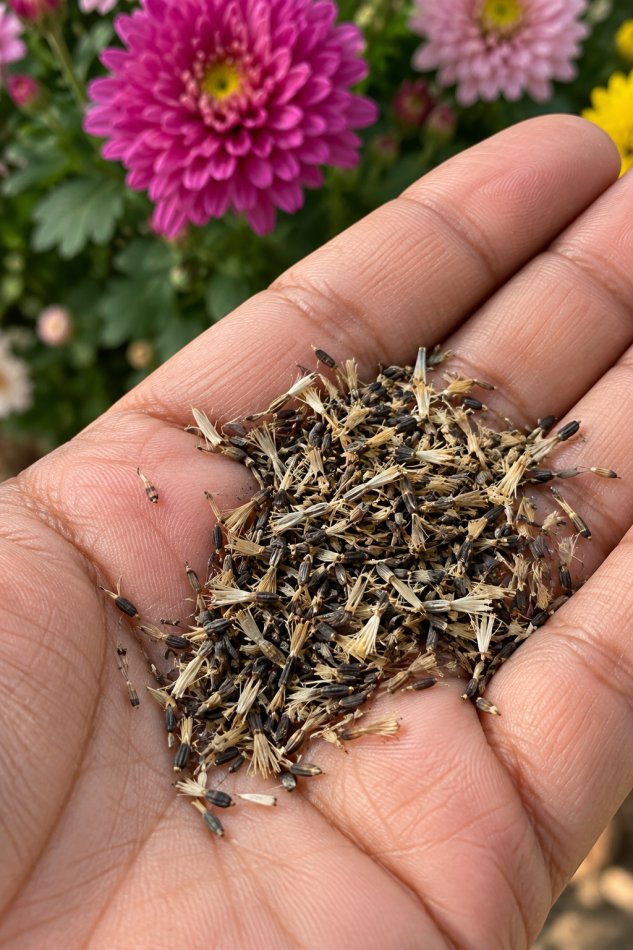
With mums, timing is everything. Sow too late and you get small, weak plants when the cold arrives.
Indoors, sow seeds 8 to 10 weeks before your last spring frost. This gives seedlings enough time to grow strong before moving outside.
Outdoors, wait until frost danger passes, then give plants at least two months of growth before the first fall frost.
In warm climates, sow in late winter or early spring, and avoid peak summer heat.
Check your local frost dates.
Also Read: 14 Forst Tolerant Vegetables to Extended Growing Season
What You Need to Plant Mums?
Keep it simple. You only need chrysanthemum seeds, a seed tray or small pots, and a light seed-starting mix. A spray bottle helps with gentle watering, since a heavy pour can wash tiny seeds away.
You’ll also need a bright spot, like a sunny windowsill or a grow light. Mums need plenty of light to grow strong, and that’s all the equipment you need.
Check this: 21 Mums Front Porch Ideas
How to Sow the Chrysanthemum Seeds?
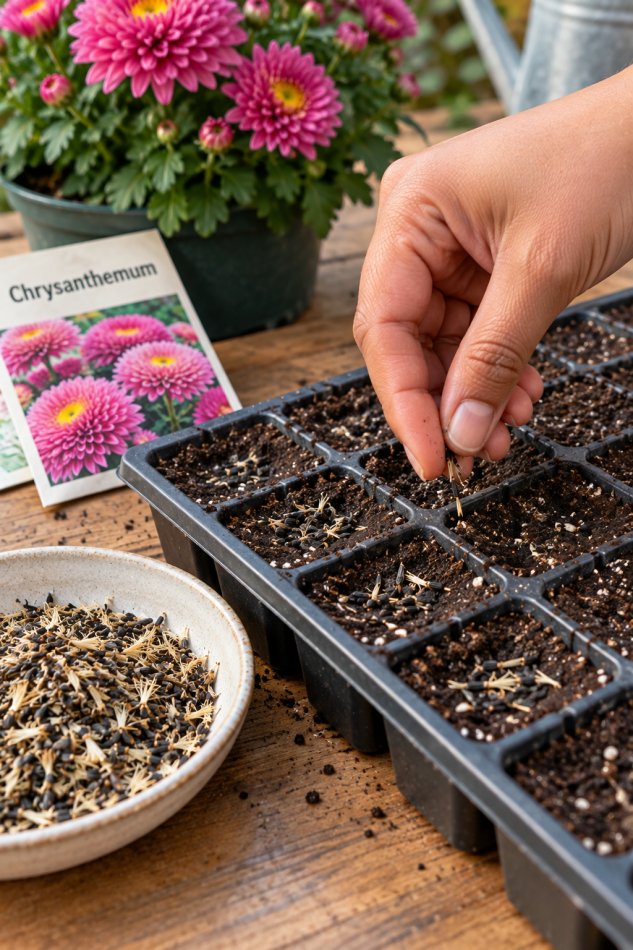
Mum seeds are tiny, so don’t bury them. Fill your tray with moist seed-starting mix, then scatter the seeds thinly on top. Press them in lightly and leave them uncovered, since light helps them germinate.
Mist the surface so the soil stays damp but never soggy, and keep the tray warm, around 70 to 75°F. Seedlings usually appear in 10 to 21 days.
Transplanting Seedlings into the Garden
After about a month, your seedlings are ready to leave the windowsill. Before planting, harden them off by setting them outside for a few hours a day for about a week. This helps them get used to the sun and wind.
Choose a spot with 6 hours of sun and well-draining soil. Mums hate soggy roots, so good drainage matters more than rich soil.
Space plants 18 to 30 inches apart so air can move freely between them. Water well after planting and keep the soil lightly moist while they settle in.
How to Care Growing Chrysanthemums?
Mums are tough plants, but a little care gives you a lot more flowers. Here’s what they need from planting day to bloom time.
Watering
Keep the soil lightly moist, not wet. Water deeply when the top inch of soil feels dry, and aim at the base of the plant instead of the leaves. Wet leaves can invite fungal problems.
Soggy soil is the quickest way to lose a mum, so good drainage matters. In pots, make sure the holes aren’t blocked. In hot weather, container plants may need water every day.
Sunlight
Give your mums at least 6 hours of direct sun. Less light means leggy stems and fewer flowers. In very hot climates, a little afternoon shade can protect the plants from stress.
Feeding
Mums are hungry plants, so feed them lightly and often during the growing season. A balanced fertilizer every 2 to 3 weeks works well. Stop feeding once buds start showing color, since the plant has done its growing by then.
Mulching
Spread a thin layer of mulch around the base, about 2 inches deep. It keeps the soil cool, holds moisture, and stops weeds from stealing nutrients. Keep the mulch a little away from the stems so they don’t rot.
Pinching
This is the secret to full, bushy plants. When stems reach about 6 inches, pinch off the top inch or so. Each pinch makes the plant branch out, which means more stems and more blooms.
Repeat every few weeks, and stop around midsummer so flower buds have time to form. If you keep pinching too late, you’ll delay or lose your fall flowers.
Staking
Tall varieties can flop once they’re loaded with buds. Put a stake in early, and loosely tie the main stems to it. A sturdy plant holds its flowers up better and looks neater.
Deadheading
Once flowers open, remove the faded ones regularly. Pinch or snip them off just above a set of healthy leaves. This keeps the plant putting energy into new buds, so you get a longer bloom season.
Check this: 13 Cold Hardy Vegetables You Can Grow
How Long Do Mums Take to Grow?
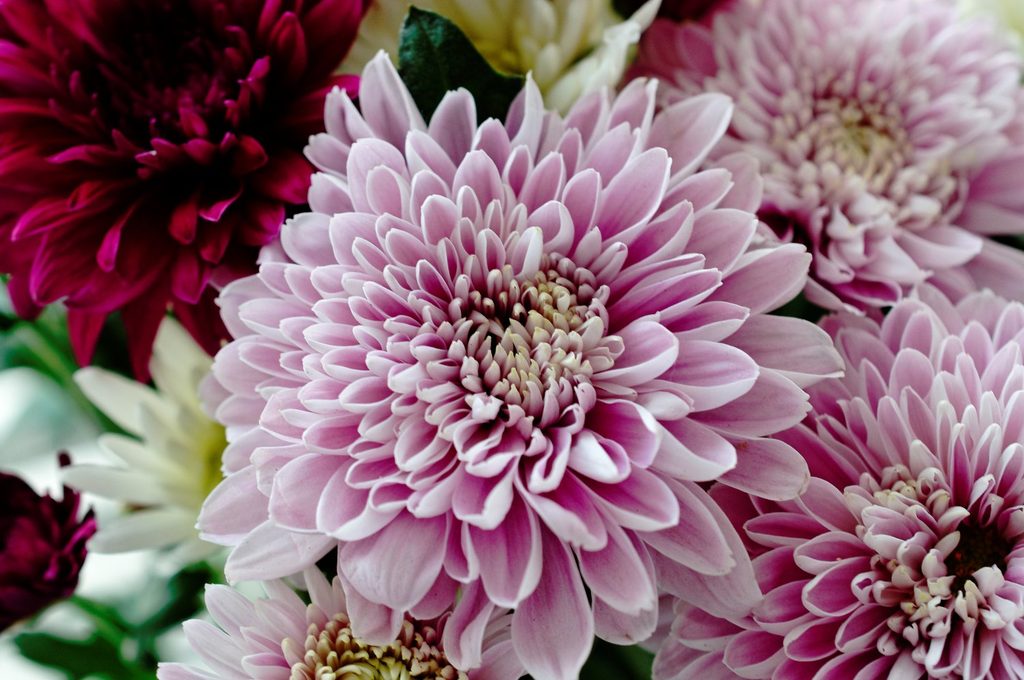
Most mums reach full size in about 5 to 6 months from sowing, though the exact time depends on your variety and growing conditions.
Seeds sprout in the first 2 to 3 weeks. By the end of the first month, seedlings are ready to move outside. From months 2 to 4, plants build leaves and branches, and this is when pinching does its best work. In months 5 to 6, plants reach full size and flower buds start forming.
Flowering is controlled by a mix of day length and temperature, so bloom time can shift from one climate to another. Also, seed-grown plants may not flower in their first season, and some wait until the following year.
Must Read: How Big Do Chrysanthemums Grow?
Troubleshooting Mum Growing Problems
Neglected mums can look rough, with weak branches, yellowing leaves, and only a few small flowers. Most problems come down to light, water, or pests, and they’re easy to fix once you spot them.
Leggy plants usually mean not enough light, so move them to a brighter spot. Yellow leaves often point to overwatering or poor drainage, so let the soil dry a bit and check that water can escape.
Aphids are the most common pest. These small insects cluster on new growth and suck the sap. Spray them off with a strong jet of water, or use insecticidal soap if they keep coming back.
How to Keep Mums Growing Year After Year?
Keep your mums coming back with these key points:
- Divide perennial mums every year or two in early spring
- Replant healthy outer sections 18 to 24 inches apart
- Collect seeds from dried flower heads in fall
- Store seeds in a paper envelope in a cool, dry place
- Cut stems back and add mulch before winter
If you grow perennial varieties, divide them every year or two. Mums spread quickly, and crowded plants compete for water and nutrients, which means weaker stems and fewer flowers.
In early spring, dig up the clump, pull it into smaller sections with healthy roots, and throw away the old, woody center. Replant the strong outer pieces, water well, and keep the soil lightly moist while they settle in.
You can also save seeds from your favorite blooms. Let a few flowers dry completely on the plant, then snip off the brown, papery heads and rub them to release the seeds.
Dry them on a paper towel for a few days and store them in a labeled paper envelope, since plastic traps moisture and can cause mold. Seeds from hybrid mums may not match the parent plant, so you might end up with a new color or shape.
In colder areas, wait until the first hard frost, then cut the stems back to about 3 to 4 inches. Cover the base with mulch like straw or shredded leaves to protect the roots.
Good drainage matters most here, since wet winter soil is what kills most mums. Sow your saved seeds next spring, and you’ll have fresh plants without buying a single packet.
Also Read: 14 Best Companion Plants to Grow with Tulips
Conclusion
Growing chrysanthemums from seed takes a bit of patience, but it’s simple and budget-friendly.
Give your plants plenty of light, good drainage, and a few well-timed pinches, and they’ll reward you with color right when the rest of the garden is fading.
Start your seeds early, keep an eye on the weather, and don’t worry if the first season is slow. Once your plants settle in, you’ll have a fall show that’s completely your own.


Khaja Moinuddin, a computer science graduate, finds joy in gardening and homesteading. Join him on this blog as he shares his experiences in homesteading, gardening, and composting