It’s a misconception, that the spring is the only ideal season to plant and bloom. Though plants prepare to go dormant before winter arrival. There are few exceptional flowering plants that you can grow in November.
In many regions where the soil is still warm enough to allow roots to establish, you can plant to grow perennials even in November.
In fact, planting (or setting in bulbs) in November often gives plants a “quiet season” to get roots settled before they launch into growth or bloom in spring or in late autumn.
Some fall-blooming perennials will flower soon, others will emerge next year. Also, the reduced heat stress means less water stress and fewer pests.
That said, timing is crucial. You need to plant early in November (before hard freezes), choose species well suited to your zone, and provide protection (mulch, frost cloth) where needed.
With proper care, November plantings can yield splendid blossoms in the coming months.
15 Flowers to Plant in November
The key to successful November planting lies in understanding your climate zone and choosing plants that either tolerate cold or require a period of winter chilling to bloom properly.
In warmer zones (8-10), you can plant a wider variety of flowers that will establish roots during the mild winter and burst into bloom by late winter or early spring.
In colder zones (5-7), November is perfect for planting spring-flowering bulbs and hardy perennials that need time to develop root systems before the ground freezes completely.
1. Tulips

Tulips are quintessential spring bulbs that absolutely must be planted in November for spectacular blooms. The cold period they experience during winter is essential for proper flower formation, making November the ideal planting time in zones 3-7.
Plant tulip bulbs 6-8 inches deep in well-draining soil with the pointed end facing upward. Choose a location with full sun exposure for the best blooms. While tulips prefer neutral to slightly acidic soil, they’re relatively adaptable as long as drainage is excellent—standing water will rot the bulbs during winter.
Consider planting tulips in clusters of odd numbers (groups of 5, 7, or 9) for maximum visual impact. Mix early, mid, and late-season varieties to extend your spring blooming period from March through May, depending on your zone.
Also Read: How to Grow Asters for Fall Blooming?
2. Daffodils
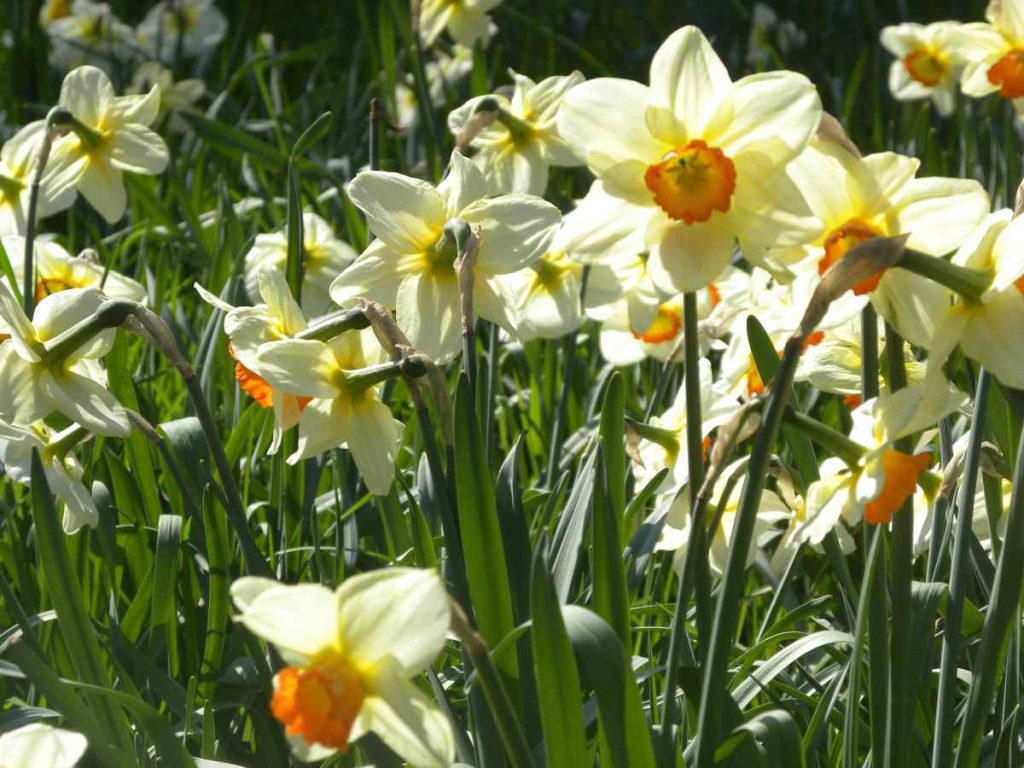
Growing Requirements: Daffodils thrive in zones 3-9 and need full sun to partial shade, though flowering is most prolific in sunny locations. These cheerful spring heralds are incredibly low-maintenance once established and naturalize beautifully over time.
Soil and Planting Depth: Plant bulbs 6 inches deep in well-draining soil enriched with compost. Daffodils tolerate various soil types but perform best in slightly acidic to neutral pH. Space bulbs 3-6 inches apart depending on the variety size.
Why November Planting Works: The cool November soil temperatures prevent premature sprouting while allowing roots to establish before the ground freezes. Unlike tulips, daffodils are deer-resistant and will multiply reliably year after year, making them excellent long-term investments for your garden.
3. Pansies

Pansies are remarkably cold-hardy annuals that flourish when planted in November, particularly in zones 6-10. These cheerful flowers can survive temperatures down to 20°F and will bloom throughout mild winters in southern regions, taking a brief rest during extreme cold before reblooming in early spring. Their compact growth habit makes them perfect for containers, borders, and mass plantings.
For best results, plant pansies in rich, moist soil amended with organic matter. They prefer full sun in cooler months but benefit from afternoon shade in areas with intense sun. Space plants 6-10 inches apart to allow for their spreading growth. Regular deadheading encourages continuous blooming, though they’re relatively self-cleaning in cooler weather.
Water newly planted pansies thoroughly and maintain consistent moisture throughout their growing season. Apply a balanced, slow-release fertilizer at planting time, and consider supplementing with liquid fertilizer every 2-3 weeks during active growth periods for maximum flower production.
4. Crocus

November Planting Advantages: Crocus bulbs are among the earliest spring bloomers, often pushing through snow to announce winter’s end. Planting in November gives these small but mighty bulbs time to develop strong root systems in zones 3-8.
Planting Specifications: Set corms 3-4 inches deep in well-draining soil, with the pointed end up. These diminutive flowers look best planted in large drifts of 25 or more bulbs, creating carpets of purple, yellow, white, or striped blooms that naturalize readily.
Care Considerations: Crocus thrive in full sun to partial shade and aren’t particular about soil type as long as drainage is good. They’re perfect for rock gardens, lawn naturalizing, or under deciduous trees where they’ll bloom before the trees leaf out. Squirrels love crocus, so consider protecting newly planted areas with chicken wire until the ground freezes.
5. Hyacinths

Hyacinths deliver powerful fragrance along with densely packed flower spikes in spring, making November planting worthwhile in zones 4-8. The bulbs need 12-14 weeks of cold treatment to bloom properly, which November planting naturally provides. These beauties work wonderfully in formal gardens, containers, or cutting gardens where their perfume can be fully appreciated.
Plant hyacinth bulbs 6 inches deep and 6 inches apart in fertile, well-draining soil. They prefer full sun but tolerate light shade, though flowering may be reduced in shadier spots. The soil should be kept moderately moist but never waterlogged, as excess moisture causes bulb rot.
Choose from an array of colors including deep purple, pink, white, yellow, and blue varieties. Hyacinths often bloom in mid-spring (April in most regions) and benefit from protection against strong winds that can topple their heavy flower spikes. After blooming, allow foliage to die back naturally to replenish the bulbs for next year’s display.
6. Snapdragon

Cold-Season Performance: Snapdragons planted in November excel in zones 7-10, where they’ll bloom through winter and into spring. These vertical flowers add height and architectural interest to beds and borders, with blooms resembling tiny dragon mouths that “snap” open and closed.
Growing Parameters: Plant snapdragons 6-12 inches apart depending on variety height (dwarf to tall types available). They need full sun and well-draining, fertile soil with consistent moisture. In colder zones, provide mulch protection after the ground begins to freeze.
Maintenance Tips: Pinch back young plants to encourage bushier growth and more flower spikes. Snapdragons benefit from regular deadheading to promote continuous blooming. They’re excellent cut flowers lasting 7-10 days in arrangements. Choose rust-resistant varieties for the healthiest plants.
7. Sweet Alyssum

Sweet alyssum serves as a delightful carpet of honey-scented flowers when planted in November in zones 7-10. This low-growing annual (4-6 inches tall) creates clouds of tiny white, pink, or purple blooms that attract beneficial insects and butterflies. The flowers tolerate light frosts and continue blooming through mild winters, making them ideal for November planting in warmer climates.
Sow seeds directly in the garden or plant transplants 6 inches apart in well-draining soil. Sweet alyssum isn’t fussy about soil quality but performs best with moderate fertility. It thrives in full sun to partial shade, though flowering is more prolific in sunny locations with afternoon shade in hot climates.
Water regularly until established, then reduce frequency as alyssum has moderate drought tolerance once mature. These self-seeding flowers often return year after year with minimal intervention. They’re perfect for edging pathways, filling gaps in rock gardens, or cascading over container edges where their sweet fragrance can be easily enjoyed.
8. Ranunculus

Planting Requirements: Ranunculus corms produce show-stopping, rose-like blooms in spring when planted during November in zones 8-10. These spectacular flowers need soaking in room-temperature water for 3-4 hours before planting to jumpstart growth. Plant corms 2 inches deep with the claw-like roots pointing downward in rich, well-draining soil.
Site Selection: Choose a location with full sun and excellent drainage—ranunculus are particularly sensitive to waterlogged soil. Space corms 4-6 inches apart and consider planting in raised beds or mounds if your soil tends to retain moisture. They prefer slightly acidic to neutral soil amended with compost.
Seasonal Timing: In warmer zones, November planting allows ranunculus to establish during cooler months and bloom prolifically in late winter through spring. Expect dozens of layers of delicate, papery petals in vibrant colors ranging from white and pink to red, orange, and yellow. These exceptional cut flowers last up to 12 days in arrangements.
9. Iceland Poppies

Iceland poppies transform November plantings into spring spectacles across zones 2-8, though they’re treated as cool-season annuals in warmer areas. These delicate-looking but surprisingly tough flowers produce large, crepe-paper blooms on wiry stems reaching 12-18 inches tall. November planting in milder zones allows them to establish and bloom from late winter through spring before summer heat arrives.
Start with transplants rather than seeds for November planting, spacing plants 8-12 inches apart in full sun. Iceland poppies demand excellent drainage and perform best in sandy or loamy soil. They actually prefer lean to moderately fertile soil—overfertilization produces more foliage than flowers and weak, floppy stems.
Water moderately, allowing soil to dry slightly between waterings once established. These poppies bloom in pastel and bright shades of pink, orange, yellow, red, and white. They’re outstanding cut flowers but require stem-sealing (searing ends with flame) immediately after cutting to prevent wilting. Deadhead regularly to encourage prolific blooming throughout their season.
10. Stock Flower (Matthiola incana)

Fragrance and Form: Stock (Matthiola incana) planted in November rewards gardeners in zones 7-10 with intensely fragrant flower spikes in late winter and spring. These cottage garden favorites produce dense clusters of single or double blooms in purple, pink, white, red, and yellow shades. Their clove-like scent is strongest in the evening, making them perfect near patios and windows.
Cultural Needs: Plant stock 8-12 inches apart in full sun with rich, moisture-retentive yet well-draining soil. They perform best with consistent moisture and cool temperatures, making November planting ideal in mild-winter areas. Stock thrives in slightly alkaline soil (pH 7.0-7.5), so add lime if your soil is acidic.
Growth Habits: These upright plants grow 12-30 inches tall depending on variety. Provide support for taller varieties to prevent wind damage to their flower-laden stems. Stock makes exceptional, long-lasting cut flowers. In very cold zones, grow as spring/summer annuals instead of fall-planted specimens.
11. Dianthus

Dianthus brings spicy-sweet fragrance and ruffled blooms to gardens when planted in November across zones 3-9. These charming flowers—also called pinks—come in compact varieties perfect for edging and rock gardens or taller types suitable for cutting. November planting allows their root systems to establish during dormancy, resulting in vigorous growth and abundant spring blooming.
Choose a sunny location with alkaline to neutral, well-draining soil. Dianthus absolutely requires good drainage and will rot in heavy, wet soils. Space plants 6-12 inches apart depending on variety size. These drought-tolerant perennials actually prefer slightly dry conditions once established and bloom most prolifically when not overfed.
Select from single or double-flowered varieties in shades of pink, red, white, and bicolors, many with contrasting eyes or picotee edges. Dianthus makes excellent edging plants along pathways where their silvery-blue foliage and spicy fragrance can be appreciated. Deadhead spent blooms to encourage reblooming through early summer. Many varieties are evergreen in mild climates, providing year-round garden interest.
Also Read: 23 Best Perennials that Grow in Shade
12. Primrose
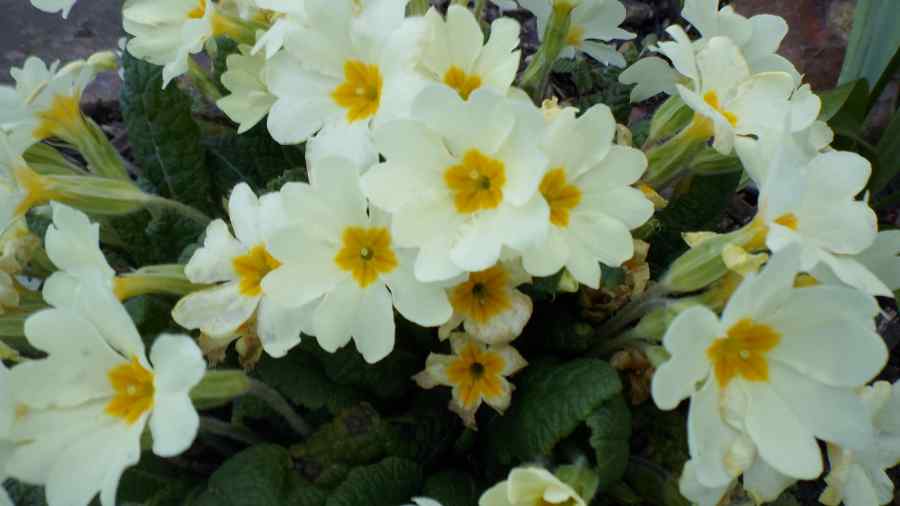
Early Spring Color: Primroses (Primula) planted in November establish quickly in zones 4-8, producing cheerful blooms in late winter through spring. These low-growing perennials (6-12 inches tall) create colorful carpets in shaded areas where few other flowers thrive, making them invaluable for woodland gardens and shady borders.
Growing Conditions: Unlike most flowering plants, primroses prefer partial to full shade and consistently moist, humus-rich soil. Plant 6-8 inches apart in organic-amended soil that retains moisture without becoming waterlogged. They thrive in cool, humid conditions and may struggle in hot, dry summers.
Variety Selection: Choose from hundreds of varieties offering nearly every color except true blue, including many with contrasting centers. English primroses and polyanthus types are most commonly grown. Divide clumps every 2-3 years after blooming to maintain vigor. Primroses naturalize beautifully under deciduous trees where they bloom before the canopy fills in.
13. Calendula

Calendula officinalis, commonly known as pot marigold, thrives when planted in November in zones 8-10, blooming through winter and spring. These easy-care flowers produce bright orange and yellow daisy-like blooms on bushy plants reaching 12-24 inches tall. Beyond their ornamental value, calendula flowers are edible and traditionally used in herbal preparations, making them both beautiful and functional garden additions.
Sow seeds directly in the garden or plant transplants 8-12 inches apart in full sun to partial shade. Calendula tolerates poor soil but performs best in moderately fertile, well-draining conditions. These tough flowers withstand light frosts and cool temperatures that would damage more tender plants, making them ideal for November planting in mild-winter regions.
Water regularly to keep soil evenly moist until established, then reduce frequency as calendula has moderate drought tolerance. Deadhead spent blooms regularly to encourage continuous flowering and prevent self-seeding (unless you want volunteer plants). Harvest fresh flowers for culinary use or leave them for pollinators who visit them enthusiastically. Calendula self-sows readily, often returning year after year with minimal care.
Check this: 27 Best Fall Flowering Plants to Beautify Autumn Garden
14. Dusty Miller

Ornamental Foliage: While technically grown for its silvery-white foliage rather than flowers, Dusty Miller (Senecio cineraria) planted in November provides stunning contrast and texture in zones 8-10. The deeply divided, fuzzy leaves remain attractive through winter, creating luminous accents that make companion flowers pop visually.
Planting Guidelines: Space plants 8-10 inches apart in full sun with well-draining soil. Dusty Miller tolerates poor, dry soil once established and actually maintains better color and form in lean conditions. It grows 8-12 inches tall and spreads slowly to form attractive mounds of silver foliage.
Garden Design Uses: Use Dusty Miller as edging, in mass plantings, or to separate bold flower colors. The silvery foliage brightens shady areas and remains semi-evergreen in mild climates. While it produces small yellow flowers in summer, most gardeners remove these to maintain the plant’s compact form and focus attention on the striking foliage.
Also Read: When to Plant Rose of Sharon?
15. Ornamental Kale and Cabbage
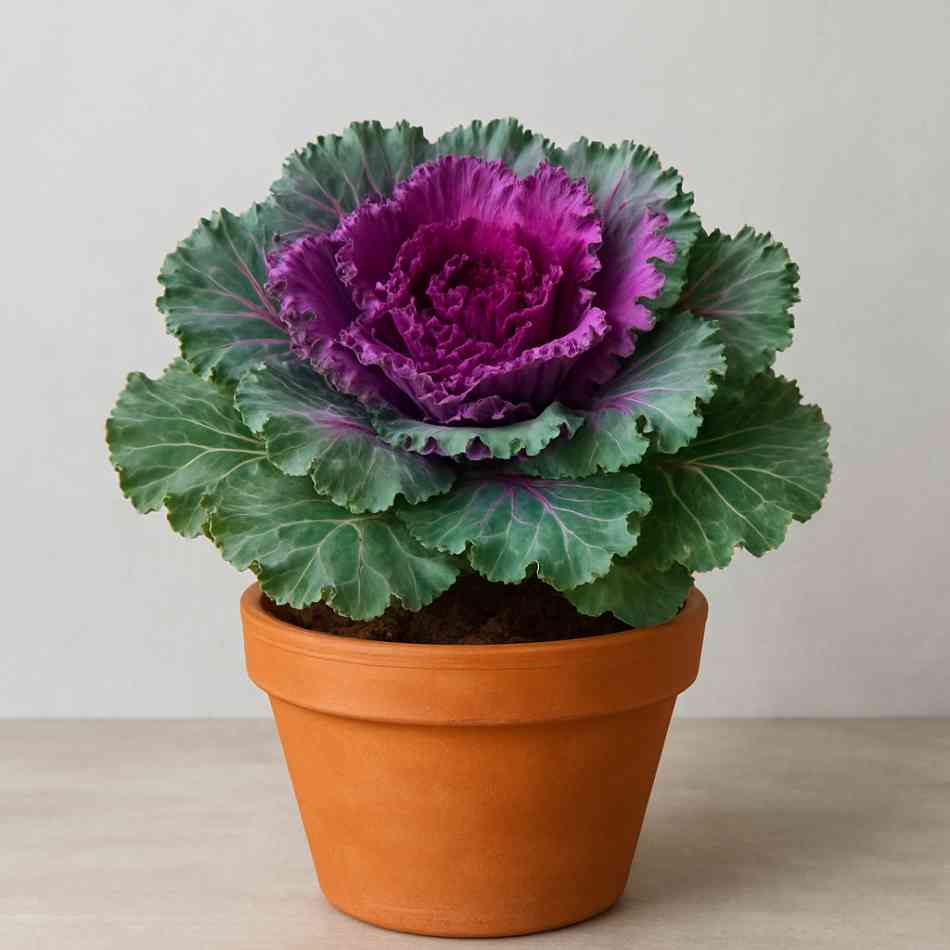
Ornamental kale and cabbage add bold winter color across zones 2–11, their pink, purple, white, and green rosettes growing more vibrant as temperatures drop.
Plant 12–18 inches apart in full sun and fertile, well-drained soil enriched with compost. Regular watering and light feeding keep foliage lush and vivid. These hardy plants tolerate frost and even hard freezes, often looking best after cold snaps.
Ideal for containers, borders, or mass plantings, they provide striking texture and color through winter until spring warmth triggers flowering.


Khaja Moinuddin, a computer science graduate, finds joy in gardening and homesteading. Join him on this blog as he shares his experiences in homesteading, gardening, and composting