A smart gardener plans ahead of the season to keep their garden alive. While most plants don’t survive the cold climate, there are a few cold hardy veggies that keep your gardening tools busy.
These crops tolerate frost and even freezing temperatures, and some actually taste better after exposure to the cold.
When temperatures drop, they convert stored starches into sugars, which lowers the freezing point of their cell sap and protects them from frost damage. This is why kale, carrots, and Brussels sprouts often taste noticeably sweeter after a few frosty nights.
Growing them also extends your season at both ends. You can sow earlier in spring, continue harvesting through late fall, and in milder climates pick greens throughout winter.
Cold weather also reduces many common pests and diseases, so these vegetables are often easier to manage than summer crops.
Whether you’re a beginner or an experienced grower, this list has options for every garden.
13 Cold Hardy Vegetables to Grow
Cold weather can kill many plants, but not all of them. Frost damages tomatoes and peppers by breaking their cells, while hardy vegetables like kale, spinach, and garlic make natural sugars that protect them and keep them growing in freezing weather.
1. Kale
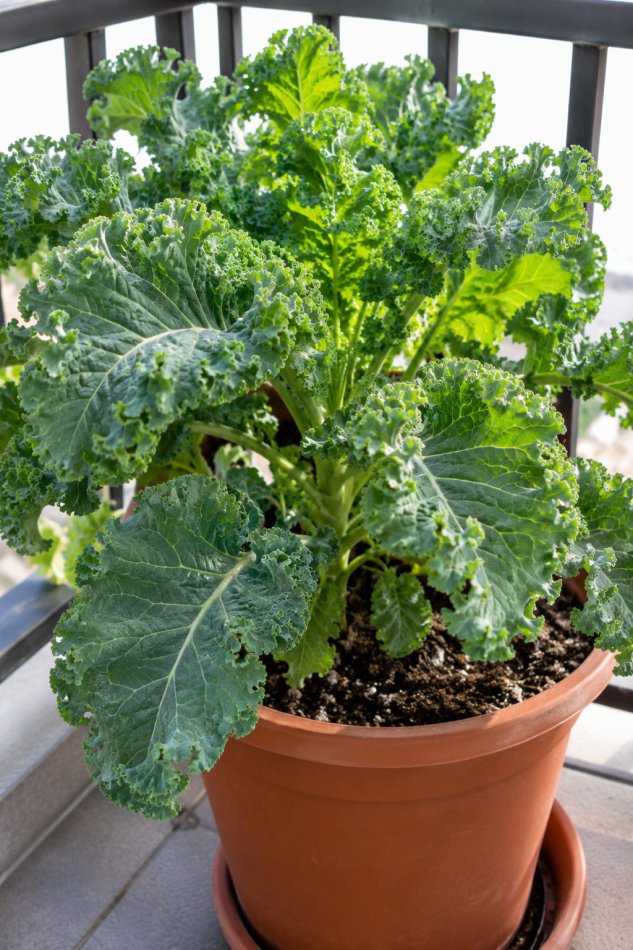
Kale is one of the toughest vegetables you can grow in cold weather. It can handle temperatures well below freezing, and the leaves actually become sweeter and less bitter after a frost.
Kale is also easy to grow. Plant it in early autumn or late summer, and you can keep picking leaves all winter. The more you pick, the more it grows.
2. Spinach

Spinach is one of the most frost-tolerant greens, surviving temperatures down to 15°F once established. Cold makes its leaves thicker and sweeter.
Sow seeds six to eight weeks before the first hard frost, and use a low tunnel or cold frame to keep harvests going through winter.
Also Read: 14 Forst Tolerant Vegetables to Extended Growing Season
3. Garlic
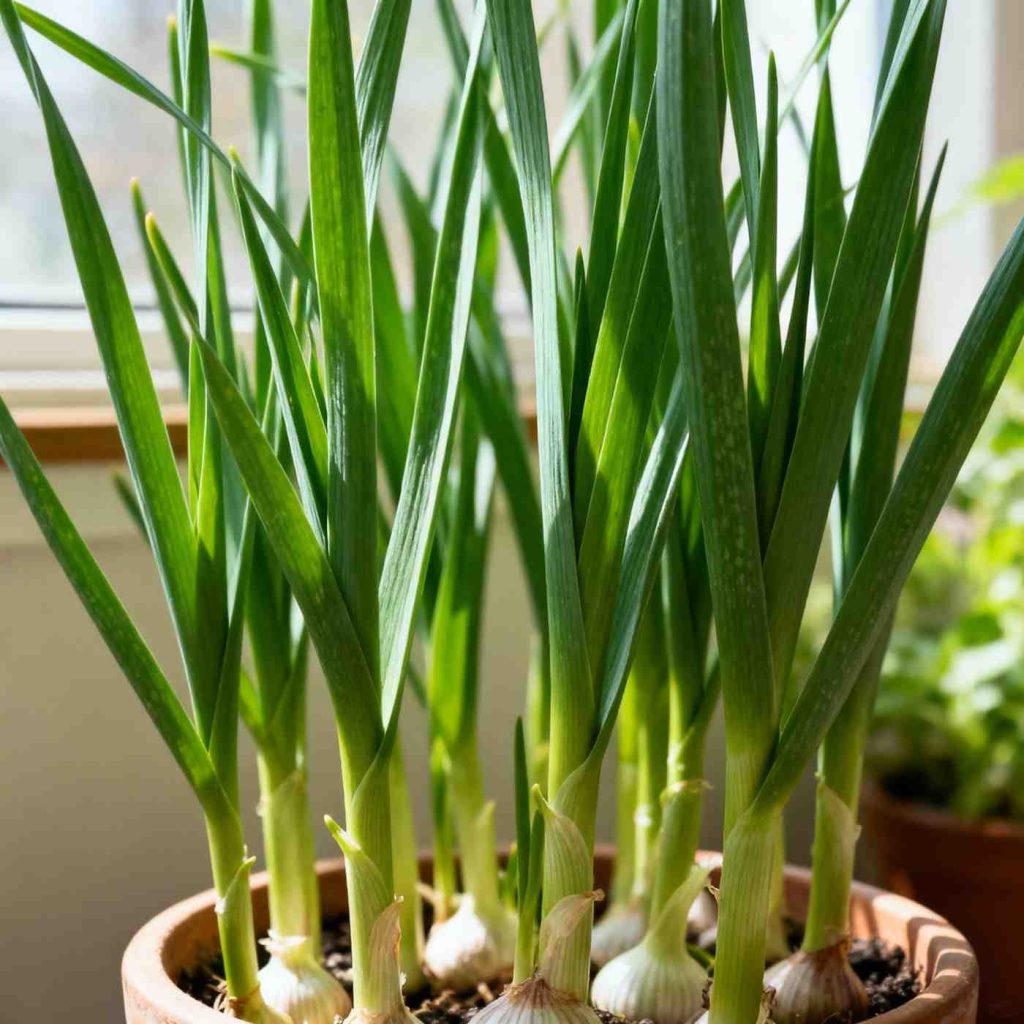
Plant garlic in autumn and forget about it until spring. That’s really all it asks. The cloves settle into the soil, grow roots before the ground freezes, and stay dormant through winter, even when temperatures fall as low as -22°F. The cold isn’t a threat here, it’s a requirement.
Garlic needs four to eight weeks of chilly weather to split into full bulbs with several cloves. Add a thick layer of straw mulch after planting, and your garlic will be ready to harvest by early summer.
4. Carrots
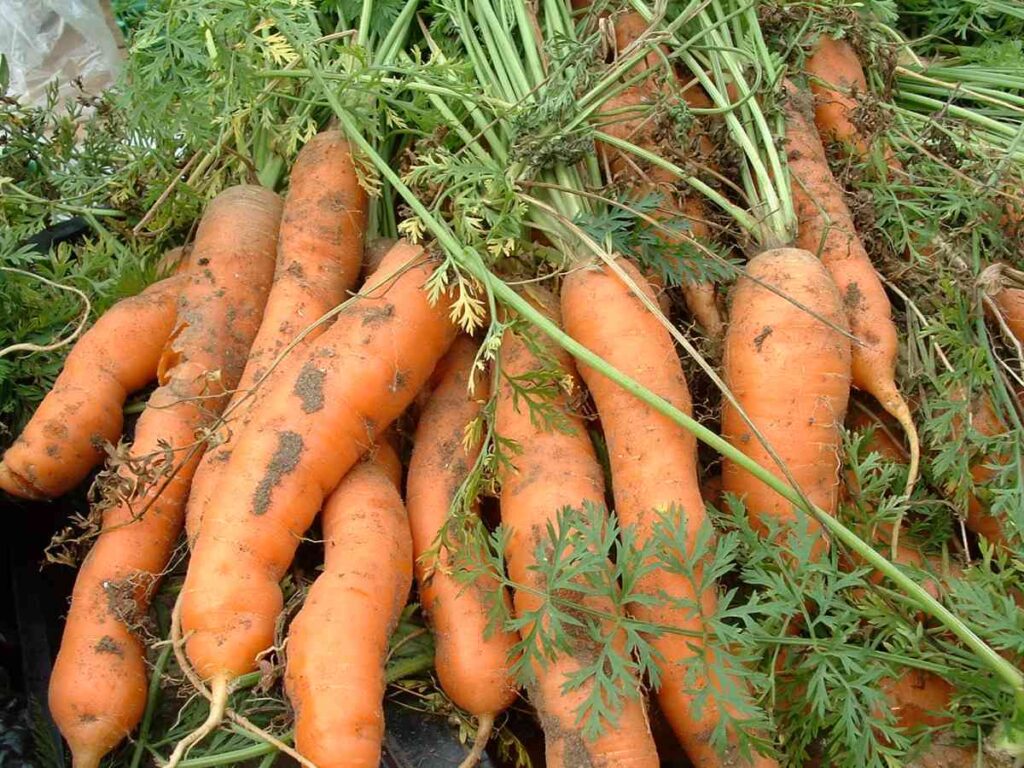
Carrots turn their starches into sugar as temperatures drop, so roots pulled after frost taste much sweeter.
Sow seeds ten to twelve weeks before the first hard frost, then cover the bed with straw or leaves. This keeps the soil from freezing, letting you dig fresh carrots all winter.
5. Brussels Sprouts
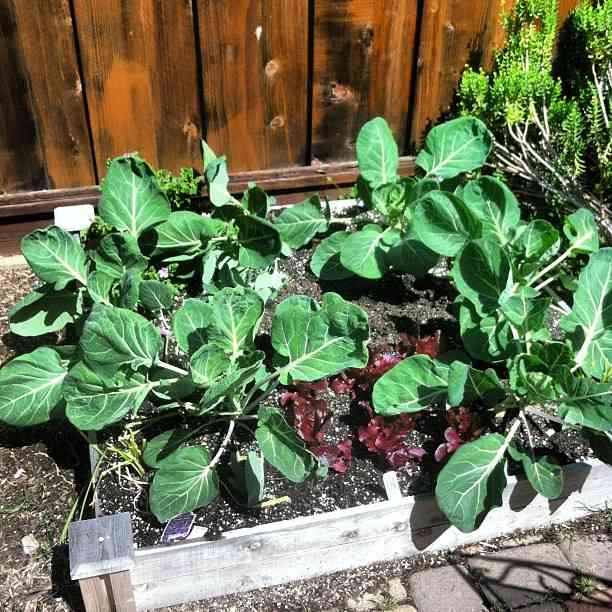
Brussels sprouts need a long, cool season and tolerate temperatures down to 14°F. Frost makes them sweeter and less bitter.
Plant seedlings in early summer for an autumn harvest, and pick from the bottom of the stalk first so the upper sprouts keep growing.
6. Cabbage
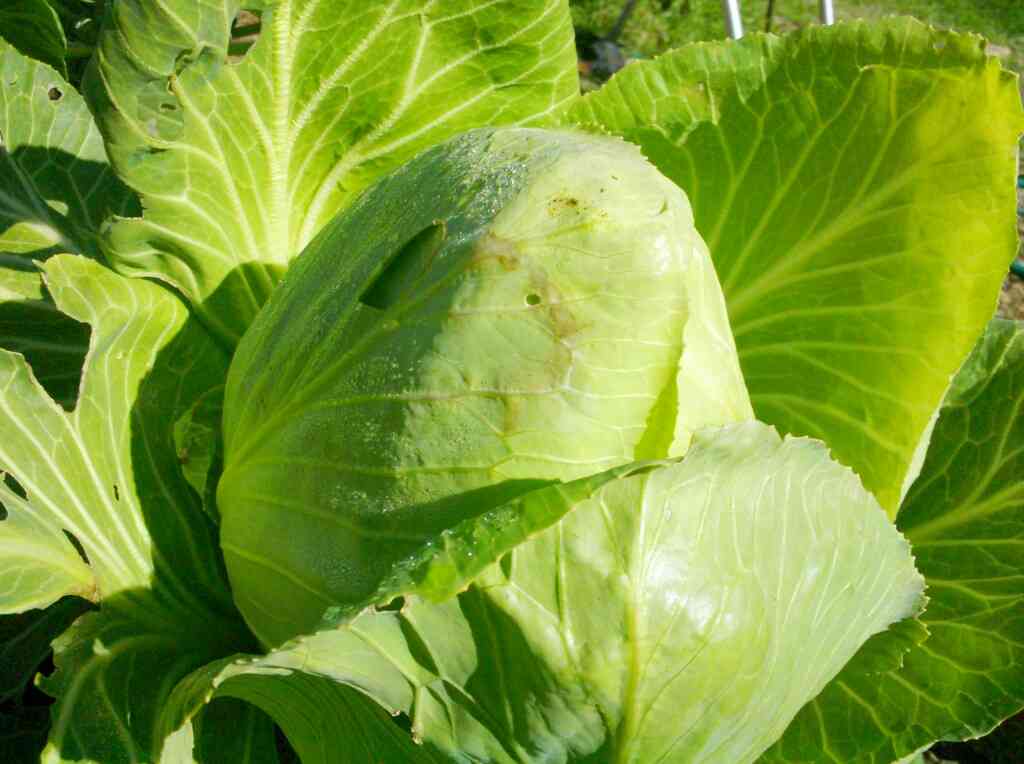
Think of cabbage as the dependable friend of the winter garden. A tight, mature head can sit through temperatures as low as 14°F and come out sweeter and crunchier after every frost.
Start seedlings in midsummer so the heads fill out by autumn. Pick dense, compact varieties for winter, and harvest when the head feels firm.
Check this: 9 Tips for Growing Vegetables in a Greenhouse for Beginners
7. Broccoli

Broccoli loves cool days and won’t mind a light frost down to about -25°F. Cold weather slows its growth, which gives you tighter, sweeter heads. Transplant seedlings in midsummer and keep the soil moist and rich.
Once you cut the main head, leave the plant alone, because it will keep sending up smaller side shoots for weeks.
8. Leeks
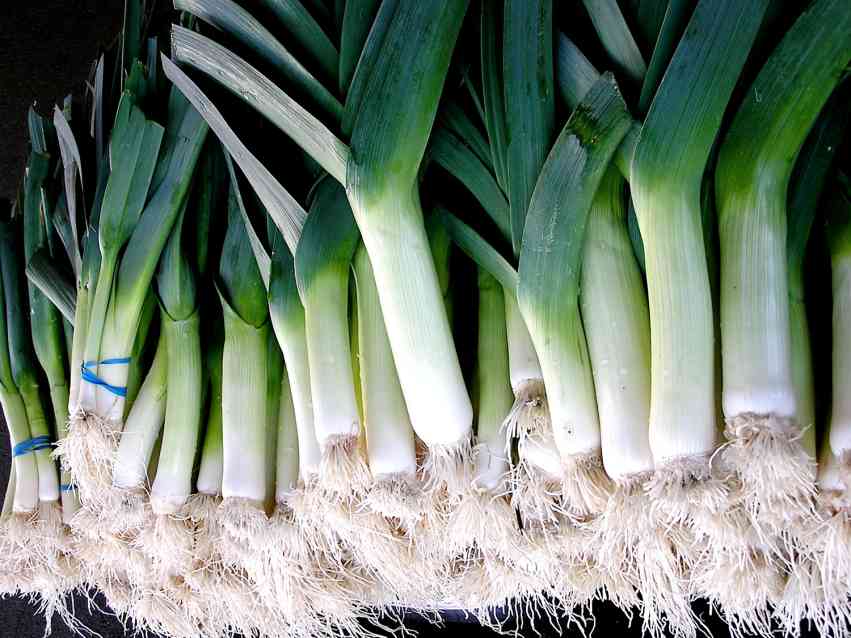
Leeks are built for the long haul. They shrug off temperatures down to -15°C (5°F), and you can leave them in the ground and pull them whenever the kitchen calls for them.
Start seeds indoors in late winter, then move the seedlings outside in early summer, planting each one deep in a narrow hole. As the plant grows, soil settles around the stem and blanches it, giving you a long, white, tender shank.
9. Parsnips

Parsnips reward patience. Their roots stay bland until frost arrives, and then the starches turn to sugar, leaving a sweet, nutty flavor that summer-harvested roots never reach.
Sow seeds in spring, and don’t worry if germination drags on for up to four weeks. Once winter sets in, spread mulch over the bed so the soil stays soft enough to dig, even when the ground is cold.
10. Radishes
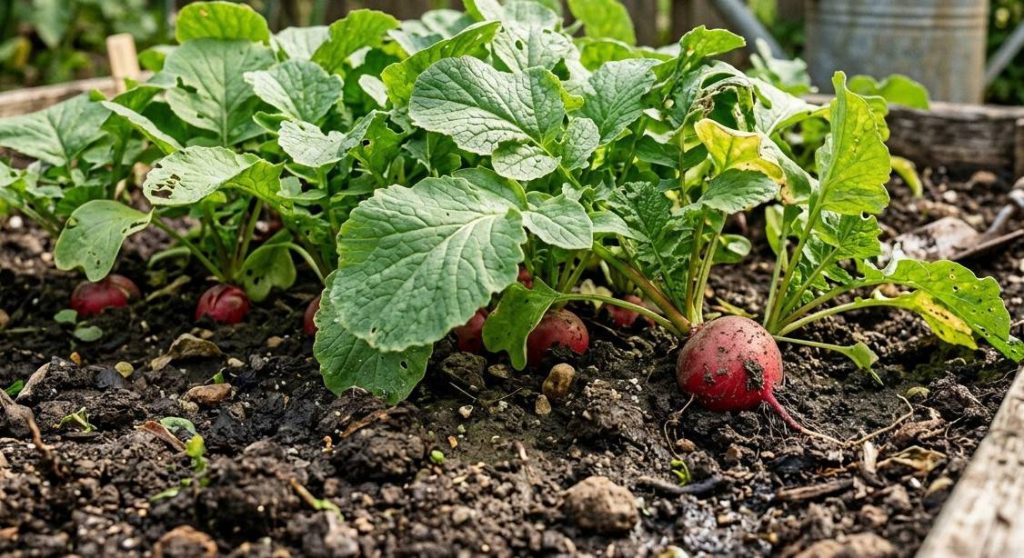
If you want a quick win, radishes are the answer. Spring types are ready in three to four weeks, and they handle light frost around 28°F.
For colder months, switch to winter varieties like daikon, which take about eight weeks and store well. Sow seeds in late summer and keep the soil moist, because dry soil turns the roots woody and sharp instead of crisp and mild.
Check this: 8 Vegetables to Plant in November
11. Turnips

Turnips give you two crops in one. The greens are ready to pick about four weeks after sowing, and the roots follow once they reach two to three inches across.
Plant seeds around eight weeks before the first frost, and they will tolerate temperatures down to 21°F. Cold makes the roots sweeter, but don’t wait too long, since oversized turnips turn bitter and tough.
12. Collard Greens

Collards are tough, leafy plants that get sweeter with every frost, and they hold up in temperatures as low as 14°F. Set out transplants in midsummer, spacing them about 18 inches apart so the leaves have room to spread.
Harvest the lower leaves first and leave the top growth alone, and the plant will keep sending out fresh leaves for months.
13. Onions

Onions are a quiet winner in the cold garden. Plant sets or seedlings in autumn, and the young plants settle in, survive temperatures down to about 14°F, and wait out winter underground.
When spring warms up, they grow fast and give you bulbs weeks earlier than spring-planted onions.
Choose hardy overwintering varieties, plant them in loose, well-drained soil, and add a light layer of mulch to protect the roots from heaving during freezes and thaws.
When to Plant Cold Hardy Veggies?
Timing matters more than anything else with cold hardy crops. The general rule is to work backward from your first expected fall frost date.
Fast growers like spinach, radishes, and turnips can go in about six to eight weeks before that date, while slower crops like carrots, kale, and cabbage need ten to twelve weeks or more to reach a good size before growth slows in the cold.
Midsummer is the busiest planting window. This is when you set out transplants of Brussels sprouts, cabbage, broccoli, and collards, and sow carrots and kale directly in the soil.
The heat can be tough on young seedlings, so water them regularly and give them light shade until the weather cools down.
Some crops follow a different schedule. Garlic and overwintering onions go in during autumn, a few weeks before the ground freezes, so they can grow roots and rest through winter.
Leeks and parsnips are planted in spring and left to grow all season. If you’re unsure of your frost dates, check with a local gardening office or weather service, since dates vary a lot from one region to the next.
Conclusion
Cold weather doesn’t have to put an end to your garden. With the right vegetables and good timing, you can keep harvesting long after the summer crops are gone. Kale, spinach, garlic, carrots, and the rest of this list handle frost well, and many of them taste sweeter because of it.
Start by working backward from your first frost date, pick a few crops that suit your space, and add mulch or a simple tunnel for extra protection.
Even two or three of these vegetables will give you fresh, homegrown food through the colder months. Plan ahead this season, and your garden will keep rewarding you all year.


Khaja Moinuddin, a computer science graduate, finds joy in gardening and homesteading. Join him on this blog as he shares his experiences in homesteading, gardening, and composting