It’s really heartbreaking to see your tomatoes just sitting there, still green, when you were hoping for a full harvest.
The truth is, this happens to a lot of gardeners, even ones with years of experience.
Tomatoes usually stop ripening because of a mix of factors like temperature, sunlight, nitrogen levels, or the variety you’re growing.
Sometimes it’s just one of these causes, and other times a few of them overlap at once.
The good news is that most of these issues are easy to spot and even easier to fix once you know what to look for.
In this guide, we’ll walk through the seven most common reasons tomatoes stay green and what you can do about each one.
7 Reasons Why Tomatoes Not Ripening on the Vine
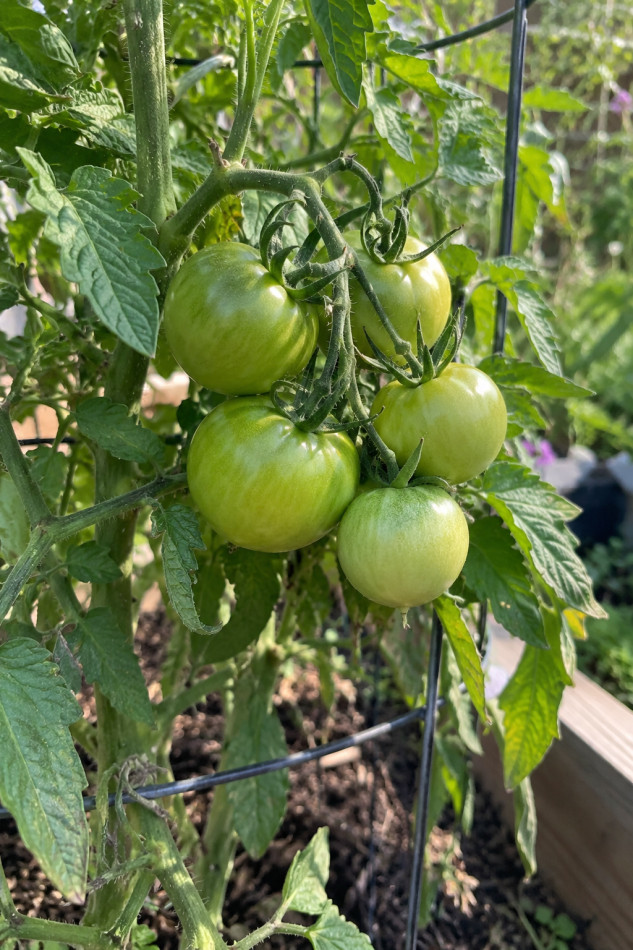
If your tomatoes are stuck green on the vine, you haven’t done anything wrong. This happens to even the most experienced gardeners.
There’s usually a simple reason behind it. Once you know what to look for, you can fix it fast and get those tomatoes turning red again.
From temperature swings to overfeeding your plants, a handful of common issues can stall the ripening process. Let’s walk through the most likely culprits and what you can do about each one.
1. It’s Too Hot or Too Cold Outside
Tomatoes are picky about temperature. They need it to be just right to turn that deep red color.
When it gets too hot, above 85°F, the plant actually slows down or stops making the pigments that give tomatoes their color. The fruit can stay green or turn a dull orange instead of ripening fully.
Cold weather causes the same problem. If nights drop below 50°F, ripening slows way down or stops completely.
This is why so many gardeners notice stalled tomatoes during a summer heat wave or an early cold snap. The plant isn’t sick. It’s just waiting for better conditions.
What to do: Give your plants some afternoon shade during extreme heat. A simple shade cloth works well. If cold nights are the issue, cover your plants in the evening or bring container plants indoors when temperatures dip.
2. Too Much Nitrogen Fertilizer
Nitrogen is great for growing lots of green leaves. But too much of it can actually work against you.
When a tomato plant gets more nitrogen than it needs, it puts all its energy into growing leaves and stems instead of ripening fruit. You end up with a big, bushy, healthy-looking plant that’s still covered in green tomatoes.
This usually happens when gardeners use a general all-purpose fertilizer too often, or one that’s heavy on nitrogen.
What to do: Switch to a fertilizer made for tomatoes, one that’s lower in nitrogen and higher in phosphorus and potassium. These nutrients support fruit development instead of leaf growth. Cut back on feeding once your plants start flowering and setting fruit.
Also Read: 13 Homemade Fertilizers for Tomatoes
3. Not Enough Sunlight
Tomatoes need a lot of direct sun to ripen properly, usually at least 6 to 8 hours a day.
If your plants are in a shady spot, or something is blocking the light like a fence, tree, or nearby structure, ripening slows way down. The plant simply doesn’t get the energy it needs to turn those tomatoes red.
This is common with plants grown near buildings or under taller crops that cast shade as the season goes on.
What to do: Check how much direct sun your plants actually get through the day. If it’s less than 6 hours, consider moving container plants to a sunnier spot or trimming back anything that’s blocking the light.
4. Overcrowded Plants Blocking Airflow and Light
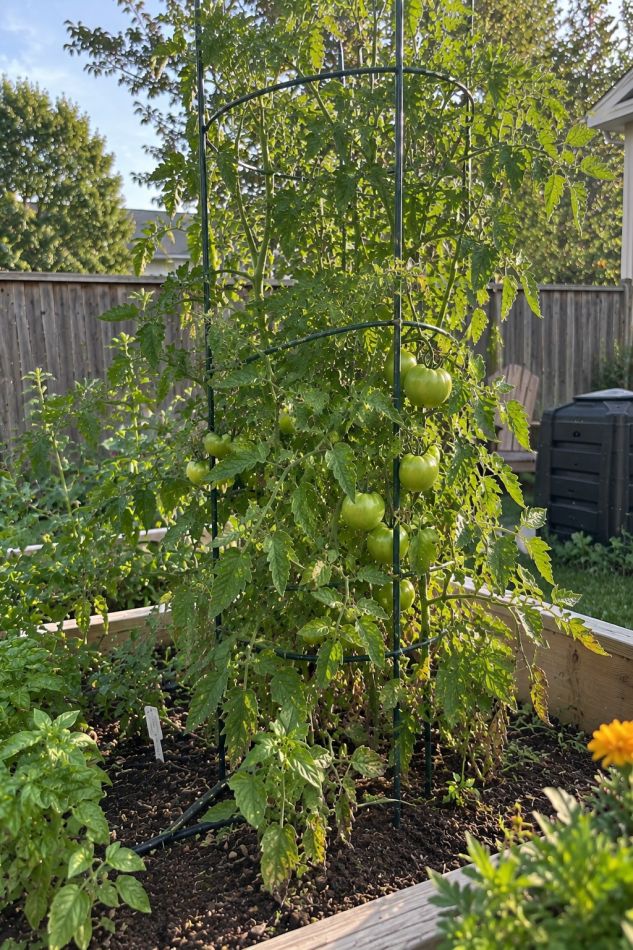
When tomato plants are packed too close together, or left to grow wild without pruning, the leaves start shading the fruit instead of letting sunlight reach it.
Crowding also cuts down on airflow. That can trap heat and moisture around the plant, which slows ripening and raises the risk of disease.
This tends to happen when plants aren’t staked, caged, or pruned as they grow bigger through the season.
What to do: Prune away extra leaves and suckers so sunlight can reach the fruit. Stake or cage your plants to keep them upright and give them room to breathe.
Check this: How to Store Tomatoes from Garden?
5. Water Stress from Too Much or Too Little Watering
Tomatoes don’t like extremes when it comes to water. Too much or too little can both throw off ripening.
Overwatering can dilute the sugars in the fruit and stress the roots, which slows down the ripening process. Underwatering does the opposite kind of damage. It stresses the plant so much that it focuses on survival instead of ripening fruit.
Inconsistent watering, like letting the soil dry out completely and then soaking it, can be just as bad as too much or too little overall.
What to do: Water deeply and consistently, aiming for about 1 to 2 inches a week. Check the soil before watering. If the top inch feels dry, it’s time to water. Mulching around the base helps keep moisture levels steady.
6. Variety Naturally Takes Longer to Ripen
Not all tomatoes ripen at the same speed. Some varieties are just naturally slow.
Beefsteak and other large heirloom tomatoes, for example, often take longer to mature than smaller varieties like cherry or grape tomatoes. If you’re expecting fast results, you might just be growing a type that needs more patience.
This is easy to miss, especially if you’re growing several different varieties side by side and comparing their progress.
What to do: Check the days-to-maturity listed on your seed packet or plant tag. Give slower varieties the extra time they need before assuming something’s wrong.
Check this: 28 DIY Tomato Trellis Ideas for Home Garden
7. Plant Is Stressed from Pests or Disease
A stressed plant puts survival first and ripening second.
Pests like aphids, hornworms, or spider mites can weaken a plant enough to slow down fruit development. Diseases like blight or fungal infections do the same thing, pulling energy away from ripening and toward just staying alive.
If you notice yellowing leaves, spots, holes, or visible bugs along with green tomatoes that won’t turn, this could be the reason.
What to do: Inspect your plants regularly for signs of pests or disease. Treat issues early with organic pest control or by removing affected leaves. A healthy, stress-free plant ripens fruit much more reliably.
Also Read: How to Can Fresh Tomatoes the Right Way in Easy Steps?
Why are my tomatoes still green after 100 days?
Some varieties just take longer than others, especially large heirlooms. Check your seed packet for the expected days to maturity before assuming something’s wrong.
Will green tomatoes ripen if I pick them?
Yes, in most cases. If a tomato has reached full size and started to lighten in color, you can bring it indoors and let it ripen on a windowsill or in a paper bag.
Does putting a banana with green tomatoes help them ripen?
It can. Bananas release ethylene gas, which speeds up ripening. Placing green tomatoes in a bag with a banana can help them turn red faster.
Can cold nights permanently stop tomatoes from ripening?
Not permanently, but repeated cold exposure can slow things down a lot. Once temperatures warm back up, ripening usually picks back up too.
Should I remove leaves to help tomatoes get more sun?
A little pruning helps, but don’t overdo it. Removing too many leaves can stress the plant and expose fruit to sunscald.
Is it normal for some tomatoes on the same plant to ripen faster than others?
Yes. Fruit that gets more direct sun or set earlier in the season usually ripens first. It doesn’t mean anything is wrong with the slower ones.
Conclusion
Green tomatoes sitting on the vine can feel discouraging, especially when the season is moving fast. But most of the time, the fix is simple once you know what’s causing it.
Start by ruling out the basics. Check your temperatures, your sunlight, and your watering habits first since these cause the most common ripening delays.
If those all look fine, take a closer look at your fertilizer routine and how crowded your plants have gotten. A little pruning and a nutrient adjustment can make a big difference.
And if your tomatoes are still green after trying everything, don’t panic. Sometimes it really is just the variety, or the plant needs a few more pests-free days to catch up.
With a little patience and the right adjustments, you’ll be picking ripe, red tomatoes before you know it.


Khaja Moinuddin, a computer science graduate, finds joy in gardening and homesteading. Join him on this blog as he shares his experiences in homesteading, gardening, and composting