The first time I saw blue eggs, I wondered if they were real or if someone had painted them blue.
But, to my surprise, those eggs were real.
Raising chickens is more fun when your flock lays eggs of different colors.
Only a few chicken breeds lay blue eggs. The blue color comes from a pigment called oocyanin. It colors the shell all the way through, so the egg is blue inside and outside.
Ameraucana, Araucana, and Cream Legbar are the best-known blue egg layers, and a few other breeds are on the list too.
One more thing: a blue egg tastes and cooks the same as a brown or white egg. Only the shell is different. But a basket with blue, green, brown, and white eggs looks beautiful, and many backyard keepers add one or two blue layers just for that.
Why Do Some Chickens Lay Blue Eggs?
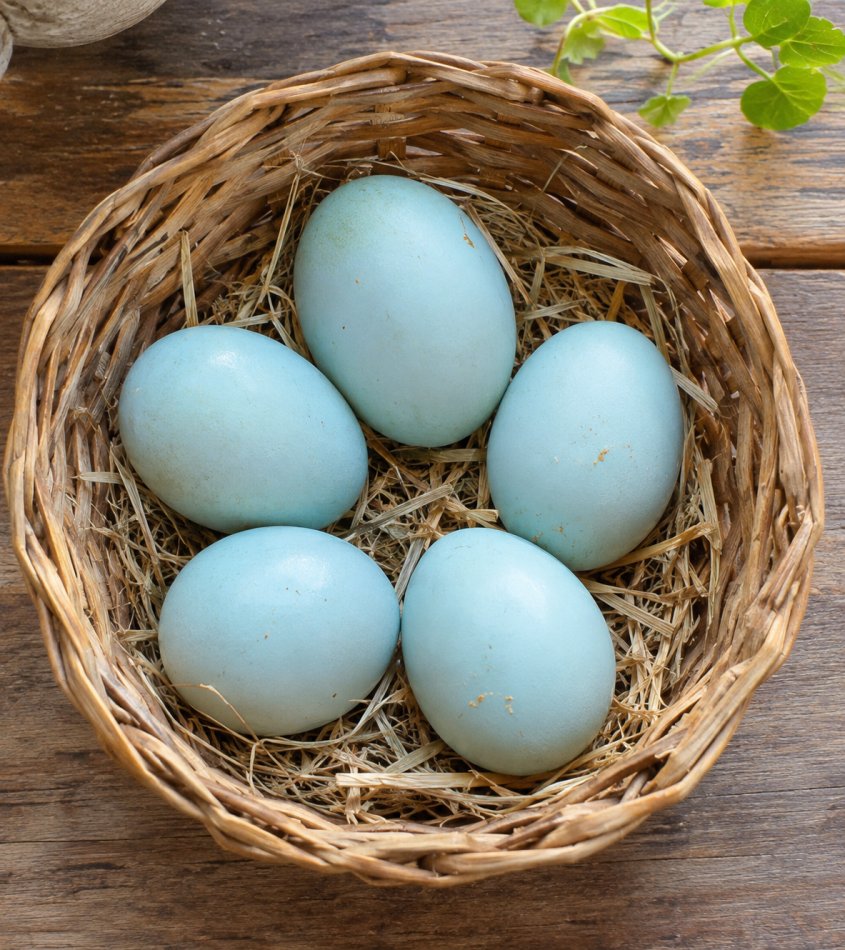
Blue eggs come from a pigment called oocyanin.
When a hen forms an egg, this pigment is added to the shell while it is still being made. It goes through the whole shell, so the egg is blue on the outside and the inside.
This happens because of a gene. Araucana chickens from Chile have it, and they passed it on to most other blue egg breeds, like Ameraucana and Cream Legbar.
A few rare breeds from China, like Lushi and Dongxiang, got the blue egg gene on their own. A hen that carries the blue egg gene will lay blue eggs her whole life. She won’t change color from one egg to the next.
Some breeds lay green or olive eggs. These hens carry the blue egg gene, but they also lay a brown pigment on top of the blue shell. Blue and brown together make green.
Are Blue Eggs Different from Regular Eggs?
Only in color. A blue egg has the same white and yolk as any other egg, and it tastes and cooks the same way too.
The nutrition is also the same. What a hen eats matters much more than the color of her eggs. Hens that eat a good feed and get to roam outside lay richer eggs, whatever the shell color.
Here is one small difference.
A brown egg is white inside, because the brown color is added only to the outside of the shell. A blue egg is blue inside, because the color goes all the way through.
So why raise blue egg layers?
Mostly because they are fun. A basket of blue, green, brown, and white eggs looks beautiful, and visitors always ask about them.
12 Chicken Breeds That Lay Blue Eggs
Not every chicken that lays blue eggs is the same kind of bird. Purebred chickens like the Ameraucana and Araucana lay blue eggs every time, though the shade can vary.
Hybrid chickens like the Easter Egger can lay blue, green, or even cream eggs, so you can’t always be sure what you’ll get.
1. Ameraucana
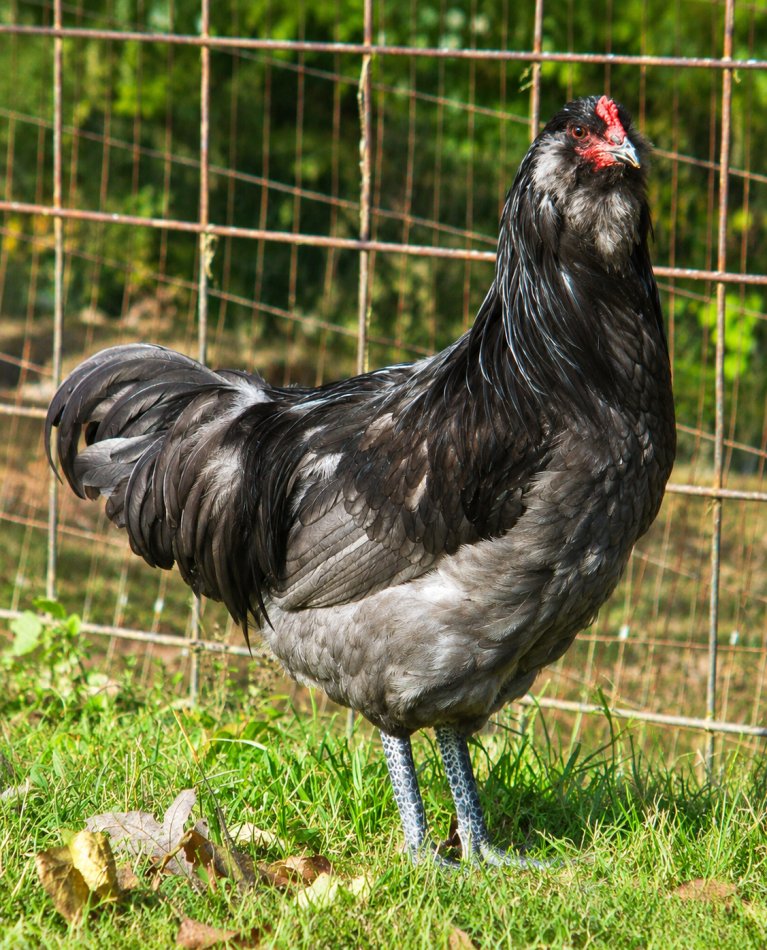
The Ameraucana is a purebred chicken and one of the most popular blue egg layers. Breeders in the United States developed it in the 1970s from Araucana chickens.
You can spot it by its full beard and muffs, the fluffy feathers around the face. Its eggs range from light pastel blue to almost turquoise. Ameraucanas are friendly, active, and hardy.
One thing to watch for: many chickens sold as Ameraucanas are really Easter Eggers, which don’t always lay blue. Buy from a breeder you trust.
Also Read: What Breed of Chicken Lays Green Eggs?
2. Araucana
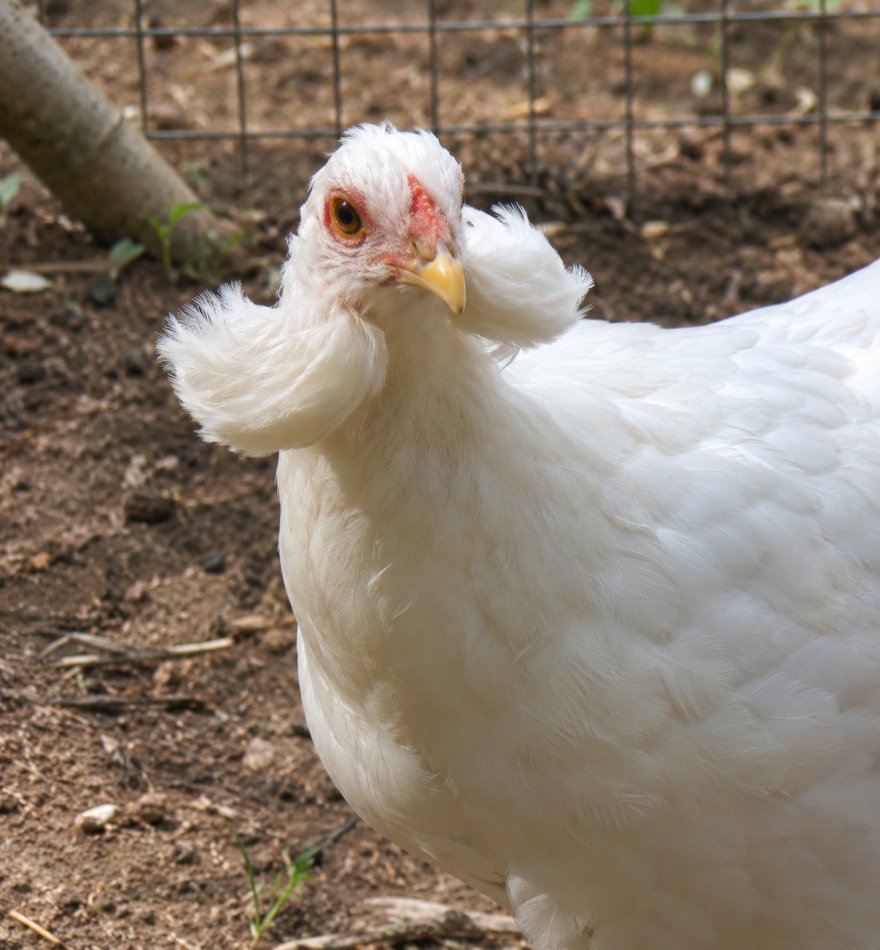
The Araucana is where it all started. It is the original blue egg layer, and one of the strangest-looking chickens you’ll see. It has no tail, and some birds have tufts of feathers near their ears.
Araucanas are rare and cost more than Ameraucanas. They are also hard to breed, because the ear tuft gene is lethal, and chicks with two copies die before hatching. The hens are active and curious.
Many birds sold as Araucanas are really Easter Eggers, so ask about the parent birds before buying.
3. Easter Egger
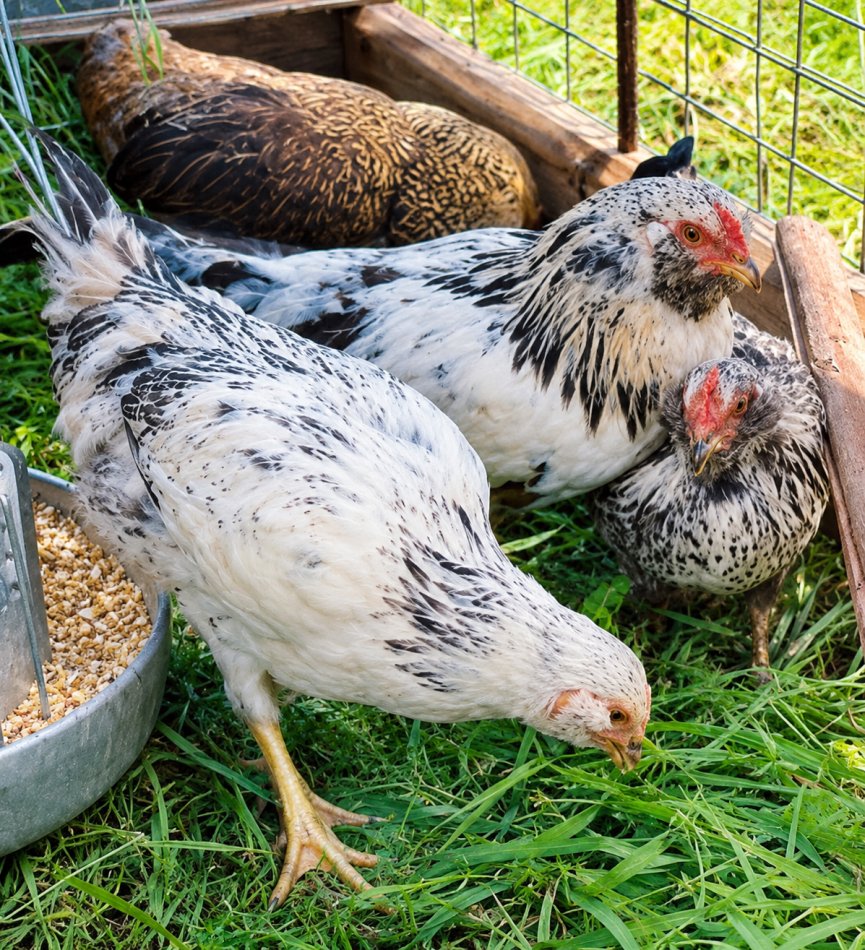
Want blue eggs but don’t know where to start? Try the Easter Egger. It isn’t a true breed, just a mix of chickens, so no two hens look alike.
Most lay blue eggs, but some surprise you with green, cream, or even pinkish ones.
Easter Eggers are friendly, hardy, and easy to find at farm supply stores. They are sometimes sold as “Americanas,” so don’t pay the price of a purebred Ameraucana for one. It’s the easiest way to start a colorful basket.
Also Read: 11 Black Chicken Breeds with Feathers on their Feet
4. Cream Legbar
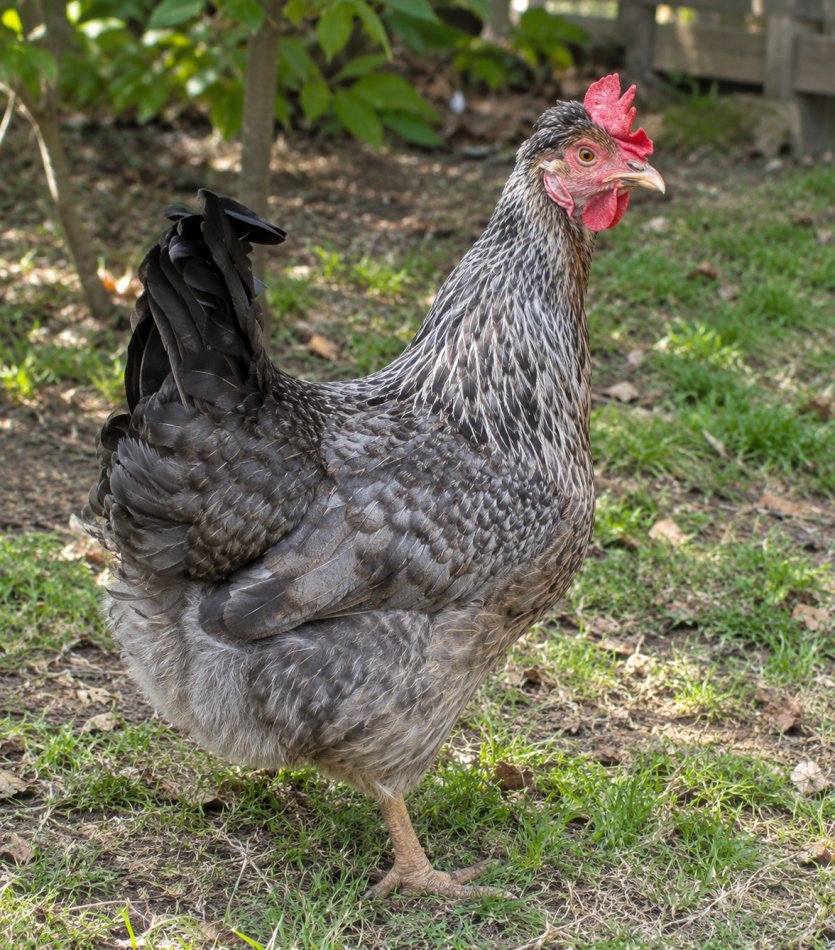
Here is a breed with a clever trick. Cream Legbar chicks can be sexed on day one, because boys and girls hatch with different markings.
Breeders call it auto-sexing. That means no surprise roosters, and it saves time and feeds money. This purebred from England lays reliable blue eggs, and the hens have soft cream and gray feathers with a small crest on top.
They are alert, active birds that love to roam, so give them room. A bantam version is also available for small yards.
5. Opal Legbar
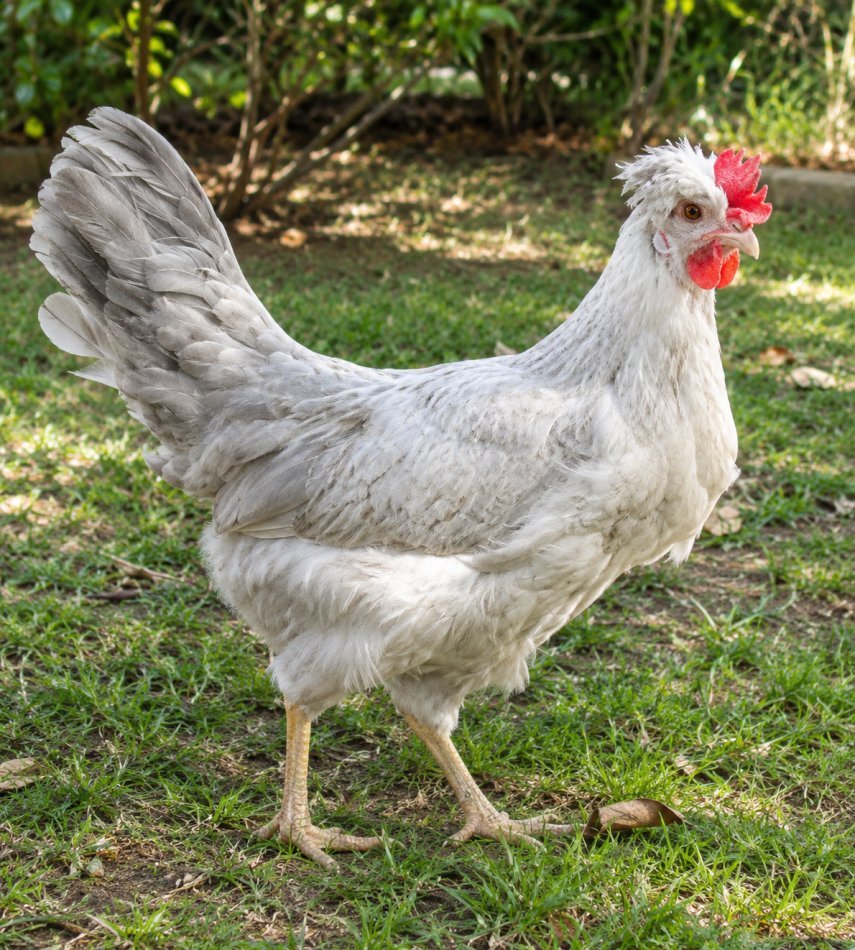
Love the Cream Legbar but want a new look? Meet its cousin, the Opal Legbar. The feathers are pale and silvery, almost like a soft cloud, but the eggs are the same lovely blue.
Its chicks also look different by gender, so you can tell hens from roosters right after hatching.
Opal Legbars are a newer variety, so they can be harder to find. Look for specialty breeders and small hatcheries. A few of these hens will turn heads in any flock.
Check this: 19 Cold Hardy Chicken Breeds that Tolerant Winter
6. Isbar
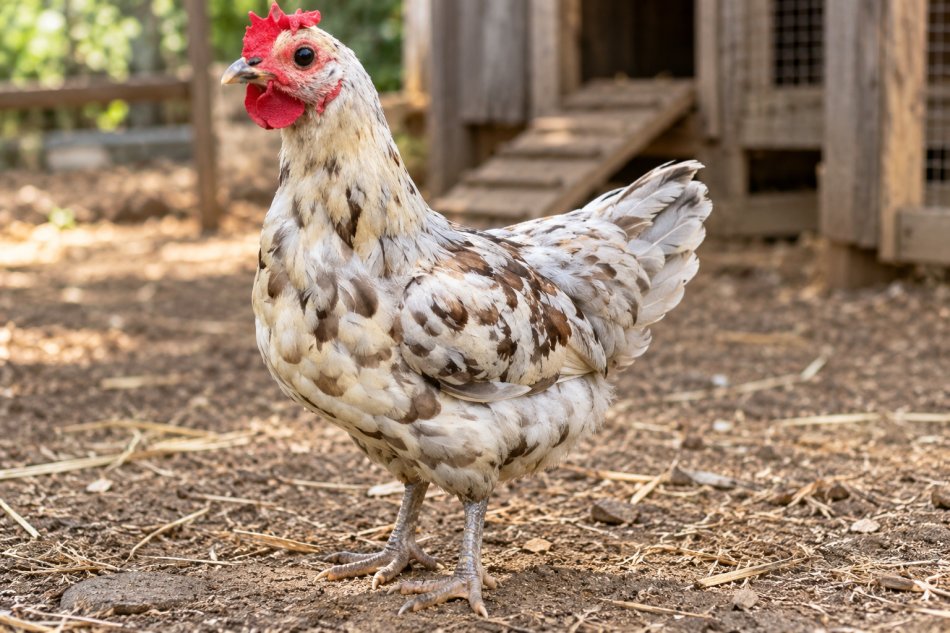
Imagine a chicken with a crest of feathers on its head that lays blue and green eggs. That’s the Isbar. It comes from Sweden and is a steady layer.
Some eggs even have tiny speckles, so you never know what you’ll find in the nest box.
The crest makes it a favorite with visitors, who always ask, “What kind of chicken is that?” If you love variety, this one is for you. A bantam version is also available if you are short on space.
7. Whiting True Blue
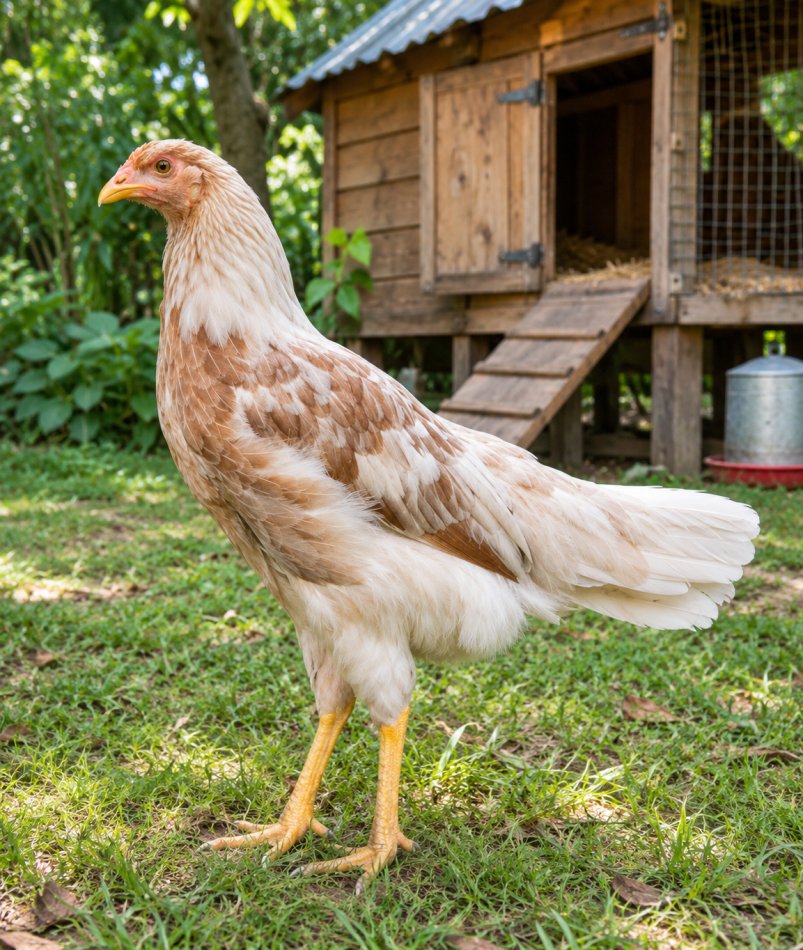
The name says it all. The Whiting True Blue was developed by Dr. Whiting, a geneticist, with one goal: dependable blue eggs. And it delivers, with bright blue shells.
The hens are friendly and lay steadily, so they fit well in a family flock. If you are new to blue egg layers, this is a stress-free place to start.
Some big hatcheries sell it, so it is easy to find. Fewer surprises, more blue eggs. Your egg basket will look great.
8. Favaucana
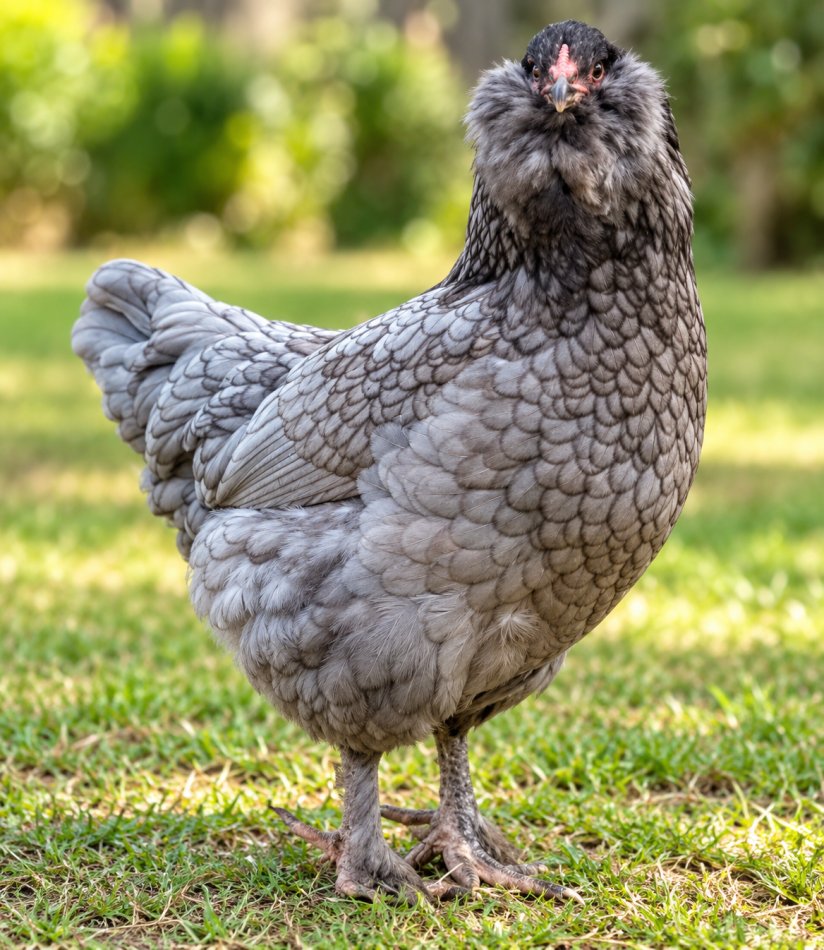
What do you get when you cross a fluffy Faverolles with an Ameraucana?
A Favaucana! This friendly mix was created to blend the best of both parents. It lays clear blue eggs and has a sweet, gentle nature.
Faverolles are known for their fluffy faces and feathered feet, so these hens often have a cute, cuddly look. They are a good match for families with kids. Since it’s a cross, shades may vary a little. Expect plenty of charm and a steady supply of blue eggs.
Check this: How to Convert a Shed to a Chicken Coop?
9. Prairie Bluebell
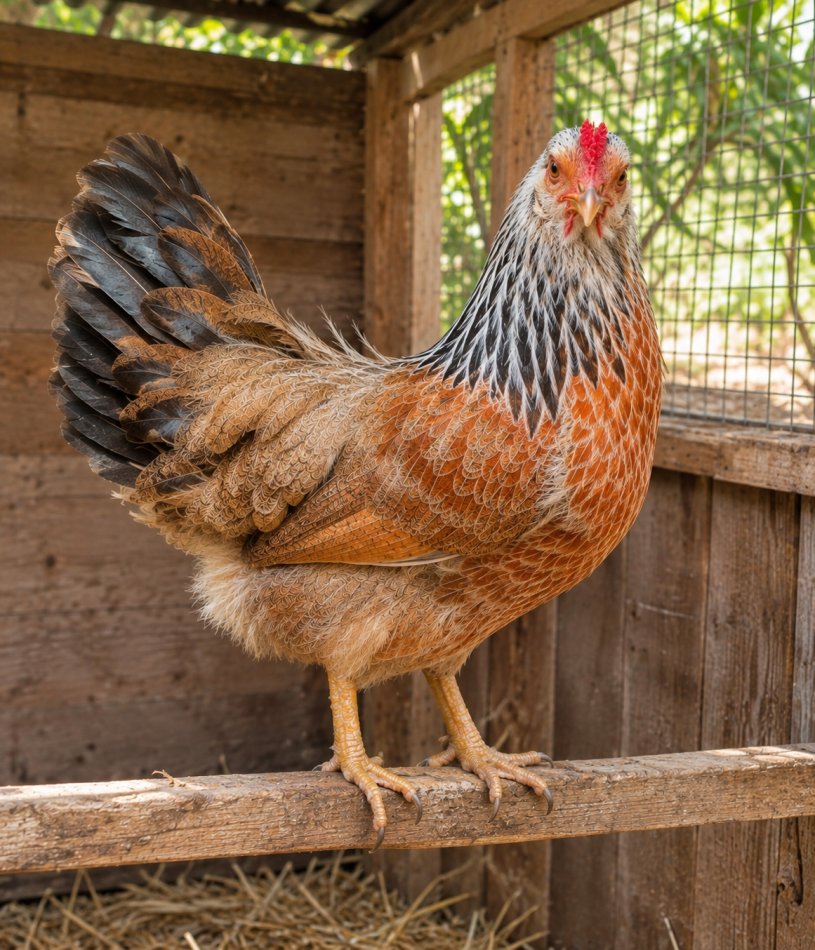
Picture a hen scratching through the grass on a sunny morning. That’s the Prairie Bluebell at its happiest. This hardy bird loves to free-range, hunting for bugs and seeds all day. In return, it lays soft blue eggs that look lovely in any basket.
It handles outdoor life well, so it suits homes with a big yard. If your chickens spend most of the day outside, this one will feel right at home. Some hatcheries sell it, so check their catalogs.
10. Lushi
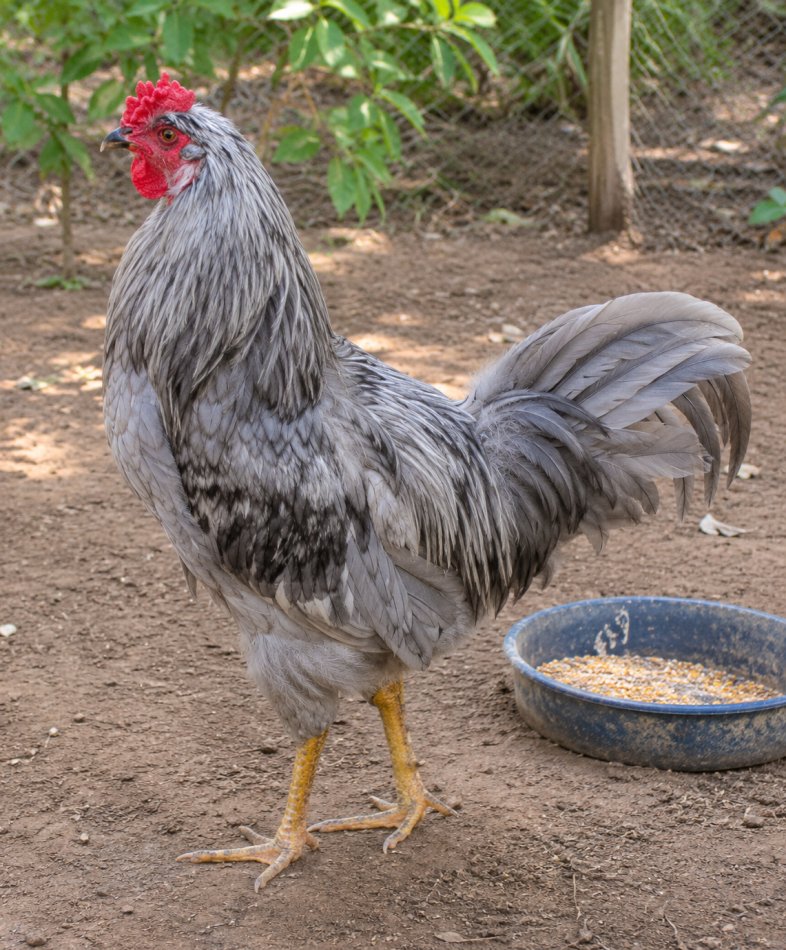
Here’s a breed you probably won’t find at your local feed store. The Lushi is a small, hardy, purebred chicken from China, and it lays blue eggs. It is rare and hard to find outside its home country.
Even so, it’s worth knowing about. Its blue egg gene did not come from the Araucana. It developed on its own. That makes it a true collector’s bird. Who knows, maybe you will be the one to bring it to your country!
11. Dongxiang
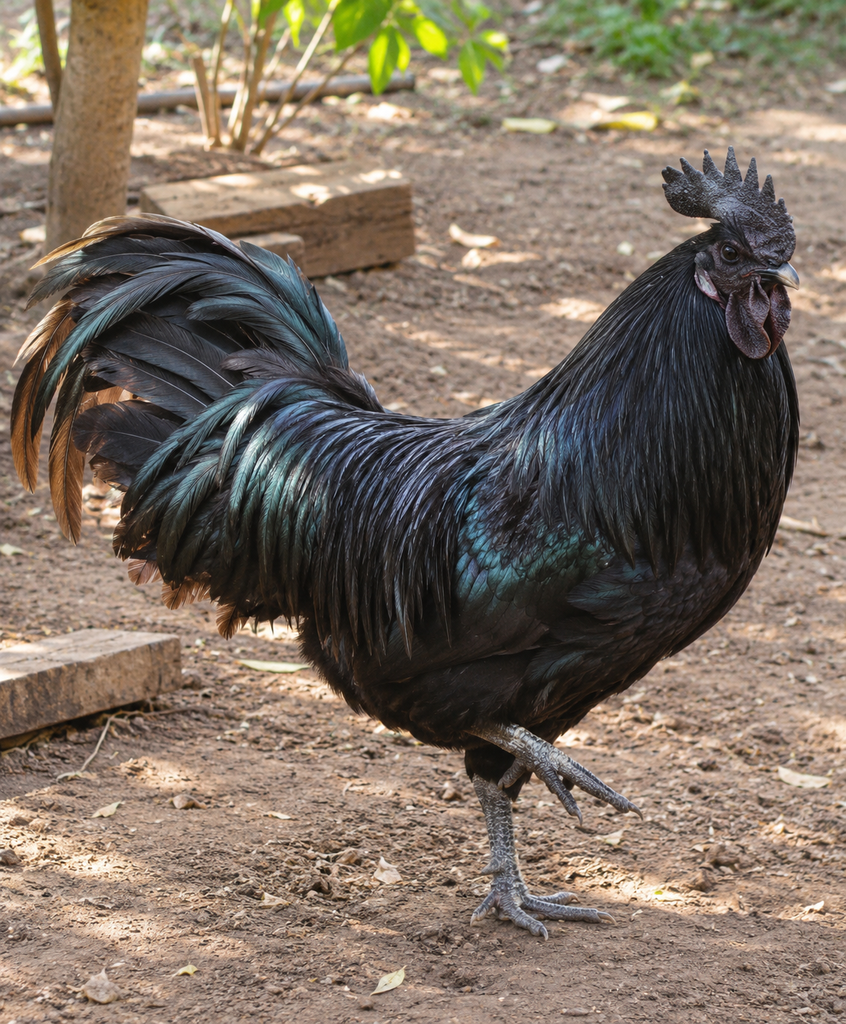
Another rare treasure from China is the Dongxiang. It is a robust, hardy chicken that lays pretty blue eggs.
Like the Lushi, it is very hard to find outside its home country, and most hatcheries do not sell it. That’s what makes it so special. If you love rare breeds, put it on your wish list and keep an eye out for specialty breeders.
Chicken keepers love a good hunt, and a Dongxiang would be quite a find. A true bucket-list bird!
12. Arkansas Blue
This one has a college background. The Arkansas Blue was developed at the
University of Arkansas by crossing a White Leghorn with an Araucana. The idea was simple: take the Leghorn’s strong laying and the Araucana’s blue eggs. The result is a hen that lays deep blue eggs.
Today it is hard to find, though some breeders sell their own versions of the cross. If you spot one, grab it. It’s a small piece of chicken history, and a great way to end the list.
What Are the Benefits of Raising Blue Egg Layers?
Blue egg layers are about more than looks. Here is why many keepers add a few to their flock.
- They stand out. If you sell eggs, a carton with blue eggs catches the eye, and buyers remember you.
- They look beautiful. A basket of blue, green, and brown eggs makes every morning chore feel special.
- They are fun for kids. Blue eggs are a simple way to teach children about genetics and why chickens lay different colors.
- They are great for photos. Food bloggers and home cooks love the color, and blue eggs look wonderful in pictures.
The eggs taste the same as any other egg, so all of this comes as a bonus.
What Should You Feed Blue Egg Layers?
Blue egg layers eat the same food as any other laying hen. Feed doesn’t change the shell color, but it does keep the eggs strong and the hens healthy.
- Layer feed: Give them a good layer crumble or pellets. It has the protein they need to lay well.
- Calcium: Keep crushed oyster shells or dried, crushed eggshells in a separate dish. Hens take what they need for strong shells.
- Grit: Chickens use small stones to grind their food, so give them a little grit.
- Treats: Table scraps, greens, and kitchen leftovers are fine in small amounts. Don’t let treats replace their main feed.
Fresh, clean water matters most of all, so refill it every day.
Conclusion
Blue eggs may look like magic, but now you know the story behind them. A tiny pigment colors the whole shell, and a handful of special breeds carry the gene that makes it happen.
Whether you pick a purebred like the Ameraucana, a surprise-filled Easter Egger, or a rare bird like the Lushi, each of these 12 breeds will add a splash of color to your egg basket. And even though blue eggs taste just like brown ones, I promise you’ll smile every time you collect them.
Start with one or two breeds that fit your space and budget, and you can always add more later.


Khaja Moinuddin, a computer science graduate, finds joy in gardening and homesteading. Join him on this blog as he shares his experiences in homesteading, gardening, and composting