I believe gardening isn’t just about planting, growing and harvesting. Preserving the yield for later use has to be taken care of by a gardener too.
Oregano is a hardy plant that grows fast once it settles. Even a single plant can give you more fresh leaves than you can use in a week.
So, drying is the best way to preserve oregano. Dried oregano can be used in pizza, pasta sauce, soups, salads, marinades, roasted vegetables and homemade seasoning blends.
You need very little: fresh oregano stems, sharp scissors, kitchen string or rubber bands, and a clean paper bag or towel. For storing, keep an airtight glass jar ready.
The easiest way is to hang it. Tie 5 to 8 stems into a small bundle and hang it upside down in a warm, shaded, airy spot.
In 1 to 2 weeks, the leaves turn dry and crumbly. Rub them off the stems and store them in an airtight jar.
5 Ways to Dry Oregano from Your Garden
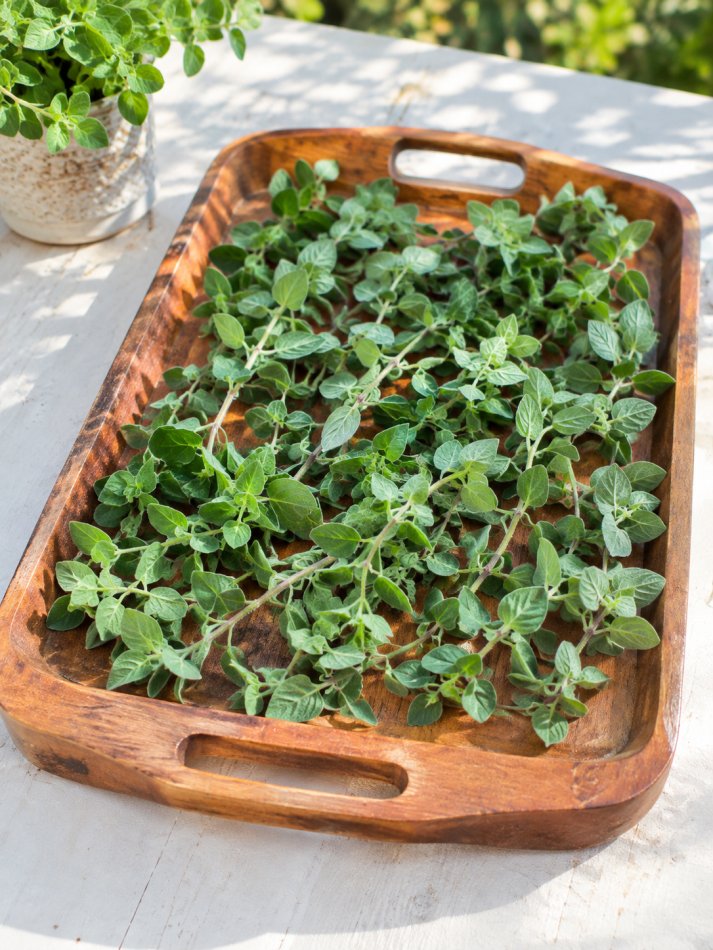
The best time to cut oregano is just before the plant flowers. At this stage, the leaves hold the most oil, and that oil gives oregano its strong taste.
Pick in the morning, after the dew has dried. Avoid cutting in the afternoon heat, because the leaves lose some of their flavor when the sun is strong.
You can cut up to one third of the plant at a time. Use sharp scissors and cut the stems just above a pair of leaves. This helps the plant grow back thick and bushy.
How to Prepare Oregano Before Drying?
A little prep makes every drying method work better. It only takes about ten minutes.
First, shake the stems gently to remove dust, small insects and dry bits. Then pick off any yellow, spotted or damaged leaves.
Washing is optional. If your oregano is clean, skip it. If you do wash it, rinse the stems in cool water and dry them fully with a clean towel. Wet leaves can grow mold, so they must be completely dry before you start.
Check this: How to Make Strawberry Preserves?
Method 1: Hang Dry Oregano (Best Overall)
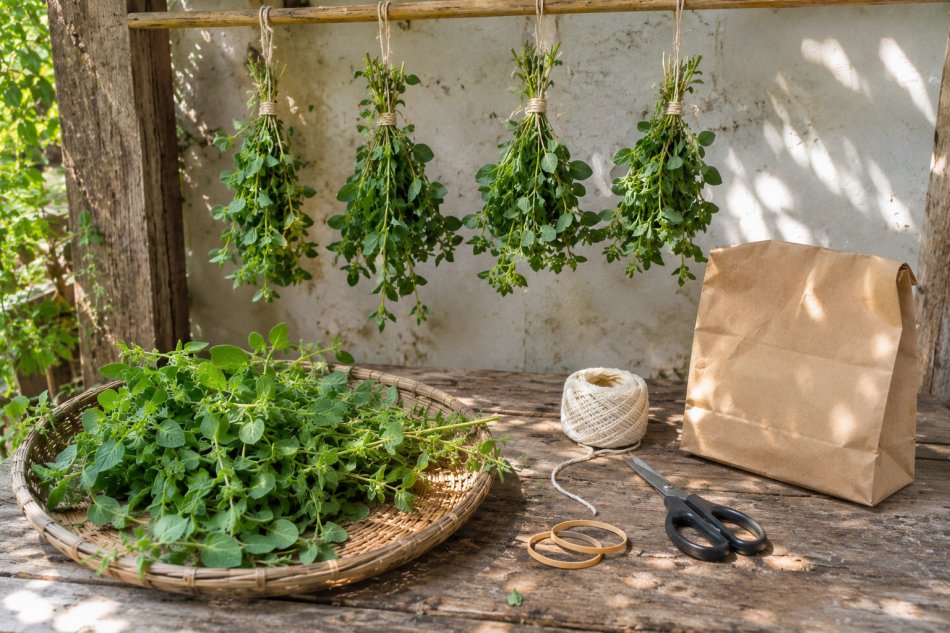
This is the oldest and easiest way to dry oregano. It costs nothing, and it keeps the flavor very well.
What you need: fresh oregano stems, kitchen string or rubber bands, scissors, a paper bag (optional) and a warm, shaded spot.
Step 1: Cut and clean the stems
Cut stems that are 6 to 8 inches long, so you have enough length to tie. Shake them gently to remove dust and small insects. Remove any yellow or damaged leaves.
Step 2: Remove the lower leaves
Strip the leaves from the bottom 2 inches of each stem. This bare part is where you will tie the string. It also lets air move freely around the bundle.
Step 3: Make small bundles
Gather 5 to 8 stems into one bundle. Thick bundles dry slowly, and the middle can turn moldy. If you have a big harvest, make several small bundles instead of one large one.
Step 4: Tie the bundle tightly
Wrap the string around the bare stems two or three times, then knot it. The stems shrink as they dry, so a rubber band is a smart choice because it tightens on its own. Leave a loop of string for hanging.
Step 5: Cover with a paper bag (optional)
Place a paper bag over the leaves with the opening at the stem end. Poke a few holes in the bag for air. Tie the bag at the bottom. The bag keeps dust off and catches falling leaves.
Step 6: Hang it upside down
Choose a warm, dry spot with good airflow, such as a kitchen corner or a covered balcony. Keep it away from direct sun and steam from cooking. Hang the bundle with the leaves facing down.
Step 7: Wait and check
Drying takes 1 to 2 weeks. Check the bundle every few days. When the leaves feel dry and crumble easily, it is ready.
Good to know: In humid weather this method takes longer. If the leaves still feel soft after two weeks, finish them in the oven or microwave.
Method 2: Dry Oregano Flat on a Towel or Screen
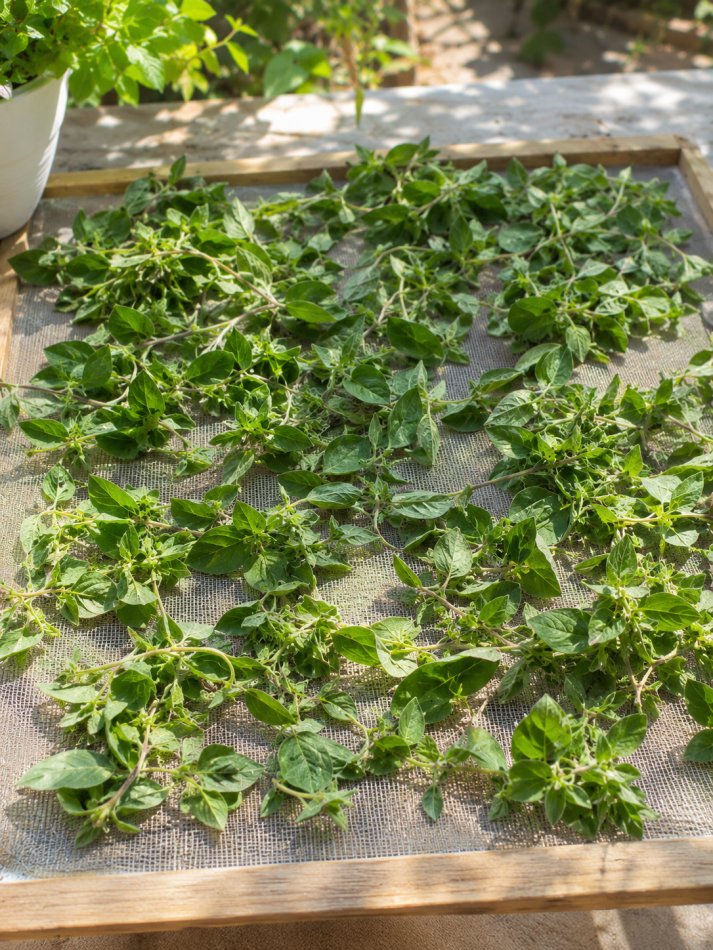
This method is great if you don’t want to tie bundles. It also works well for small harvests.
What you need: a clean kitchen towel or paper towels, a mesh screen or baking rack, and a tray.
Step 1: Prepare the stems
Shake off dust and remove damaged leaves. If the stems are wet from washing, pat them dry with a towel first. You can keep the sprigs whole or pick the leaves off the stems.
Step 2: Set up your drying surface
Lay a clean towel or paper towel on a tray. A mesh screen or baking rack is even better, because air reaches the leaves from both sides. Place the rack over a tray to catch any falling leaves.
Step 3: Spread the oregano in a single layer
Lay the sprigs flat, and leave a small gap between them. Do not pile them up. Overlapping leaves hold moisture and can grow mold.
Step 4: Choose the right spot
Place the tray in a warm, dry room with good air movement. Keep it out of direct sun. Avoid a spot near a fan or open window, because light leaves can blow away.
Step 5: Turn the sprigs daily
Gently flip the sprigs once a day. This helps both sides dry evenly. If you see any leaf turning dark or soft, remove it at once.
Step 6: Check after 3 days
Touch a few leaves. They should feel dry and crisp, not soft or cool. Most oregano is ready in 3 to 7 days.
Good to know: Keep the tray away from pets and children. Cover it with a thin cloth if the room is dusty.
Also Read: How Do You Dry Fresh Herbs from the Garden?
Method 3: Oven Dry Oregano (Fast)
The oven is the right choice when you need dried oregano in a few hours. It is also useful during the rainy season, when air drying is slow.
What you need: a baking tray, parchment paper, a wooden spoon and an oven that can go to a very low temperature.
Step 1: Heat the oven to the lowest setting
Set the oven to around 75°C (170°F) or lower. Let it heat up fully before you put the oregano inside. If your oven starts at a higher temperature, use the lowest setting and watch the leaves closely.
Step 2: Line the tray
Cover the baking tray with parchment paper. This stops the leaves from sticking and makes cleanup easy.
Step 3: Prepare the oregano
Make sure the stems are fully dry on the outside. If you want, pick the leaves off the stems. Leaves dry faster than whole sprigs.
Step 4: Spread in a single layer
Place the sprigs or leaves on the tray with small gaps between them. A thin layer dries evenly, while a thick layer steams the leaves.
Step 5: Keep the oven door slightly open
Place the tray in the oven. Put a wooden spoon in the door so it stays open a little. This lets the moisture escape instead of building up inside.
Step 6: Check every 30 minutes
Take the tray out and touch the leaves. Turn the sprigs over for even drying. Most oregano dries in 1 to 4 hours, depending on your oven.
Step 7: Cool it down
When the leaves crumble easily, take the tray out. Let the oregano cool for 10 minutes before you touch it. Warm leaves can feel soft even when they are fully dry.
Good to know: High heat is the biggest risk with this method. Burnt oregano turns brown and tastes bitter.
Method 4: Dry Oregano in a Food Dehydrator
A dehydrator gives the most even results. If you already own one, this is the easiest method, and it needs very little checking.
What you need: a food dehydrator with trays.
Step 1: Prepare the oregano
Remove dust and damaged leaves. Pat the stems dry if you washed them. You can dry whole sprigs or loose leaves.
Step 2: Set the temperature
Set the dehydrator between 95°F to 115°F. Low heat protects the natural oils in the leaves, and the oils give oregano its taste and smell.
Step 3: Arrange the trays
Spread the oregano in a single layer on each tray. Keep the sprigs from overlapping. Good airflow around every leaf is the key to even drying.
Step 4: Load the dehydrator
Slide the trays into the dehydrator. If you have fewer herbs, use the middle trays. If the machine has a fan at the back, keep the trays evenly spaced.
Step 5: Start drying and check early
Run the dehydrator for 2 to 4 hours. Check the leaves after 2 hours. Some dehydrators run hotter than others, so early checks save your herbs.
Step 6: Test for dryness
Take one leaf and rub it between your fingers. If it crumbles easily, the oregano is ready. If it bends or feels soft, dry it for another 30 minutes.
Good to know: Dry oregano on its own trays. Strong herbs, such as mint or garlic chives, can pass their smell to oregano.
Also Read: How to Dry Fresh Basil Naturally?
Method 5: Microwave Dry Oregano (Quickest)
This is the fastest way to dry oregano. It works best for small amounts, and you can finish in just a few minutes.
What you need: a microwave, two or three paper towels and a microwave-safe plate.
Step 1: Pick the leaves
Remove the leaves from the stems. Make sure the leaves are fully dry. Wet leaves steam instead of drying.
Step 2: Line the plate
Place one paper towel on the plate. It will soak up extra moisture while the leaves heat.
Step 3: Spread the leaves
Lay the leaves on the paper towel in a single layer. Do not pile them up. A thin layer heats evenly and avoids burnt spots.
Step 4: Cover the leaves
Place another paper towel over the leaves. This stops the leaves from jumping around and keeps the microwave clean.
Step 5: Heat in short bursts
Microwave on high for 30 seconds. Take the plate out and check the leaves. Do not run the microwave for a long time at once, because oregano can burn very fast.
Step 6: Repeat and check
Heat again in bursts of 20 to 30 seconds. Check the leaves each time. Most oregano is dry in 1 to 3 minutes in total.
Step 7: Cool before storing
Let the leaves cool on the plate for a few minutes. They become crispier as they cool. Then store them in a jar.
Good to know: Every microwave has a different power level. Check often the first time, so you learn how your microwave behaves.
How to Know Your Oregano Is Fully Dried?
Dry oregano should crumble easily when you rub it between your fingers. The leaves should feel light and crisp, and the stems should snap instead of bend.
If the leaves feel soft, cool or slightly damp, they need more time. Storing oregano that is not fully dry is the most common reason for mold in the jar.
Here is a simple test. Put a few dried leaves in a small jar and close the lid. If you see tiny water drops inside the jar after a day or two, the oregano is still holding moisture. Take it out and dry it a little more.
How to Store Dried Oregano?
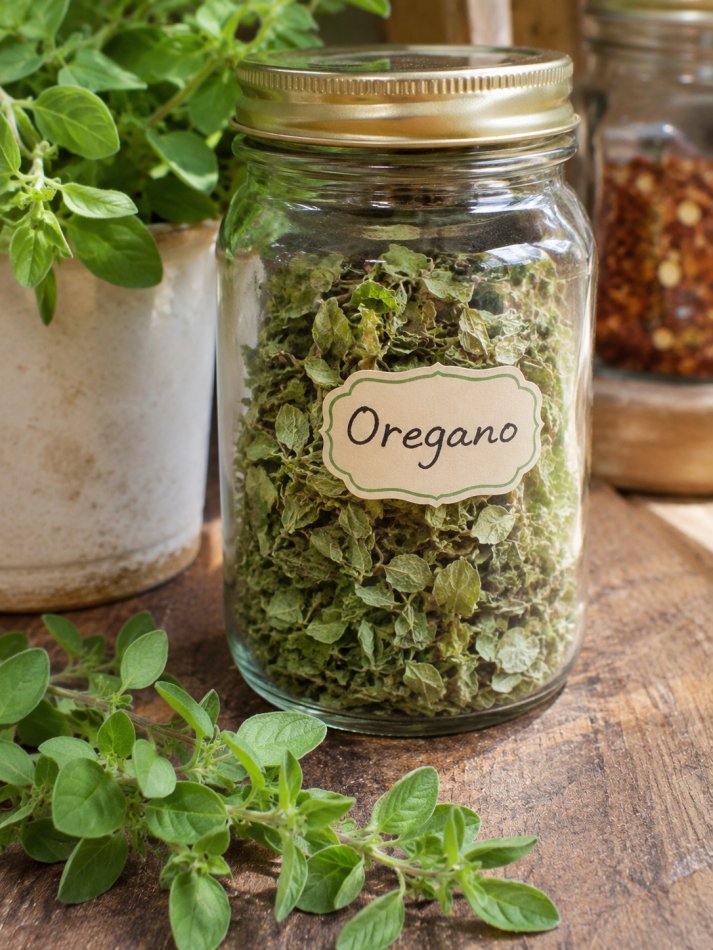
Once the oregano is dry, strip the leaves off the stems. Run your fingers down each stem from top to bottom, and the leaves will come off easily.
Store the leaves whole, if you can. Whole leaves keep their flavor much longer than crushed ones. Crush them with your fingers only when you are ready to cook.
Use an airtight glass jar with a tight lid. Keep it in a cool, dark cupboard, away from the stove and sunlight. Heat and light slowly kill the flavor.
Write the date on the jar with a marker. Dried oregano stays good for up to a year, but it tastes best in the first six months.
Common Mistakes to Avoid When Drying Oregano
Most problems come from a few simple errors. Here is what to watch for.
- Using wet leaves. Always dry the stems fully after washing, or skip washing.
- Making thick bundles. Big bundles dry slowly and can grow mold inside.
- Using high heat. Hot ovens and long microwave times burn the leaves.
- Drying in direct sun. Sunlight fades the color and weakens the taste.
- Storing too early. Even a little moisture can spoil a whole jar.
Which Method Should You Choose?
If you have time, hang drying is the best choice. It is free, it is simple and it gives great flavor.
If the weather is humid, use the oven or the dehydrator. If you only have a small handful of leaves, the microwave is the fastest option.
Whatever you pick, the goal is the same. Remove the moisture slowly and gently, and keep the oils in the leaves.
Conclusion
Drying oregano is one of the easiest ways to make use of your garden harvest. With a little care, one plant can fill several jars.
Try one method this week, and see which one suits you. A jar of your own homegrown oregano makes every pizza and pasta taste better.


Khaja Moinuddin, a computer science graduate, finds joy in gardening and homesteading. Join him on this blog as he shares his experiences in homesteading, gardening, and composting