Most gardeners put their tools away once the first hard frost arrives. They shouldn’t. December is a productive planting month in much of the world, and what goes into the ground now often outperforms what is planted in spring.
The deciding factor is soil, not the calendar. If you can push a trowel into the top few inches, the ground is workable, and cold-season planting is still possible.
In mild regions, hardy vegetables and flowers will grow steadily through winter. In colder regions, seeds and bulbs stay dormant until the soil warms, then start growing before spring plantings have even begun.
Planting now also spreads out the workload. Cool-season crops need little care, pests are scarce, and the spring rush is far easier to manage when part of the garden is already established.
This guide covers the best vegetables, flowers, bulbs, and perennials to plant in December, with simple tips to help them survive the cold.
Before You Plant: Check Your Conditions
Planting in December works only when conditions allow it. A few quick checks will tell you what is possible in your garden.
Test the soil. Workable soil is soil you can dig at least 3 to 4 inches deep. It should crumble in your hand. If it is frozen solid or sticky and waterlogged, wait for a milder spell.
Know your climate zone. Your hardiness zone determines which plants survive winter outdoors.
Gardeners in zones 8 to 11 can grow most cool-season crops through the coldest months.
In zones 3 to 7, December planting is limited to garlic, bulbs, bare-root plants, and seeds that sleep until spring.
Check your frost dates. Your average last frost date in spring helps you judge what can be planted now and what should wait.
Understand the difference between mild and cold climates. In mild climates, plants keep growing, so you will harvest through winter. In cold climates, the goal is establishment. Roots form, seeds stay dormant, and growth resumes in spring.
What to Plant in December – Veggies, Flowers
Cool-season vegetables handle low temperatures well. Many taste better after a light frost because cold triggers them to convert starches into sugars.
1. Garlic
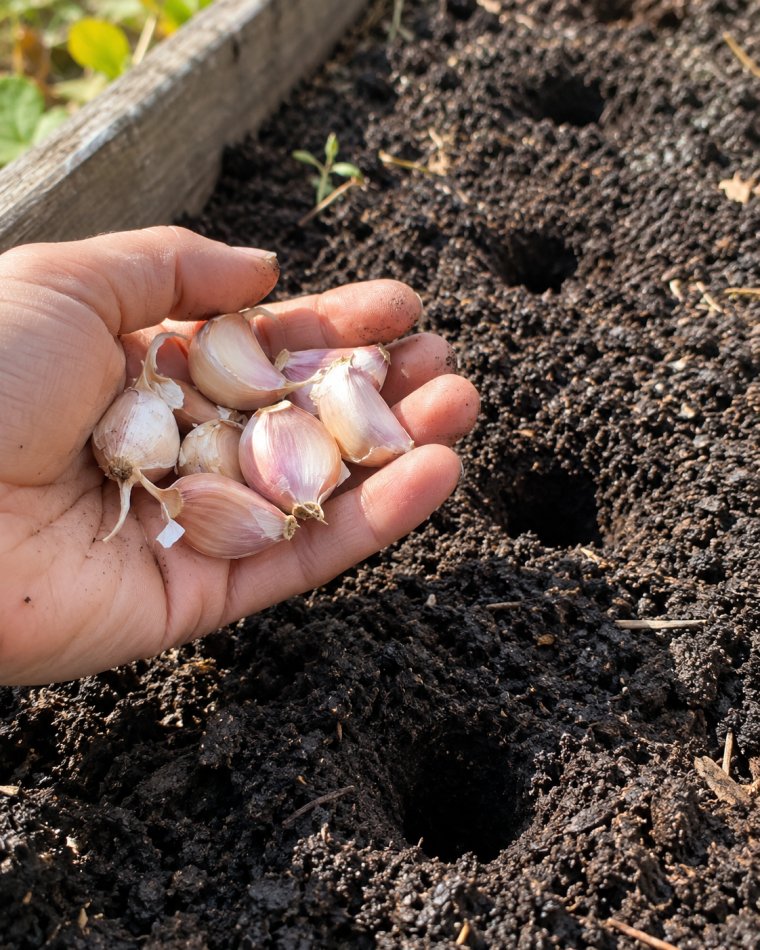
Garlic is the classic late-fall crop, and December is still acceptable if the ground can be dug.
Plant individual cloves pointed end up, about 2 inches deep and 4 to 6 inches apart. Cover with 2 to 3 inches of mulch. Roots develop over winter, and bulbs are ready the following summer.
2. Spinach

Spinach is among the hardiest greens. In mild areas, sow seeds every two weeks for a steady winter harvest.
In cold areas, seeds sown now will germinate as soon as soil temperatures rise in early spring.
3. Kale
Kale tolerates temperatures well below freezing and gets sweeter in the cold. Direct sow seeds or set out transplants in mild regions. Use frost cloth during severe cold snaps.
4. Lettuce
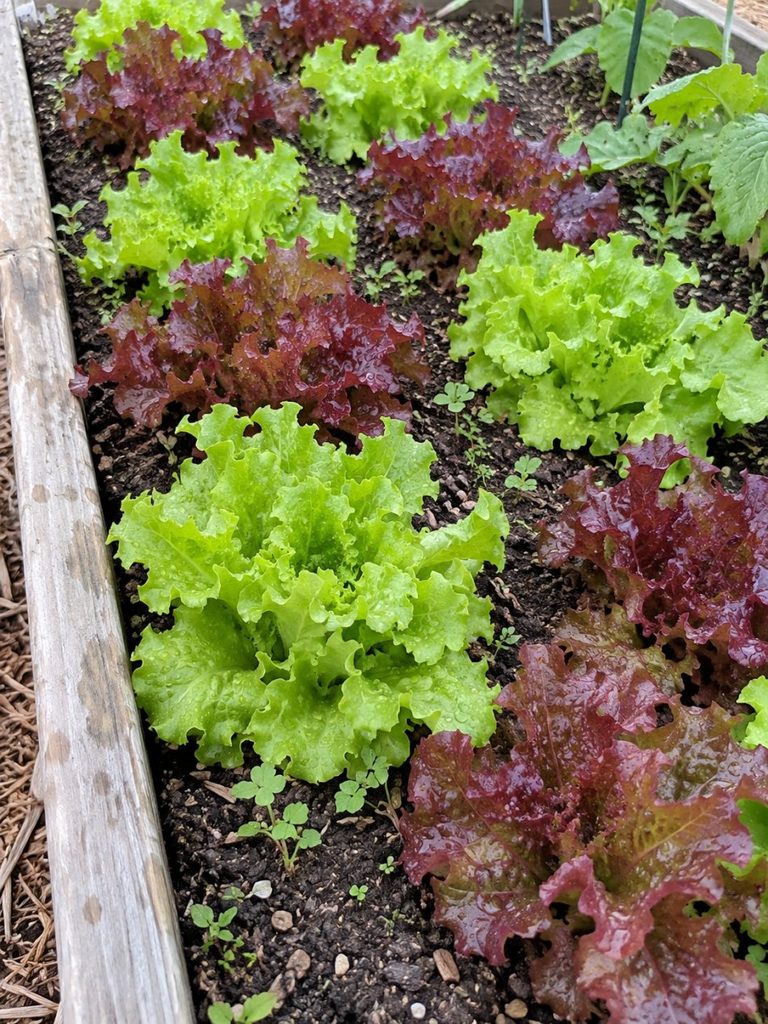
Choose cold-hardy varieties such as ‘Winter Density’, ‘Arctic King’, and ‘Winter Marvel’.
Lettuce grows best in a cold frame or under a low tunnel in colder areas. In frost-free regions, it can be grown in open beds.
Check this: How to Stop Lettuce From Bolting?
5. Peas
Peas germinate in cool soil and produce early spring crops. Plant them in December in mild-winter regions, and provide a trellis or netting for support. Choose a spot with full sun.
6. Radishes
Radishes are fast and reliable. In warm climates, they are ready in 25 to 30 days. Sow seeds about half an inch deep and thin seedlings to 2 inches apart.
7. Carrots

Carrots prefer cool soil and develop excellent flavor in winter. Sow in loose, deep soil free of stones.
Keep the bed evenly moist until seedlings emerge, which can take two to three weeks in cold soil.
8. Onions and Shallots
In mild regions, plant onion sets or transplants in December for a late spring harvest.
Shallots can be planted alongside garlic in the same way, with the tips just visible above the soil.
9. Broccoli, Cabbage, and Cauliflower
These brassicas thrive in cool weather. In frost-free or very mild regions, set out transplants now.
Space them 18 to 24 inches apart and water regularly. Cover them during hard freezes.
10. Fava Beans
Fava beans are tough, productive, and good for the soil because they add nitrogen.
Sow seeds 1 to 2 inches deep in mild climates. They produce pods in spring and often outlast other legumes in cold weather.
Also Read: 36 Vegetables You Can Plant in January
Flowers to Plant in December
Cold-season flowers add color to a bare winter garden. Many can also be sown now for spring blooms.
11. Pansies and Violas

Pansies and violas are among the toughest flowers available. They bloom in cool weather, tolerate light frost, and often resume flowering after a freeze. Plant nursery transplants in containers or beds.
12. Sweet Peas
Sweet peas grow best when roots develop in cool soil. In mild climates, sow seeds about 1 inch deep and provide a trellis. Soaking seeds overnight improves germination.
13. Snapdragons
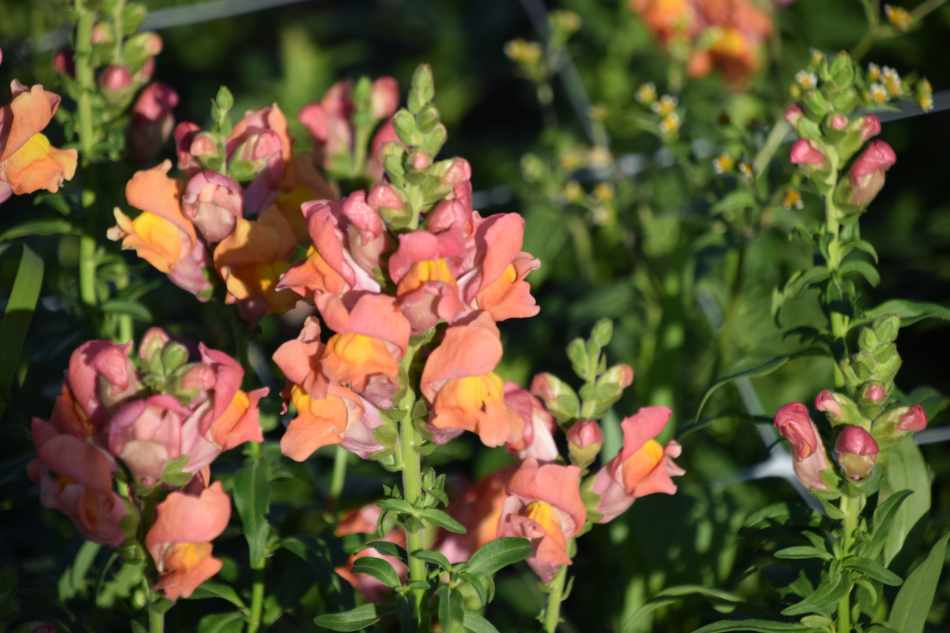
In warm regions, snapdragons planted in December bloom through winter and well into spring. In cold regions, they are better started indoors or in late winter.
14. Poppies and Larkspur
These flowers actually need cold exposure to germinate. Scatter seeds on bare soil, press them in lightly, and leave them uncovered. Winter moisture and temperature changes do the rest.
Also Read: 19 Vegetable Seeds to Plant in February
Bulbs to Plant in December

Spring-blooming bulbs can be planted as long as the soil can be dug. Late planting is better than not planting at all. Bulbs that go in during December often bloom a little later but perform well.
Best bulbs for December: tulips, daffodils, hyacinths, crocuses, alliums, and grape hyacinths.
Planting depth and spacing. A reliable rule is to plant bulbs at a depth of about three times their height, pointed end up. Large bulbs such as tulips and daffodils need 6 to 8 inches of soil above them. Small bulbs such as crocuses need about 3 to 4 inches. Space large bulbs about 4 to 6 inches apart.
Pre-chilling for warm climates. Tulips and hyacinths need a cold period to bloom. In regions without cold winters, store the bulbs in the refrigerator for 6 to 8 weeks before planting. Keep them away from ripening fruit, which releases ethylene gas that can damage flower buds.
Trees, Shrubs, and Perennials
Bare-Root Plants
Bare-root roses, fruit trees, and berry bushes are widely available in winter. They are sold dormant and without soil, which makes them cheaper and easier to establish than potted plants.
Plant them as soon as possible after purchase. Soak the roots in water for a few hours first, then plant at the same depth as they grew in the nursery.
Hardy Perennials
Perennials can be planted in December if the ground is not frozen. Water well after planting and apply a 2 to 3 inch layer of mulch to protect roots from freeze-thaw cycles.
Good choices include coneflowers, hostas, daylilies, and sedum.

Check this: 9 Tips for Growing Vegetables in a Greenhouse
What to Plant Indoors in December?
If the ground is frozen, you can still grow plants indoors.
- Paperwhites and amaryllis: Both bloom in a few weeks and need no pre-chilling. Plant them in pots or shallow dishes with pebbles and water.
- Microgreens: Sunflower, pea, radish, and broccoli microgreens are ready in 1 to 2 weeks. They need only a tray, potting mix, and a bright location.
- Windowsill herbs: Parsley, chives, mint, and cilantro do well in a south-facing window. Basil needs more warmth and light.
Winter Sowing Method
Winter sowing is a simple way to start seeds outdoors in cold climates, without grow lights or heat mats.
How it works. Seeds are sown in containers with drainage and ventilation, sealed in a clear cover, and left outside all winter. Natural temperature swings break dormancy, and seedlings emerge when conditions are right.
Basic steps:
- Cut a clear plastic jug in half, leaving the hinge intact, and add drainage holes to the bottom.
- Fill the base with 3 to 4 inches of moist potting mix.
- Sow seeds according to the packet directions.
- Tape the jug shut, label it, and set it outdoors in a sheltered, sunny place.
- Open the lid on warm spring days and water if the soil dries out.
Best seeds for winter sowing: kale, spinach, lettuce, broccoli, poppies, larkspur, coneflowers, milkweed, and most hardy perennials.
Tips for Planting in December
- Mulch generously. A 2 to 3 inch layer of straw, shredded leaves, or bark protects roots and keeps soil temperatures steady.
- Water carefully. Winter plants need less water, but the soil should never dry out completely. Water in the morning on days above freezing.
- Protect from frost. Keep row covers, frost cloth, or old bedsheets ready for sudden cold snaps. Remove them during the day.
- Choose cold-hardy varieties. Look for words like “winter,” “hardy,” and “frost-tolerant” on seed packets.
- Use raised beds and containers. They drain well and warm up faster than ground soil.
Also Read: How to Protect Tomato Plant from Frost?
Common Mistakes to Avoid
Planting in frozen or waterlogged soil. Roots cannot establish in either condition, and seeds may rot. Wait for a thaw or for the soil to drain.
Overwatering. Cold soil dries slowly. Too much water leads to root rot and fungal disease, especially for garlic and bulbs.
Skipping mulch. Without mulch, repeated freezing and thawing can push shallow roots and bulbs out of the ground.
Choosing the wrong varieties for your zone. A plant that thrives in zone 9 may not survive in zone 5. Always check hardiness ratings before buying.
Planting too late for the season. If the ground is frozen for months, plant only dormant items such as bulbs, garlic, bare-root plants, and seeds meant to wait until spring.
Also Read: 13 Cold Hardy Vegetables You Can Grow This Year
Can you plant vegetables in December?
Yes. In mild climates, you can plant spinach, kale, lettuce, peas, radishes, carrots, onions, and brassicas. In colder climates, garlic and seeds that remain dormant until spring are the best options.
What flowers can you plant in December?
Pansies, violas, snapdragons, and sweet peas suit mild climates. Poppies and larkspur can be sown almost anywhere, and spring bulbs can be planted wherever the soil can be dug.
Can you plant garlic in December?
Yes, as long as the soil is not frozen. Garlic planted in December may produce slightly smaller bulbs than October plantings, but it still does well with a good layer of mulch.
What is the best thing to plant in winter?
Garlic is the most reliable winter crop for most gardeners. Spinach, kale, and spring bulbs are also excellent choices, depending on your climate.
Conclusion
December does not have to mean the end of the gardening year.
Whether you are sowing spinach in a mild-climate bed, planting garlic under mulch, or growing microgreens on a windowsill, there is always something that can go in. A little effort now means an earlier start in spring.


Khaja Moinuddin, a computer science graduate, finds joy in gardening and homesteading. Join him on this blog as he shares his experiences in homesteading, gardening, and composting