Your chicken needs around 40 different nutrients to grow well. Vitamins, minerals, energy, water, and protein all have a job.
Poultry nutrition guides say birds need at least 38 nutrients in the right amounts and balance. Protein is the one that builds the body, from feathers and muscle to every egg you collect.
If chicks don’t get enough, they grow slower and start laying later. Researchers saw this when they cut protein during the growing period, and the birds were slower to grow and reached laying age later. Those lost eggs didn’t come back later either.
Grown hens are the same. In a long-term study, protein levels changed the hens’ body weight, how many eggs they laid, and how big those eggs were. But more isn’t always better.
A 2024 study found that about 15.6% crude protein worked best for egg production. The goal is the right amount, not the highest.
The good news is that you can get there easily. Regular pellets are a good base, and a few protein-rich extras can fill the gap.
You shouldn’t rely on one feed to get your chickens enough protein. The best protein food for chicken is a complete feed with the right protein level for their age, plus a few high protein extras.
The top treats are mealworms, black soldier fly larvae, crickets, cooked eggs, and sunflower seeds.
Keep treats to about 10% of the daily diet, and give a little more protein when your chickens are growing or molting. This guide covers all 20 options, with protein levels and how to serve each one.
How Much Protein Do Chickens Actually Need?
It depends on their age. Chicks need more protein than hens that are already laying, so the right amount at each stage matters more than the highest amount.
Baby chicks (0 to 8 weeks): Chicks grow fast. Most starter feeds have 18% protein, and some go up to 20%. Going higher can make them grow too quickly. hobbyfarmshobbyfarms
Growing pullets (8 weeks until laying): Stay with a grower feed at around 18% protein. Don’t switch to layer feed too early. The extra calcium can cause permanent kidney damage in young birds. Wait until 18 weeks or the first egg. murdochs
Laying hens: Most layer feeds have 16% protein. That is enough for hens in a run and for free-range hens. It also matches the research we covered above. hobbyfarms
Molting hens: This is when hens need the biggest boost. Feathers are about 85% protein, so without extra, new feathers can be slow to grow back and poorly formed. Switch to a 20% feed slowly over a week. Go back to 16% once they start laying again. poultryproducerpoultryproducer
Meat birds: Broiler feeds usually have 20 to 22% protein for fast growth.
Signs Your Chickens Need More Protein
Chickens can’t tell you when their feed is falling short. But their bodies usually do. Here’s what to look for.
- Slow growth in chicks: If your chicks look smaller than others the same age, or they’re slow to feather out, they may not be getting enough protein.
- Fewer or smaller eggs: Eggs are mostly protein. When a hen’s diet falls short, she may lay less often, and the eggs can come out smaller.
- Dull, ragged feathers: Feathers are made almost entirely of protein. If your hens look scruffy or have bare patches, protein is one of the first things to check.
- Slow feather regrowth during molt: A molt that drags on for months is a common clue. New feathers need a lot of protein, and hens with too little can take much longer to get their coats back.
- Feather picking or egg eating: Hens sometimes peck at each other’s feathers or crack and eat their own eggs. Boredom and crowding can cause this too, but low protein is a common reason.
- A thin, weak look: If a hen is losing weight even though she’s eating plenty of feed, her diet may be missing what she needs.
Many of these signs can also come from other things, like mites, worms, stress, heat, short winter days, or plain old age. Check the feed first, since it’s the easiest thing to fix. If a bird still looks off after a few weeks, or seems sick, it’s worth talking to a vet.
Also Read: How to Deworm Chickens Naturally?
20 High Protein Chicken Feeds
Remember, these are treats on top of a complete feed. Keep them to about 10% of the daily diet so you don’t throw off the balance. Let’s start with the bugs, since chickens go crazy for them.
1. Mealworms
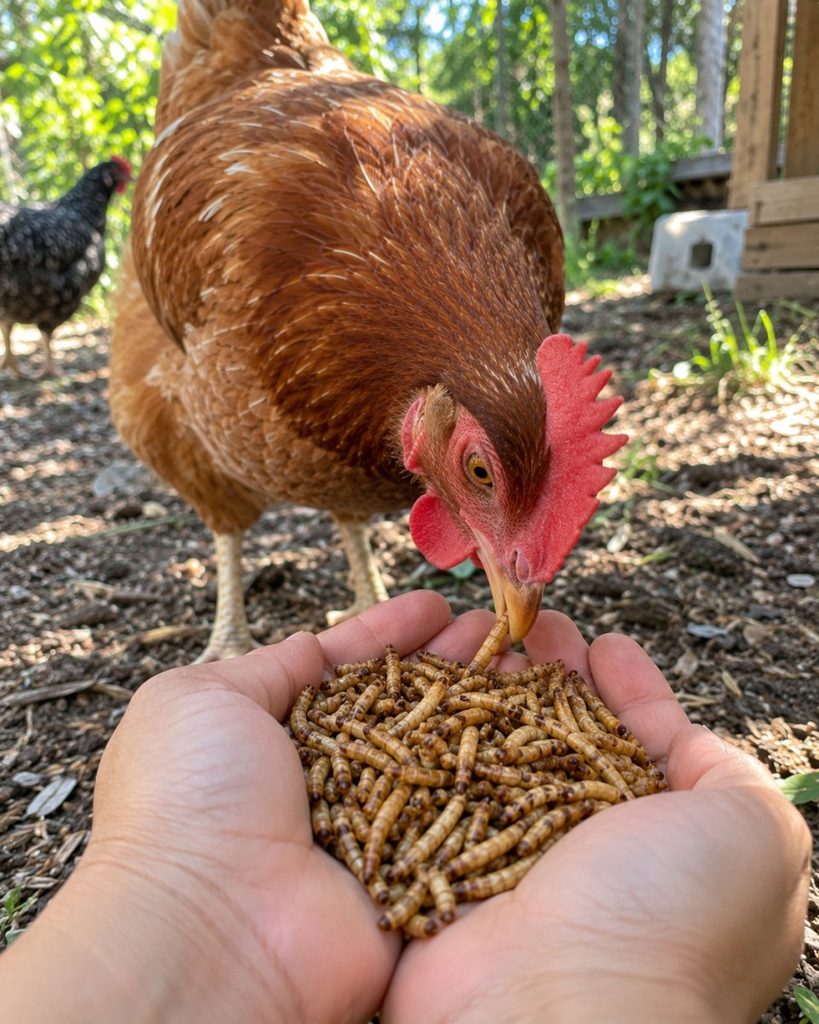
Mealworms are the classic chicken treat for a reason. Dried ones are around 50% protein, while live ones are closer to 20%. They’re great during molt, when hens need extra protein for new feathers.
A small handful per hen a few times a week is plenty. Sprinkle them on the ground and let your flock scratch for them.
2. Black Soldier Fly Larvae
These are a favorite among backyard keepers. Dried larvae have roughly 40% protein, and they’re also rich in calcium, which helps with eggshells. Chickens love them dried or live.
Offer a small handful per hen a few times a week. If you’re buying dried ones, pick a brand with no added salt or flavoring.
3. Crickets
Crickets are one of the highest protein treats on this list. Dried ones can reach 60% or more, and live ones are around 20%. Chasing live crickets also gives your hens some exercise.
Buy them from a pet or feed store, or raise your own. Skip wild-caught crickets if you spray your yard, since they can carry pesticides.
4. Earthworms
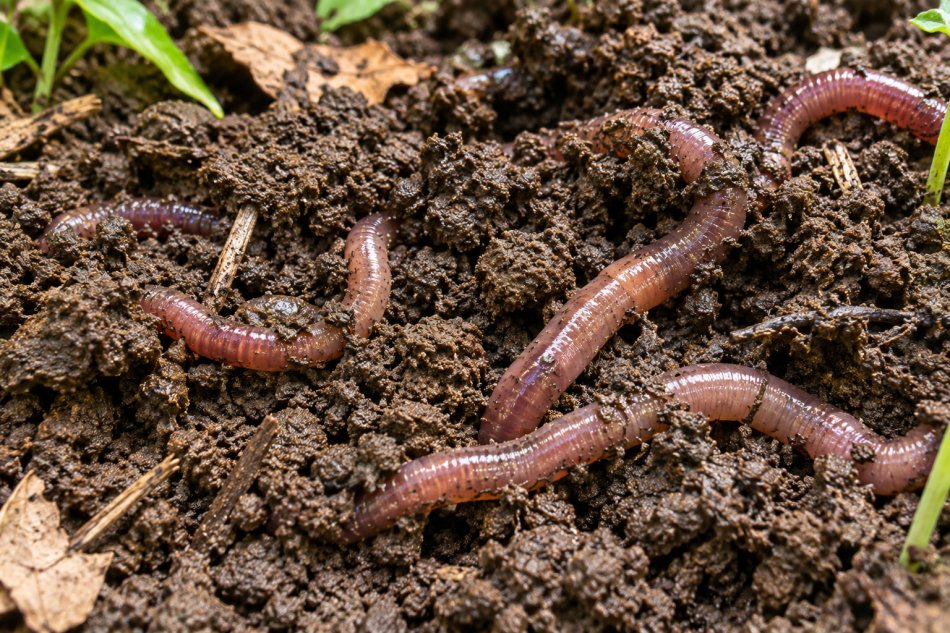
Earthworms are free if you have a garden or compost bin. They’re about 60% protein when dried, and hens will snap them up fresh. Just give them whole, like you would any other bug.
Pick worms from clean soil that has never been treated with chemicals. A few worms per hen is enough, since they’re more of a bonus than a staple.
Check this: 9 Ways to Winterize Chicken Coop
5. Cooked Eggs
It feels odd to feed eggs to chickens, but it works. A cooked egg has about 13% protein, plus plenty of vitamins and minerals. Scramble or hard boil them, then chop them up.
Never feed raw eggs or whole shells that look like eggs. Hens can pick up the habit of eating their own. Give an egg or two for the whole flock, a few times a week.
6. Cooked or Canned Fish
Fish like sardines are packed with protein, around 25%, along with healthy omega-3 fats. Chickens love them, and the omega-3s can end up in your eggs too.
Use fish packed in water with no salt, oil, or sauces. Cook fresh fish and take out the bones. Go easy, because too much can give eggs a fishy taste. A small bite per hen once or twice a week is plenty.
7. Plain Yogurt
Yogurt has around 4 to 10% protein, depending on the type, and Greek yogurt sits at the higher end. It also has probiotics that can help with digestion, which is handy in hot weather or after a stressful week.
Always pick plain, unsweetened yogurt. Sugar and flavorings aren’t good for chickens. A spoonful per hen is enough, and don’t give it every day.
8. Cottage Cheese
Cottage cheese has about 11% protein, and it’s a good source of calcium too. Chickens usually gobble it up fast, so it’s easy to serve.
Pick a plain, low-salt kind. Dairy can upset a chicken’s stomach if there’s too much, so keep it small, like a spoonful per hen once or twice a week.
Also Read: 11 Black Chicken Breeds with Feathers on their Feet
9. Sunflower Seeds
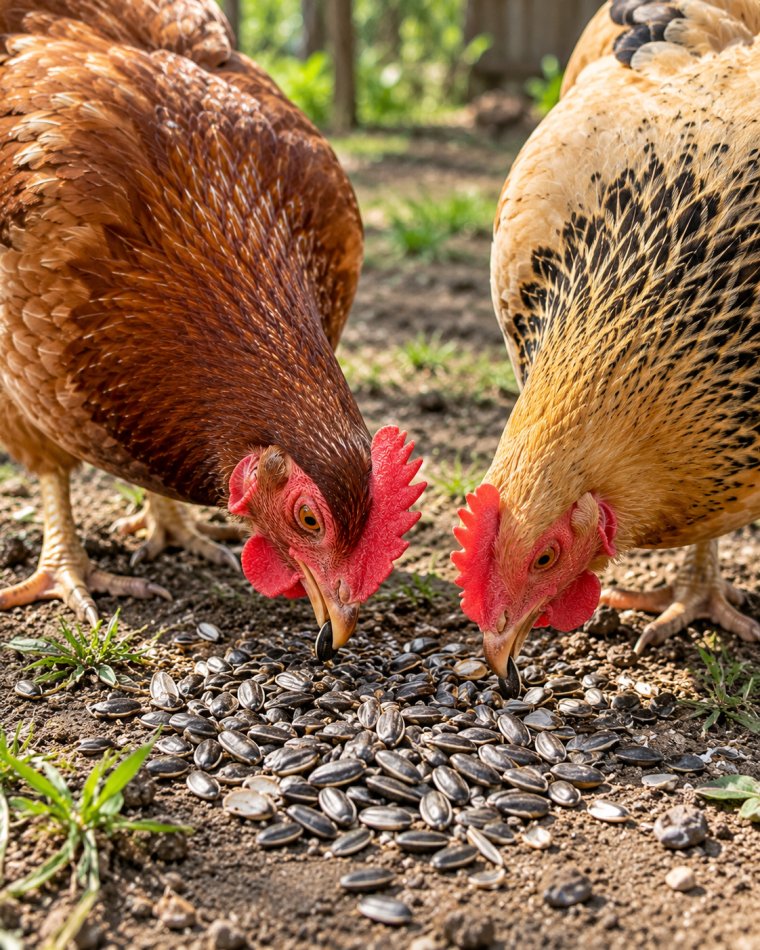
Black oil sunflower seeds are a backyard favorite. They have around 16 to 20% protein, plus healthy fats that help feathers look shiny. That makes them a great pick for molt and cold weather.
They’re also high in fat, so keep it light. A small handful for the whole flock a few times a week is plenty. Choose plain, unsalted seeds.
10. Pumpkin Seeds
Pumpkin seeds have around 30% protein, which makes them one of the best seeds on this list. They’re also a nice way to use up what’s left after carving pumpkins in the fall.
Serve them raw or dried, whole or chopped. Skip anything roasted with salt or seasoning. A small handful per few hens is enough.
11. Flaxseed
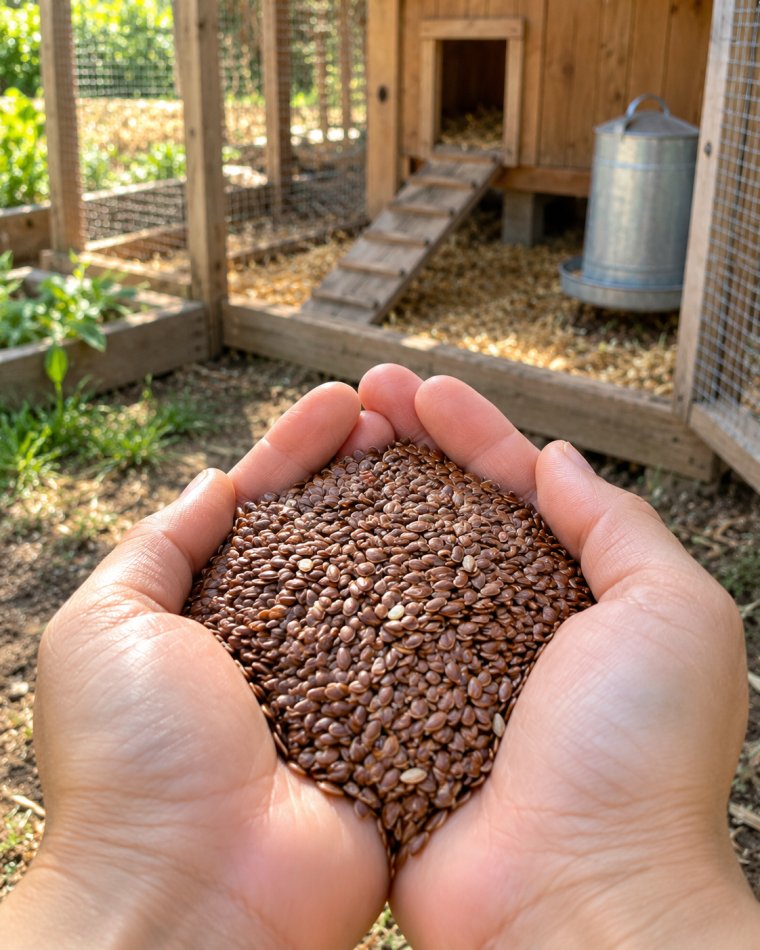
Flaxseed has about 18% protein, along with omega-3 fats that can end up in your eggs. Hens also tend to look glossier when they get a little flax.
Use it as a sprinkle, not a main treat. Mix a spoonful into their regular feed a few times a week. Too much flax can upset their stomachs, so keep the amount small.
Also Read: How Cold Is Too Cold For Chickens?
12. Hemp Seeds
Hemp seeds are about 30% protein and have all the essential amino acids chickens need. They’re a bit pricey, so they work best as an occasional boost, like during molt.
Hulled or whole seeds both work. Offer a small handful for the whole flock once or twice a week, and scatter them so everyone gets some.
13. Peas
Peas are an easy, cheap way to add protein. Fresh or frozen green peas have around 5% protein, and dried split peas reach about 25%. Chickens love them either way, and they’re a great treat on a hot day when frozen.
Serve fresh or thawed peas as they are. Cook dried peas until soft first. A small handful per hen a few times a week is plenty.
14. Cooked Lentils
Cooked lentils have about 9% protein, along with iron and fiber. They’re soft and easy to eat, and they’re cheap too, so they’re a good budget pick for a bigger flock.
Always cook lentils fully, and don’t add salt, oil, or spices. Let them cool before serving. A spoonful or two per hen is enough, a couple of times a week.
15. Cooked Chickpeas
Cooked chickpeas have around 9% protein and give your hens some extra energy too. They’re a good way to use up leftovers from your own kitchen, as long as they’re plain.
Never feed them raw or dried. Boil them until soft, skip the salt and seasoning, and mash them lightly so smaller hens can eat them. A small handful for the flock is enough.
16. Cooked or Roasted Soybeans
Soybeans are one of the highest protein plant foods you can feed. Cooked ones have about 17% protein, and roasted ones can go up to 35%. That’s why soy is a main ingredient in a lot of commercial feeds.
Raw soybeans aren’t safe, because they contain things that block digestion. Only feed them cooked or roasted. Keep the amount small, like a spoonful per hen, a few times a week.
17. Quinoa
Quinoa has around 14% protein when dry and about 4% when cooked. It’s one of the few plant foods that has all the essential amino acids chickens need.
Rinse it well first, since the coating can taste bitter. Then cook it plain and let it cool. It’s a nice way to use up leftovers. A spoonful per hen, once or twice a week, is plenty.
18. Oats
Oats have about 13% protein, plus fiber and energy. They’re a classic for a reason, especially in cold weather, when chickens need extra fuel to stay warm.
Plain rolled oats work well, either raw or cooked. Skip instant packets with sugar or flavoring. A small handful for the whole flock a few times a week is enough. In winter, a warm bowl of oatmeal is a real favorite.
19. Alfalfa
Alfalfa is a great green protein source. Dried alfalfa meal or pellets have around 17 to 20% protein, and fresh leaves are lower but still good. It’s also rich in vitamins like A and K, which help keep yolks a deep golden color.
You can hang a fresh bunch in the run, or soak dried alfalfa pellets in water and serve them as a mash. Use it as a topper, not a main feed. A small handful for the whole flock a few times a week is enough.
20. Azolla or Duckweed
Azolla and duckweed are tiny floating water plants, and they’re a favorite for people who like growing their own chicken feed. Dried, they have around 25 to 30% protein, and they grow fast with very little work. A small tub or tank in a shady spot is enough to start.
Fresh is fine too. Scoop some out, rinse it, and toss it to your hens. Only grow it in clean water, and never harvest from a pond that may have chemicals or runoff. Keep it to a handful per few hens, since they’re more of a supplement than a main food.
How to Add High Protein Feed Safely?
Treats are fun, but chickens can overdo it fast. A few simple habits keep your flock healthy and laying well.
Follow the 10% rule: Treats should make up no more than about 10% of what your chickens eat each day. The other 90% should be their complete feed. If they fill up on treats, they skip the feed that has everything else they need.
Offer grit and clean water: Chickens need grit to break down seeds, grains, and other tougher foods. Keep a small dish out, especially if your hens don’t free range. Protein also makes them thirstier, so always keep fresh water around.
Start slowly: Try one new food at a time and give only a little. Watch the droppings for a day or two. Runny poop or a quiet hen means that food isn’t agreeing with them. Once it goes well, you can add it to the rotation.
Spread it out: Don’t give every high protein food at once. Rotate through the list during the week. It keeps things interesting for your hens, and they get a wider mix of nutrients.
Scatter, don’t pile: Toss treats on the ground or in the run so everyone gets some. Bossy hens will take over a bowl, and the shy ones will miss out.
Add extra at the right time: Molting is when hens need the most protein, usually in the fall. Chicks growing fast also benefit. In winter, a little extra helps hens stay warm, but go easy, because too much can make them put on weight.
Go easy on layers in summer: Heat makes chickens eat less, so a few protein treats can help them get what they need. Just keep them cool and watered, since heat stress is a bigger problem than low protein.
Foods to Avoid or Prepare Carefully
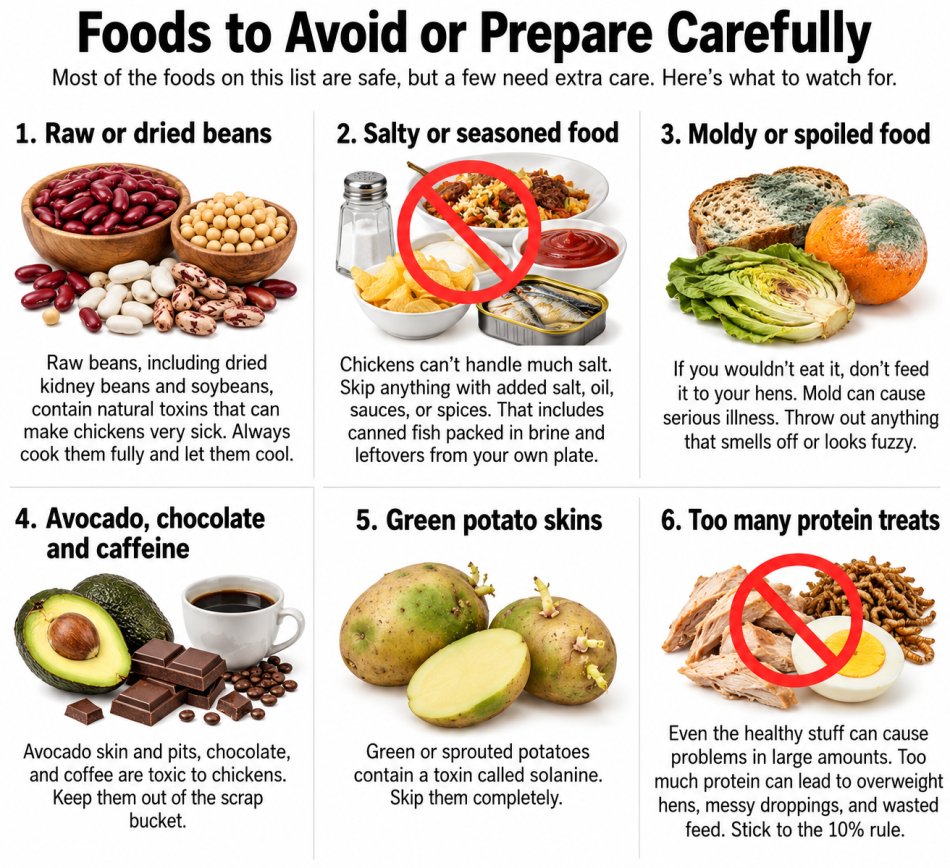
Most of the foods on this list are safe, but a few need extra care. Here’s what to watch for.
- Raw or dried beans: Raw beans, including dried kidney beans and soybeans, contain natural toxins that can make chickens very sick. Always cook them fully and let them cool.
- Salty or seasoned food: Chickens can’t handle much salt. Skip anything with added salt, oil, sauces, or spices. That includes canned fish packed in brine and leftovers from your own plate.
- Moldy or spoiled food: If you wouldn’t eat it, don’t feed it to your hens. Mold can cause serious illness. Throw out anything that smells off or looks fuzzy.
- Avocado, chocolate, and caffeine: Avocado skin and pits, chocolate, and coffee are toxic to chickens. Keep them out of the scrap bucket.
- Green potato skins: Green or sprouted potatoes contain a toxin called solanine. Skip them completely.
- Too many protein treats: Even the healthy stuff can cause problems in large amounts. Too much protein can lead to overweight hens, messy droppings, and wasted feed. Stick to the 10% rule.
Can chickens eat meat?
Yes, in small amounts. Chickens are omnivores and will happily eat cooked chicken, beef, or fish scraps. Keep it plain, with no salt, seasoning, or sauces, and never feed raw meat. It can carry bacteria that make both your birds and you sick.
How much protein do laying hens need?
Most laying hens do well on a complete feed with about 16% protein. During molt, many keepers bump it up to 18 to 20% so hens can regrow feathers faster.
Is high protein feed safe for chicks?
Yes, but chicks should get most of their protein from a chick starter with 18 to 20% protein. Treats are fine in tiny amounts, but a complete starter feed should always be the main food. Chop everything small, and give grit if you’re feeding anything other than starter.
Do high protein feeds make eggs bigger?
Only if your hens weren’t getting enough before. Low protein can lead to smaller eggs, as the research showed. But once a hen’s needs are met, extra protein doesn’t make bigger eggs. It just adds weight and wastes money.
Conclusion
Protein helps your chickens grow strong, lay well, and get through molt with a full set of feathers. You don’t need all 20 feeds on this list. Pick a few that fit your budget and your flock, and rotate them through the week.
Start simple. Try one or two new treats this week, watch how your hens respond, and build from there. A complete feed with a few good extras is all most backyard flocks need.


Khaja Moinuddin, a computer science graduate, finds joy in gardening and homesteading. Join him on this blog as he shares his experiences in homesteading, gardening, and composting