Growing your own food is a skill that brings joy and a sense of satisfaction to your dining table. While it may seem like it takes a lot of time and effort, it’s actually much simpler than you think.
You don’t have to buy fancy containers—just grab an old bucket, fill it with a good potting mix, and sow some seeds. That’s it—you’re already on your way to growing your own food.
The best part about bucket gardening is that you can grow a surprising variety of plants with no big garden needed. From fresh veggies to herbs and even flowers, there’s a lot you can try with just a little space.
Here are some easy and creative bucket garden ideas to help you get started.
Before jumping to different ideas, let me put down a simple DIY bucket container garden setup.
How to Setup a DIY Bucket Container Garden?
Setting up a bucket container garden is simple and doesn’t require any special skills or expensive tools. With just a few basic materials and a little effort, you can start growing healthy plants right at home.
Step 1: Choose the Right Bucket
Pick a strong and durable bucket, ideally around 10–20 liters in size, so your plants have enough space for proper root development.
Make sure the bucket is deep enough to support healthy growth, especially for vegetables like tomatoes or brinjal.
Step 2: Make Drainage Holes
Drill 3–5 small holes at the bottom of the bucket to allow excess water to drain out easily after watering.
Good drainage is very important because it prevents water from collecting at the bottom and protects the roots from rotting.
Step 3: Add Potting Mix
Fill the bucket with a well-balanced potting mix made of garden soil, compost, and cocopeat to ensure proper aeration and nutrition.
This type of soil mix helps retain moisture while still allowing excess water to drain, which keeps plant roots healthy.
Step 4: Sow Seeds or Plant Seedlings
You can either sow seeds directly into the soil or transplant small nursery plants, depending on what you prefer to grow.
Make sure to plant at the right depth and give enough spacing so each plant has room to grow properly.
Step 5: Water Gently
After planting, water the soil gently so it settles well around the roots without disturbing the seeds or seedlings.
Avoid overwatering, and keep the soil slightly moist rather than too wet to encourage healthy growth.
Also Read: 19 Cheap Container Vegetable Gardening Ideas
Step 6: Place in Sunlight
Keep your bucket in a location that receives at least 5–7 hours of direct sunlight every day, as most vegetables need good sunlight to grow well.
A balcony, terrace, or any sunny corner in your home works perfectly for this.
Step 7: Care and Maintain
Take care of your plants by watering them regularly, removing weeds, and checking for any pests or diseases.
You can also add compost or liquid fertilizer from time to time to keep your plants healthy and productive.
23 Bucket Garden Ideas to Grow in Any Space
Start with a couple of buckets, some good soil, and a sunny spot—you’ll be surprised how easily you can grow your own plants at home.
From fresh veggies to herbs and colorful flowers, bucket gardening keeps things simple and flexible, even in small spaces.
1. Vegetable Bucket Garden
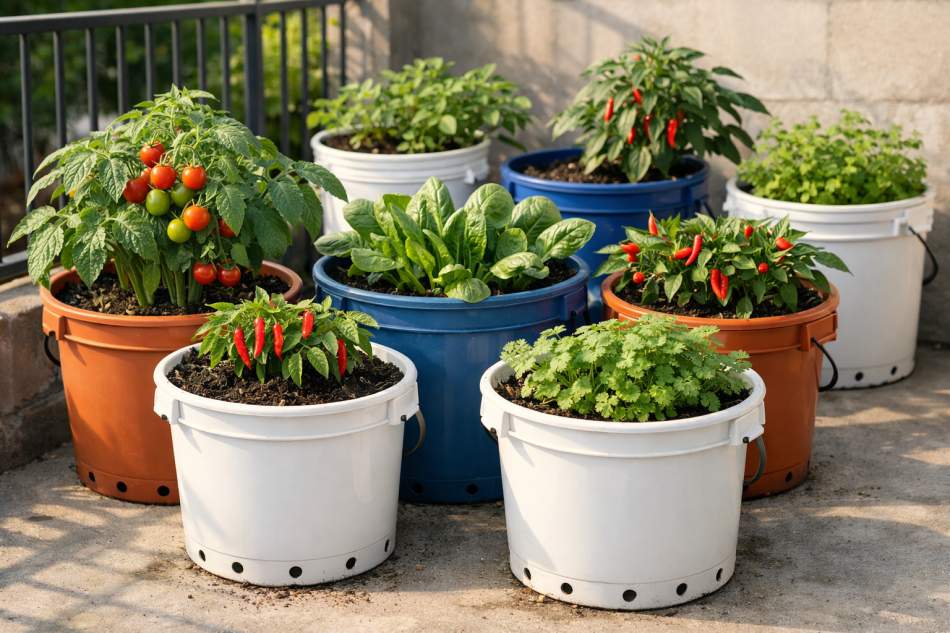
A vegetable bucket garden is the easiest way to start growing your own food in limited space. Use a sturdy bucket with drainage holes, fill it with nutrient-rich soil, and plant beginner-friendly veggies like tomatoes, spinach, or chilies.
Place the bucket where it gets at least 5–6 hours of sunlight daily, and water regularly to keep the soil slightly moist. With basic care and occasional feeding, you can enjoy fresh, homegrown vegetables right from your balcony or terrace.
2. Herb Bucket Garden
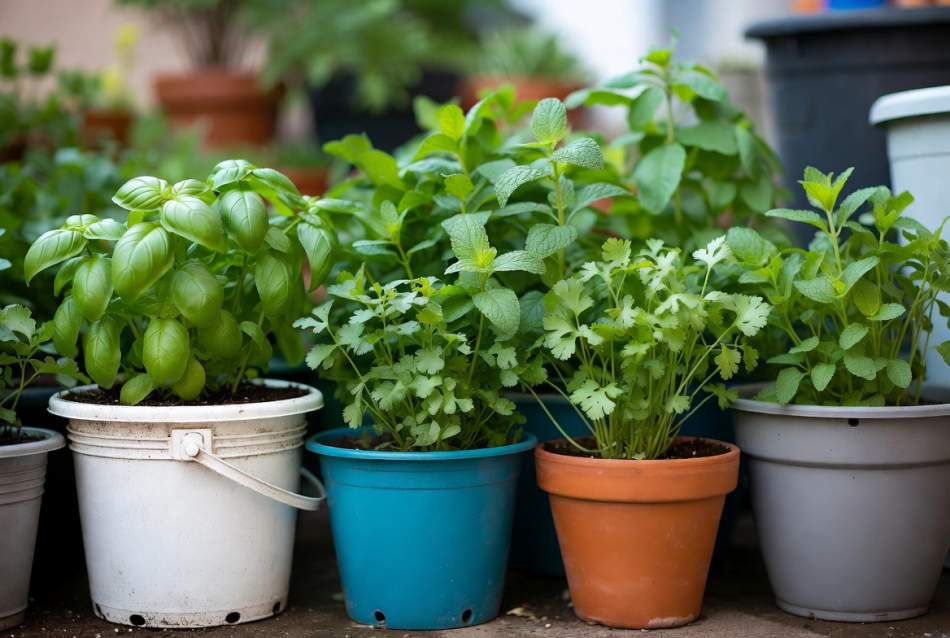
A herb bucket garden is perfect if you want fresh flavors right at your fingertips without needing much space. Grow easy herbs like mint, coriander, basil, or curry leaves in a single bucket or separate ones for better growth.
Keep the bucket in a sunny spot and trim the herbs regularly to encourage bushier growth. With minimal care, you’ll always have fresh, aromatic herbs ready for your daily cooking.
3. Flower Bucket Garden
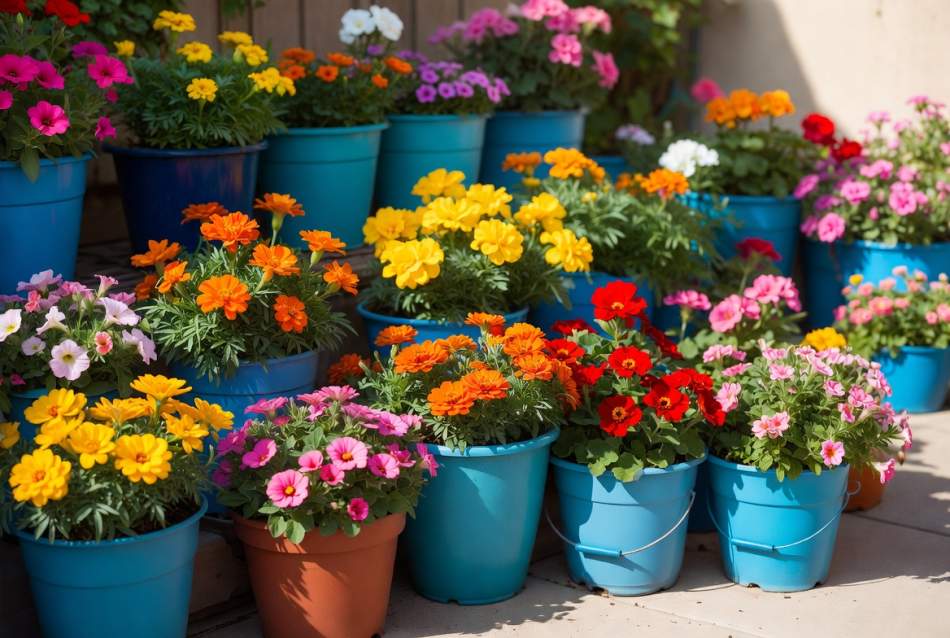
A flower bucket garden is a simple way to add color and life to your space without needing a full garden bed. Choose easy blooms like marigolds, petunias, or zinnias, and plant them in well-draining soil for healthy growth.
Place the bucket in a bright spot and remove faded flowers regularly to keep new blooms coming. With a little care, your buckets can stay vibrant and full of flowers throughout the season.
4. Hanging Bucket Garden
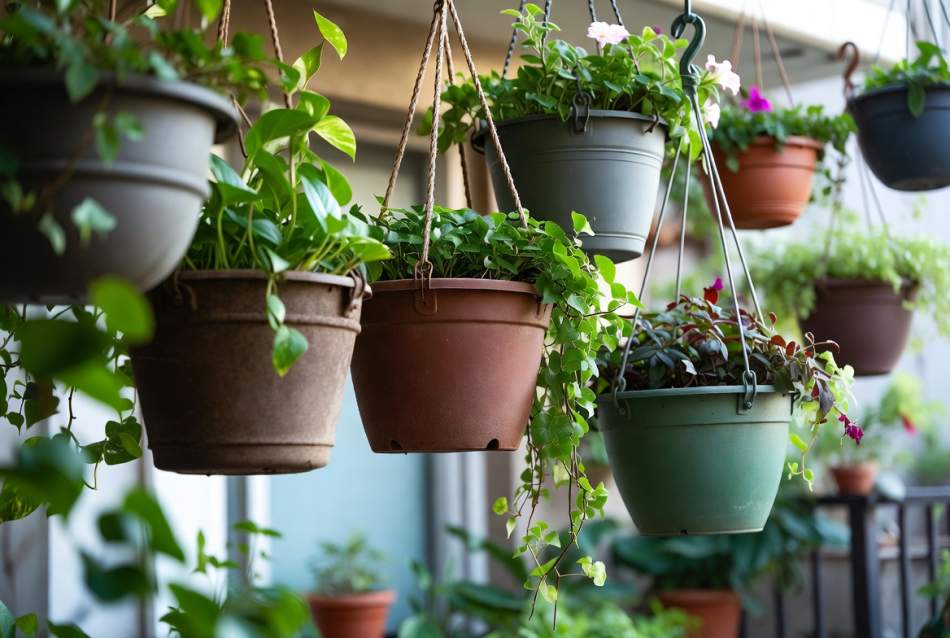
A hanging bucket garden lets you grow plants vertically, making it perfect for small balconies or tight spaces. Use lightweight buckets with strong hooks or ropes, and plant trailing varieties like money plant or strawberries for a cascading look.
Hang them where they receive good light and are easy to water without spilling. This setup not only saves space but also adds a stylish, layered greenery effect to your area.
5. Vertical Bucket Garden
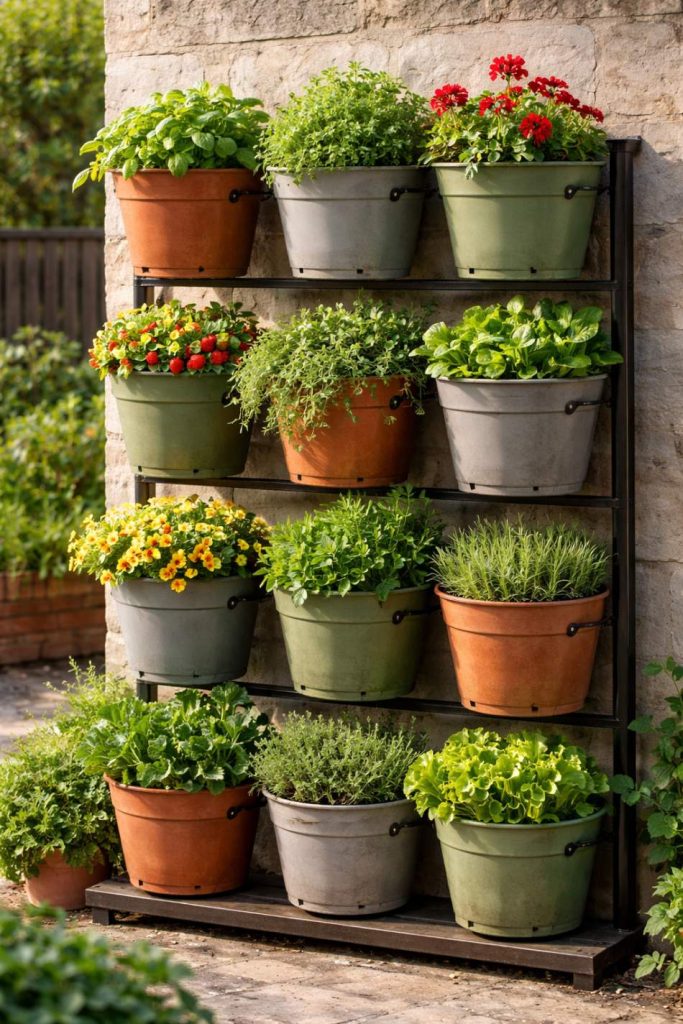
If you’re short on space, stack or mount buckets upward instead of spreading them out. You can fix them on a wall, railing, or simple stand and grow herbs, greens, or small veggies in each level.
Make sure each bucket has proper drainage and enough sunlight reaches all levels. This setup helps you grow more plants in less space while keeping everything neat and organized.
6. Strawberry Bucket Garden
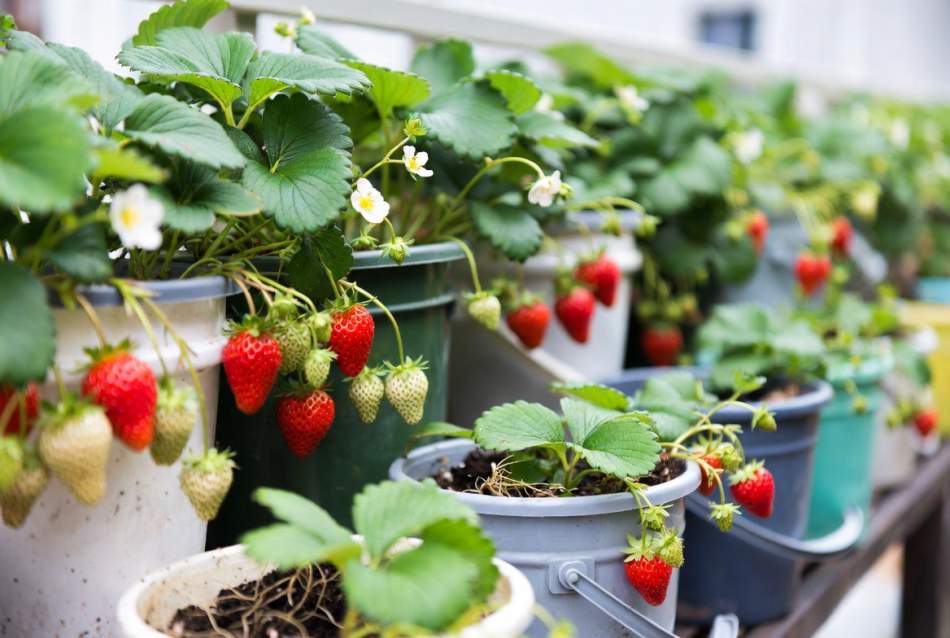
Drill small holes around the sides of a bucket so strawberry plants can grow from different angles, not just the top. This gives you more plants in one container and creates a nice, full look as they spread.
Keep the soil well-drained and place the bucket in a sunny spot for better fruiting. Regular watering and occasional feeding will reward you with sweet, homegrown strawberries.
7. Tomato Bucket Garden
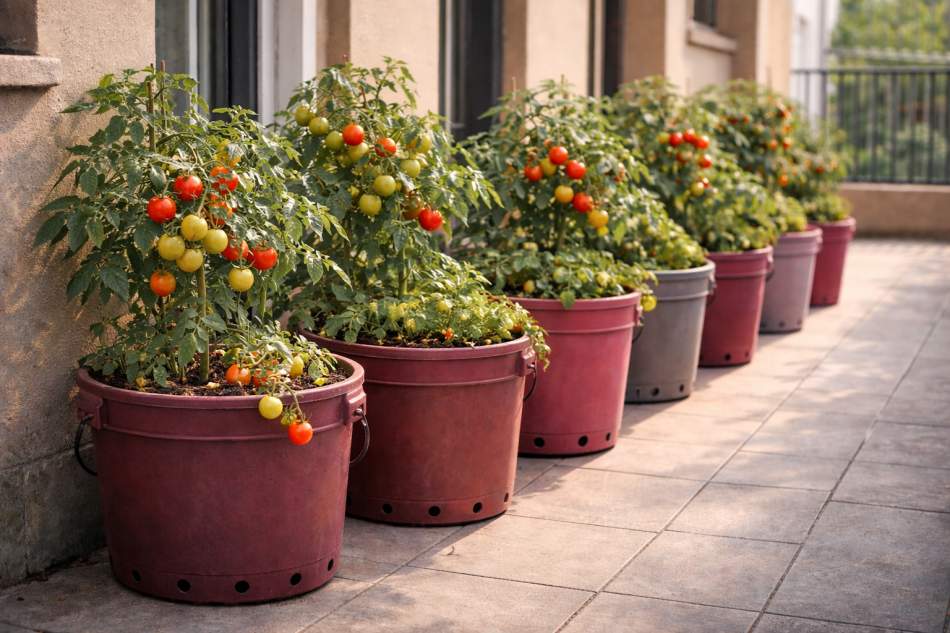
Choose a deep bucket and plant one tomato seedling per container to give roots enough room to grow. Adding a small stake or cage early on helps support the plant as it gets heavier with fruits.
Keep the soil consistently moist and place the bucket in full sun for best results. With regular feeding, your plant will produce juicy tomatoes right at home.
8. Potato Bucket Garden
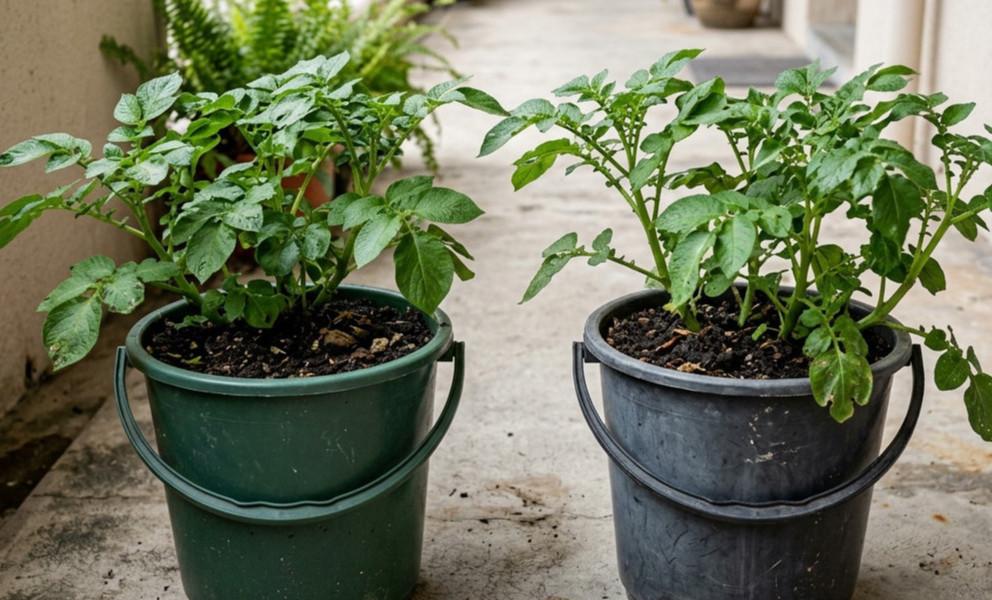
Start by adding a layer of soil at the bottom and place a few seed potatoes spaced apart. As the plant grows, keep adding soil to cover the stems, which encourages more potatoes to form underground.
Ensure the bucket has good drainage and keep it in a sunny spot with regular watering. After a few weeks, you can harvest fresh potatoes straight from the bucket.
9. Salad Greens Bucket Garden
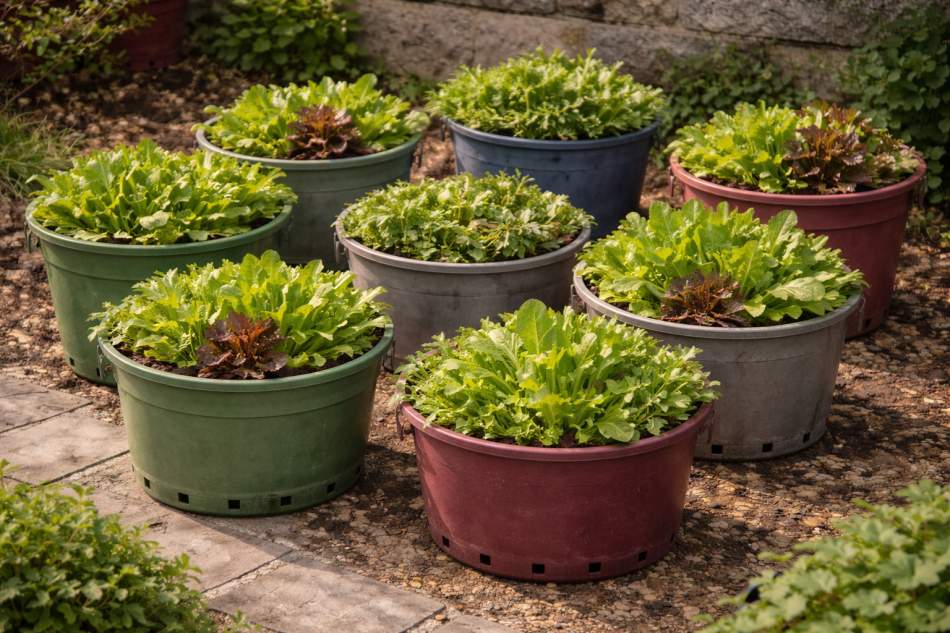
Fill a shallow bucket with loose, fertile soil and scatter seeds of lettuce, arugula, or spinach evenly across the surface. These fast-growing greens don’t need much depth, making them ideal for quick harvests.
Keep the soil lightly moist and place the bucket in partial to full sunlight. You can harvest leaves as needed, allowing the plants to continue growing for multiple cuttings.
10. Balcony Bucket Garden
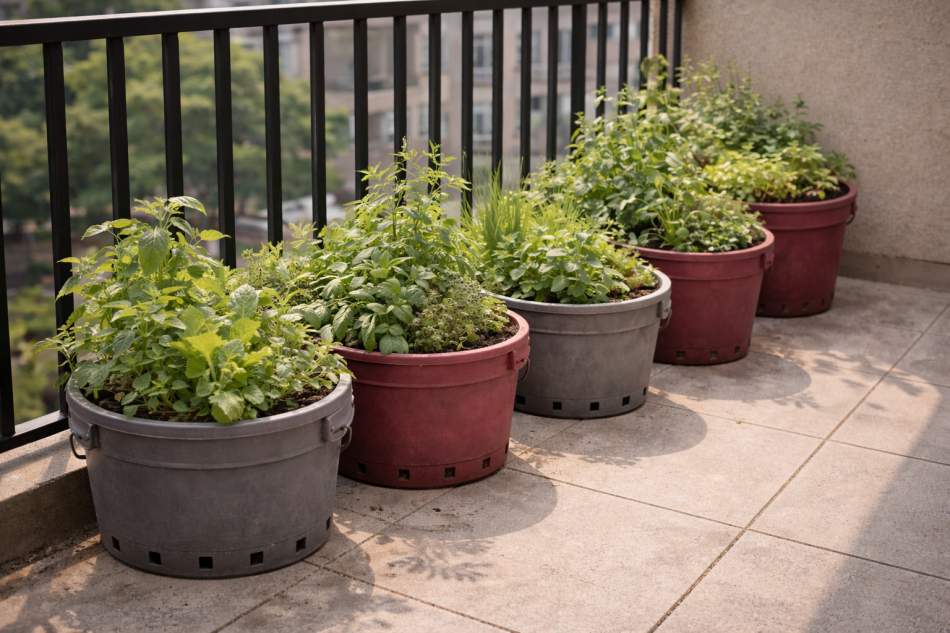
Make use of your balcony by arranging buckets along railings, corners, or shelves to maximize space. Choose compact plants like herbs, chilies, or leafy greens that adapt well to container growing.
Ensure proper sunlight based on your balcony’s direction and rotate buckets occasionally for even growth. This setup turns even a small balcony into a productive green space.
11. Window-side Bucket Garden
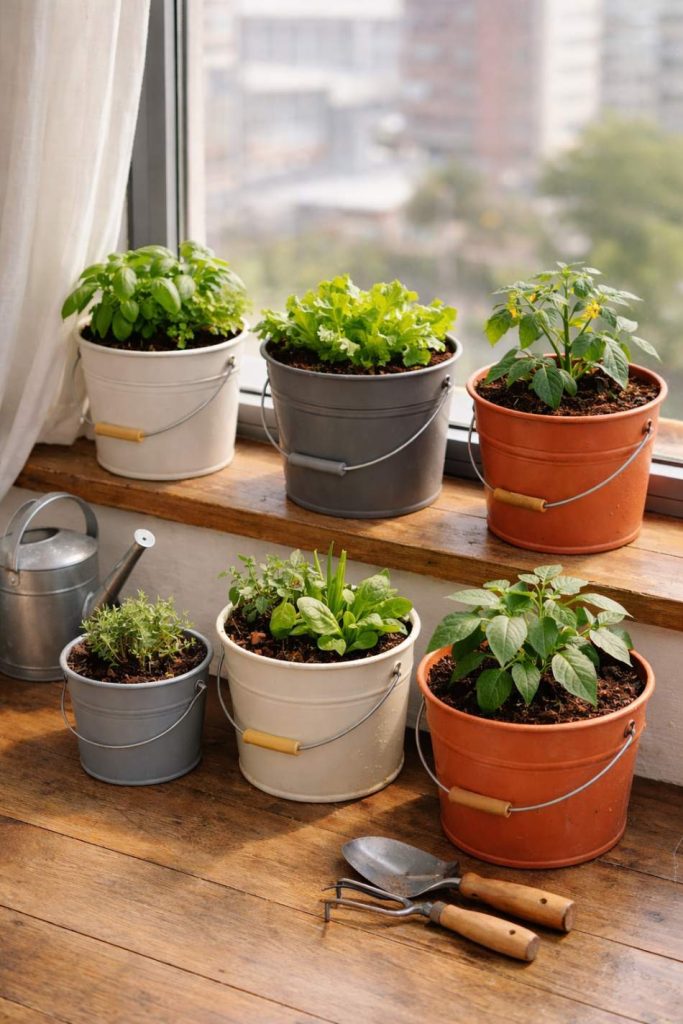
Place a few buckets near a bright window where plants can receive consistent natural light throughout the day. This works well for herbs, leafy greens, or small flowering plants that don’t need intense sun.
Turn the buckets occasionally so all sides get equal light and avoid leaning growth. With regular watering and light feeding, your window area can stay green and productive.
12. Colorful Painted Bucket Garden
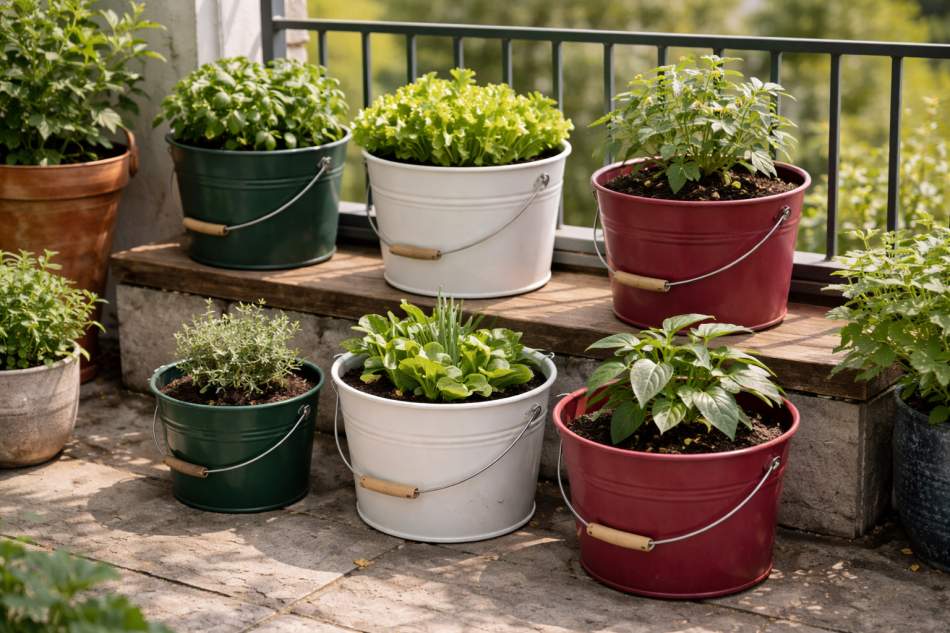
Give old buckets a fresh look by painting them in bright colors or simple patterns before planting. This adds a decorative touch while still serving as a functional growing space for flowers or small plants.
Use weather-resistant paint and ensure drainage holes are not blocked during painting. It’s an easy way to combine creativity with gardening and make your space more lively.
13. Self-Watering Bucket Garden
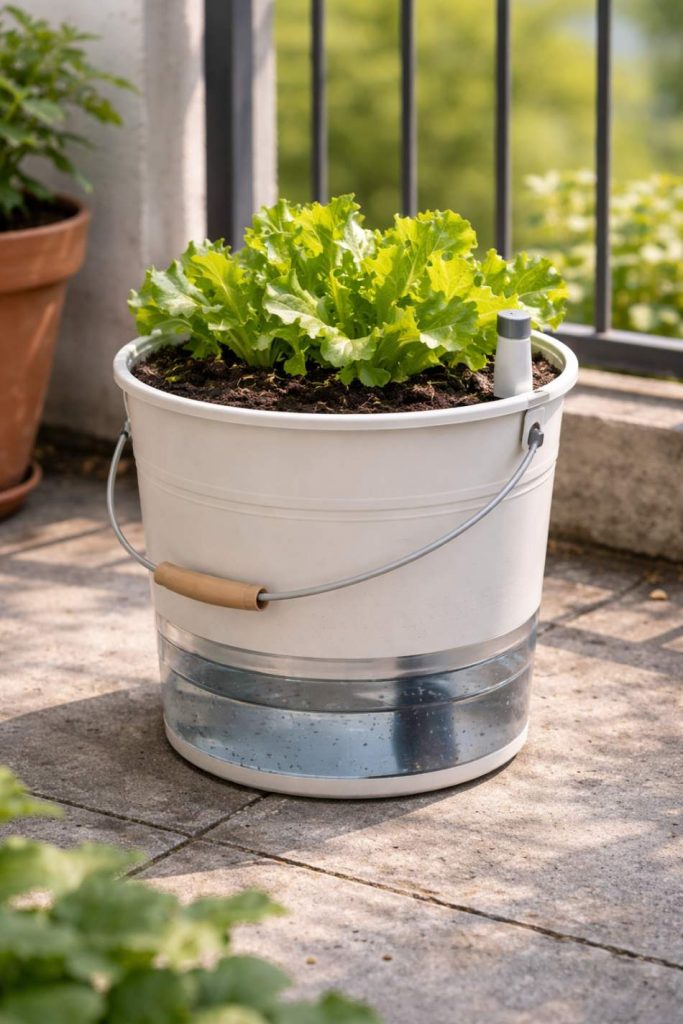
Create a simple system by placing a water reservoir at the bottom of the bucket and adding a wick or pipe to draw moisture upward. This helps keep the soil consistently moist without frequent watering.
It works especially well for plants that prefer steady hydration, like tomatoes or cucumbers. With less daily effort, you can maintain healthy growth even during hot or busy days.
14. Bucket Garden with Trellis
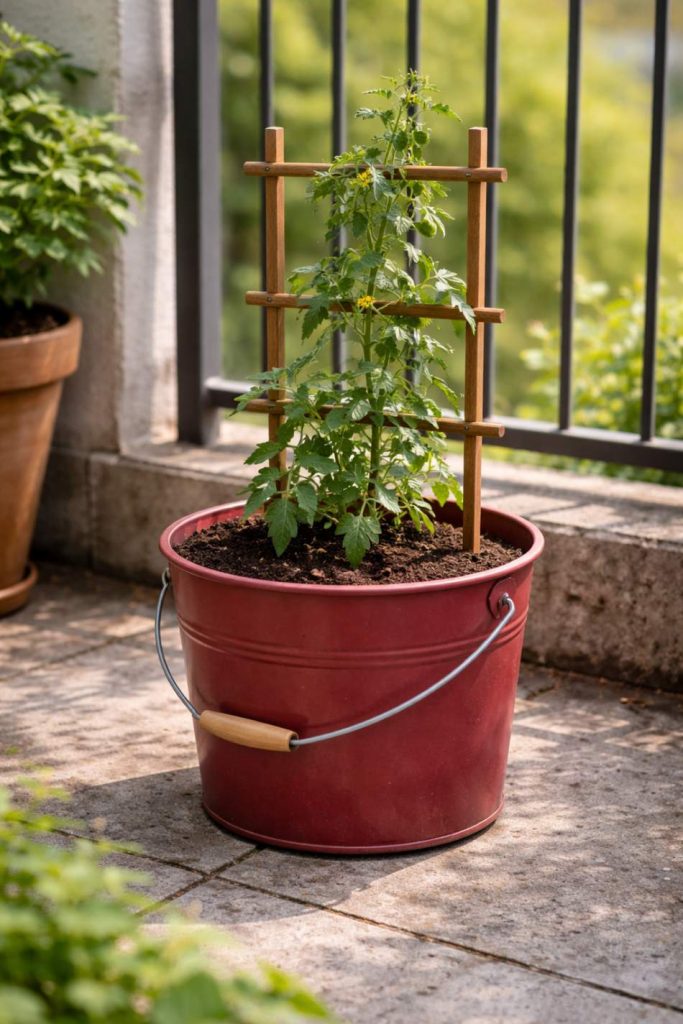
Insert a small trellis or support structure into the bucket to grow climbing plants like beans, cucumbers, or peas. This allows plants to grow upward, saving space while keeping them well-supported.
Place the bucket in a sunny spot and guide the vines as they grow to avoid tangling. This setup improves airflow and makes harvesting easier.
15. Mixed Plant Bucket Garden
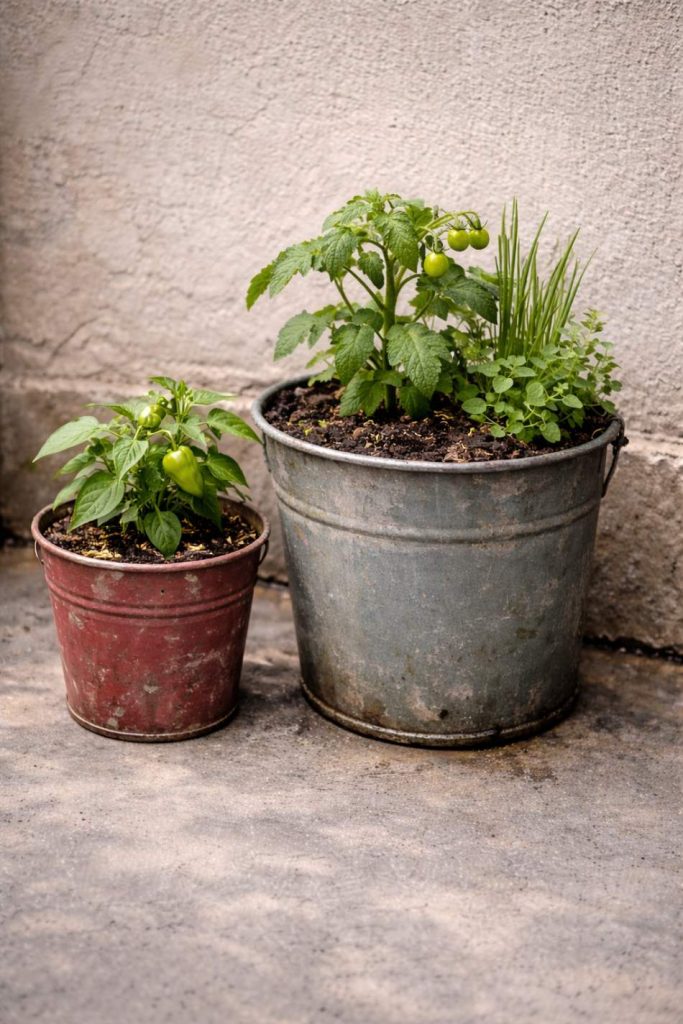
Combine two or three compatible plants in one bucket to make better use of space and resources. Pair fast growers like lettuce with slower ones like chilies, or mix herbs that have similar watering needs.
Make sure the bucket is large enough to avoid overcrowding and competition for nutrients. With the right combinations, you can grow more in less space while keeping plants healthy.
16. Succulent Bucket Garden
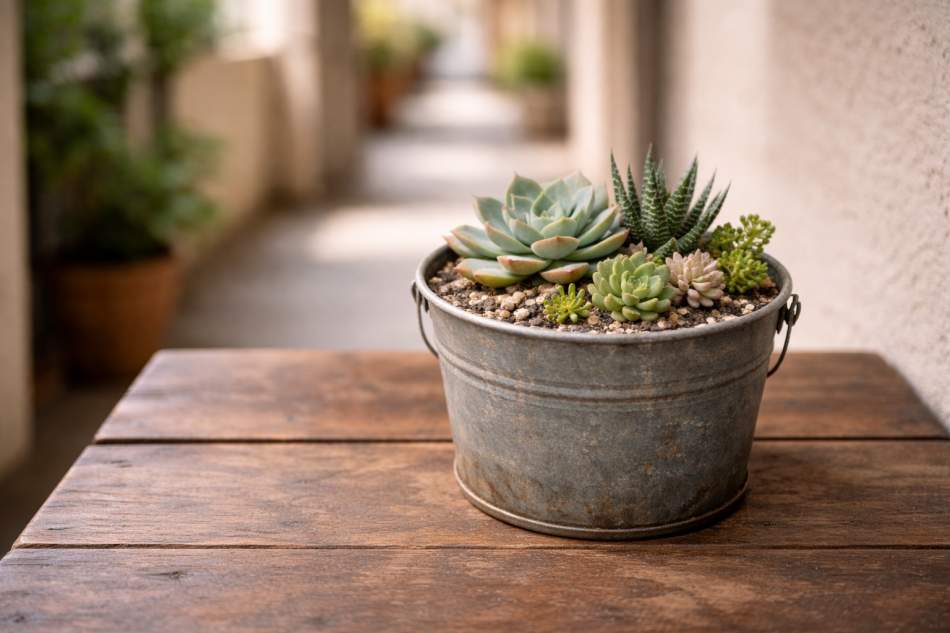
Use sandy, well-draining soil and plant a mix of small succulents that thrive in dry conditions. These plants require minimal watering and are perfect for low-maintenance gardening.
Place the bucket in a bright spot with plenty of indirect or direct sunlight. Overwatering should be avoided, as succulents store moisture and prefer drier soil.
17. Kids-Friendly Bucket Garden
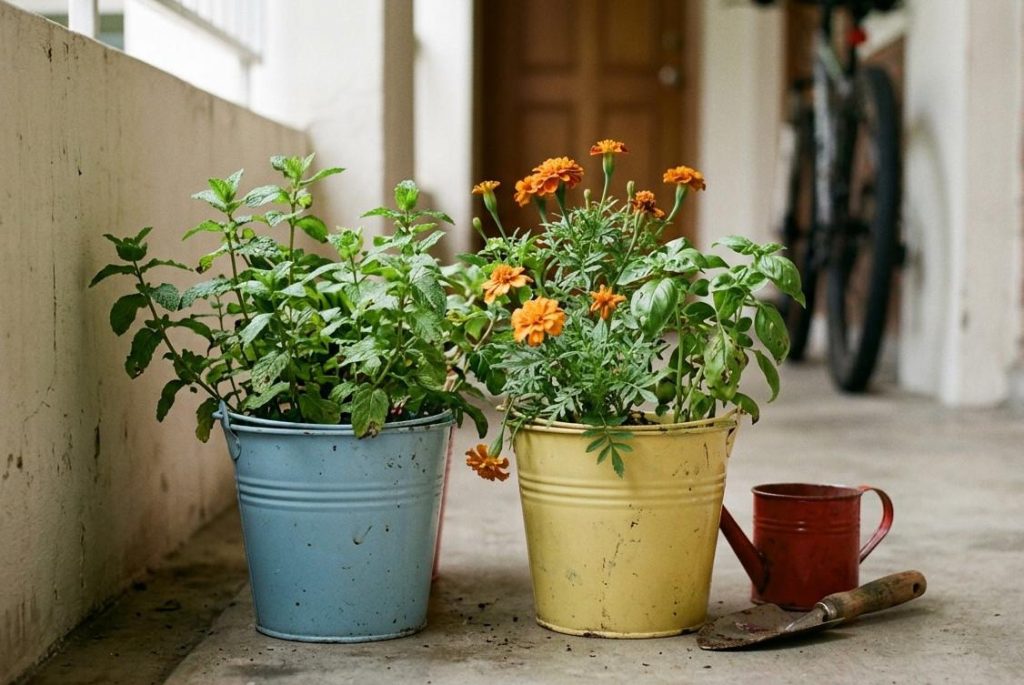
Turn gardening into a fun activity by letting kids plant easy growers like beans, radishes, or sunflowers in buckets. These plants grow quickly, keeping children engaged and excited to see results.
Use lightweight buckets and place them in a safe, accessible spot for easy care. It’s a great way to teach responsibility while making gardening enjoyable.
Check this: 27 Low Cost DIY Patio Ideas
18. Indoor Bucket Garden
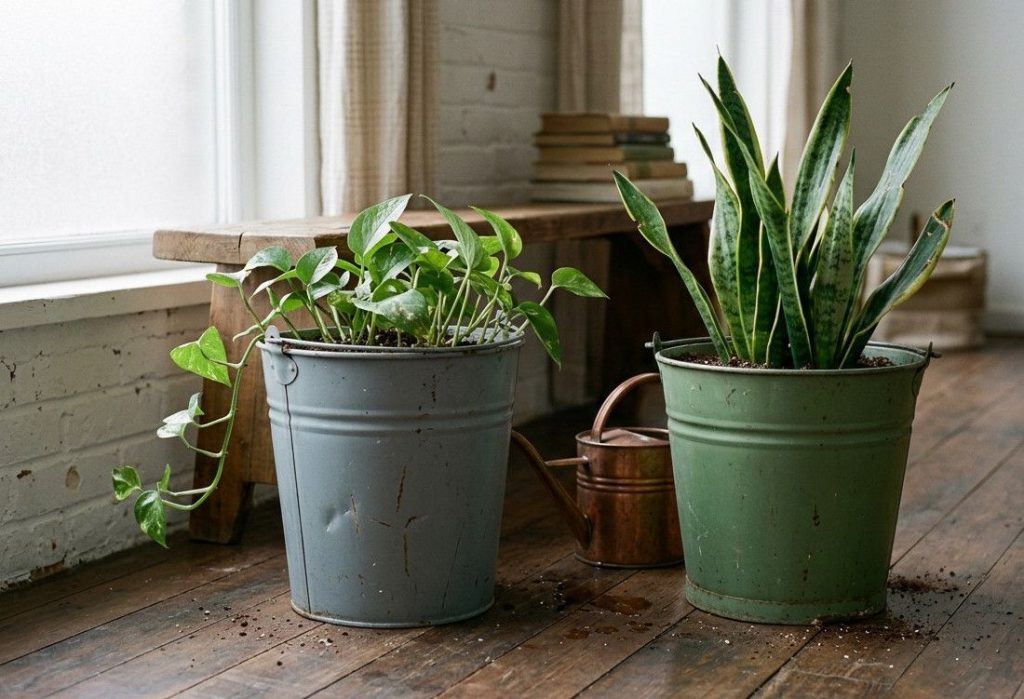
Grow plants inside your home by placing buckets near bright windows or under grow lights. Choose compact varieties like herbs, greens, or small decorative plants that adapt well to indoor conditions.
Ensure proper drainage and avoid overwatering, as indoor setups dry out slower. With the right light and care, you can maintain greenery even without outdoor space.
19. Mobile Bucket Garden (with wheels)
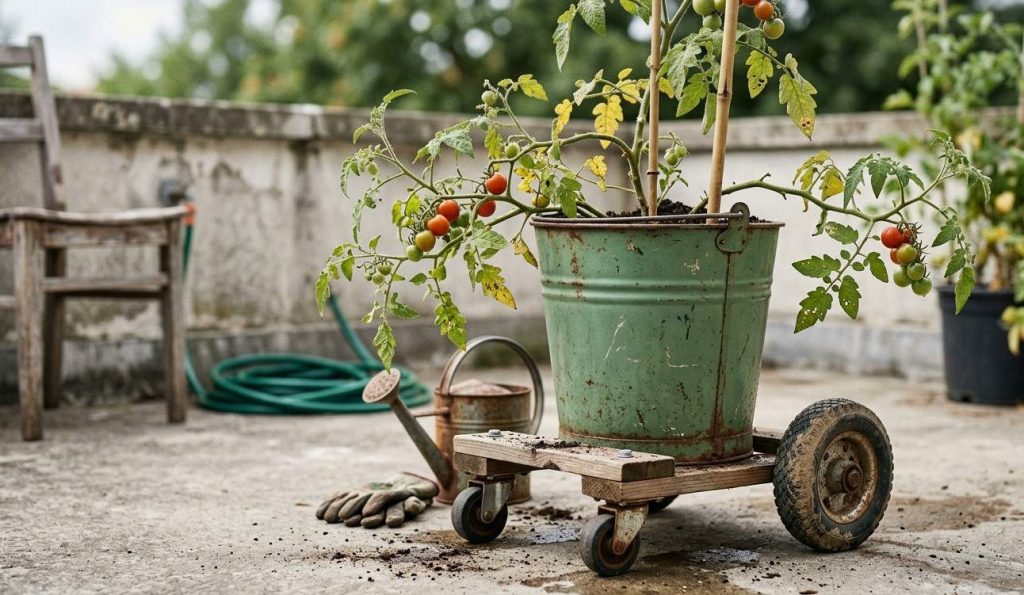
Attach small wheels or place buckets on movable stands so you can shift plants easily when needed. This is helpful for adjusting sunlight exposure or protecting plants during harsh weather.
It also makes watering and cleaning more convenient, especially on balconies or terraces. With a movable setup, you can manage your garden with less effort and more flexibility.
20. Recycled Bucket Garden
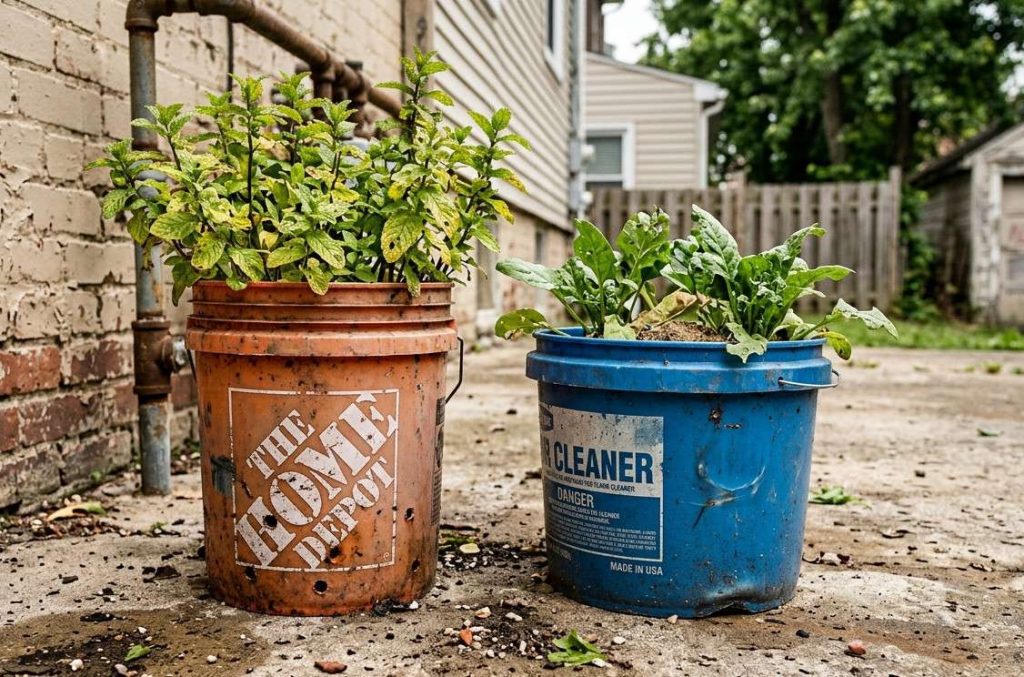
Reuse old paint buckets, storage containers, or any sturdy plastic buckets instead of buying new ones. Just clean them well and add proper drainage holes before planting.
This approach reduces waste while still giving you a functional growing space. It’s a simple and budget-friendly way to start gardening without extra cost.
21. Tiered Bucket Garden
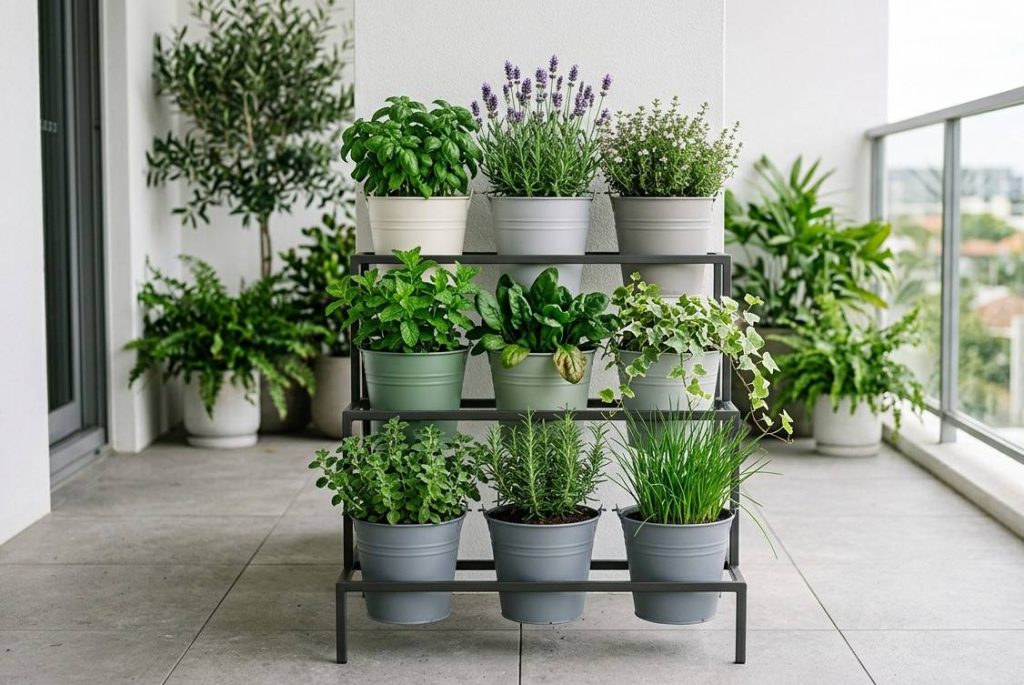
Arrange multiple buckets at different heights using a stand, shelves, or a step-like setup. This layered arrangement helps you fit more plants in a small area while keeping everything easy to reach.
Place taller plants at the back and smaller ones in front so each gets enough light. It also creates a neat, organized look that adds depth to your garden space.
22. Microgreens Bucket Garden
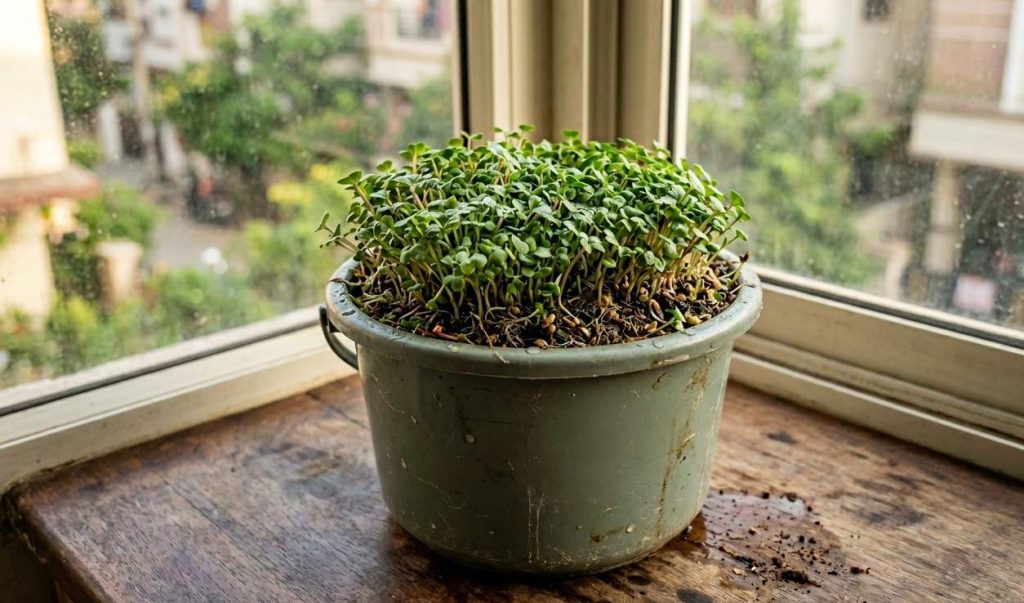
Fill a shallow bucket with fine soil and sprinkle seeds like mustard, fenugreek, or radish evenly on top. These tiny greens grow quickly and are ready to harvest in just a couple of weeks.
Keep the soil slightly moist and place the bucket in a well-lit area. Regular harvesting gives you fresh, nutrient-rich greens for daily meals.
23. Decorative Bucket Garden
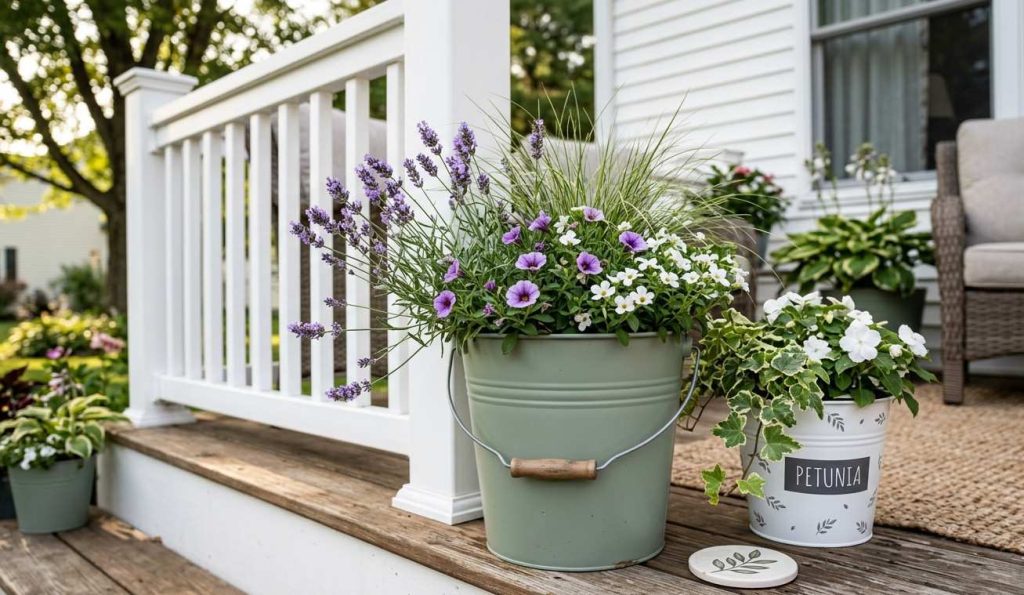
Choose buckets with unique shapes, textures, or finishes to make them stand out as part of your décor. You can grow ornamental plants, flowering varieties, or even small shrubs to enhance the visual appeal.
Place them at entrances, corners, or along pathways to create a welcoming look. With the right plant and bucket combination, you can turn simple containers into eye-catching features.
Also Read: 9 DIY Bamboo Trellis Ideas to Make for Vertical Garden
Common Mistakes to Avoid in Bucket Gardening
One of the most common mistakes is not adding proper drainage holes at the bottom of the bucket. Without drainage, excess water collects in the soil, leading to root rot and unhealthy plants.
Another issue is using regular garden soil instead of a well-draining potting mix. Heavy soil can compact easily in containers, restricting root growth and reducing plant health.
Overwatering is also a frequent problem, especially for beginners. Buckets dry differently depending on sunlight and plant type, so it’s better to check the soil before watering.
Placing buckets in the wrong light conditions can slow down growth or damage plants. Always match your plant’s sunlight needs with the spot you choose.
Lastly, overcrowding plants in one bucket may seem efficient but often leads to poor growth. Giving each plant enough space ensures better airflow, nutrients, and overall development.
Conclusion
Bucket gardening proves that you don’t need a big garden to grow your own plants. With just a few buckets and the right setup, you can create a productive and beautiful space almost anywhere.
Start small, experiment with different ideas, and see what works best for your space and lifestyle. Over time, those simple buckets can turn into a thriving little garden you’ll truly enjoy.

Khaja Moinuddin, a computer science graduate, finds joy in gardening and homesteading. Join him on this blog as he shares his experiences in homesteading, gardening, and composting