Gardening is naturally connected to sustainability.
I endorse a sustainable lifestyle, and growing your own food at home is one of the easiest ways to follow it.
Honestly, I always felt gardening needed a big backyard and a lot of hard work—something that didn’t really fit into my daily life.
But then I realized—even a small corner, a few containers, and a bit of sunlight is enough to get started. No perfection needed, just a willingness to try… and maybe get your hands a little dirty.
That’s where cheap container vegetable gardening ideas come in. You don’t need fancy pots or a big budget—old buckets, paint cans, or any spare containers work just fine.
It’s simple, practical, and honestly quite satisfying to see something grow right in front of you. And before you know it, you’re picking your own veggies and wondering why you didn’t start sooner.
19 Cheap Container Vegetable Gardening Ideas
If you’re new to this, don’t worry—container gardening is actually one of the easiest ways to begin. Most vegetables don’t ask for much.
A few hours of sunlight, basic soil, and regular watering are enough to get things going. You don’t need perfect conditions, just a simple setup and a bit of consistency.
Start with easy vegetables like spinach, chilli, coriander, or tomatoes. These grow well in containers and don’t need too much attention.
Just make sure your containers have drainage holes, place them where they get good sunlight, and water when the soil feels dry. That’s it—you’re already gardening.
1. Old Buckets & Paint Cans
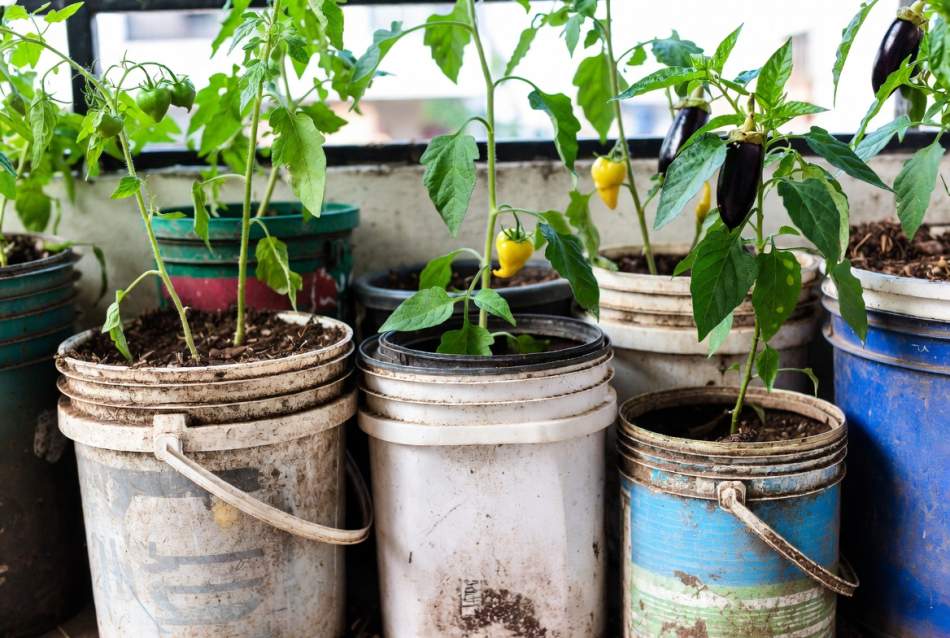
If you have old buckets or empty paint cans lying around, don’t throw them away—they make surprisingly good planters. These containers are deep and sturdy, which makes them perfect for growing vegetables that need a bit more space for roots.
Just clean them well and make a few drainage holes at the bottom. Fill with soil, and you’re good to go.
Vegetables like tomatoes, brinjal (eggplant), and chillies grow really well in these. Place them in a sunny spot, water regularly, and you’ll have a strong, productive plant without spending anything extra.
Also Read: 22 DIY Cheap Fence Ideas for Garden
2. Plastic Bottles (Vertical Gardening)
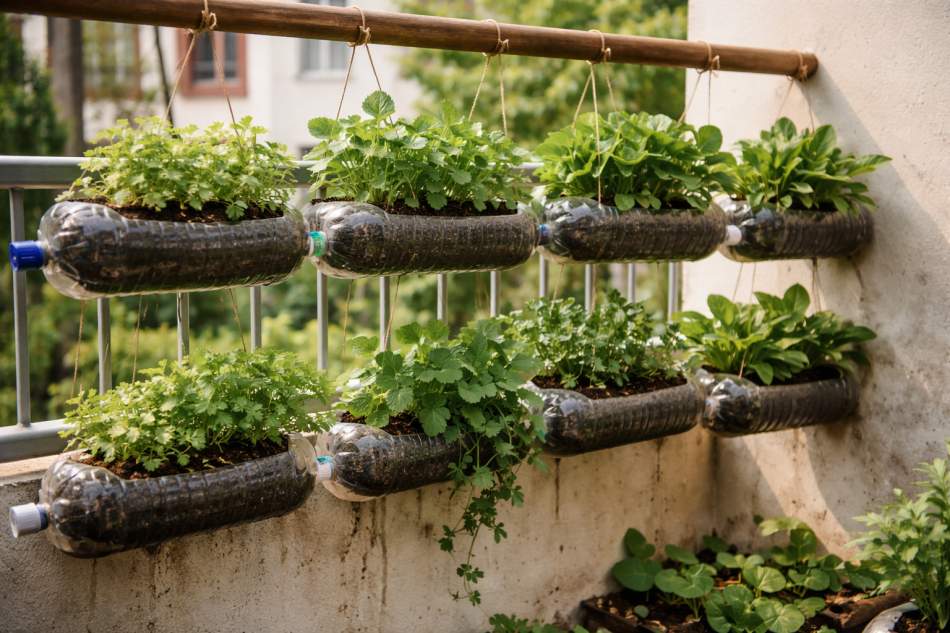
Short on space? Plastic bottles can be turned into smart vertical planters that fit almost anywhere. You can hang them on a wall, balcony railing, or even stack them to create a small vertical garden without taking up floor space.
Cut the bottle sideways or in half, add a few drainage holes, and fill it with soil. These are perfect for lightweight, fast-growing plants like coriander, mint, spinach, and small herbs.
They don’t need deep soil, and with regular watering, they grow quickly—plus, you’re reusing plastic in a useful way.
3. Rice Bags or Grow Bags
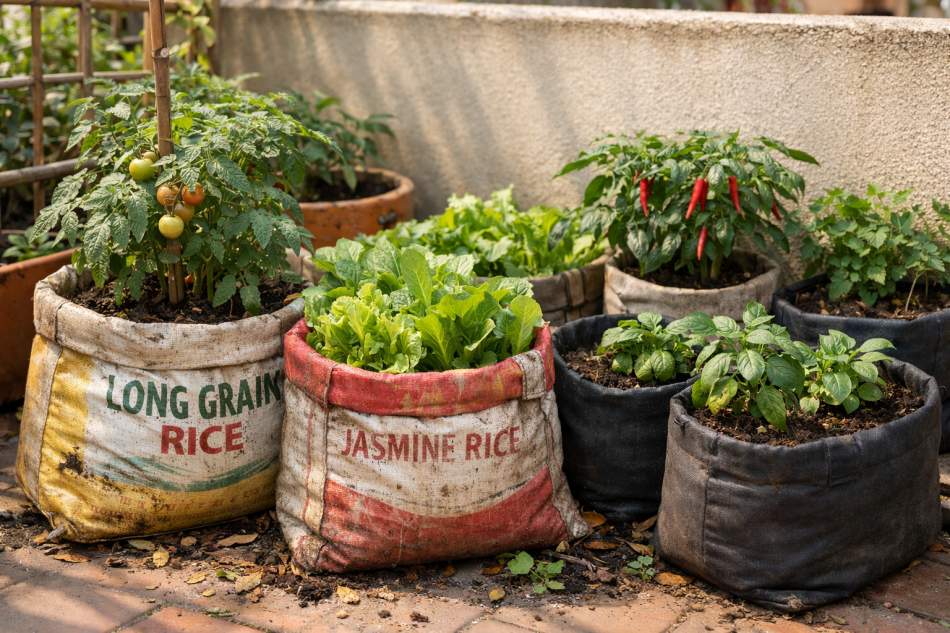
If you have old rice bags or flour bags at home, they can easily be turned into grow bags. They are lightweight, easy to move, and hold a good amount of soil, making them great for growing bigger or root vegetables.
Just roll down the top a little for support, poke a few holes at the bottom for drainage, and fill with soil. These work really well for potatoes, onions, carrots, and even leafy greens.
Place them in a sunny spot, and you’ll be surprised how productive these simple bags can be.
4. Kitchen Containers (Dabbas, Tubs, Trays)
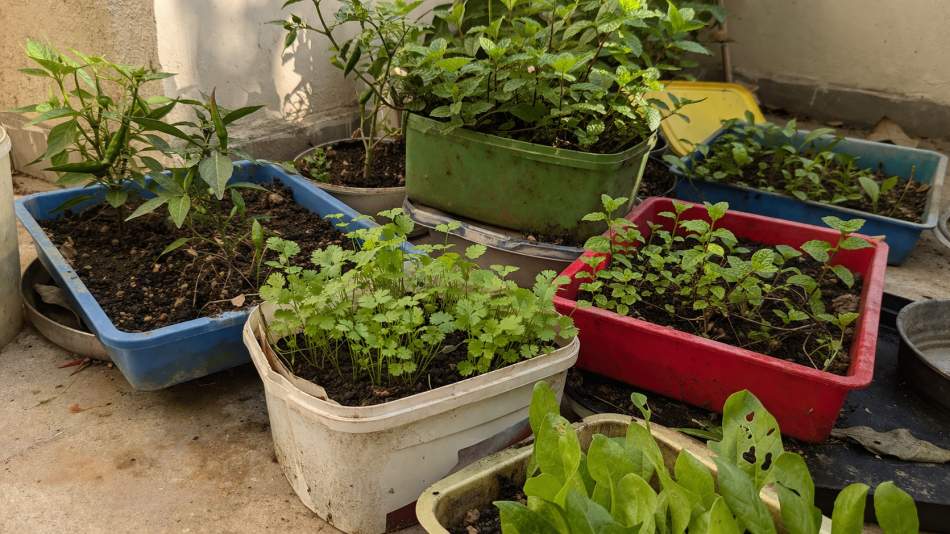
Look around your kitchen and you’ll probably find a few unused containers—old dabbas, plastic tubs, or even broken storage boxes. Instead of throwing them out, you can easily turn them into small planters for everyday greens.
Just make sure to add drainage holes before filling them with soil. These shallow containers are perfect for fast-growing plants like microgreens, coriander, methi (fenugreek), and spinach.
Keep them near a window or balcony where they get some sunlight, and you’ll have fresh greens ready to harvest in no time.
5. Coconut Shells
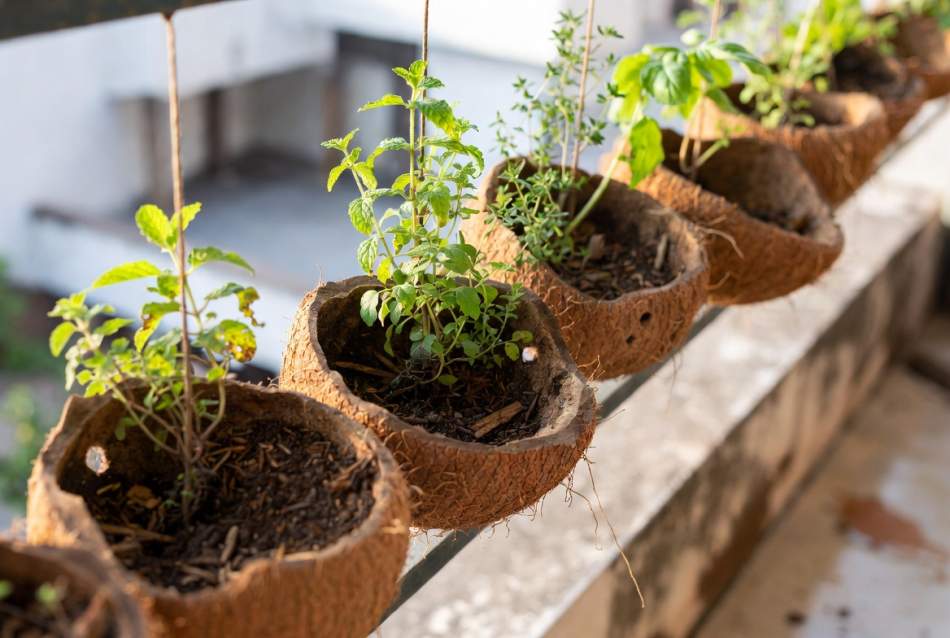
If you use coconuts at home, don’t discard the shells—they can make cute and useful mini planters. They’re small, natural, and perfect for growing herbs or starting seedlings.
Clean the shell, make a small hole at the bottom for drainage, and fill it with soil. These work best for plants like mint, coriander, or even small herb cuttings.
They may not grow big plants, but they’re great for small spaces and add a nice natural touch to your garden.
6. Broken Pots (Reuse What You Have)
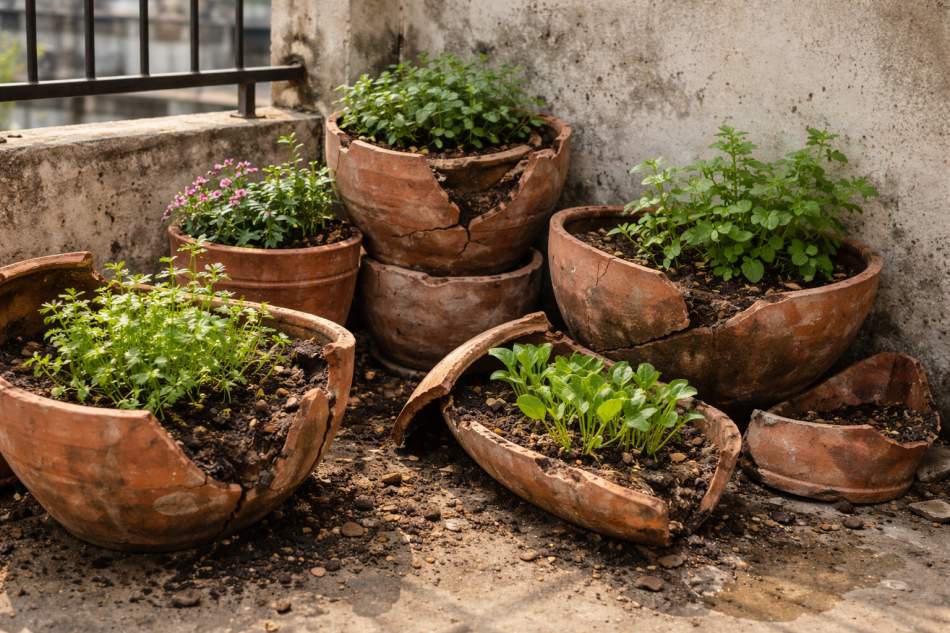
Got a cracked or broken pot? Don’t throw it away just yet. Even damaged pots can still be useful for gardening, especially for smaller plants or shallow-root vegetables.
Use the intact portion, add some soil, and make sure water can drain properly.
These work well for plants like lettuce, coriander, and small herbs. It’s a simple way to reuse what you already have instead of buying new containers.
7. Old Tyres
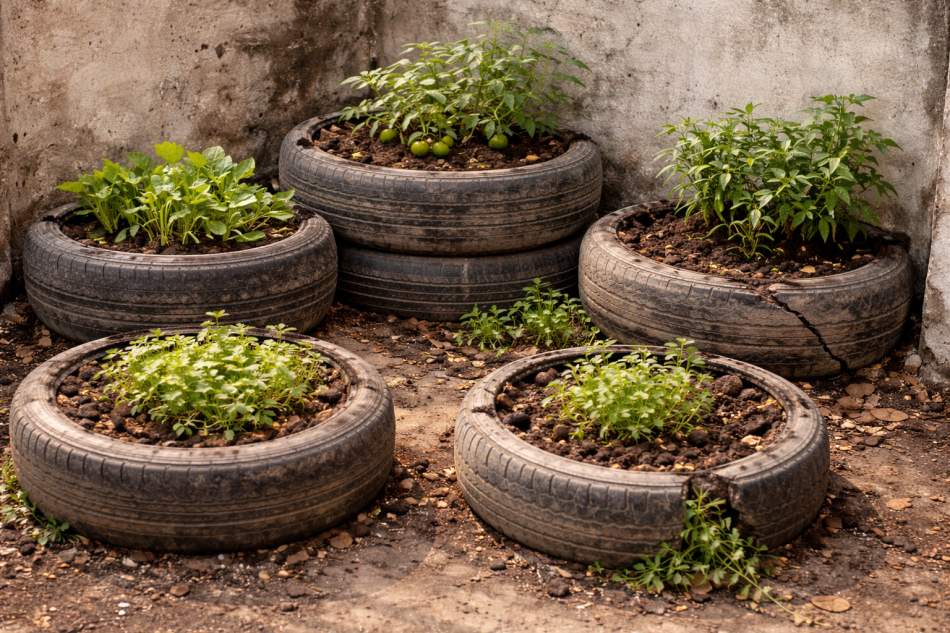
Old tyres might not look like planters at first, but they can actually work really well for growing vegetables. They are strong, spacious, and can hold a good amount of soil.
Place the tyre flat, fill it with soil, and you’re ready to plant. Vegetables like potatoes, tomatoes, and even gourds can grow nicely in them.
Keep them in a sunny spot and water regularly. It’s a great way to reuse something that would otherwise go to waste.
Check this: 19 Cheap DIY Raised Garden Bed Ideas to Build
8. Wooden Crates or Fruit Boxes
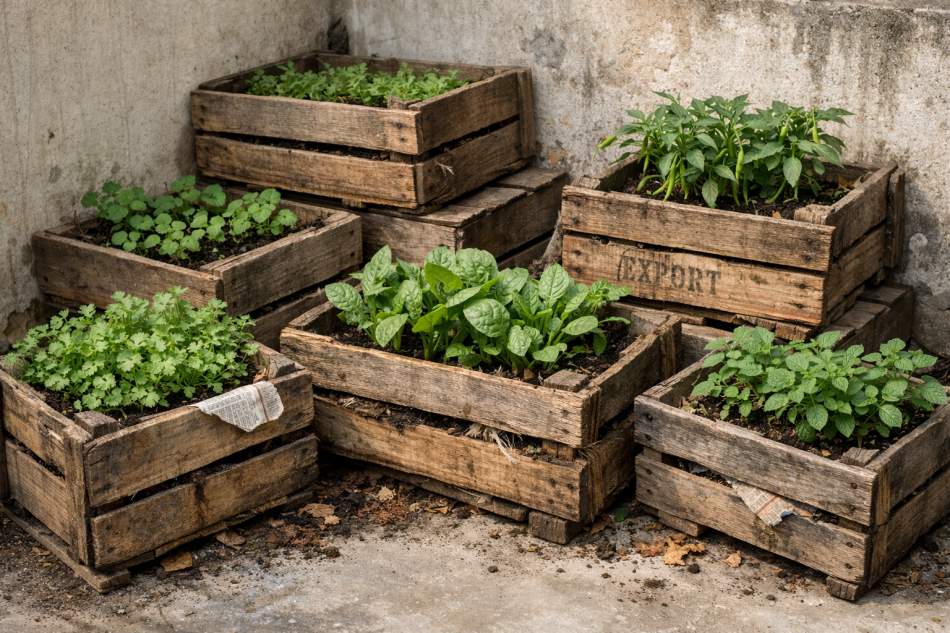
Those old wooden fruit boxes you see at markets can be turned into great planting containers. They’re wide, breathable, and perfect for growing multiple plants in one place.
Line the inside with a bit of cloth or newspaper so the soil doesn’t fall out, then fill with soil. These are ideal for leafy vegetables like spinach, lettuce, and coriander. You can even grow a mix of greens together for a small, productive mini bed.
9. Tin Cans
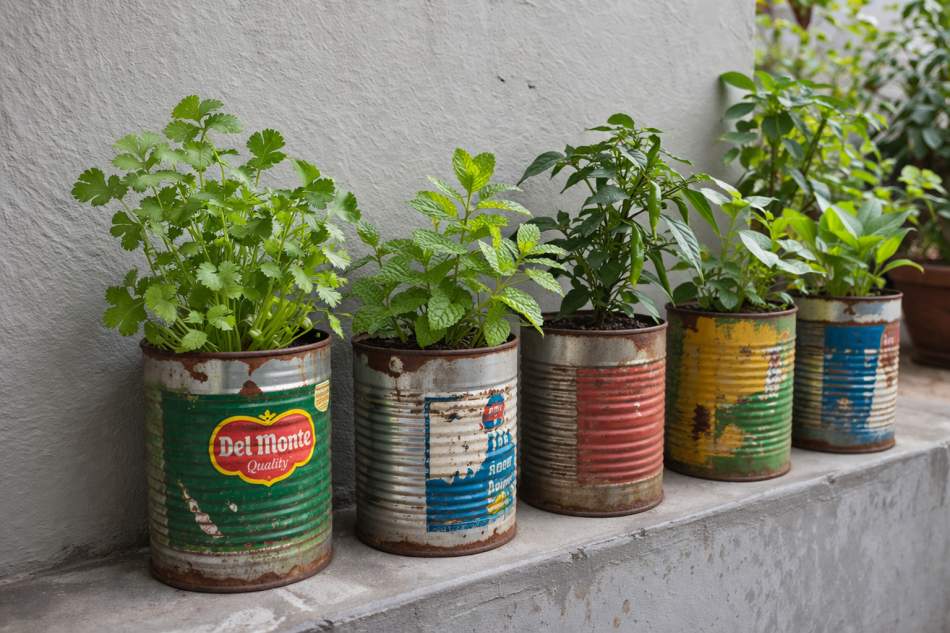
Empty tin cans from your kitchen can easily become small planters. They’re compact and perfect for growing herbs or small plants, especially if you don’t have much space.
Just clean them properly and make a few holes at the bottom for drainage. Plants like mint, coriander, and green onions grow well in these.
Place them on a windowsill or balcony, and you’ll have fresh herbs within easy reach while cooking.
10. Old Water Drums or Large Buckets
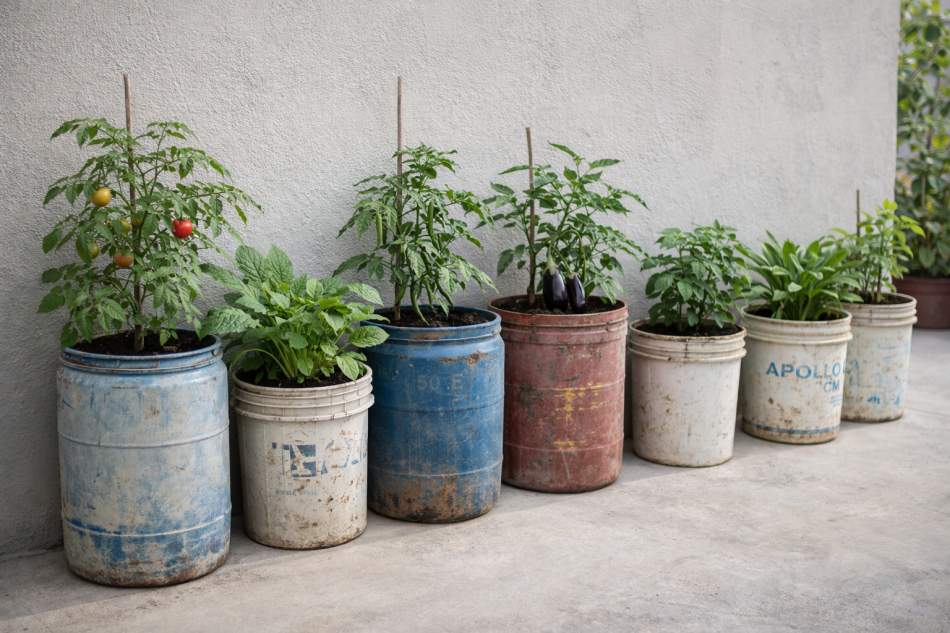
If you have an old water drum or any large container, you can use it to grow bigger, more productive plants. These hold a lot of soil, which helps plants grow stronger and yield more.
Make a few drainage holes at the bottom and fill with a good soil mix. These containers are great for vegetables like tomatoes, brinjal, okra, and even climbing plants if you add support.
Keep them in a sunny spot, and they can easily become your main growing containers.
11. Hanging Baskets or Old Baskets
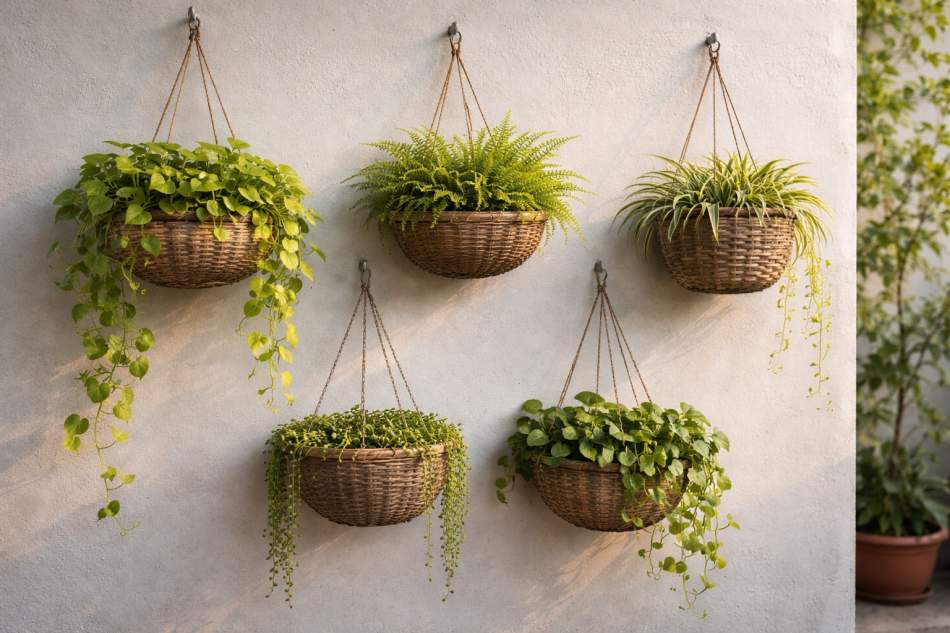
Want to use vertical space? Old baskets can be turned into hanging planters and placed on balconies, windows, or hooks. They help save space while still letting you grow fresh greens.
Line the basket with cloth or coco peat so the soil stays in place, then add soil and plants. These are perfect for herbs like mint, coriander, or even small spinach varieties. Just make sure they get enough sunlight and don’t dry out too quickly.
12. Egg Trays (For Seed Starting)
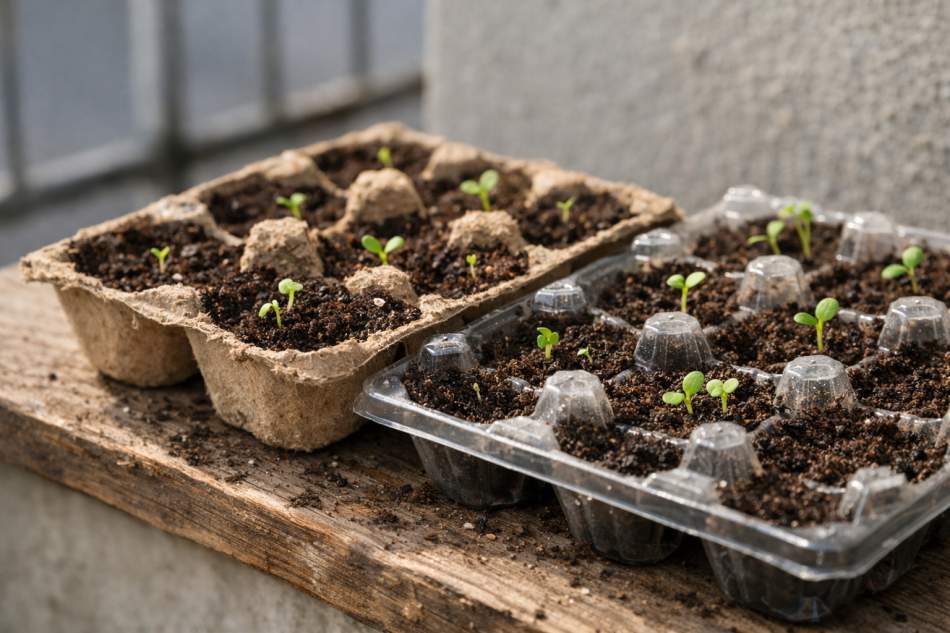
Before growing full plants, you can start with seedlings—and egg trays are perfect for that. They’re small, free, and great for giving young plants a healthy start.
Fill each section with a little soil, sow your seeds, and keep it lightly moist.
Once the seedlings grow a few leaves, you can transfer them to bigger containers. This works well for tomatoes, chillies, and leafy greens. It’s an easy way to begin without spending anything.
13. Old Shoes or Footwear
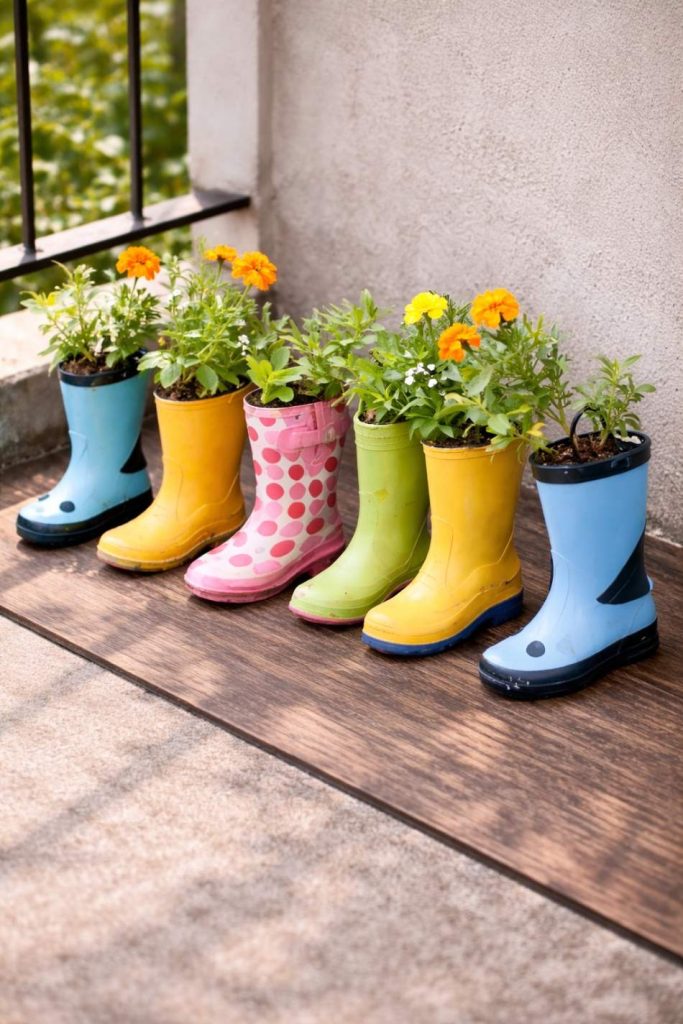
This might sound a bit unusual, but old shoes can actually be used as fun, small planters. Instead of throwing them away, you can give them a second life in your garden.
Just add a few holes for drainage if needed, fill with soil, and plant something small. These are best for herbs like mint or decorative greens.
They won’t grow big plants, but they’re a creative and eco-friendly way to reuse old items.
Also Read: 26 Beautiful Spring Flower Bed Ideas for Your Garden
14. Cement Bags
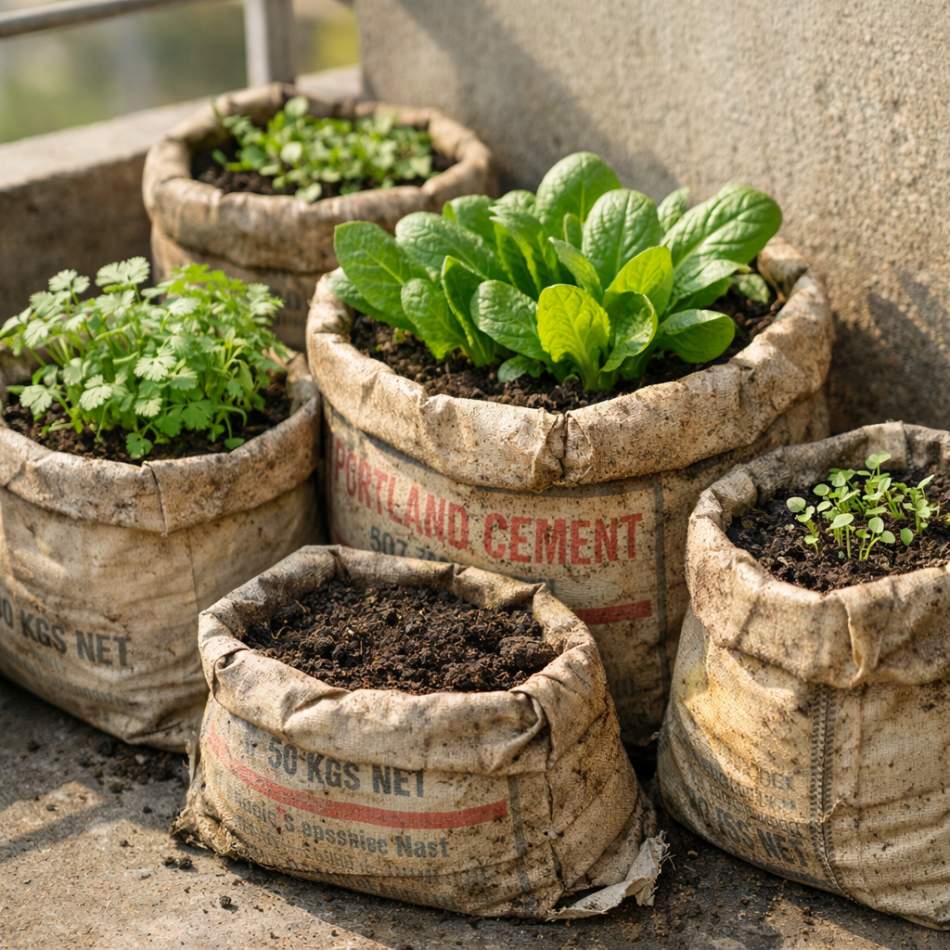
Empty cement bags can be surprisingly useful for gardening. They’re strong, flexible, and can hold enough soil for medium to large plants, making them a good low-cost option.
Fold the top edge for support, make a few drainage holes, and fill with soil. These work well for vegetables like potatoes, tomatoes, and leafy greens. Just place them in a sunny spot and water regularly—they’re simple but very effective.
15. Old Storage Bins or Buckets
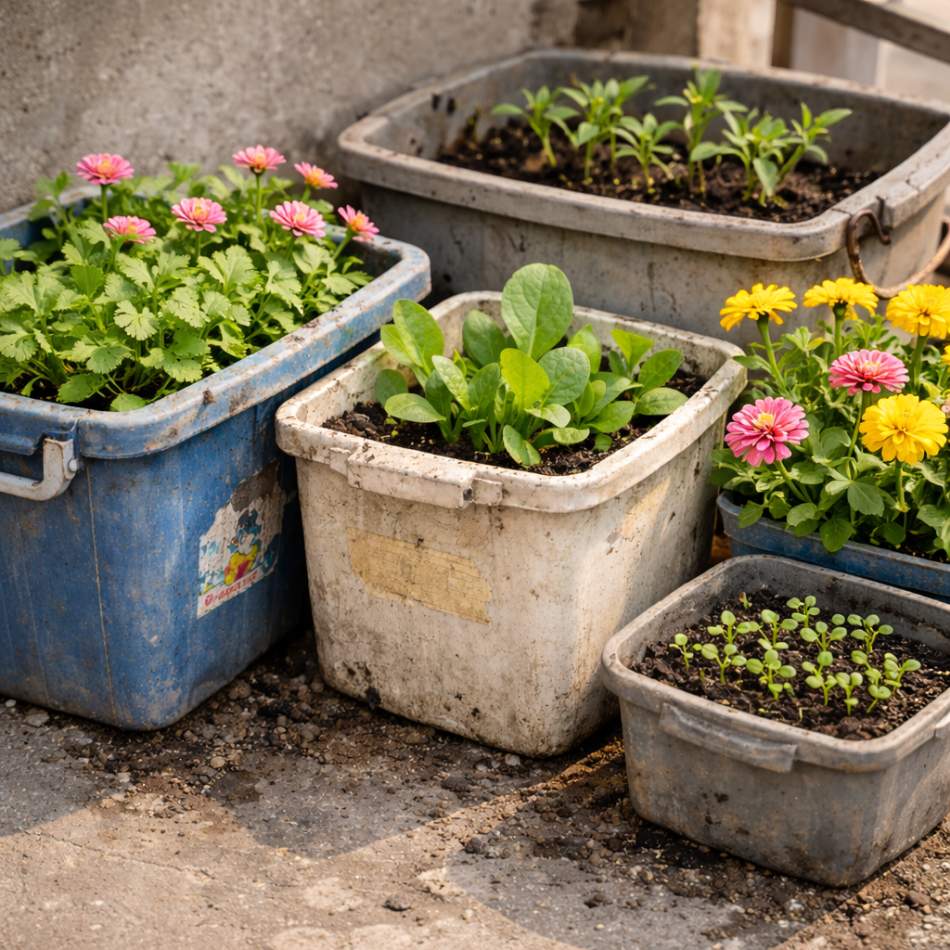
Unused storage bins or plastic buckets can easily turn into productive containers. They’re spacious and allow roots to grow properly, which helps plants stay healthy.
Drill a few holes at the bottom for drainage, then fill with soil. These containers are great for vegetables like chillies, brinjal, okra, and even beans.
With enough sunlight and regular care, they can give you a steady harvest at home.
16. Colanders or Strainers
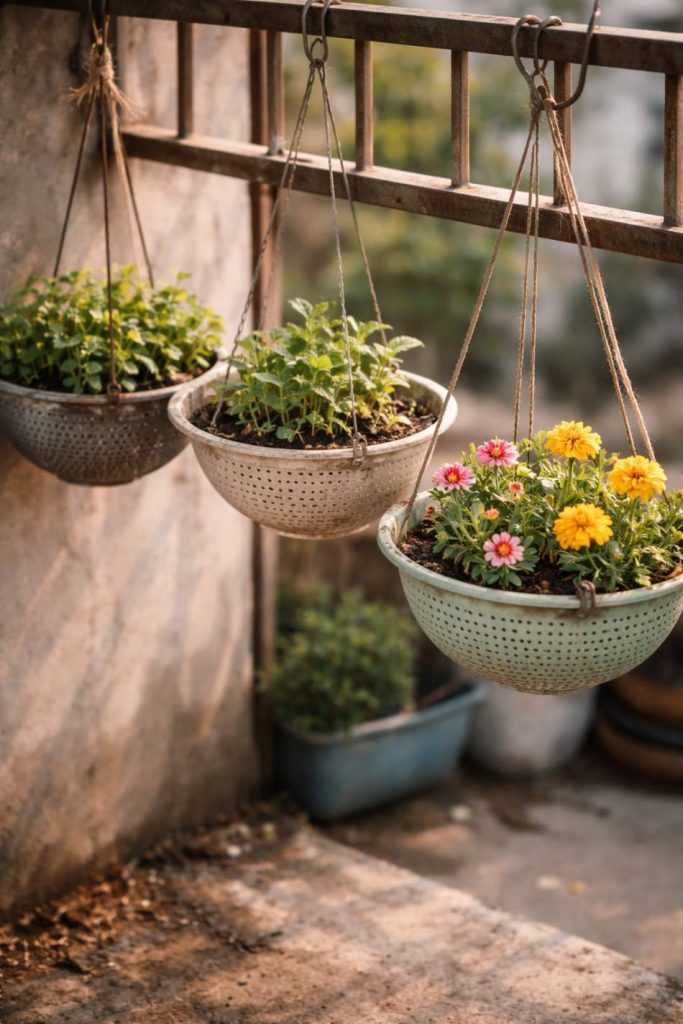
Old colanders or kitchen strainers can double up as ready-made planters. The small holes already provide excellent drainage, so you don’t have to do much extra work.
Just add a layer of cloth or coco peat inside so the soil stays in place, then fill with soil. These are perfect for herbs like coriander, mint, or even small leafy greens.
Place them in a sunny spot and water lightly—they dry a bit faster, so keep an eye on moisture.
Also Read: 9 Tips for Growing Vegetables in a Greenhouse
17. Cardboard Boxes (Short-Term Growing)
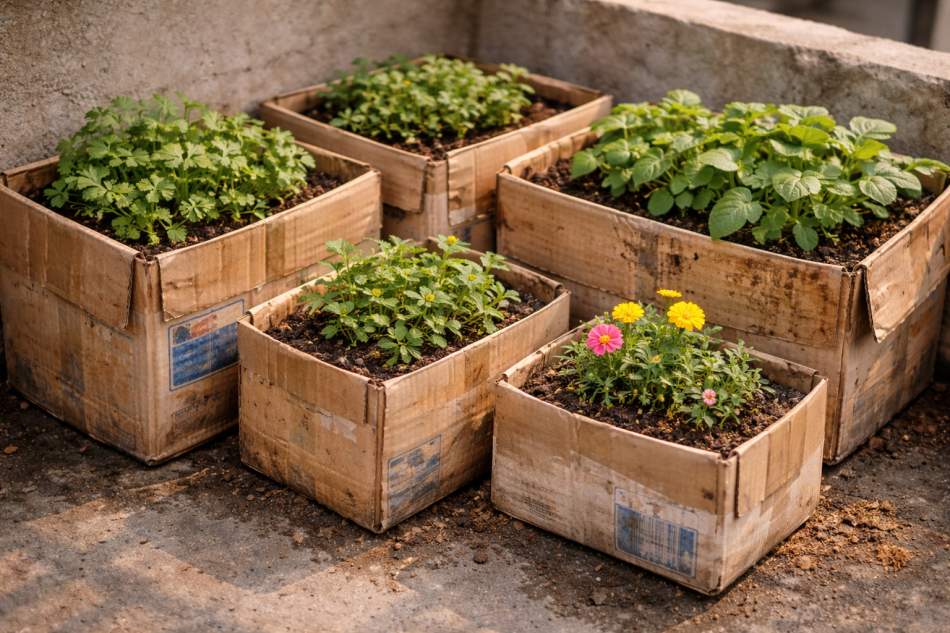
If you need a quick, temporary solution, even cardboard boxes can be used for growing plants. They’re not long-lasting, but they work well for short-term crops.
Line the inside with plastic or a thick layer of paper, add some drainage holes, and fill with soil. These are best for fast-growing vegetables like spinach, methi, or microgreens.
It’s a simple, no-cost option when you want to start immediately without waiting for proper containers.
18. Make Your Own Soil Mix
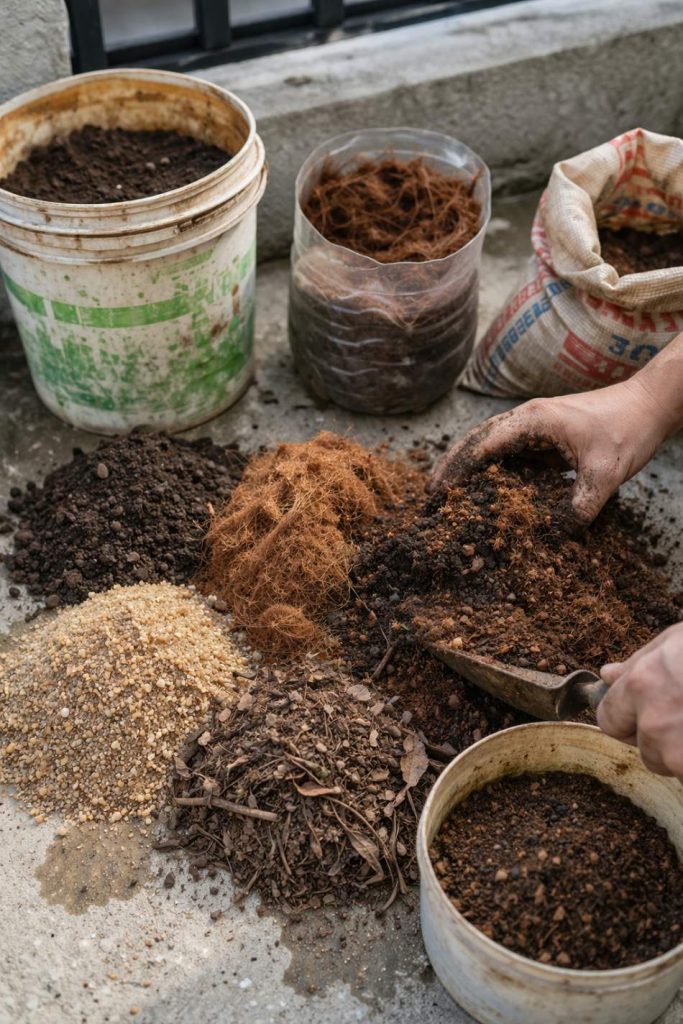
Buying ready-made potting mix for every container can quickly add up. Instead, you can create your own simple soil mix at home using what’s easily available around you.
A basic mix of garden soil + compost + sand (or cocopeat if you have it) works well for most vegetables. This keeps the soil loose, drains well, and still holds enough nutrients.
You don’t need anything fancy—just mix it well, and you’ll have a low-cost growing medium that works just fine.
19. Use Kitchen Waste as Fertilizer
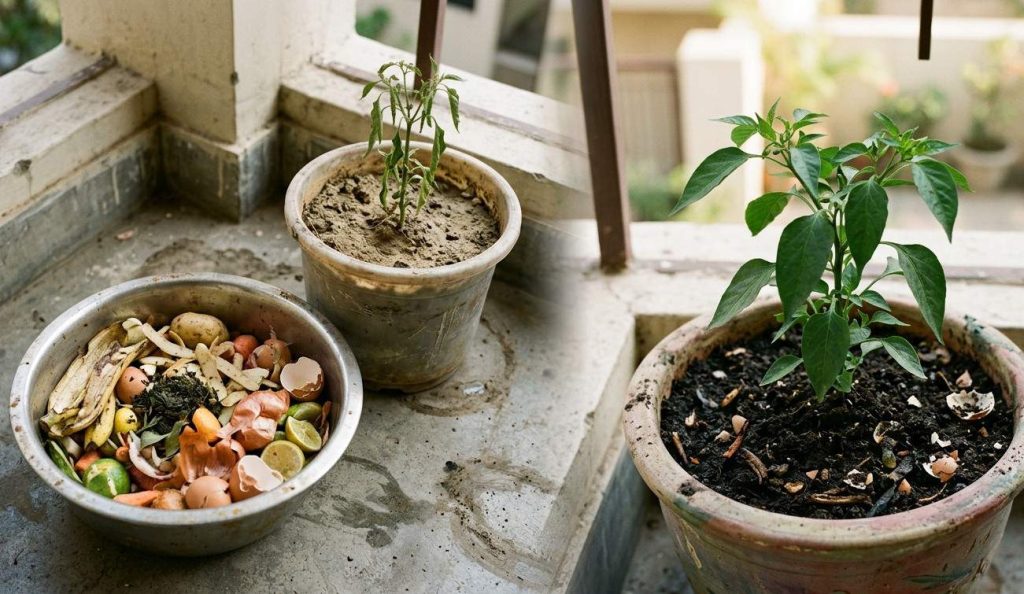
You don’t always need to buy fertilizers from the store. A lot of what you throw away in the kitchen can actually feed your plants.
Vegetable peels, fruit scraps, tea leaves, and even eggshells can be composted or added directly in small amounts to the soil.
Over time, they break down and improve soil health naturally. It’s an easy way to reduce waste while saving money—and your plants benefit from it too.
Must Read: 19 Best Vegetables to Plant in Spring
Conclusion
Starting a garden doesn’t have to be hard or costly. As you saw, you can use simple things from home to grow plants.
These cheap container vegetable gardening ideas show that you don’t need a big space or a lot of money—just a small start and a little care.
Begin with what you already have and grow a few easy vegetables. It’s okay if things don’t go perfectly at first.
You will learn step by step. And the best part is picking fresh vegetables from your own space—it feels really good and worth the effort.

Khaja Moinuddin, a computer science graduate, finds joy in gardening and homesteading. Join him on this blog as he shares his experiences in homesteading, gardening, and composting