Nothing can beat the joy of collecting fresh home-laid eggs from your flock. While raising chickens can be a very rewarding hobby, it can also be disheartening when you notice no eggs in the nesting box.
New chicken keepers must know that egg production doesn’t always run like clockwork. Hens go through natural cycles that may slow down or even stop laying eggs.
Knowing the reason why your chickens aren’t laying eggs can help you better understand how to get them laying again.
Below is a brief write-up about the 9 common reasons why hens stop laying eggs.
Stress from predator scares, big coop changes, extreme temperatures, or adding new flock members can all shut down egg production for weeks.
Age, illness, or injury will also cause a slowdown because an older or unwell hen’s body prioritizes staying healthy over making eggs.
In some cases, hens lay eggs in old laying spots, or younger hens don’t lay eggs in the nesting boxes. You may have to check all possible areas.
On top of that, poor nutrition, lack of fresh water, and short daylight hours (less than roughly 14–15 hours of light) are major reasons flocks suddenly go from a basket full of eggs to almost none.
To get them laying again, focus on the basics: keep the coop calm and predator-safe, offer a balanced layer feed with plenty of protein and calcium, and ensure clean water is always available.
Collect eggs often, refresh nesting boxes with clean, cozy bedding, check for hidden laying spots, and in fall and winter either add timed supplemental lighting to extend “daylight” or let your hens take a natural rest so they can return to laying strong.
9 Reasons Why Chickens Stop Laying Eggs
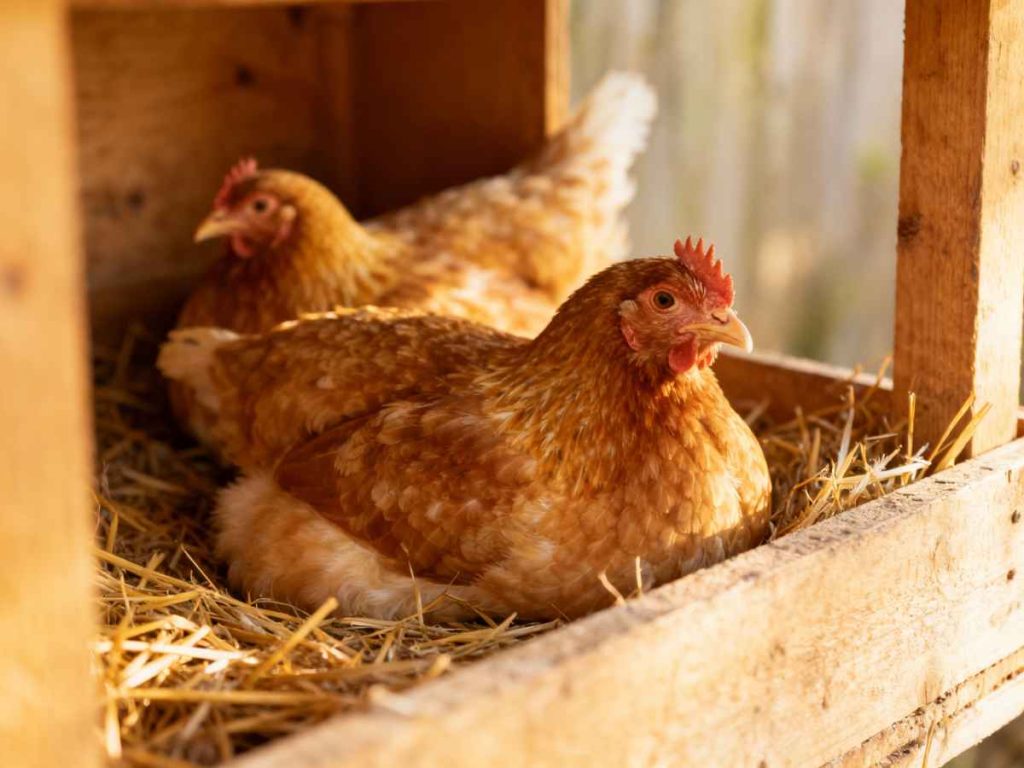
When your once-reliable flock suddenly slows down on eggs, it’s easy to panic and wonder what went wrong. The good news? Chickens rarely stop laying without a reason.
They’re simply reacting to something in their environment, health, or routine—and once you figure out the cause, you can usually fix it pretty quickly.
Below are the most common reasons hens stop laying and the simple solutions that get them back on track.
1. Stress
Chickens are creatures of habit, and even mild stress can shut down egg production very quickly. To a hen, feeling safe is essential for laying eggs consistently. When something disrupts that feeling, her body temporarily redirects energy toward survival instead of reproduction.
Common stress triggers include:
- A predator sniffing around the coop or run
- Loud noises like firecrackers, thunder, or construction
- Rehoming or transporting chickens
- Adding new flock members
- Moving the coop or changing the flock’s layout
- Bullying within the flock
- Extreme heat or cold
Even something as simple as a major coop clean-out can throw them off for a day or two.
When stressed, hens may:
- hide more
- eat less
- pace or act skittish
- vocalize more
- isolate themselves
- stop laying temporarily
Solution:
Keep their routines stable and predictable. Enhance predator protection (locks, hardware cloth, motion lights), avoid rearranging their living space unnecessarily, and introduce new birds slowly using a see-but-don’t-touch period. Provide shade in summer and a draft-free, dry shelter in winter so their bodies aren’t struggling to regulate temperature.
Also Read: How to Deworm Chickens Naturally?
2. Age
Age is one of the most natural and unavoidable reasons hens stop laying. A hen’s reproductive system is most active during her early years, then gradually winds down—just like any biological system.
Here’s how laying typically changes as hens age:
Laying Timeline by Age
- 0–6 months: Growing; no eggs yet
- 6–18 months: Peak production; large, regular eggs
- 2–3 years: Still good layers but begin slowing down
- 4–5 years: Noticeable decrease; more pauses
- 6+ years: Very light or seasonal laying; many stop entirely
Different breeds have different lifespans and laying longevity.
For example:
- Leghorns & sex-links: high production early; shorter peak period
- Heritage breeds: slower to mature; lay steadily for longer
- Dual-purpose breeds: moderate layers throughout life
Older hens may also have longer molts and slower recoveries, which further reduces egg frequency.
Solution:
If you depend on eggs, adopt a “rolling flock” approach by adding new pullets each year. This keeps egg production consistent without needing to rehome older hens. Your senior girls can peacefully retire as beloved pets while the younger flock members keep the egg basket full.
Also Read: 11 Ways to Stop Chickens from Eating their Eggs
3. Illness or Injury
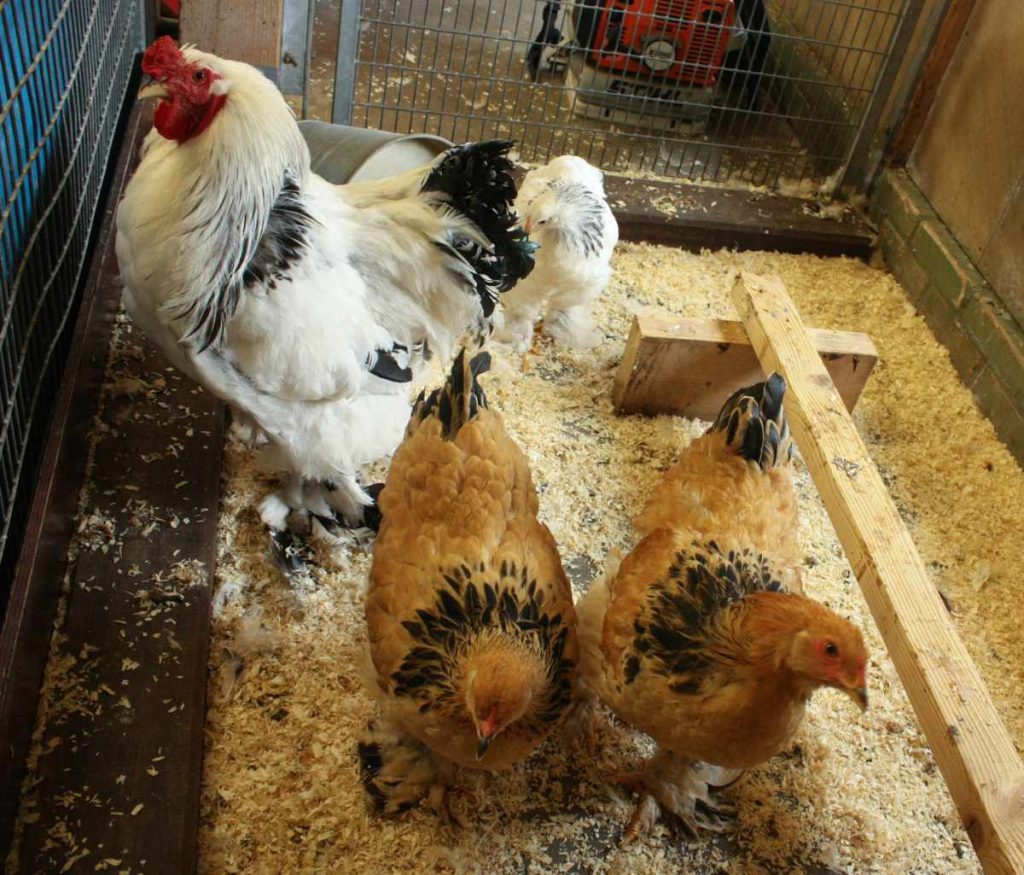
A sick hen’s body immediately shifts energy away from laying and toward healing. That’s why even a minor issue can cause a sudden drop in egg production.
Signs of illness may include:
- dull or watery eyes
- drooping wings
- heavy breathing or wheezing
- pale or discolored combs
- diarrhea or pasty vent
- decreased appetite
- sleeping more than usual
- slow movements or limping
- sitting puffed up in a corner
Parasites—especially mites and lice—are one of the most common culprits. Internal worms, respiratory infections, bacterial issues, and reproductive problems (like egg binding) can all decrease production before symptoms become obvious.
Solution:
Perform quick daily checks and occasional hands-on exams. Look at their eyes, combs, feathers, and feet. Monitor how much each bird eats and drinks. Separate sick hens immediately so you can observe them better. Treat for parasites as needed, maintain a clean, dry coop, and seek vet advice when symptoms persist.
4. Hidden Eggs
Sometimes hens don’t stop laying—they just lay where you can’t see. Young pullets and new layers are especially notorious for “creative” nesting spots.
Common hiding locations:
- behind feed bins or bedding bags
- under the ramp
- inside tall grass
- behind or under the coop
- inside garden beds or bushes
- in corners of the run
- behind nesting boxes themselves
This can make it seem like eggs have magically disappeared or production has dropped.
Solution:
Do a full search of your yard, coop, and run. Block access to tempting hideaways and make official nesting boxes irresistible with clean bedding, fake eggs, and privacy. Keeping hens in the coop until late morning (their most common laying time) trains them to use the boxes consistently.
5. Broody Hens

Broodiness is a strong maternal instinct where a hen decides it’s time to hatch chicks—whether or not she has fertilized eggs. When broody, her hormone levels change drastically, and laying shuts off completely.
How to tell a hen is broody
- Stays in the nest box all day and night
- Growls, puffs up, or pecks when approached
- Pulls feathers from her chest
- Only leaves briefly to eat, drink, and poop
- Makes a loud, distinct “broody cluck”
- Spreads her feathers wide like a pancake
A broody hen can hog the best nesting box, causing other hens to lay elsewhere—or not at all.
Solution:
- Remove eggs frequently so she has nothing to sit on
- Gently take her out of the nest several times a day
- Block access to favorite nesting boxes temporarily
- Use a wire-bottom “breaker pen” for 2–3 days to cool her body
- Or simply let her finish her broody cycle, especially if it’s mild
Broodiness can last anywhere from one to six weeks depending on the hen’s determination.
Check this: 70 Things Chickens Can Eat & 30 Food Items to Avoid
6. Poor Nutrition

Eggs are nutritionally expensive for a hen’s body to make. They need high-quality protein, vitamins, minerals, and plenty of calcium. When hens fill up on treats, scratch grains, or scraps, they may not get enough nutrients for steady laying. You might see fewer eggs or thin, weak shells.
It’s not always “bad food”—it’s often too much extra food and not enough balanced feed.
Signs of nutritional issues include:
- thin shells
- soft-shelled eggs
- irregular laying
- pale yolks
- decreased appetite
- overall drop in egg numbers
Solution:
Feed a high-quality commercial layer feed formulated to meet all their needs. Limit treats to 5–10% of daily intake. Provide free-choice oyster shell for calcium and occasionally offer high-protein treats like mealworms during molting or recovery.
7. Lack of Water
Water is the most overlooked factor in egg production. Because eggs are nearly 75% water, hens need constant hydration to maintain laying.
Common Water Problems
- Waterers running dry in hot weather
- Frozen water in winter
- Slimy or algae-filled containers
- Poop, bedding, or feed floating in the water
- Water placed in direct sunlight, becoming too warm
If water is low-quality or unavailable even briefly, hens may stop laying for several days afterward.
Solution:
- Check waterers twice a day (more in heatwaves)
- Keep water in shaded areas
- Clean containers regularly
- Add multiple waterers if you have a larger flock
- Use heated bases or electric waterers in winter
Clean, cool water is one of the fastest ways to restore egg production.
8. Molting

Molting is the annual process where hens shed old feathers and grow new ones. This typically happens in late summer or fall and can last 4–12 weeks.
Why hens stop laying during molt:
- Feathers are made of 85–90% protein
- Regrowing them consumes enormous energy
- The body prioritizes feather renewal over egg production
Molting hens often look rough—patchy, ragged, and tired—but it’s completely normal.
Solution:
Provide increased protein (18–20%) through molting feeds or high-protein treats. Keep stress low and nutrition high. They’ll return to laying once their new feathers are fully grown in.
Check this: How Cold Is Too Cold For Chickens?
9. Shorter Daylight Hours
Short days are one of the most common reasons for a sudden drop in eggs. Chickens rely on daylight duration, not temperature, to regulate their reproductive cycle. When days get shorter than 12–14 hours, their bodies shift into “rest mode.”
What shorter days do:
- Slow egg-producing hormones
- Tell hens to conserve energy
- Trigger natural seasonal breaks
- Help the body prepare for winter survival
Breeds like Orpingtons, Australorps, and Rhode Island Reds tend to lay better in winter, while others take long breaks.
Solution:
- Allow them to follow nature and rest (best for long-term health)
- Or use supplemental lighting in the coop:
- use a low-watt bulb
- set a timer for early morning (4–6 AM)
- aim for a total of 14–15 hours of light
- keep it consistent daily
If using artificial light, ensure excellent nutrition and reduce stress because you’re asking more of their bodies.
Conclusion
Every flock has its ups and downs, and egg production is no different. When hens slow down or stop altogether, it’s their way of signaling that something in their world needs attention—from stress and dehydration to molting or winter daylight.
By taking the time to observe their behavior, fine-tune their diet, protect them from predators, and maintain their environment, you set your flock up for long-term health and steady laying.
Remember, happy hens are productive hens—and with a bit of patience and proactive care, your egg basket will fill back up before you know it.

Khaja Moinuddin, a computer science graduate, finds joy in gardening and homesteading. Join him on this blog as he shares his experiences in homesteading, gardening, and composting