March is around the corner and I’m already lining up my gardening arsenal. Seed trays, fresh packets, spray bottles — the whole little ritual is ready to go.
With longer days and a good stretch of natural light, March is when starting seeds finally feels right. No more struggling, no more sad, stretched seedlings.
Just fresh growth, tiny greens popping up, and that happy moment when the gardening season officially begins.
I’ve always loved growing plants from seeds. There’s something special about watching a tiny speck turn into a strong, productive plant right in front of you.
Starting from seed opens up way more variety than you’ll ever find at a garden center. You can grow unique colors, better flavors, and varieties chosen for your space instead of settling for whatever happens to be on the shelf.
It’s also budget friendly and surprisingly satisfying. A small packet can grow dozens of plants, and you get the pride of saying, “I raised that from day one.”
48 Vegetables to Grow in March
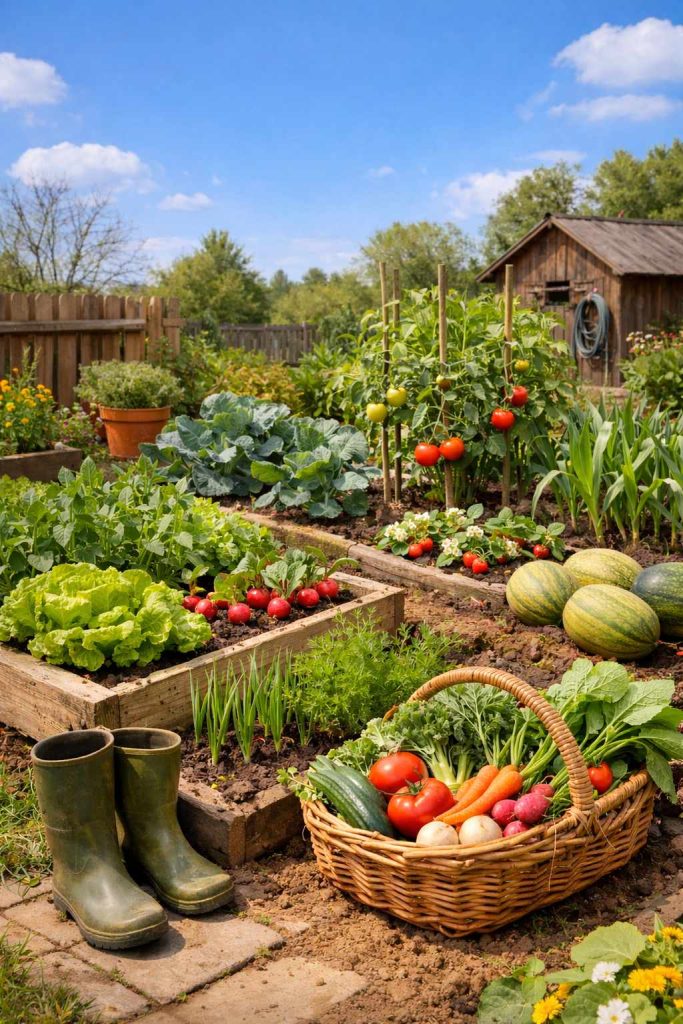
If you think you can plant all of these vegetables in March no matter where you live, think again.
You can’t plant everything without first checking the climate in your region.
I’ve grouped the vegetables into three sections to make it easier.
- Gardeners in USDA Zones 3–7 should focus on the Early Spring crops.
- Zones 6–9 are usually ready for vegetables that prefer mild warmth.
- And in Zones 8–11, you can begin planting the ones that truly thrive in warmer conditions.
Even then, always double-check your local last frost date before you put anything in the ground.
(Note: Don’t be surprised if some vegetables show up in multiple sections — many of them are flexible and can handle more than one season.)
Vegetables to Plant in Early Spring
1. Spinach

Spinach is happiest when the air still has a bite to it. March gives it that cool start it craves.
Seeds sprout quickly in cold soil, and the plants grow fast without much fuss. Keep them watered and they’ll stay tender.
Start harvesting outer leaves early and it will continue producing for weeks.
2. Lettuce
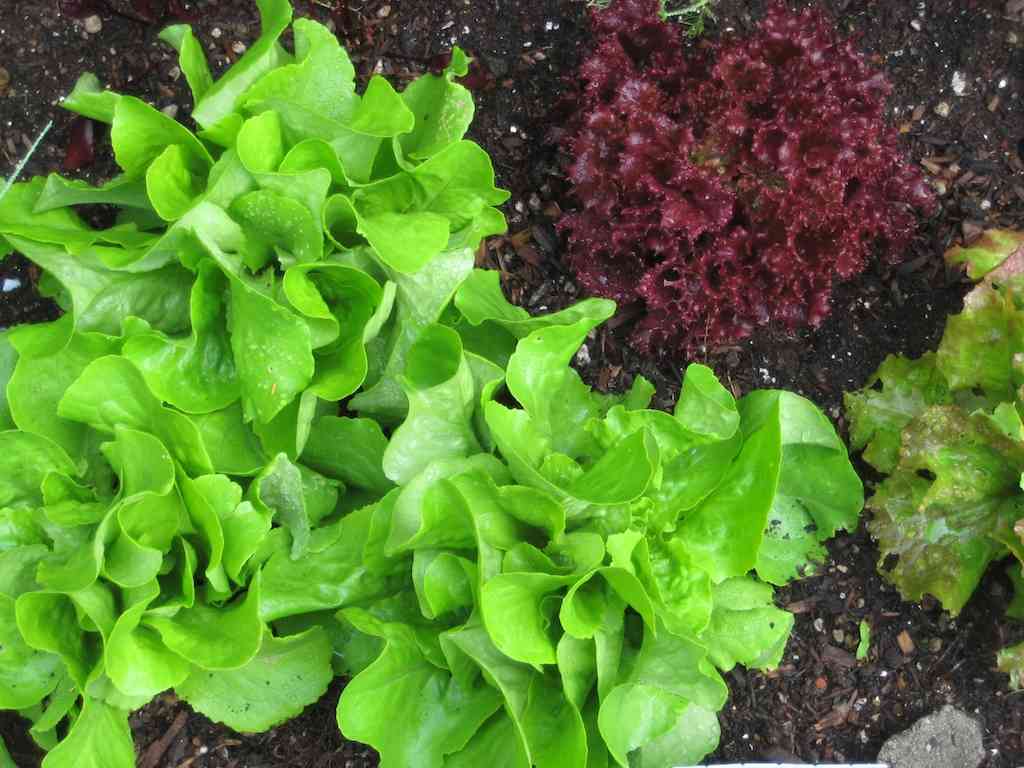
Nothing beats the first spring lettuce. Cooler weather keeps the flavor mild and the texture crisp.
You can sow it thick for baby greens or give plants room to form heads. Either way, it moves along steadily in March.
Plant a little now, plant a little later, and you’ll stretch the harvest beautifully.
3. Peas
Peas don’t like heat, but early spring? Perfect. Slide them into the ground as soon as you can work the soil.
They’ll focus on root growth first, then start climbing once days lengthen. Add a trellis early so you’re not wrestling vines later.
Fresh pods picked straight from the plant are worth every minute of waiting.
4. Radish

If you want quick success, radish is your friend. March temperatures help them size up fast.
Many varieties are ready in three to four weeks, which makes them great for filling empty spaces. Sow small batches instead of all at once.
5. Carrot
Carrots take their time at the beginning, but they love starting life in cool ground.
Keep the seedbed consistently moist while they germinate. Once those feathery tops appear, they’re usually off and running.
Early planting often leads to sweeter, better-shaped roots later on.
6. Beetroot
Beetroot is a great early starter. The seeds wake up nicely in cool March soil.
What makes it special is the double reward. You get leafy greens up top and colorful roots below.
They don’t mind a light frost, which makes timing much less stressful for new gardeners.
Give them consistent moisture and a bit of thinning room, and they’ll swell up beautifully.
7. Turnip

Turnips are built for brisk weather. They grow quickly and rarely complain.
Planting in March helps you harvest them while they’re still tender and mild. Wait too long and they can turn strong.
The bonus is the greens, which are just as useful in the kitchen.
A reliable, practical crop when the season is just getting started.
Also Read: 19 Best Vegetables to Plant in Spring
8. Arugula

Arugula might be one of the fastest greens you’ll ever grow. Cool temperatures keep it lush and flavorful.
It germinates in a flash, sometimes in just days. That quick start makes March ideal.
Harvest leaves young if you like a gentler bite, or let them mature for more punch.
Once real heat arrives it bolts, so enjoy it while spring is still fresh.
9. Swiss chard
Swiss chard is tougher than it looks. A bit of cold won’t slow it down.
It establishes itself in early spring and then keeps producing for a very long time. You’ll be glad you made space for it.
Pick outer leaves and let the center keep growing — easy system, steady harvest.
Plus, those colorful stems brighten up beds that still feel sleepy from winter.
10. Kale
Kale and chilly weather go hand in hand. In fact, cool air improves the taste.
Starting in March gives plants plenty of time to bulk up before summer challenges them. They grow sturdy and dependable.
You can harvest baby leaves or wait for larger ones depending on what you need.
If you want a crop that almost guarantees success, this is it.
11. Collard greens

Collards are steady, dependable growers that appreciate a cool start. March weather suits them just fine.
They focus on building strong plants before the rush of summer heat. That early foundation really pays off later.
Harvest from the bottom up and they’ll keep sending new leaves from the top.
Low drama, big reward.
12. Mustard greens
Mustard greens bring bold flavor to the early garden. They sprout eagerly in cool soil.
March planting helps you avoid the quick bolting that comes with warm weather. The leaves stay tender longer.
You can baby them for salads or let them size up for cooking.
Fast, lively, and never boring.
13. Bok choy
Bok choy prefers gentle spring temperatures. Too much heat and it rushes toward flowers.
Planting now gives it time to form those nice, compact heads everyone wants. Keep moisture steady and growth stays smooth.
It’s quick enough to fit into small garden spaces without feeling like a commitment.
Catch it in March and you’re golden.
14. Cabbage
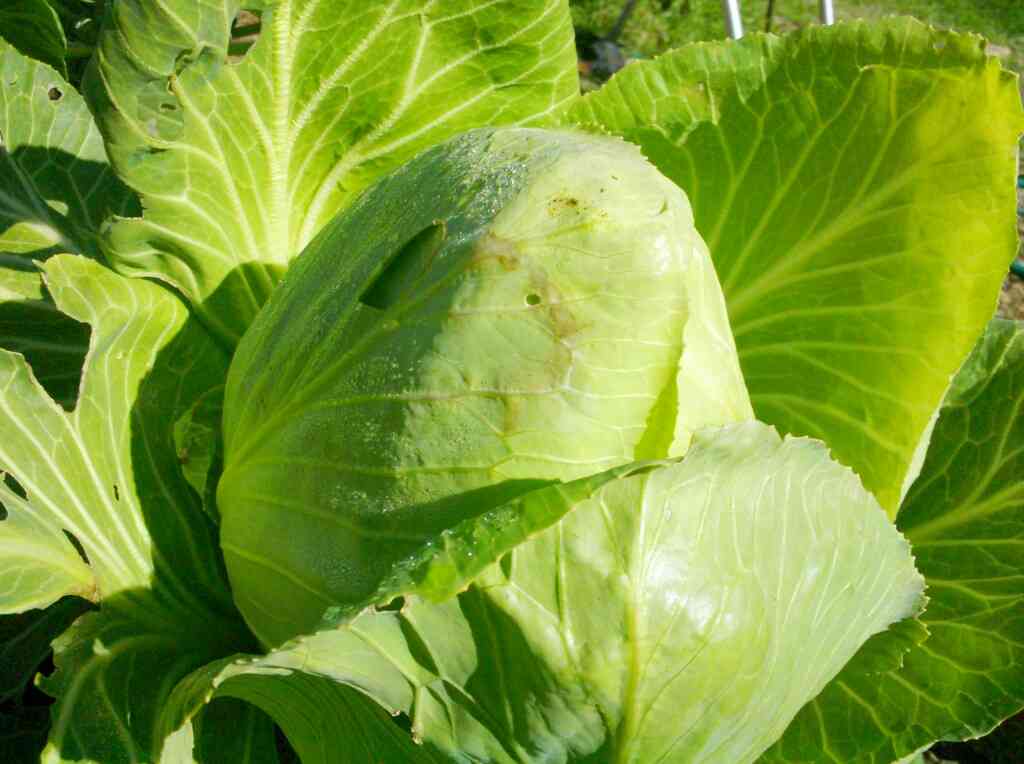
Cabbage loves a slow, cool build. Early planting helps it develop firm, full heads.
Give seedlings time to settle in before temperatures rise, and they’ll handle the rest. They’re sturdier than people think.
Once they get going, maintenance is pretty simple.
A classic move for early spring gardens.
15. Broccoli
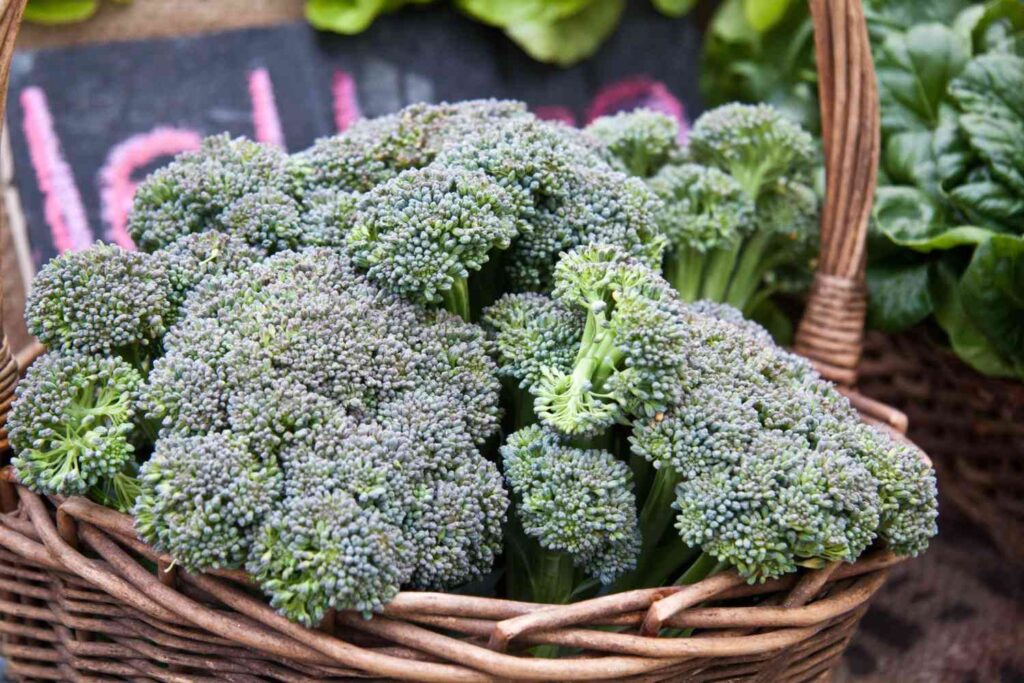
Broccoli is all about timing. You want those heads forming before summer heat messes with quality.
March sowing or transplanting lines things up beautifully. Cool weather encourages solid growth.
Feed the soil well and keep watering consistent.
Do that, and you’ll be cutting dinner straight from the garden.
16. Cauliflower
Cauliflower has a reputation for being fussy, but a cool March start stacks the odds in your favor. It prefers steady growth without big swings in temperature.
Rich soil matters here. Mix in compost before planting and keep moisture consistent so heads develop without stress.
As curds begin forming, many gardeners tie the outer leaves loosely over the top to protect color and tenderness. A little extra attention goes a long way.
17. Brussels sprouts
Brussels sprouts are in it for the long haul. They need months of growing time, so starting early is essential.
March planting allows them to build strong stalks and deep roots before summer. The real magic comes later when cool fall weather improves flavor.
Keep them well fed, stake if winds are strong, and be patient. This is a crop that rewards commitment.
18. Onion

Onions benefit hugely from getting into the ground early. Longer growing time equals larger bulbs.
Whether you’re using sets, seedlings, or starts, plant them while temperatures are still cool so roots establish quickly. They’ll size up as daylight increases.
Consistent watering and weed control make a noticeable difference. Give them a clean bed and they’ll quietly do their job.
19. Leek
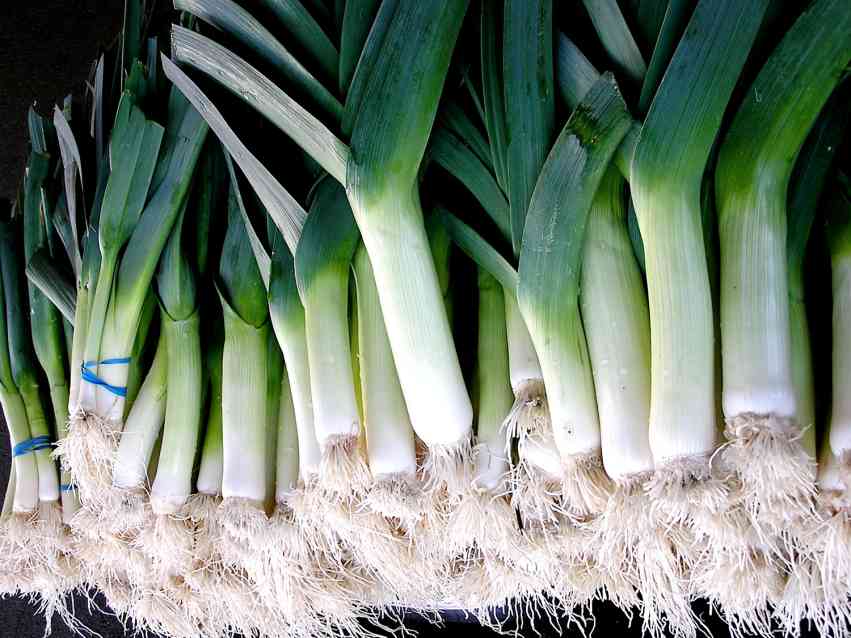
Leeks thrive with a long, gradual season, making March ideal for planting. They prefer cool weather during early development.
As they grow, mound soil around the stems to blanch them and create that long, tender white shaft cooks love.
They’re slow but dependable. Start early, keep them watered, and they’ll be there when many other crops have finished.
20. Parsley
Parsley germinates better in cool conditions than in heat, so March gives it a comfortable beginning. Don’t panic if sprouting takes time — that’s normal.
Once established, it becomes surprisingly resilient and keeps producing through a wide range of weather.
Regular cutting encourages bushier growth. By summer, you’ll have more than enough for the kitchen.
A small early effort delivers months of harvest.
Vegetables for Warming Weather
After the brutal cold backs off, it’s time for sunny days.
These are the vegetables that like it somewhere in the middle — not freezing, not blazing.
Give them that comfortable spring window and they’ll settle in fast and start growing like they mean it.
21. Potato

Potatoes are happiest once the soil begins to warm but the air is still cool. They’re not fans of hard frost, so this timing feels just right.
Plant seed pieces in loose, fertile ground and water them in well. The sprouts will push up sooner than you expect.
As plants grow taller, hill soil around the stems. That extra coverage encourages more tubers to form.
22. Spring onion
Spring onions slide easily into the mid-spring garden. They don’t need babying once extreme cold has passed.
Tuck them into empty spots or short rows, and they’ll rise up neatly with very little effort from you.
Pull them young or let them size up a bit more — they’re flexible like that.
Also Read: 27 Spring Flower Garden Ideas to Transform Your Yard
23. Celery
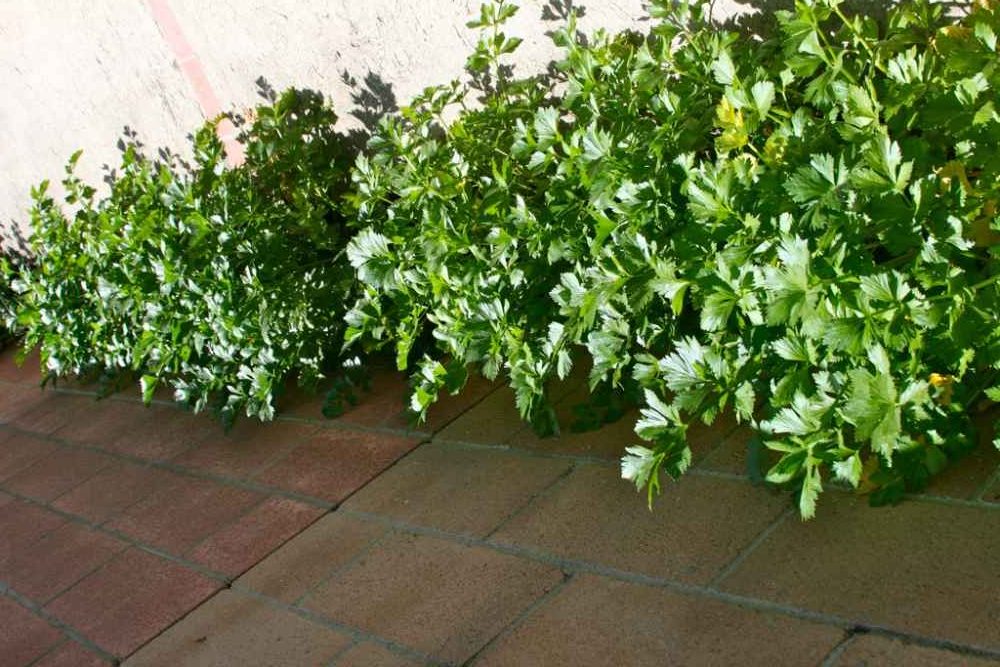
Celery prefers cool weather but appreciates a break from freezing nights. This is when it can finally relax and grow.
Prepare soil with compost and keep watering consistent. Uneven moisture is usually what causes problems.
Slow and steady wins with celery, but the crunch is worth it.
24. Fennel
Fennel likes mild temperatures and tends to struggle when pushed too early or too late.
Plant it now and bulbs will develop under comfortable conditions. Give them space and plenty of sun.
If growth stays smooth, you’ll harvest firm, flavorful heads without much trouble.
25. Chard
Chard handles a bit of cool weather, but it really starts to shine once the soil warms slightly. Mid-spring gives it that comfortable push.
Work in compost before planting and keep young plants watered while they settle. After that, it’s surprisingly independent.
Harvest outer leaves regularly and it will keep producing for months. One planting can carry you a long way.
26. Parsnip
Parsnips need a long growing season, so getting them in during March or early mid-spring is a smart move. They’re slow starters but strong finishers.
Loose, deep soil is important because roots want room to stretch. Stones or compact ground can cause twisting.
Be patient with germination — it can take a while. Once they’re up, they’re tough and reliable.
Also Read: 9 Tips for Growing Vegetables in a Greenhouse
27. Kohlrabi
Kohlrabi grows best when temperatures are mild. Too cold slows it down, too hot makes it woody.
Plant now and you’ll hit that perfect middle zone. Keep growth steady with regular watering and decent soil.
Harvest when bulbs are still small to medium. Younger kohlrabi is always more tender and sweet.
28. Endive
Endive appreciates the calmer side of spring. It doesn’t love frost, but it’s also not built for summer heat.
Mid-spring planting helps leaves develop good texture and flavor. Give plants space for airflow as they grow.
You can pick outer leaves as needed or let heads form. Nice and flexible depending on how you cook.
29. Celeriac
Celeriac takes its time, so planting in this milder spring window gives it the long runway it needs. It prefers cool conditions without harsh frost.
Rich soil is a big help. Mix in compost so roots can expand without struggling.
Keep moisture consistent throughout the season. Dry spells can slow development or make growth uneven.
By fall, those knobby roots will have transformed into something surprisingly hefty.
30. Scallion

Scallions are easy to slip into the garden once temperatures moderate. They don’t demand much attention.
Plant them fairly close together and they’ll grow upright without competing too much. Great for small spaces.
Water regularly and they’ll size up quickly. You can start harvesting earlier than you think.
Succession planting every couple of weeks keeps the supply going.
31. Shallot
Shallots appreciate cool air but want soil that’s starting to warm. This timing helps them root in comfortably.
Set bulbs with good spacing so they have room to multiply. Crowding limits their potential.
Keep weeds down and sunlight reaching the base of the plants. They prefer not to fight for resources.
With a bit of patience, each planted bulb turns into a tidy little cluster.
32. Leek
Leeks love a long, gentle growing season, which makes mid-spring planting a smart choice. They’ll settle in without stress.
Prepare soil well and keep it fertile. They’re not heavy feeders, but they appreciate steady nutrition.
As stems lengthen, mound soil around them to blanch and improve tenderness.
Give them time — they mature slowly, but the payoff is excellent.
33. Lettuce
Lettuce keeps loving life as spring settles into milder weather. The soil is warmer, growth is faster, and plants establish quickly.
This is a great time to try different types — loose leaf, romaine, butterhead — because conditions suit them all.
Water consistently to keep leaves tender. Dry stress can bring bitterness sooner than you want.
Plant in small rounds and you’ll enjoy salads for weeks instead of one big rush.
34. Beetroot
Beetroot adapts well to these in-between temperatures. Not too cold, not too hot — just steady progress.
Roots develop smoothly when moisture stays even, so try not to let beds dry out completely.
Thin seedlings early to avoid crowding. Giving each plant breathing room really improves bulb size.
And remember, those leafy tops are delicious while you wait for roots to mature.
Check this: How to Grow Strawberries in Greenhouse?
35. Carrot
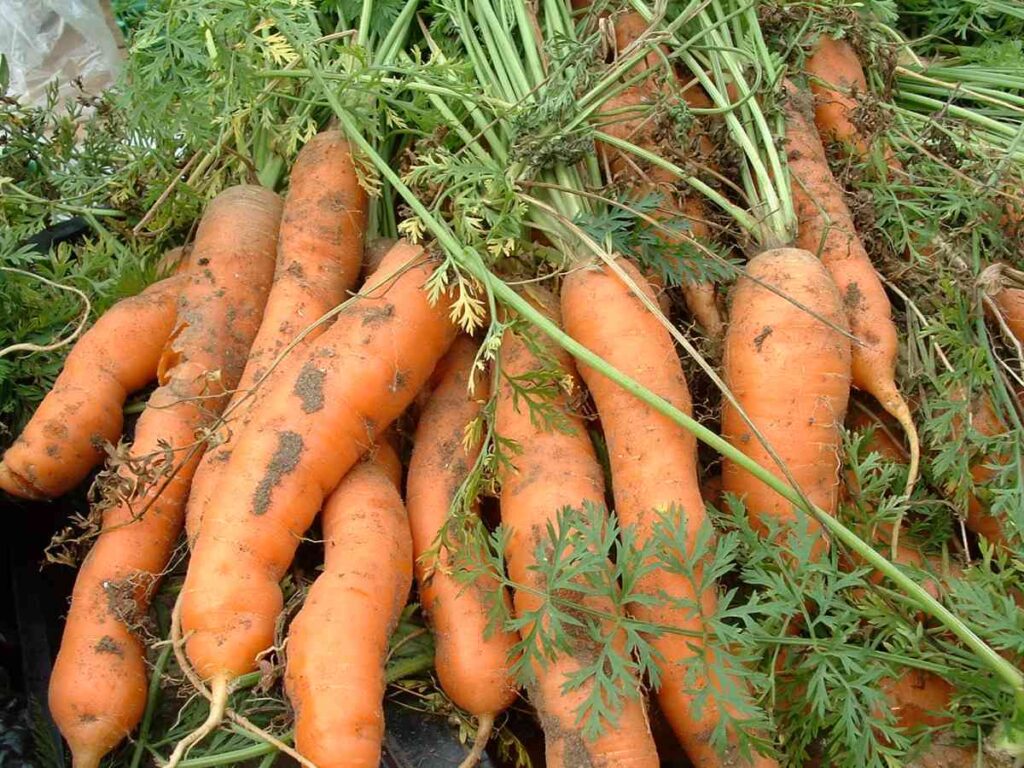
Carrots germinate more reliably now than they did in colder weeks. The slight warmth speeds things along.
Loose soil is your best friend here. Anything compact can cause forked or stunted roots.
Keep the surface damp during sprouting — that stage is the most sensitive.
Once established, they mostly take care of themselves until harvest time.
36. Pea
Peas can still be planted in milder spring conditions, especially in regions where heat arrives later. They’ll appreciate the extra warmth.
Growth above ground speeds up, so vines may climb faster than earlier sowings.
Make sure supports are ready before they need them. Trying to add trellises afterward can get messy.
A late spring planting often means a quick but generous harvest.
Sun-Loving Vegetables
By this point, spring has settled and the soil is warming, nights are more predictable, and you can plant without watching the forecast every five minutes.
These vegetables crave heat, sunshine, and longer days. Give them that cozy start, and they’ll grow fast, strong, and full of confidence.
37. Tomato
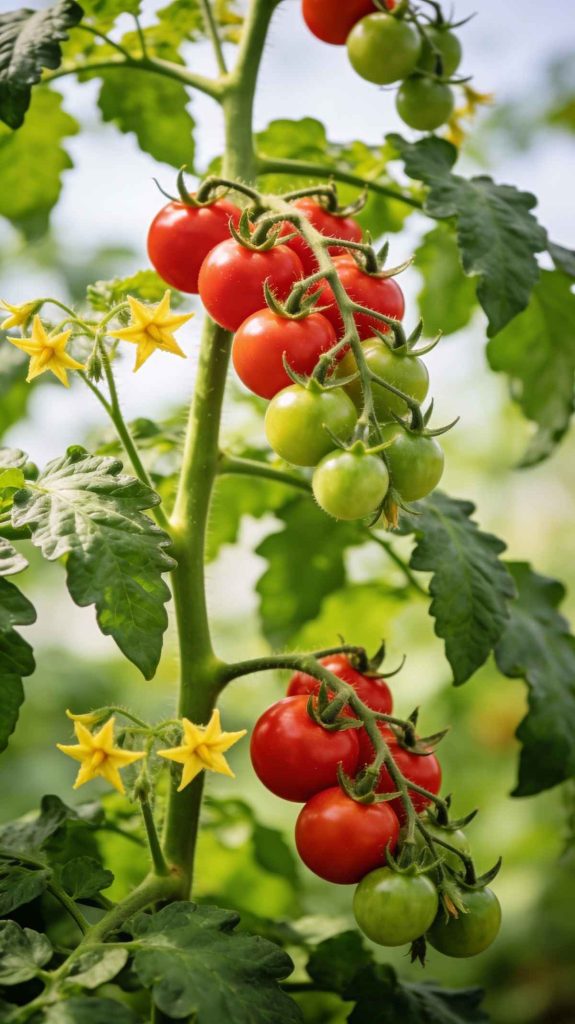
Tomatoes wait all year for warm soil and comfortable nights. Once frost danger is gone, they’re more than ready to grow.
Plant them deep, burying part of the stem so additional roots can form. That one trick alone can make a huge difference in plant strength.
Set up cages or stakes right away. Trying to wrestle a sprawling tomato later is never fun.
Keep sun exposure high and watering consistent. When they’re happy, production can feel almost nonstop.
38. Pepper
Peppers really come alive when the garden starts to feel summery. Warmth flips the switch for them.
Planting in warm soil helps them root faster and avoid early stress. They’ll appreciate the brightest, sunniest location you can offer.
Early growth can seem slow, but don’t panic. Once summer energy kicks in, plants suddenly surge.
Stay patient, feed them well, and heavy harvests usually follow.
39. Cucumber
Cucumbers are happiest when chilly weather is completely out of the picture. They want warmth right from the start.
They’re vigorous climbers, so giving them a trellis keeps vines manageable and improves airflow. Cleaner fruit is a bonus.
Consistent watering is key. Irregular moisture can lead to bitterness or odd shapes.
Check plants often — once production begins, cucumbers seem to appear overnight.
40. Eggplant

Eggplant settles best once the days feel reliably warm. Cold snaps can slow it down for weeks.
Choose a fertile bed with full sun and avoid crowding. Good airflow keeps plants healthier.
They may look quiet at first, but as temperatures rise, flowering and fruiting ramp up.
Give them time and they’ll reward you with beautiful, glossy harvests.
41. Zucchini
Zucchini is one of those vegetables that explodes with growth once warmth settles in. Give it sun and it wastes no time.
Plant in rich soil and be ready — these plants get big. Good spacing improves airflow and keeps leaves healthier.
Water at the base rather than overhead to reduce disease problems.
And check daily once fruits start forming. Miss a day and you might discover a baseball bat hiding under the leaves.
42. Pumpkin
Pumpkins demand heat and plenty of room to roam. They’re not shy about taking over territory.
Warm soil encourages fast germination and strong vines. Feed them well from the beginning.
As runners spread, you can gently guide them where you want them to go.
The earlier they start happily, the better your chances of impressive fall decorations.
43. Sweet corn
Corn likes the ground warm and the weather settled. Cold starts usually lead to uneven growth.
Plant in blocks instead of single rows to improve pollination later. It’s a simple trick with big results.
Keep the bed well watered, especially when ears begin forming.
Watching those tall stalks rise gives the garden a whole new feeling of summer.
44. Bean
Beans prefer to leap into warm soil rather than crawl through cold mud. Once temperatures cooperate, they germinate fast.
Bush types stay compact, while pole varieties will need support from day one. Plan ahead and installation is easy.
They’re not heavy feeders, which makes them fairly low effort.
Pick often and plants will keep producing. Ignore them, and pods toughen quickly.
45. Okra

Okra refuses to hurry for cool weather. It waits until the soil is properly warm and then shoots upward like it has somewhere important to be.
Give it full sun and don’t skimp on space. These plants like airflow and reward it with stronger growth.
Pods can go from perfect to overgrown fast, so swing by often with a basket.
The more you harvest, the more it keeps them coming.
46. Melon
Melons are happiest when days feel bright and nights stay mild. Anything colder and they simply stall.
Plant them in rich, well-drained soil and let the vines wander. They’ll find their rhythm once heat builds.
Consistent watering early on helps fruit set nicely, but ease up as melons ripen to concentrate sweetness.
Growing them takes patience, but slicing into that first ripe one makes you forget the wait.
47. Sweet potato

Sweet potatoes love heat so much that planting too early almost always backfires. Warm ground is the green light.
Set slips in a sunny spot and keep them watered while they root. After that, vines usually take over with enthusiasm.
They’re excellent at covering bare soil and handling summer intensity.
By the time digging season arrives, it can feel like a treasure hunt.
48. Basil

Basil wants absolutely nothing to do with cold weather. Wait for warmth and it will reward you with explosive growth.
Pinch tips regularly to keep plants bushy and delay flowering. More branching means more leaves for the kitchen.
Good drainage and steady sun keep it thriving without much fuss.
Once it gets going, you’ll probably be giving bunches away.
Conclusion
March is a month of transition, which means not every vegetable follows the same planting schedule.
Hardy crops are usually ready to head outdoors as soon as the soil can be worked, and many of them even appreciate the cool air. Others prefer a little warmth and do best once the threat of deep frost begins to fade.
The true heat lovers need patience. If nights are still cold, they may stall or struggle, so it’s often smarter to wait a bit longer or start them indoors.
Match each crop to the conditions you have, and planting becomes easier, less stressful, and far more successful.

Khaja Moinuddin, a computer science graduate, finds joy in gardening and homesteading. Join him on this blog as he shares his experiences in homesteading, gardening, and composting