Winter is considered as the month of dormancy. But savvy gardeners know that it’s perfect time to get a head start for spring harvests.
Cold-hardy vegetables thrive in cooler temperatures, and many can tolerate light frosts or even snow.
By planting now, you’re taking advantage of the slow germination period that winter provides, giving your crops time to establish strong root systems before warmer weather arrives.
Starting seeds indoors, planting under cover in cold frames or greenhouses, or direct-sowing in warmer zones allows you to extend your growing season significantly.
January planting means you’ll harvest fresh vegetables weeks or even months ahead of gardeners who wait until spring. Plus, many cool-season crops actually taste sweeter after exposure to light frost, as the cold triggers them to convert starches into sugars.
Whether you’re growing leafy greens, root vegetables, or brassicas, these 36 cold-hardy vegetables can handle the chill and reward you with early crops.
From spinach and kale to carrots and radishes, January is your opportunity to kickstart your garden year and enjoy homegrown produce while others are still planning their spring gardens.
1. Onions

Onions are one of the best January plantings because they require 8-10 weeks of indoor growth before transplanting. Start seeds indoors in late January and keep them at around pencil thickness until transplanting outdoors in March. They prefer well-drained soil and full sun exposure.
As seedlings grow to 5-6 inches tall, trim them back to 3 inches to encourage stronger root and bulb development. This trimming technique helps channel energy into underground growth rather than leafy tops. Onions need consistent moisture but not waterlogged conditions to develop properly.
2. Leeks
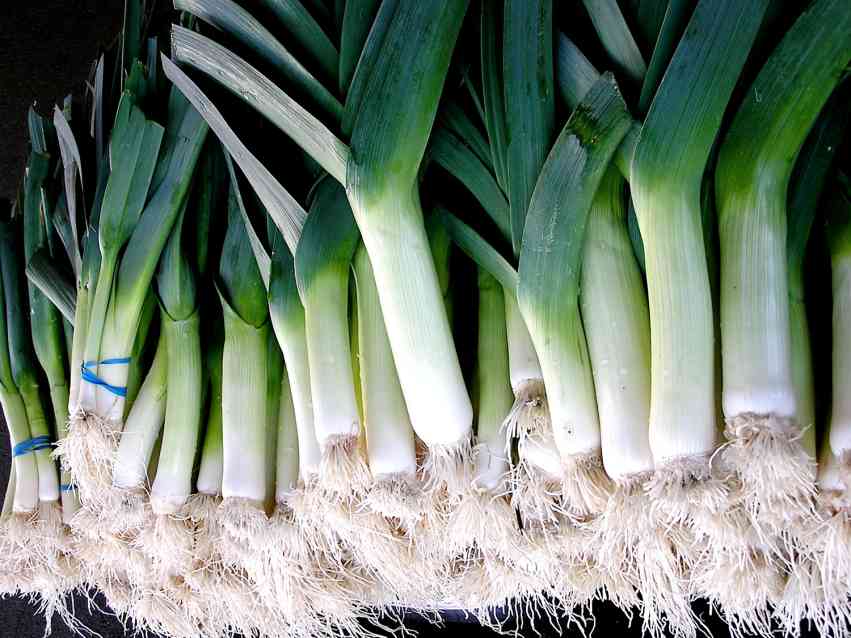
Leeks require an extended growing period of up to 100 days, making January the ideal time to start them indoors. They’re incredibly cold-hardy and can withstand temperatures well below freezing once established. Start seeds in trays with good drainage and light seed-starting mix.
These alliums prefer rich, well-amended soil with plenty of organic matter. Leeks benefit from being planted in trenches so you can mound soil around them as they grow, which blanches the stems and creates that desirable white portion. They can be mulched heavily with straw for winter protection and harvested throughout the cold months.
Also Read: 27 Vegetables to Grow Indoors in the Winter
3. Shallots

Shallots follow similar growing requirements as onions and should be started indoors in January for spring transplanting. They grow best from sets or small bulbs planted in well-drained, fertile soil. These flavorful alliums need at least 8 weeks of development before moving outdoors.
Plant shallots in full sun locations with soil amended with compost for best results. Space them adequately to allow proper bulb formation. They’re more cold-tolerant than regular onions and can handle light frosts once established in the garden.
4. Spinach

Spinach thrives in cool weather and can be direct-sown outdoors in January in zones 8-11. In colder regions, start seeds indoors or in cold frames for transplanting later. Mature spinach plants can withstand temperatures down to 15°F once established.
This leafy green grows quickly in well-drained, nitrogen-rich soil with consistent moisture. Spinach prefers slightly alkaline soil and benefits from regular watering to prevent bolting. Plant succession crops every two weeks for continuous harvests throughout spring.
5. Lettuce
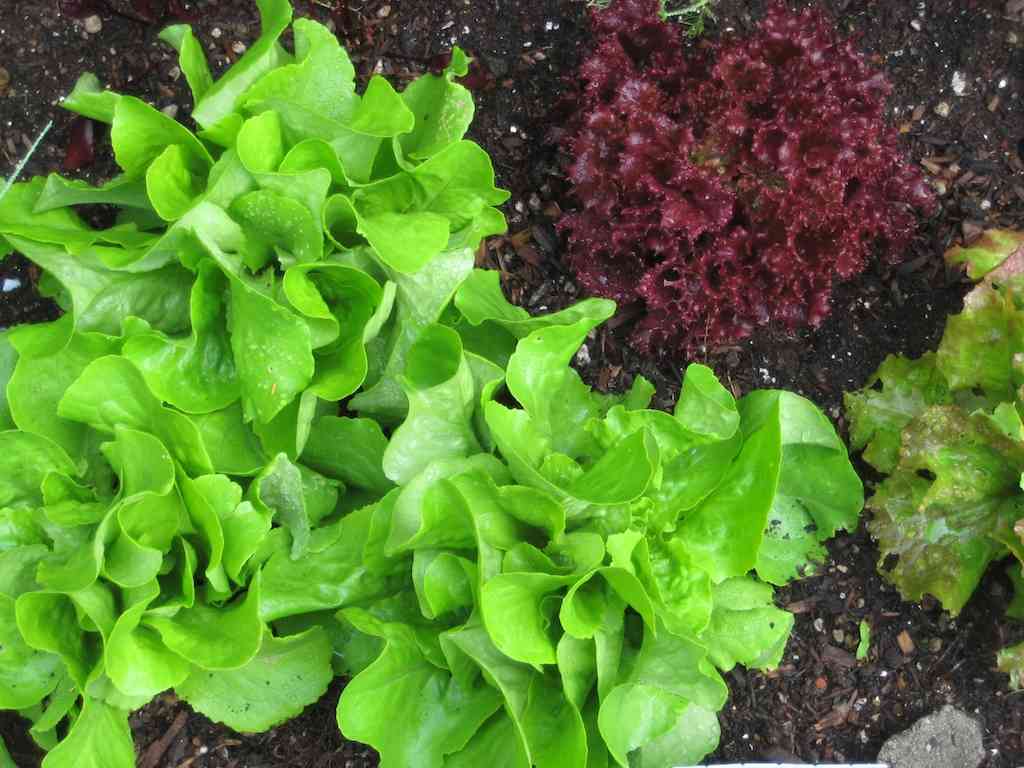
Lettuce is a cold-hardy vegetable perfect for January planting that grows rapidly in cool conditions. Start seeds indoors around January 15th for transplanting to cold frames or greenhouses by mid-March. Lettuce prefers temperatures between 45-65°F for optimal growth.
Provide lettuce with light, well-draining soil rich in organic matter. This crop needs consistent moisture and partial shade in warmer climates to prevent bitterness and bolting. Space plants 6-8 inches apart and harvest outer leaves for a continuous “cut and come again” crop.
Check this: 14 Forst Tolerant Vegetables to Extended Growing Season
6. Kale
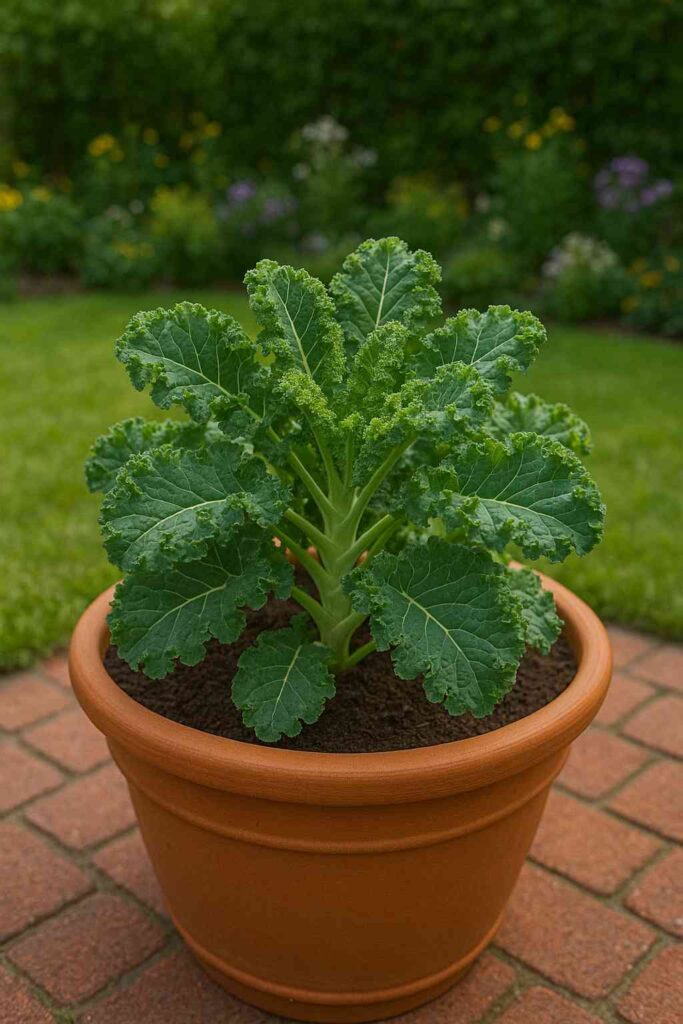
Kale is exceptionally cold-hardy and actually tastes sweeter after exposure to frost. In mild winter zones, you can direct-sow seeds outdoors in January. For colder regions, start seeds indoors in late January for transplanting in about five weeks.
This nutrient-dense brassica requires full sun and fertile, well-drained soil with a pH between 6.0-7.5. Kale benefits from consistent watering and regular feeding throughout the growing season. Mature plants can withstand temperatures down to 10°F and provide harvests for months.
7. Broccoli
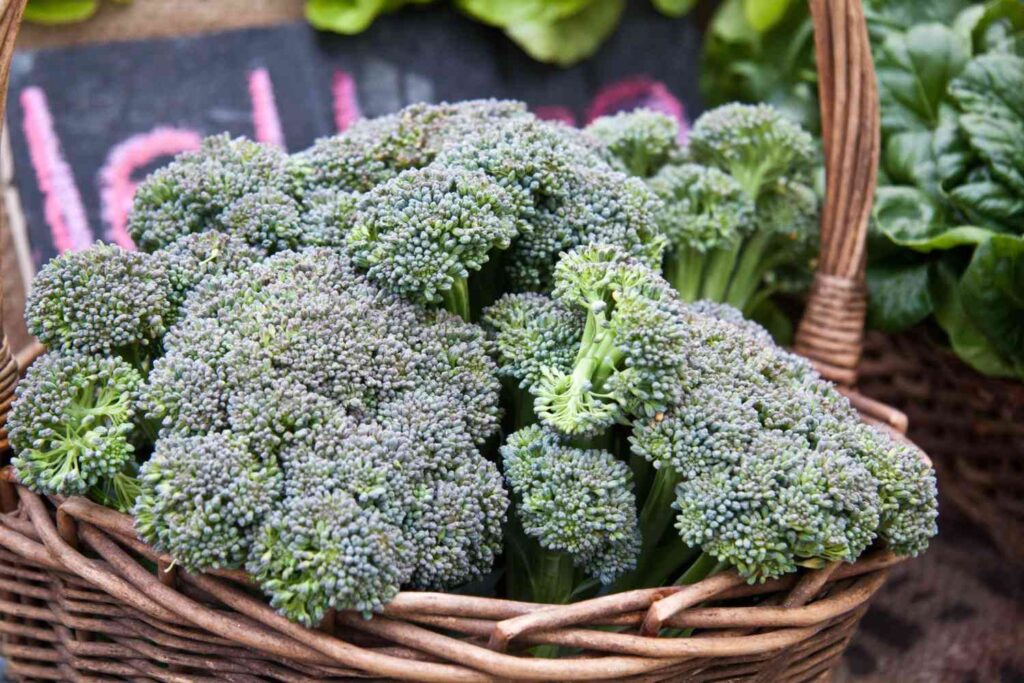
Broccoli thrives in cool weather and should be started indoors in late January in zones 6-8. Choose varieties based on your growing zone—longer maturity types (up to 100 days) for colder areas and quick-growing varieties for warmer regions. Seeds need temperatures around 70-75°F to germinate.
Transplant broccoli seedlings to the garden when they’re 4-6 weeks old and the soil is workable. This crop needs rich, well-amended soil with plenty of nitrogen and consistent moisture. Space plants 18-24 inches apart in full sun for proper head development.
8. Cabbage
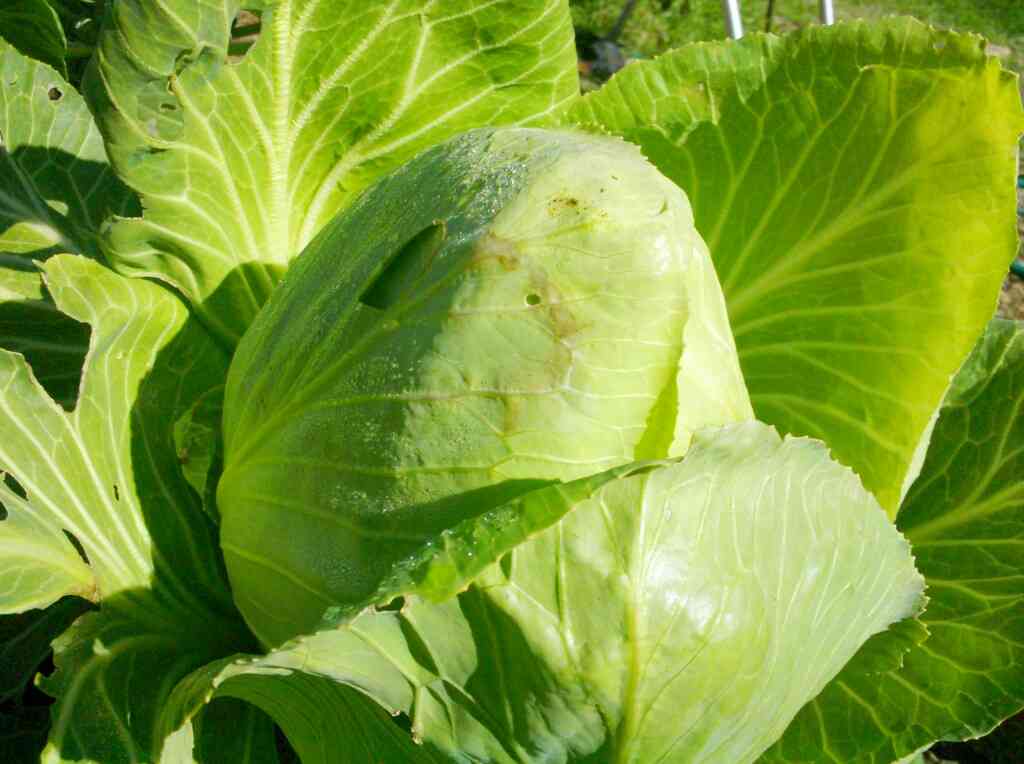
Cabbage is a hardy brassica that can be started indoors in January for spring transplanting. Both green and purple varieties handle cold weather exceptionally well, with established plants tolerating temperatures down to 15°F. Start seeds 6-8 weeks before your last frost date.
Plant cabbage in full sun with rich, well-drained soil amended with compost. This crop is a heavy feeder requiring regular fertilization throughout the growing season. Ensure consistent moisture to prevent splitting and maintain steady head development.
9. Cauliflower

Cauliflower can be started indoors in late January for early spring transplanting outdoors. This cool-season crop requires similar conditions to broccoli and cabbage but is slightly more sensitive to temperature fluctuations. Start seeds 6-8 weeks before transplanting.
Grow cauliflower in fertile, well-drained soil with consistent moisture and full sun exposure. This crop benefits from protection during temperature extremes and requires adequate spacing of 18-24 inches between plants. Blanch developing heads by tying outer leaves over them to maintain white color.
Also Read: 13 Easy Vegetables to Grow in Summer
10. Brussels Sprouts
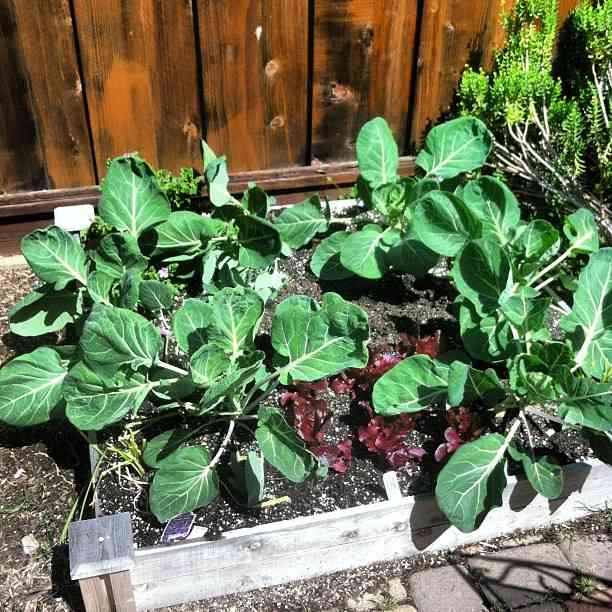
Brussels sprouts are long-season crops that benefit from January indoor starting. These cold-hardy plants actually improve in flavor after exposure to frost. Start seeds 8-10 weeks before transplanting outdoors in early spring.
Plant Brussels sprouts in rich, well-amended soil with full sun and consistent moisture. They require a long growing season of 90-180 days depending on variety. Space plants 24 inches apart and provide support as they grow tall and top-heavy.
11. Kohlrabi

Kohlrabi is a fast-growing brassica that can be direct-sown in January in warmer zones. This unusual vegetable tolerates cold well and matures quickly, usually within 45-60 days. In colder regions, start seeds indoors for later transplanting.
Grow kohlrabi in loose, well-drained soil rich in organic matter. This crop prefers consistent moisture and cool temperatures for tender, sweet bulbs. Harvest when bulbs reach 2-3 inches in diameter for best flavor and texture.
12. Collard Greens

Collard greens are extremely cold-hardy brassicas that can handle temperatures down to 10°F. Plant seeds in January in zones 8-10 or start indoors in colder regions for spring transplanting. These southern staples thrive in cool weather.
Grow collards in full sun with rich, well-drained soil amended with plenty of compost. They require consistent moisture and benefit from regular nitrogen feeding. Space plants 18-24 inches apart and harvest outer leaves continuously for extended production.
13. Mustard Greens

Mustard greens are fast-growing, cold-tolerant leafy vegetables perfect for January planting. Direct-sow seeds in warmer zones or start indoors for transplanting in colder areas. These spicy greens mature quickly, often within 40-50 days.
Plant mustard greens in full sun to partial shade with moist, fertile soil. They prefer cool temperatures and bolt quickly in heat. Harvest young leaves for milder flavor or let them mature for a more pungent taste.
14. Arugula

Arugula is a cold-hardy salad green that can be direct-sown in January in zones 7-10. This peppery green grows rapidly in cool weather, ready to harvest in as little as 30-40 days. Start seeds indoors in colder zones for early spring transplanting.
Grow arugula in well-drained soil with consistent moisture and partial shade in warmer areas. This crop prefers cooler temperatures and will bolt quickly as weather warms. Succession plant every two weeks for continuous harvests.
15. Bok Choy

Bok choy is a cold-tolerant Asian green that can be direct-sown outdoors in January in mild climates. This fast-growing vegetable matures in 45-60 days depending on variety. In colder zones, start seeds indoors for transplanting after frost danger passes.
Plant bok choy in rich, well-drained soil with full sun to partial shade. It requires consistent moisture and cool temperatures to prevent bolting. Space plants 6-12 inches apart depending on variety size.
16. Swiss Chard

Swiss chard is a cold-hardy leafy vegetable that can be direct-sown in January in zones 8-11. This colorful green tolerates both cold and heat better than many leafy crops. Start seeds indoors in colder regions for spring transplanting.
Grow chard in full sun with rich, well-amended soil and consistent moisture. This crop is relatively low-maintenance and can provide harvests for months with proper care. Harvest outer leaves continuously while allowing the center to keep producing.
17. Peas
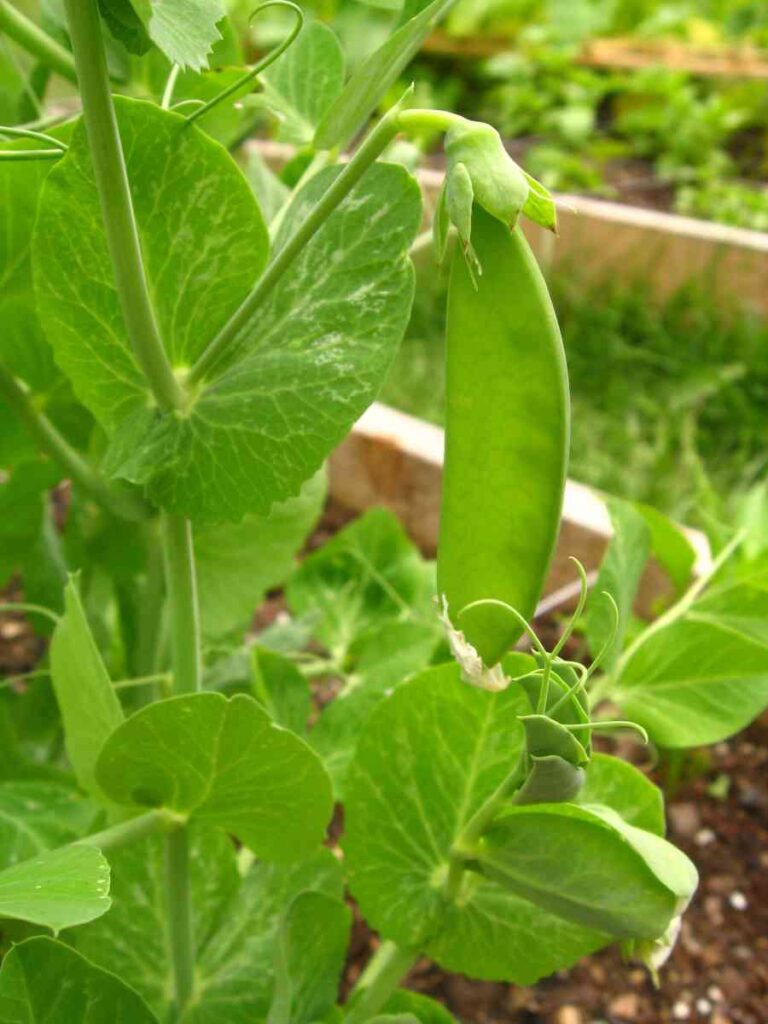
Peas are classic cool-season crops that can be planted in January depending on your zone. Direct-sow seeds in zones 7-9 when soil is workable, or start indoors in colder areas. Nick seeds before planting to improve germination rates. These legumes can tolerate light frosts.
Plant peas in full sun with well-drained soil and provide support for climbing varieties. They prefer cool weather and will stop producing when temperatures rise. Peas fix their own nitrogen but benefit from phosphorus and potassium supplementation.
18. Snow Peas

Snow peas follow similar planting requirements as regular peas and thrive in January plantings. These flat-podded varieties are harvested before peas fully develop inside. Plant seeds 1-2 inches deep in well-drained soil when ground is workable.
Grow snow peas in full sun with consistent moisture and provide trellising for support. They prefer cool temperatures between 55-70°F. Harvest pods when flat and tender, before peas swell inside.
19. Sugar Snap Peas
Sugar snap peas are sweet, edible-pod varieties perfect for cool-season planting. Direct-sow in January in warmer zones or start indoors for transplanting in colder areas. These peas combine the best qualities of shell peas and snow peas.
Plant sugar snaps in full sun with well-drained, moderately fertile soil. Provide sturdy support as vines can grow 6 feet tall. Harvest when pods are plump but still tender and crisp.
20. Carrots
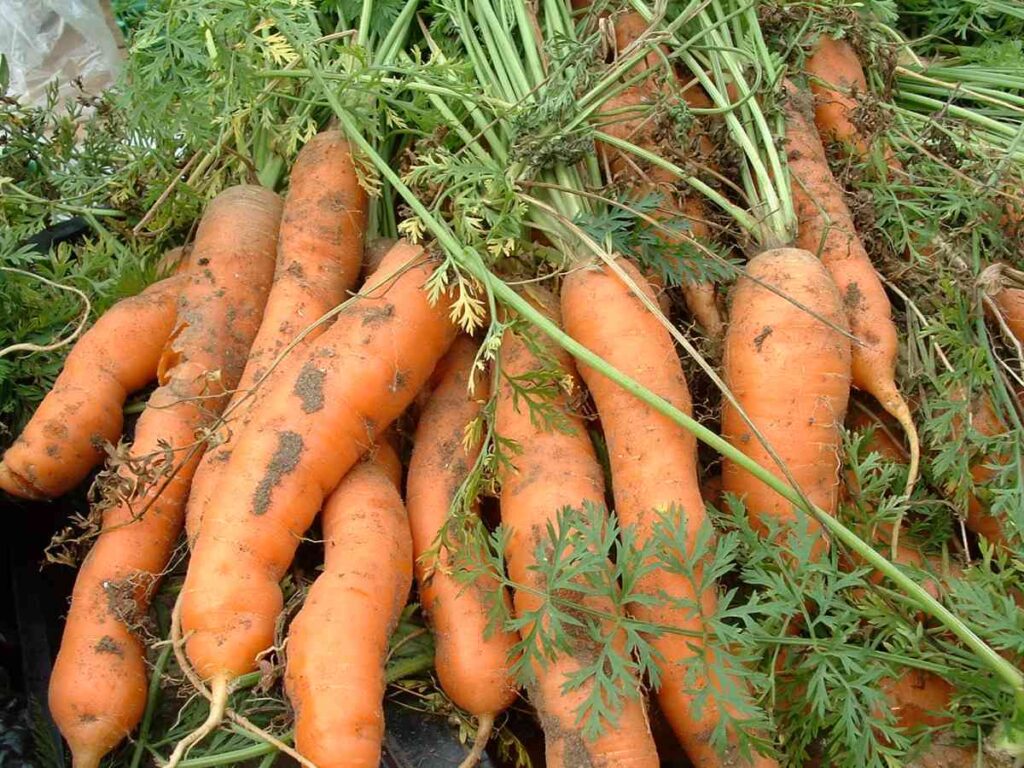
Carrots can be direct-sown in January in zones 7-10 for early spring harvest. These root vegetables prefer cool weather for developing sweet, crisp roots. In colder zones, wait until soil is workable or plant in cold frames.
Grow carrots in loose, deep, well-drained soil free of rocks and clumps. They require consistent moisture and full sun for proper root development. Thin seedlings to 2-3 inches apart for adequate growing space.
Also Read: 5 Simple Ways to Store Carrots from the Garden
21. Beets

Beets are cold-hardy root vegetables that can be planted in January in mild climates. These dual-purpose crops provide both nutritious greens and sweet roots. Beets can handle temperatures down to 10°F once established.
Plant beets in full sun with loose, well-drained soil rich in organic matter. They prefer slightly alkaline soil and consistent moisture. Space seeds 3-4 inches apart and harvest when roots reach 1-3 inches in diameter.
22. Turnips

Turnips are fast-growing root vegetables perfect for January planting in zones 7-11. These cold-hardy crops can be harvested for both greens and roots. Turnips mature quickly, often within 40-60 days from sowing.
Grow turnips in full sun with loose, well-drained soil and consistent moisture. They prefer cool temperatures and will become woody in hot weather. Harvest roots when 2-3 inches in diameter for best flavor and texture.
23. Radishes

Radishes are among the fastest-growing vegetables, ready to harvest in as little as 25-30 days. Direct-sow seeds in January in zones 8-11 or in cold frames in colder areas. These cold-tolerant roots thrive in cool spring weather.
Plant radishes in loose, well-drained soil with full sun to partial shade. They require consistent moisture to prevent woody, pithy roots. Succession plant every 10-14 days for continuous harvests throughout spring.
24. Parsnips

Parsnips are cold-hardy root vegetables that benefit from January planting. These long-season crops require 100-120 days to mature. Seeds have short viability, so always use fresh seed for best germination rates.
Grow parsnips in deep, loose, well-drained soil free of obstacles. They prefer full sun and consistent moisture throughout the long growing season. Parsnips actually taste sweeter after exposure to frost.
25. Potatoes
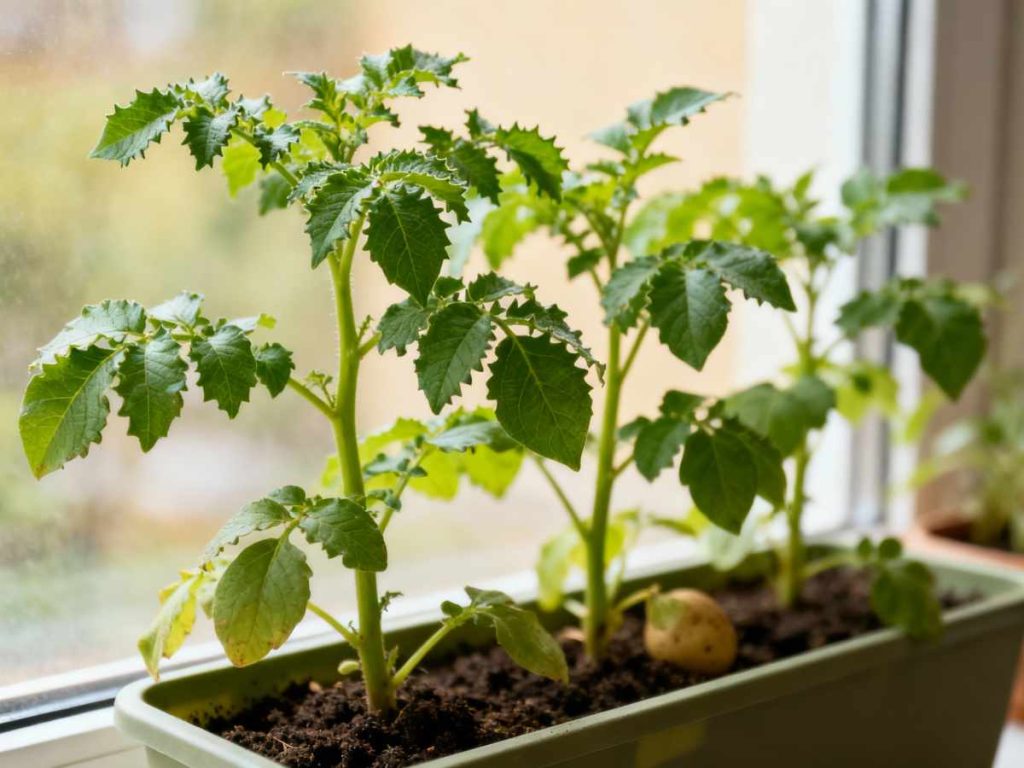
Early potato varieties can be planted in January in zones 9-11. Use certified seed potatoes and plant them 4 inches deep in well-prepared soil. In colder zones, start potatoes indoors in pots for later transplanting.
Grow potatoes in full sun with loose, well-drained, slightly acidic soil. They require consistent moisture and hilling as plants grow. Harvest new potatoes when plants flower or wait for full maturity after foliage dies back.
Also Read: How to Store Potatoes After Harvest?
26. Asparagus
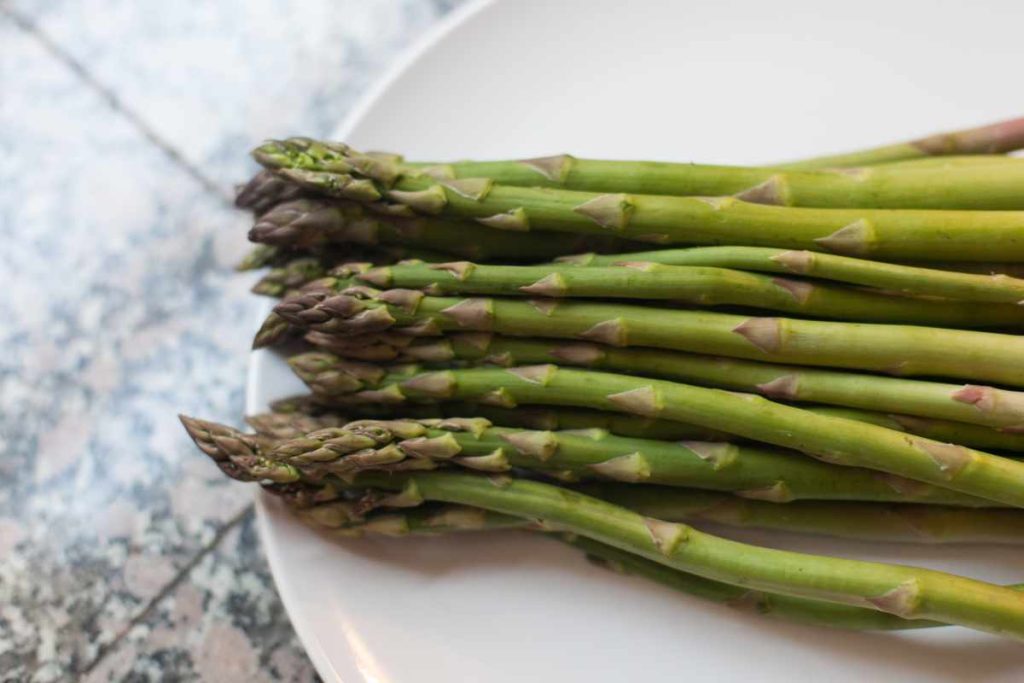
January is an excellent time to plant asparagus crowns in zones 7-11. This perennial vegetable requires patience, as crowns need 2-3 years before full harvest. Plant crowns 6-8 inches deep in well-prepared trenches.
Grow asparagus in full sun with well-drained, fertile soil rich in organic matter. This crop requires consistent moisture and annual feeding for productive spears. Once established, asparagus beds can produce for 15-20 years.
27. Artichokes
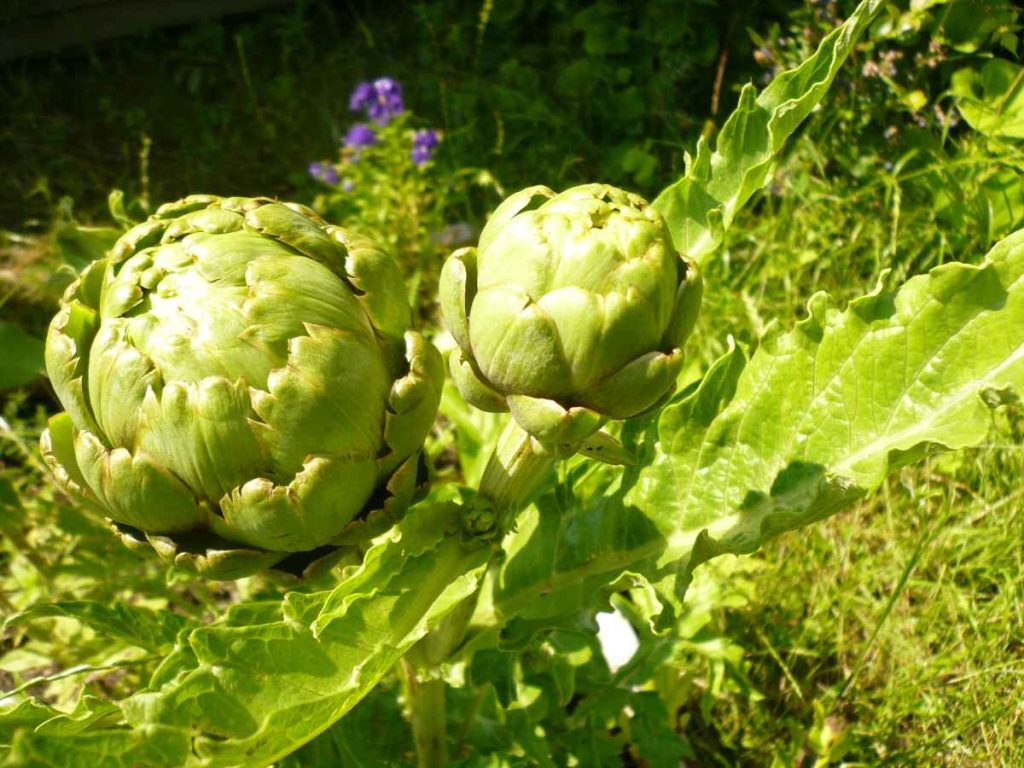
Globe artichokes can be started from seed indoors in January for transplanting in spring. These perennial vegetables thrive in mild climates and produce large, edible flower buds. Seeds require 8-12 weeks of growth before transplanting.
Plant artichokes in full sun with rich, well-drained soil and adequate spacing of 3-4 feet. They require consistent moisture and heavy feeding throughout the growing season. In cold climates, grow artichokes as annuals.
28. Rhubarb

Rhubarb crowns can be planted in January in mild winter areas. This cold-hardy perennial produces tart, edible stalks year after year. Plant dormant crowns in well-prepared beds with the buds just below soil surface.
Grow rhubarb in full sun to partial shade with rich, well-drained soil. This crop requires consistent moisture and annual compost applications. Wait until the second year after planting before harvesting stalks.
29. Garlic

While typically fall-planted, garlic cloves can still be planted in January in colder zones if you missed the fall window. Use seed garlic from reputable vendors, never grocery store garlic. Plant individual cloves 2 inches deep with pointed end up.
Grow garlic in full sun with well-drained, fertile soil. Cloves need 6-8 weeks of cold temperatures below 40°F to develop properly. Garlic requires consistent moisture during growth but drier conditions as bulbs mature.
Also Read: How to Pickle Cucumbers with Vinegar and Sugar?
30. Scallions

Scallions or bunching onions can be started indoors in January for early spring production. These non-bulbing onions mature quickly and can be harvested at any size. Seeds germinate readily in temperatures around 70°F.
Plant scallions in full sun with well-drained, fertile soil. They require consistent moisture and benefit from regular nitrogen feeding. Space plants 2-3 inches apart and harvest when desired size is reached.
31. Parsley

Parsley seeds can be started indoors in late January for spring transplanting. This cold-hardy biennial herb is slow to germinate, often taking 3-4 weeks. Soak seeds overnight before planting to speed germination.
Grow parsley in full sun to partial shade with rich, moist, well-drained soil. This herb tolerates light frosts and can overwinter in mild climates. Harvest outer stems continuously for ongoing production.
32. Cilantro
Cilantro thrives in cool weather and can be planted in January in zones 8-11. This fast-bolting herb prefers cool temperatures and will quickly go to seed in heat. Start seeds indoors in colder zones for spring transplanting.
Plant cilantro in full sun to partial shade with well-drained soil. It requires consistent moisture and cool temperatures below 75°F. Succession plant every 2-3 weeks for continuous harvests before bolting.
33. Chervil
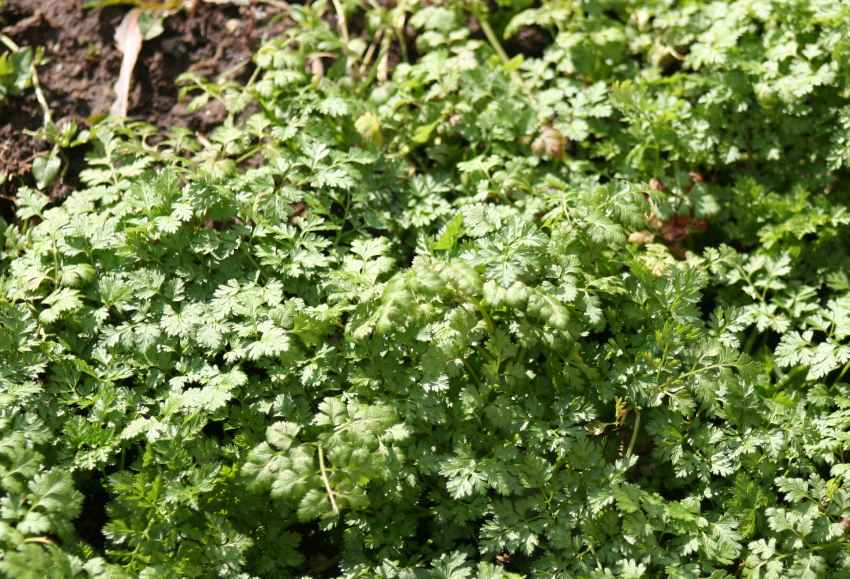
Chervil is a cold-hardy herb that can be planted from seed in January. This delicate herb prefers cool weather and shade in warmer climates. Seeds germinate quickly in cool conditions.
Grow chervil in partial shade with moist, rich soil. It bolts rapidly in warm weather, so plant early for best production. Harvest leaves before plants flower for optimal flavor.
34. Dill

Dill seeds can be started indoors in January or direct-sown in mild climates. This fast-growing herb reaches maturity in 40-60 days. Dill doesn’t transplant well, so consider starting in peat pots if growing indoors.
Plant dill in full sun with well-drained, moderately fertile soil. It requires consistent moisture and protection from strong winds. Harvest leaves before flowering or let plants mature for seed production.
35. Fennel
Fennel can be direct-sown in January in zones 7-10 for spring harvest. This cool-season vegetable forms crisp, anise-flavored bulbs. Choose bulbing varieties specifically for vegetable production rather than herb types.
Grow fennel in full sun with rich, well-drained soil and consistent moisture. Space plants 6-8 inches apart and harvest bulbs when they reach 3-4 inches in diameter. Fennel bolts quickly in warm weather.
36. Cress
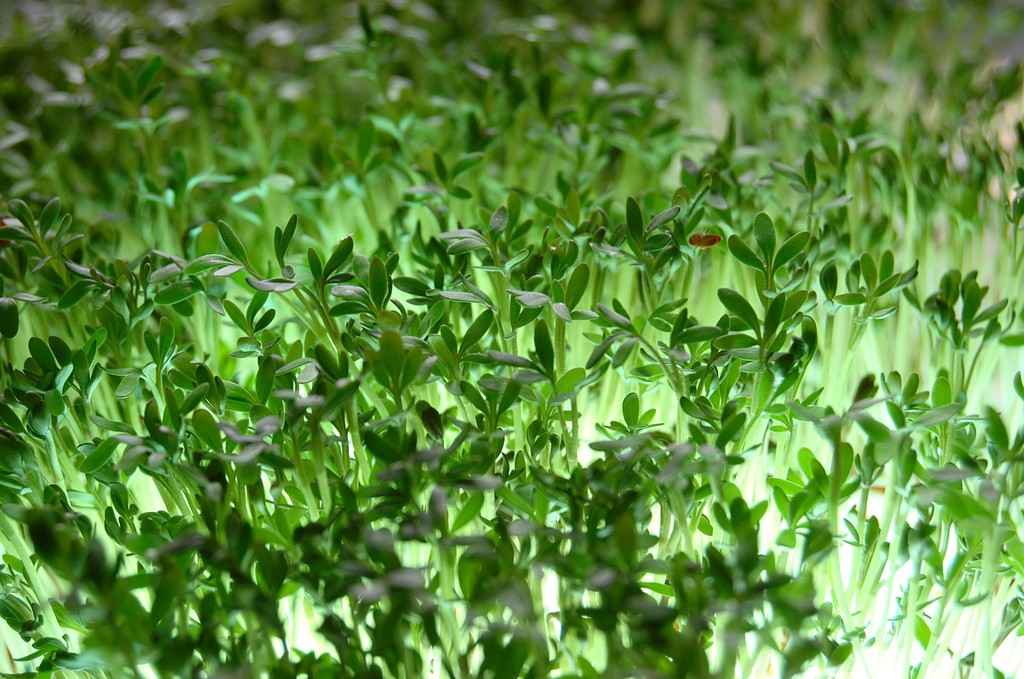
Cress is a fast-growing, cold-hardy green that can be planted in January. This peppery salad green matures in as little as 2-3 weeks. Cress thrives in cool, moist conditions and can even be grown indoors on windowsills.
Plant cress in partial shade with consistently moist, fertile soil. It prefers cool temperatures and will bolt in heat. Harvest when leaves are young and tender for best flavor.
Conclusion
January planting opens up exciting opportunities for early spring harvests and extends your growing season by several weeks. Whether you’re starting seeds indoors under grow lights, utilizing cold frames and greenhouses, or direct-sowing in mild climates, winter doesn’t mean your garden has to sleep.
Success depends on understanding your USDA hardiness zone and knowing your last frost date. Choose cold-hardy varieties that match your climate conditions—indoor seed starting works everywhere, while outdoor planting suits warmer zones or protected spaces.
Cold frames and row covers create microclimates that shield seedlings from harsh weather. With proper planning and protection, you can enjoy fresh homegrown vegetables weeks ahead of schedule and keep your garden productive through the coldest months.

Khaja Moinuddin, a computer science graduate, finds joy in gardening and homesteading. Join him on this blog as he shares his experiences in homesteading, gardening, and composting