Growing veggies vertically is one of the best options to double the harvest within specified space.
You aren’t limited to a few climbing vines for your vertical veggie garden.
Along with popular choices like cucumber, pumpkin and squash, you can grow bitter gourd, malabar spinach and a bunch of fruits that you can trellis.
Growing plants on trellis improves air circulation, avoids pests and aesthetic addition to your garden.
I already discussed how you can make your own trellis using bamboo here. Or you can get one from a local store.
Now, before jumping to the list of veggies and fruits that you can grow on trellis, let me point out why you should prefer growing edibles vertically.
3 Reasons Why to Grow Veggies on Trellis
Growing vegetables on a trellis isn’t just about saving space—it actually makes your garden healthier and easier to manage. Here are three solid reasons to try it:
Better Use of Space: Training plants vertically lets you grow more in a smaller area. Instead of sprawling across the ground, crops like beans, cucumbers, and tomatoes climb upward, freeing up valuable garden space for other plants.
Healthier Plants: Keeping vines off the soil improves air circulation and reduces the risk of diseases, rot, and pest damage. Leaves dry faster after watering or rain, which helps prevent fungal issues.
Easier Harvesting & Maintenance: With fruits hanging at eye level, harvesting becomes quicker and less messy. You’ll also find it easier to prune, water, and spot problems early without bending or digging through dense foliage.
17 Vegetables and Fruits that You Can Grow on Trellis
If you’re setting up a vertical garden, you don’t want to grow just one type of plant. You need to grow a mix of veggies, flowers, and fruits together.
Why?
Because diversity helps your garden stay productive, balanced, and visually appealing.
Vegetables give you food, flowers attract pollinators and beneficial insects, and fruits add variety while making the most of vertical space.
1. Pole Beans
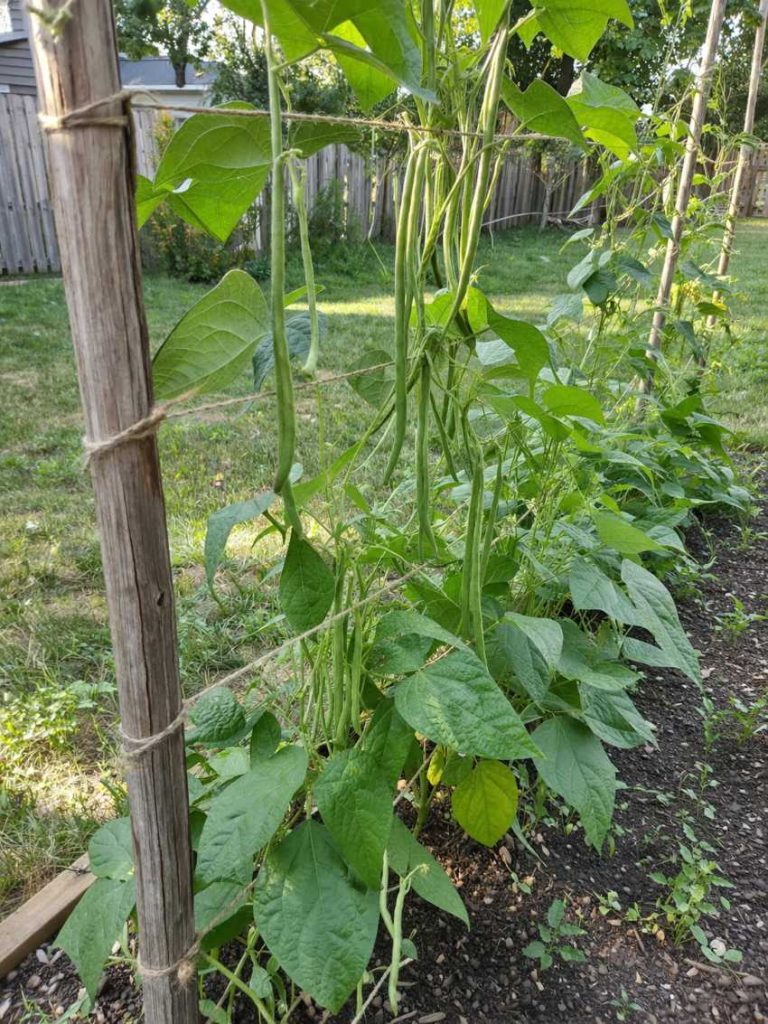
Pole beans are one of the easiest and most rewarding crops to grow on a trellis.
They naturally climb using twisting vines, quickly covering vertical structures with lush green growth.
Because they grow upward instead of spreading out, you can fit more plants into a small space—perfect for compact gardens.
Another big advantage is their productivity. Pole beans keep producing over a longer period compared to bush varieties, giving you a steady harvest.
Plus, the hanging beans are easier to spot and pick, making harvesting quicker and more enjoyable.
2. Cucumbers
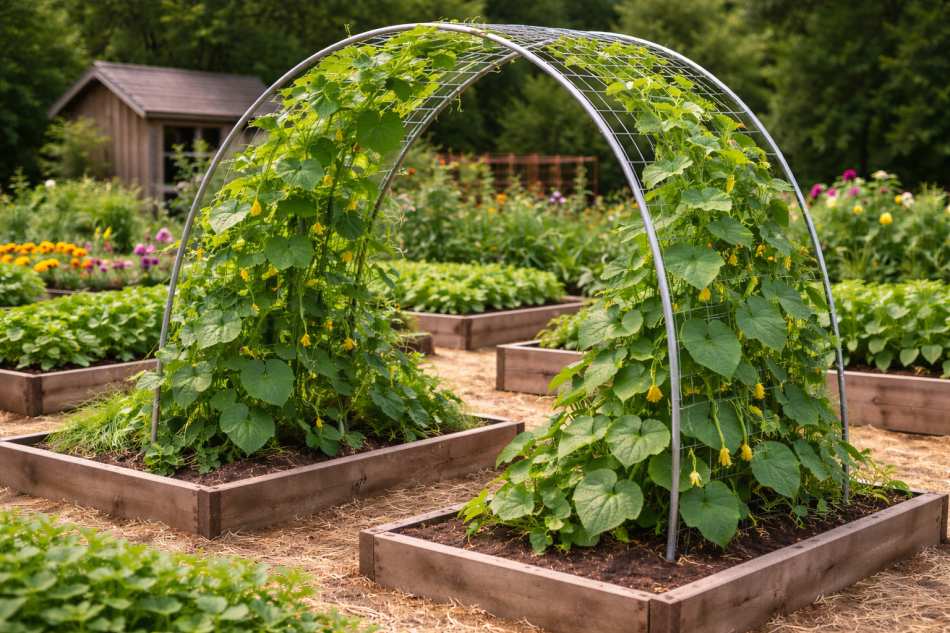
If there’s one plant that truly benefits from growing upward, it’s cucumbers. When left on the ground, fruits can become misshapen and more prone to pests—but on a trellis, they grow straighter, cleaner, and healthier. The vines naturally latch onto supports with their tendrils, making training them super easy.
Growing cucumbers vertically also improves airflow around the leaves, which helps prevent common issues like powdery mildew.
On top of that, harvesting becomes much simpler since the fruits hang visibly, saving you from digging through dense foliage.
Must Read: 9 Tips for Growing Vegetables in a Greenhouse
3. Tomatoes (Indeterminate varieties)
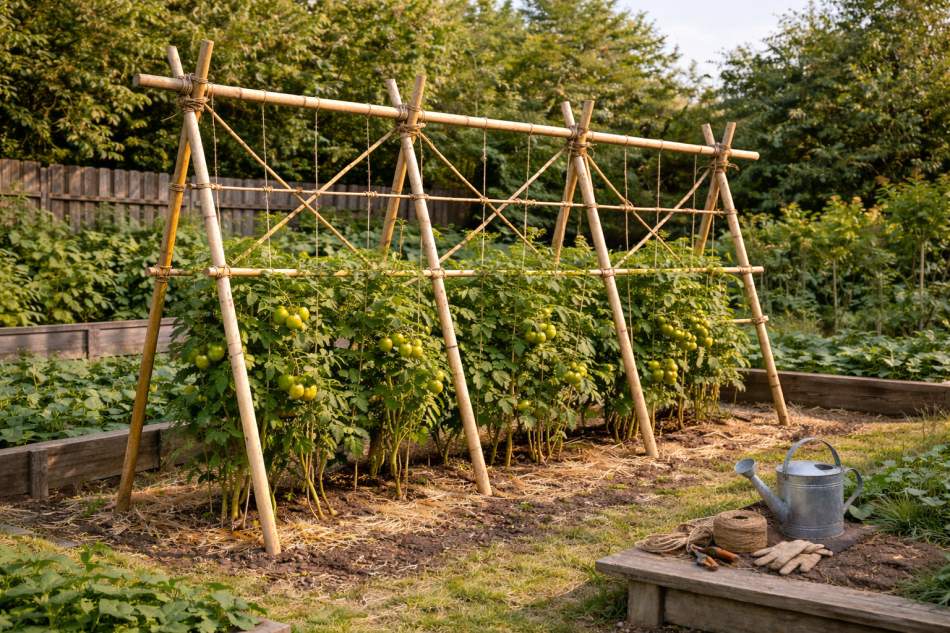
Unlike bush types, indeterminate tomatoes are natural climbers that just keep growing taller throughout the season.
With a trellis or support system, you can guide their vines upward, keeping the plant organized and preventing it from sprawling all over the ground. This not only saves space but also keeps your garden looking neat.
Another advantage is better fruit quality and plant health. Elevating the vines improves sunlight exposure and airflow, which helps reduce disease and encourages even ripening.
Plus, harvesting becomes far less of a hassle when your tomatoes are right in front of you instead of hidden under tangled growth.
4. Peas
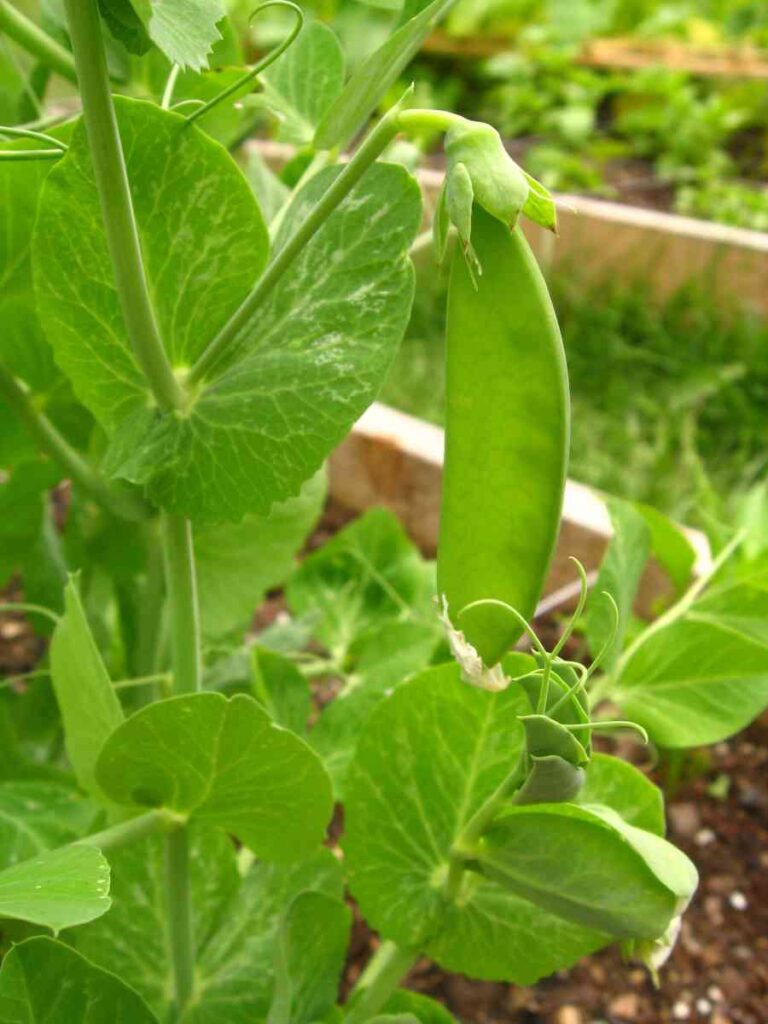
Early in the season, peas are some of the first climbers to get going—and they absolutely love a trellis.
Their delicate tendrils quickly grab onto any support, guiding the plant upward with very little effort from you. This vertical growth keeps the vines tidy and prevents them from flopping over.
Because the pods hang freely, they’re easier to spot and pick at the right time.
Trellising also keeps the foliage off the soil, which helps reduce rot and keeps the plants healthier, especially in cool, damp conditions where peas usually thrive.
Also Read: 19 Best Vegetables to Plant in Spring
5. Bitter Gourd (Bitter Melon)
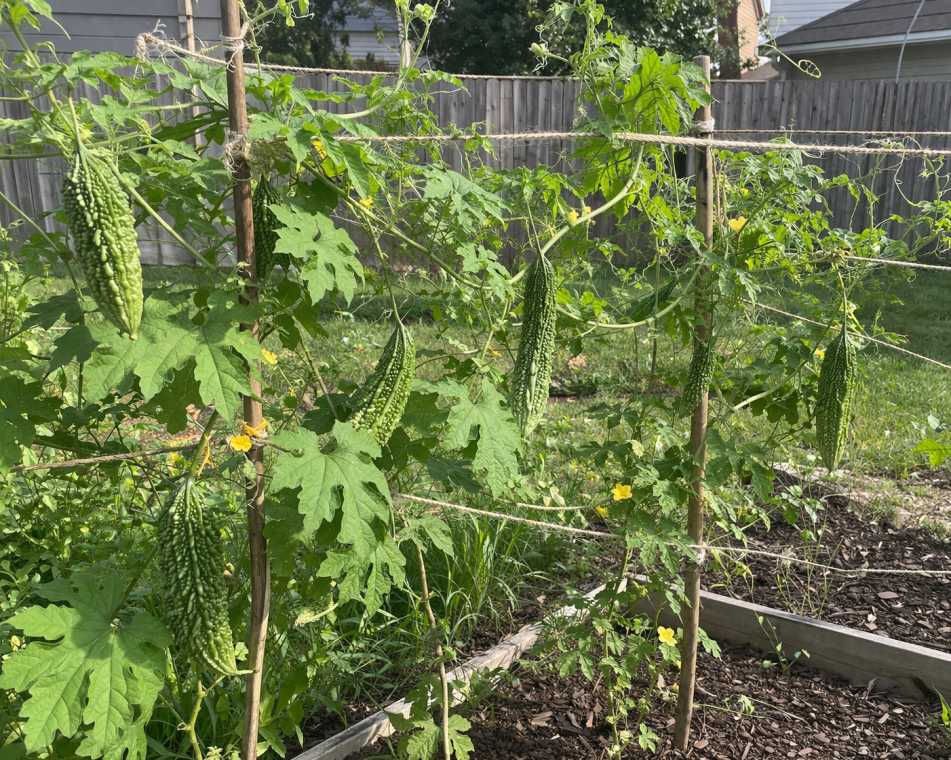
Give the bitter gourd some height, and it will take off. This fast-growing vine spreads quickly, and a trellis helps keep its growth under control while allowing the fruits to hang freely. That space makes a big difference in both plant health and fruit shape.
When grown vertically, the fruits develop straighter and cleaner, without touching the soil.
It also becomes much easier to monitor for pests and harvest at the right stage, especially since bitter gourds can mature quickly.
6. Bottle Gourd
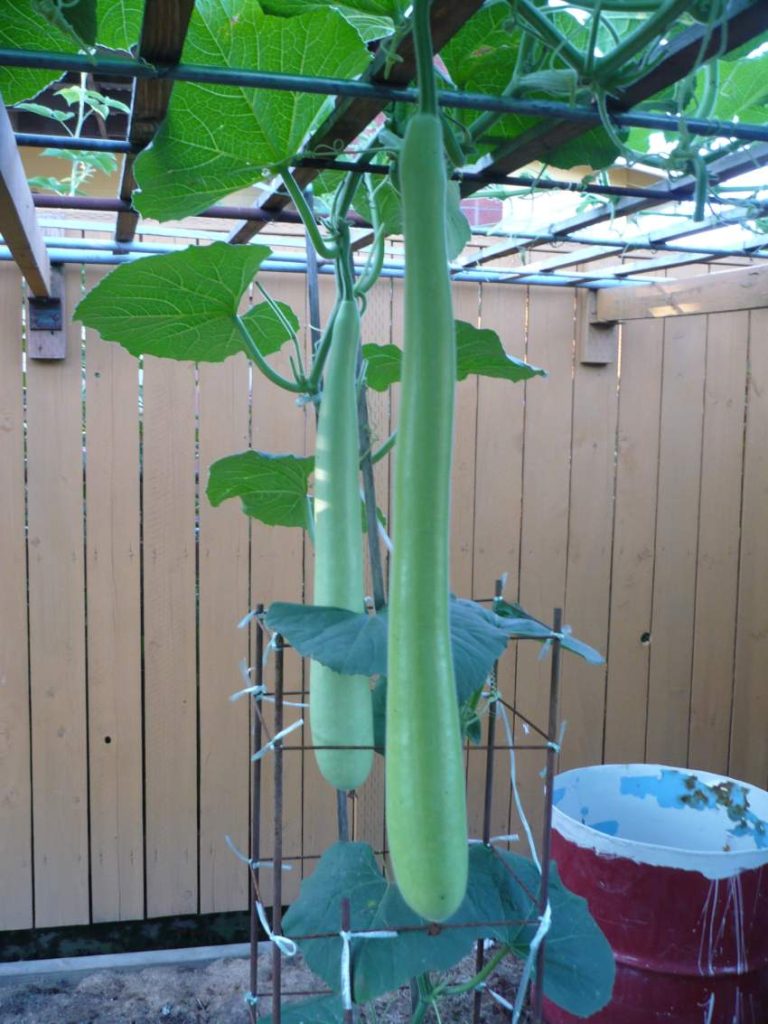
Bottle gourd is a vigorous climber that really needs strong support to perform well.
When trained onto a sturdy trellis, the plant directs its energy upward, producing large hanging fruits instead of sprawling across the ground.
The vertical setup also helps the fruits grow evenly and reduces the chances of rotting. Since bottle gourds can get quite heavy, having them suspended makes harvesting safer and prevents damage to both the fruit and the plant.
7. Ridge Gourd
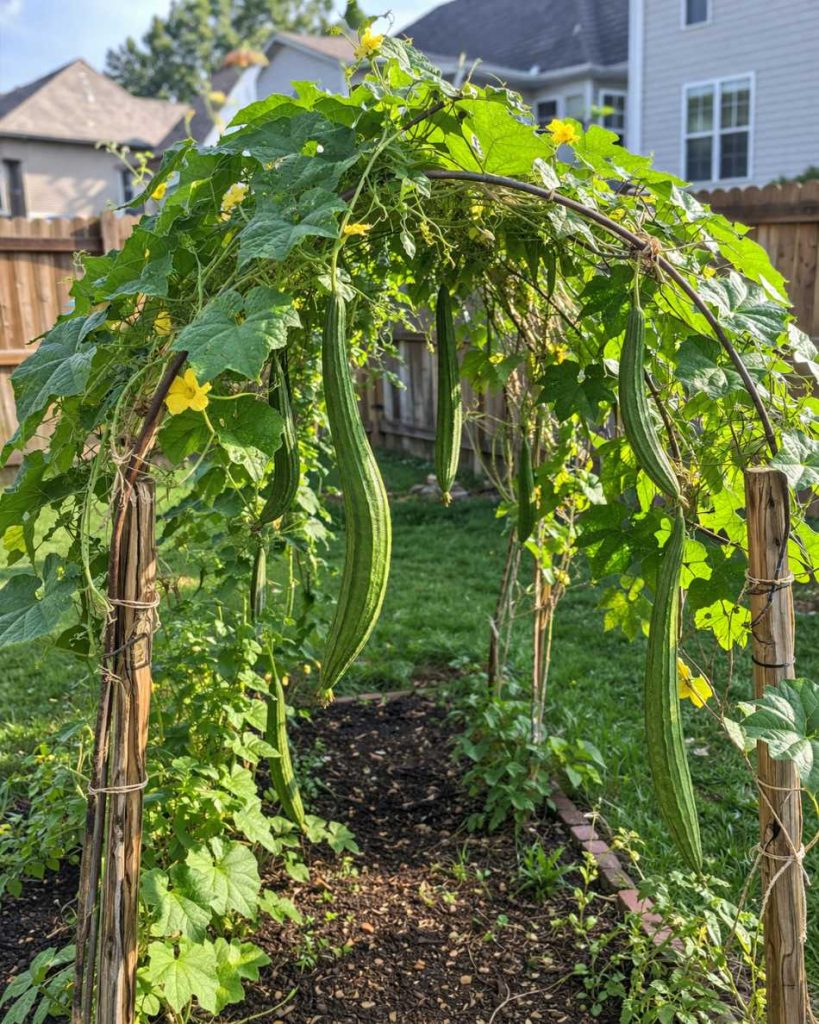
Ridge gourd grows rapidly and responds extremely well to vertical training. Once it starts climbing, the vine spreads across the trellis, creating a green canopy while producing long, tender fruits that hang down neatly.
Growing it this way keeps the fruits straight and easier to harvest.
It also improves airflow around the plant, which helps reduce fungal issues and keeps the leaves healthy throughout the growing season.
8. Sponge Gourd (Luffa)
Ever seen those natural bath sponges? That’s luffa—and it grows on a vigorous climbing vine.
On a trellis, the plant has room to stretch out, producing long, smooth fruits that hang down evenly instead of curling on the ground.
Vertical growth also keeps the fruits cleaner and reduces pest issues. Plus, better airflow around the vines helps maintain healthy foliage, which is key if you want a good harvest—whether for eating young or drying into sponges.
9. Snake Gourd

Long, slender, and slightly twisted—snake gourd truly lives up to its name. But to get those impressively straight fruits, a trellis is almost essential.
When the fruits hang freely, they grow longer and more uniform.
Letting it climb also prevents the vines from taking over your garden space. With better light exposure and airflow, the plant stays healthier, and harvesting becomes much easier since the fruits are clearly visible.
10. Malabar Spinach
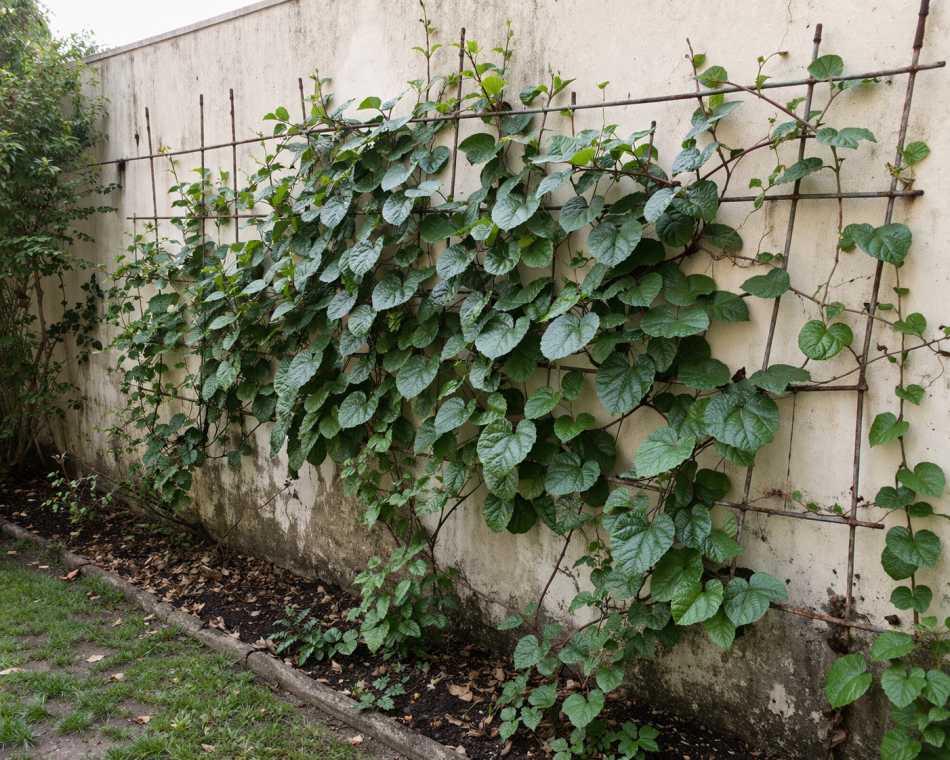
Not your typical spinach, Malabar spinach is actually a climbing vine that thrives in warm weather.
Instead of spreading along the ground, it grows upward beautifully when given a trellis or support.
This vertical habit keeps the leaves clean and makes regular harvesting simple. It’s also a great way to add lush greenery to your garden, as the thick vines quickly cover structures while providing a steady supply of edible leaves.
11. Pumpkins (small varieties)
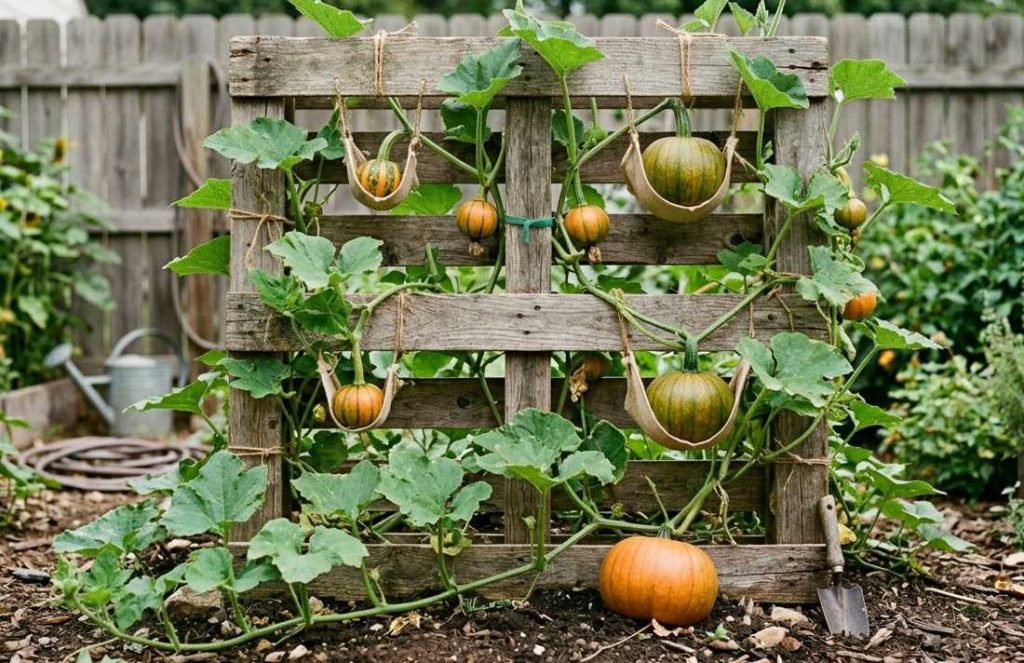
It might sound surprising, but smaller pumpkin varieties can be trained to grow on a sturdy trellis. Instead of sprawling across the ground, the vines climb upward, saving a huge amount of space in your garden.
The key benefit is cleaner, healthier fruits that don’t sit on damp soil.
With proper support (like slings), pumpkins develop nicely while staying off the ground, reducing rot and making them easier to monitor as they grow.
Also Read: 8 Vegetables to Plant in November
12. Yardlong Beans
Long, slender, and incredibly productive, yardlong beans are made for trellises.
These vigorous climbers quickly wrap around supports and start producing beans that can grow impressively long.
Growing them vertically keeps the pods straight and clean while making harvesting much more convenient. Plus, regular picking encourages even more production, giving you a steady supply throughout the season.
13. Passion Fruit
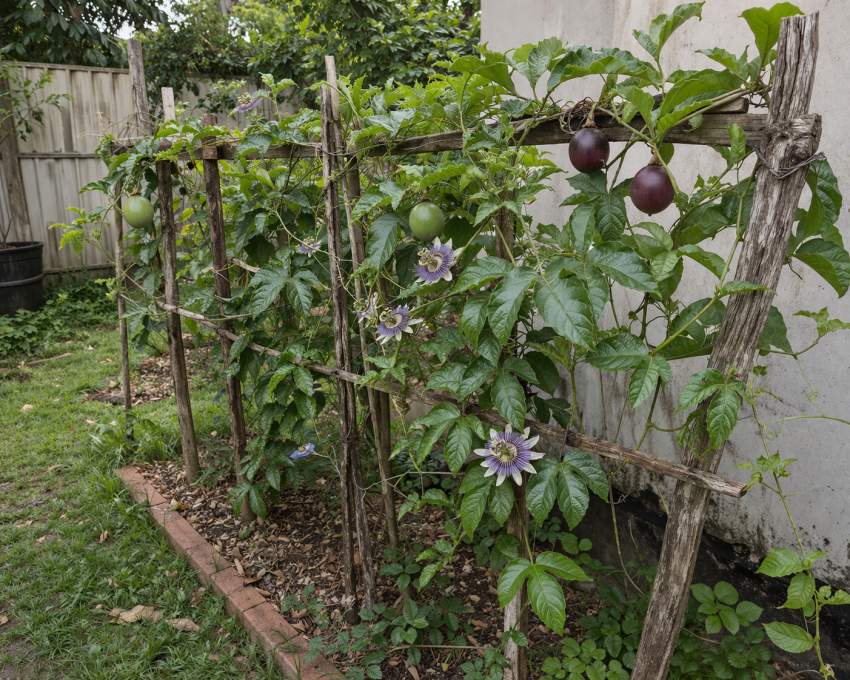
Looking to cover a trellis quickly? Passion fruit vines are incredibly vigorous and can turn a simple structure into a lush green wall in no time. Their climbing habit makes them perfect for vertical gardens where you want both beauty and productivity.
Beyond the dense foliage, the plant produces unique, aromatic fruits that hang attractively from the vine.
Growing it on a trellis keeps the growth manageable, improves sunlight exposure, and makes harvesting much easier compared to letting it sprawl.
14. Grapes
Few plants suit a trellis as naturally as grapes. Their woody vines are designed to climb, spreading beautifully across supports and creating a structured, elegant look in your garden. Over time, they can even provide partial shade.
Training grapes vertically keeps the fruit clusters well-spaced and exposed to sunlight, which helps them ripen evenly.
It also improves airflow, reducing disease problems and making pruning and harvesting much more manageable.
15. Melons (small varieties like cantaloupe)
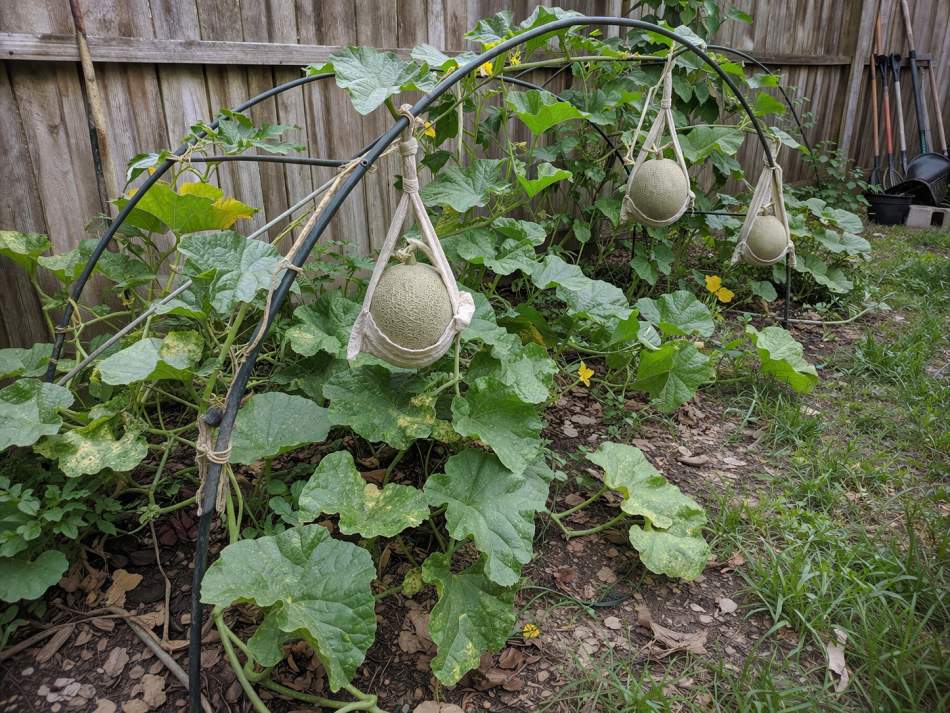
Yes, even melons can go vertical—if you choose smaller varieties. With a trellis and a bit of support (like slings), the vines can climb while the fruits hang securely without breaking the stems.
Growing melons this way saves a lot of ground space and keeps the fruits off damp soil, reducing rot.
Plus, better air circulation around the plant helps maintain overall health and fruit quality.
16. Strawberries (vertical systems)
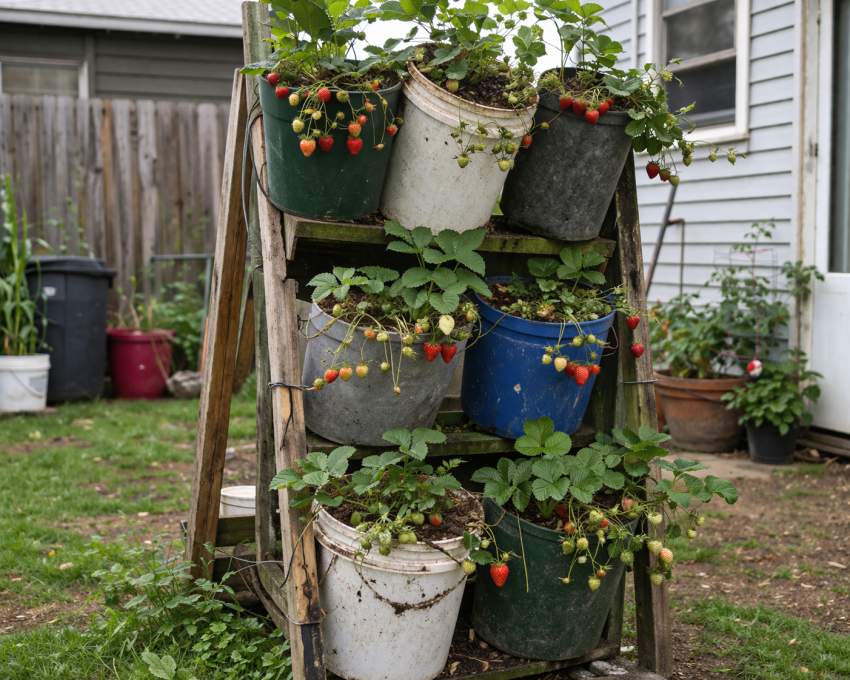
Strawberries don’t climb, but they fit perfectly into vertical gardening using pocket planters or tiered trellis setups. This method lifts the fruits off the ground, keeping them cleaner and less prone to pests.
It also makes harvesting much easier—no more bending down to search under leaves.
As a bonus, vertical strawberries add a decorative touch, turning your trellis into both a productive and visually appealing feature.
17. Kiwi (Hardy or Dwarf varieties)
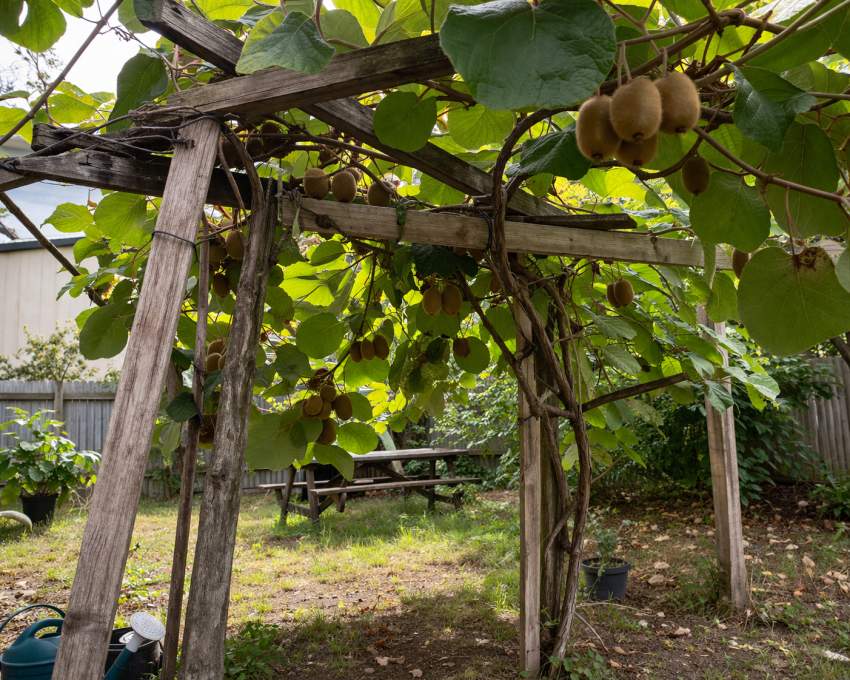
For something a little different, kiwi vines are excellent climbers that thrive on strong trellises. They grow vigorously and can quickly cover vertical structures, making them ideal if you want both shade and fruit in your garden.
When trained properly, the vines stay organized and productive, allowing better sunlight exposure and airflow. This leads to healthier growth and easier harvesting, as the fruits hang down within reach instead of getting lost in dense, tangled vines.
Choose the Right Trellis Type
Choosing the right trellis isn’t just about looks—it directly affects how well your plants grow, how easy they are to manage, and how long your setup lasts.
Match Trellis Strength to Plant Weight: Light climbers like peas and pole beans are happy with simple supports like bamboo stakes, string lines, or mesh netting.
But heavier plants—like gourds, melons, grapes, or kiwi—need strong wooden, metal, or welded wire trellises that won’t bend under weight.
Pick the Right Structure Style: Flat trellises (against a wall or fence) are great for saving space. A-frame or arch trellises give plants more room to spread and are perfect for walkways. Vertical strings or netting work best for fast-growing, lightweight vines.
Consider Durability: If you’re growing seasonal veggies, temporary setups like bamboo or jute rope work fine. But for long-term plants like grapes or passion fruit, invest in sturdy materials like treated wood or metal that can last for years.
Think About Accessibility: Make sure you can easily reach both sides of the trellis for pruning and harvesting. Overcrowded or hard-to-reach setups can quickly become messy and difficult to maintain.
Allow Proper Spacing: Don’t cram plants too close together. Good spacing improves airflow, reduces disease, and gives each plant enough room to climb without competing.
Conclusion
Growing vegetables on a trellis is one of the simplest ways to get more out of your garden without needing more space.
By taking plants upward instead of outward, you create a cleaner, more organized setup that’s easier to manage and far more productive.
From fast-growing climbers like beans and cucumbers to heavier vines like gourds and melons, trellising helps improve airflow, reduce pests and diseases, and make harvesting effortless.
In the end, it’s a smart, space-saving approach that gives you healthier plants, better yields, and a garden that looks just as good as it performs.

Khaja Moinuddin, a computer science graduate, finds joy in gardening and homesteading. Join him on this blog as he shares his experiences in homesteading, gardening, and composting