Most gardeners plant bulbs in fall, and that’s what you hear about all the time. But here’s the thing, spring still works for many perennials.
The soil is warming up, roots get comfortable fast, and plants can settle in before the heat kicks in.
By summer, they’re ready to grow and put on a show.
The really nice part is they don’t quit on you after one season. Plant them now and they can come back year after year, often with more blooms. Some will even spread and help fill those empty gaps, which always feels like a small victory.
You and I both know how nice it is to plant something once and not keep redoing the job. Bulbs are kind of like that helpful friend. Quiet, dependable, and always there when the season rolls around again.
So if you’re craving easy color without babysitting your plants, this is a great place to start. A little digging today, and you’ll be thanking yourself later.
14 Perennial Bulbs to Plant in Spring
You might think you missed bulb season, but spring still gives you a solid second chance. The ground is workable, the chill is fading, and many bulbs are perfectly happy going in now. If you can dig the hole, you can plant.
As for blooms, a little patience goes a long way. Some will flower later in summer, others may wait until next year after they build strong roots. Either way, you’re setting the stage for color that keeps coming back.
1. Dahlia
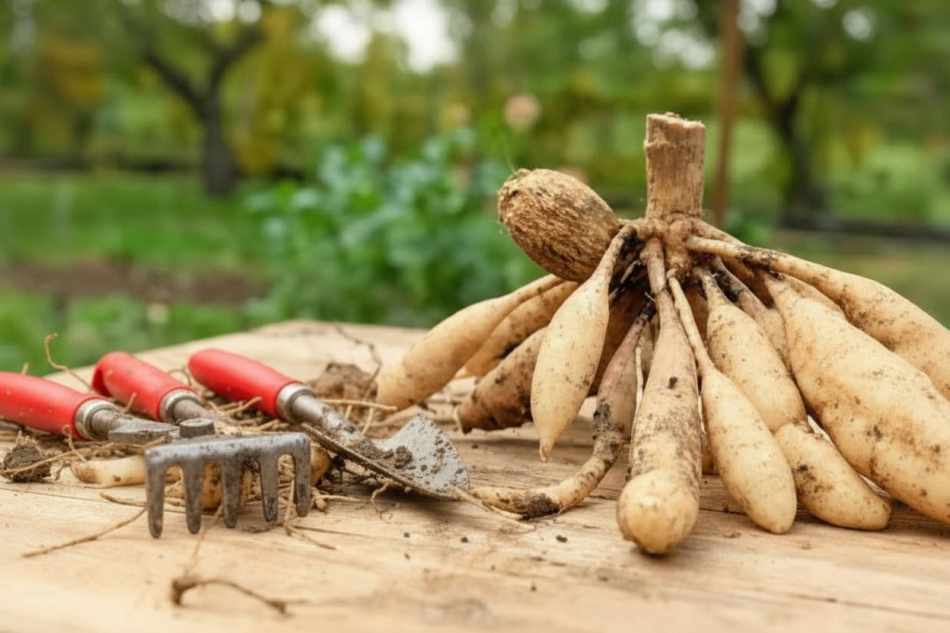
Dahlia is the flower that made me feel like I finally knew what I was doing. The first time I planted tubers, I kept checking the soil like an impatient kid. Then one day, boom, big leafy growth and later the most unreal blooms.
Some gardeners dig the tubers up and store them during winter, and I can see why. Freezing temperatures can damage them. But when spring comes, the soil warms, and frost is no longer a threat, it’s time to plant. Set those tubers in the ground and let them begin growing.
Mine usually start blooming in mid to late summer. The plants grow taller than I expect every year, and the flowers keep coming. The more I cut, the more blooms I seem to get.
They love sunshine. Give them decent soil, a little support if they grow tall, and water them regularly. Nothing about it feels complicated.
Every season I tell myself I won’t plant more. And somehow, every season, I end up adding a few extra.
2. Gladiolus

Gladiolus is known for its tall spikes of colorful flowers. Even though it looks impressive, it is quite easy to grow once the soil warms in spring.
After the danger of frost has passed, plant the corms directly in the garden. Place them about 4 inches deep with the pointed side facing up. Choose a sunny spot and make sure the soil drains well. Flowers usually appear in about 70 to 90 days, often by mid to late summer.
These plants can grow tall, so they may need support, especially in windy areas. A small stake can help keep the stems upright when the blooms open.
3. Lily
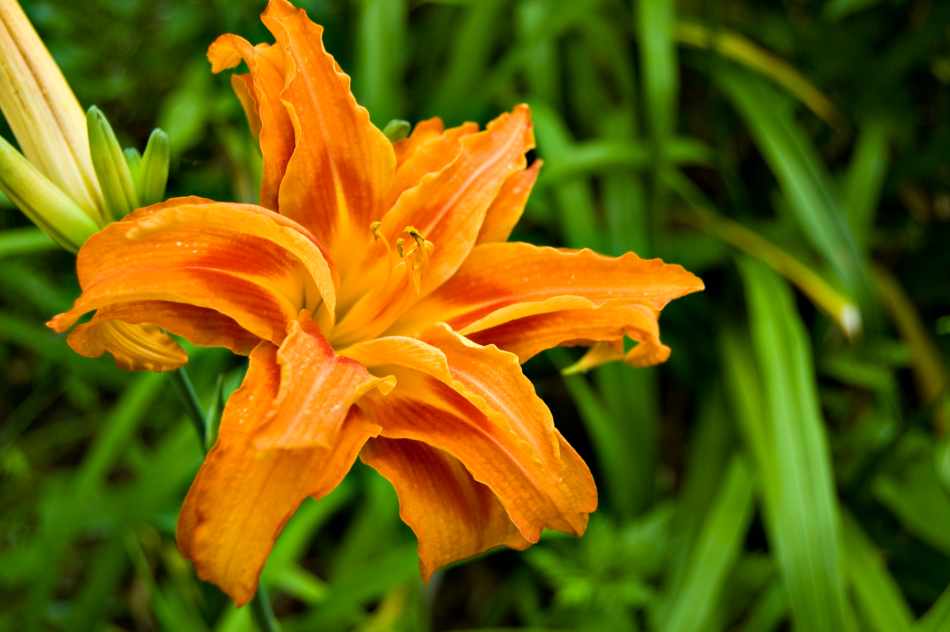
Lilies feel a little elegant, but they’re tougher than they look. Spring planting works great, especially when the soil has started to warm and you’re past the last frost.
Plant the bulbs about 6 inches deep in a sunny or lightly shaded spot with good drainage. They’ll focus on roots first, then send up strong stems. Most varieties bloom in summer, depending on the type you grow.
I love that they come back each year with bigger clumps. Less work for me, more flowers to enjoy.
Also Read: 23 Perennials to Plant in August
4. Begonia

Begonias are my go-to when I want easy color without drama. You and I both know some garden spots are tricky, and these plants handle them better than most.
Once spring is warm and frost is gone, I tuck the tubers into the soil or into pots. Then I wait. They take their sweet time, and I always wonder if I messed up. But when they finally start blooming, wow. Big, bright flowers that keep going and going.
I end up using them everywhere. Containers, borders, shady corners. They just work.
5. Caladium

Caladium is the plant I grow when flowers are not even the point. It’s all about those wild, colorful leaves.
I plant mine in spring once the soil feels warm to the touch. If it’s still cool, they sulk. But when they’re happy, they pop up fast and suddenly the garden looks tropical.
You and I might forget to water now and then, and they forgive us for that. Slip them into shade or part sun and let the foliage steal the show.
6. Canna

Cannas are bold. There’s really no other word. Big leaves, bright blooms, total main character energy in the garden.
I wait until spring feels truly warm, then I plant the rhizomes and stand back. They wake up fast once they like the temperature, and before long the bed starts looking lush and tropical.
They love sunshine and regular water. The more heat they get, the happier they seem. In good conditions they can shoot up taller than you planned, which is always a fun surprise.
By mid or late summer, mine are covered in color and the hummingbirds start hanging around. That’s when I remember why I make room for them every year.
7. Ranunculus
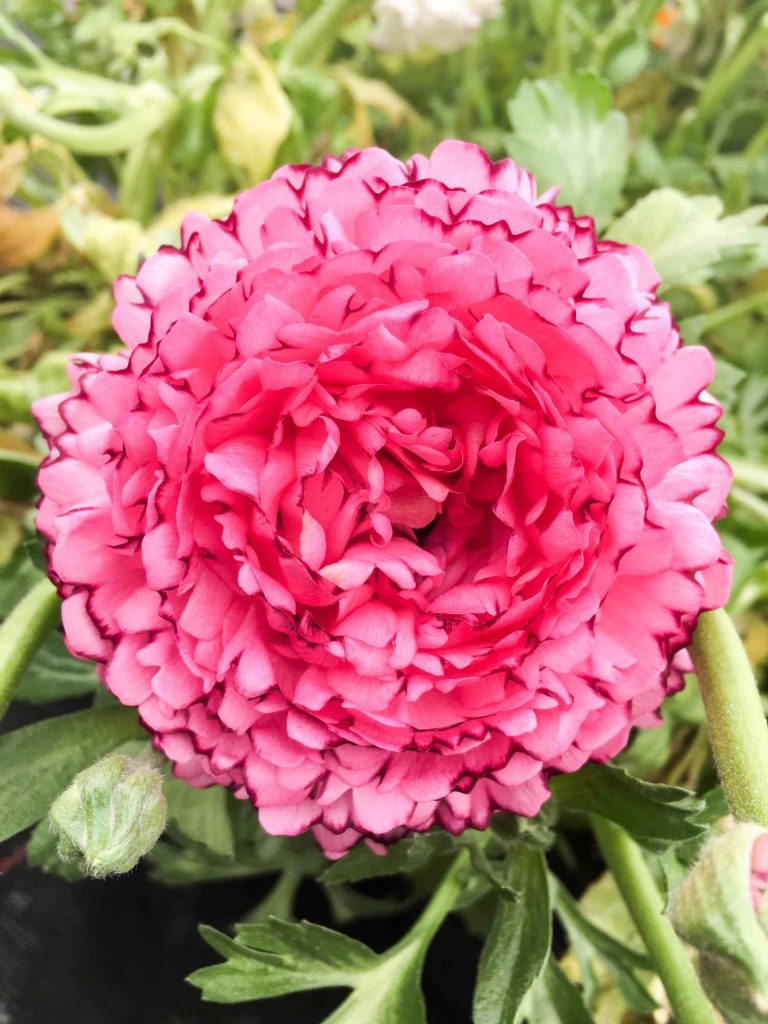
Ranunculus has that soft, layered look that makes people bend down for a closer peek. The blooms almost look too perfect to be real.
I plant the corms in spring after frost, claws pointing down, and give them a sunny spot. They start off quiet, just some leafy growth, nothing dramatic.
They like soil that drains well and they don’t want to sit in water. Once they’re settled, they grow steady and strong without asking for much attention.
When they bloom, usually late spring into early summer in many places, I cut them like crazy for vases. And somehow they still keep producing more.
Check this: 23 Best Perennials that Grow in Shade
8. Anemone

Anemones prefer cool, mild weather, which makes spring a good time to plant them. They like getting started before strong summer heat arrives.
When frost risk is low, soak the corms in water for a few hours before planting. Place them in soil that drains well. They grow best in sun, but in warmer climates a little afternoon shade can help. Leaves appear first, and flower stems follow later.
The blooms are bright and cheerful and can really light up a bed or container. I often find myself wishing I had planted more.
9. Freesia
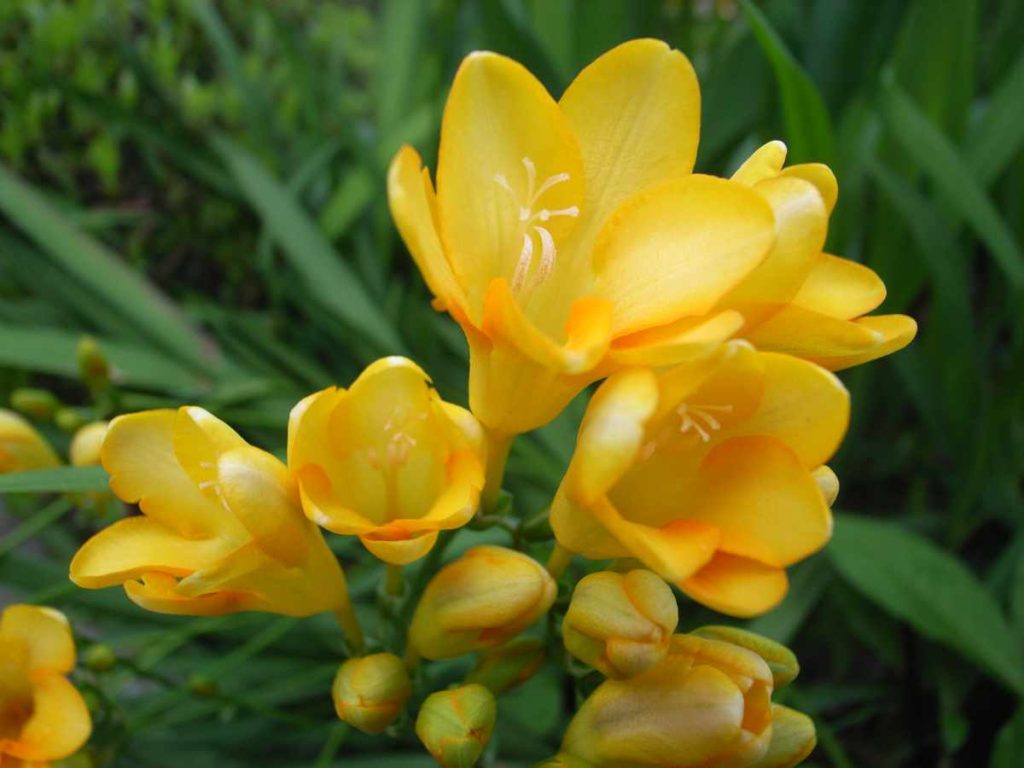
Freesias prefer mild weather and really appreciate going into warming spring soil. Too cold and they just sit there and wait.
After frost, I plant the corms in a sunny spot with good drainage. Then comes the patience part. Leaves first, nice and grassy, and later the buds follow once the plant feels ready.
They don’t need much fuss, just steady light and water. By mid to late summer, the fragrance starts drifting through the garden and you’ll notice it every time you walk past.
10. Crocosmia
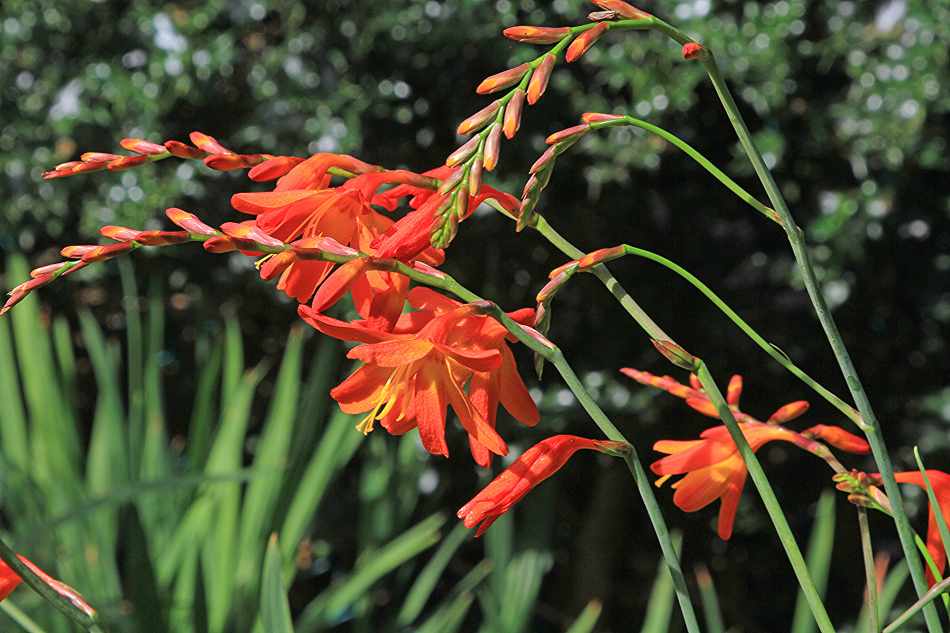
Plant crocosmia in spring and give it time to settle. Later in the season, bright fiery flowers will rise above the foliage and bring strong color to the garden.
This plant enjoys warm weather and full sun. Average soil is fine as long as it drains well and does not stay wet. As the clumps mature, tall arching stems grow and create height and movement.
Hummingbirds are often quick to visit the blooms. What starts as a quiet plant can soon become one of the highlights of your garden.
11. Oxalis

Oxalis is small, cheerful, and honestly a bit underrated. I grow it when I want color low to the ground without committing to anything complicated.
Plant the bulbs in spring when the chill is mostly gone. Give them light, even part shade works, and soil that drains. They wake up pretty fast compared to some others.
What I love most are the leaves. They open and close with the light, which makes the plant feel alive in a different way. The flowers are a sweet little bonus.
Easy to tuck into pots too, which is usually how I end up sneaking in more.
12. Ixia
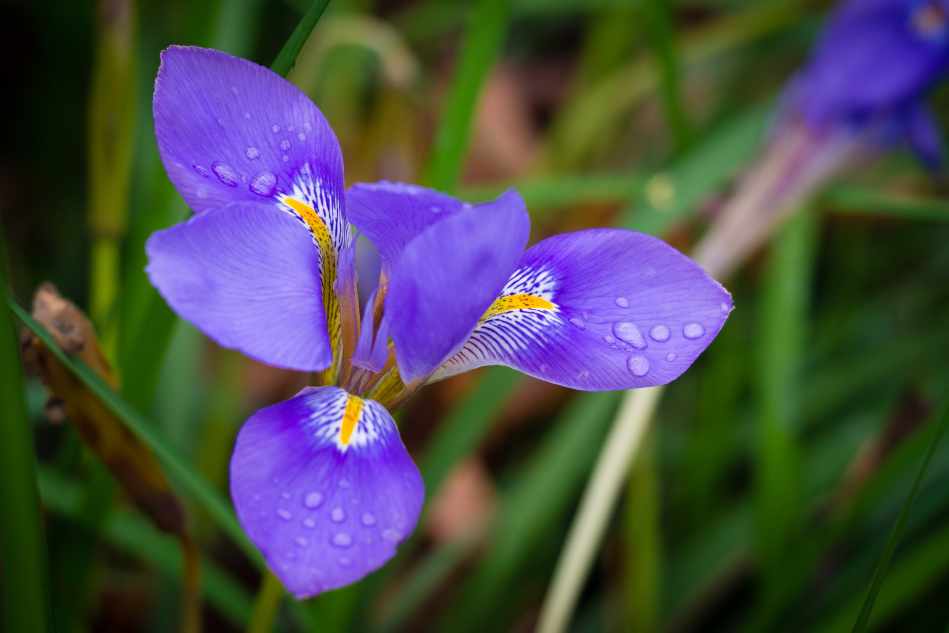
Ixia likes mild to warm weather and a sunny place to grow. After frost is gone, you can plant the small bulbs in the ground and water them in.
At first, you will see thin leaves. Later, skinny stems rise up with bright star shaped flowers. They look delicate, but the plant is tougher than it seems.
Just make sure the soil drains well. If the bulbs sit in water, they can rot. Other than that, they are pretty easy.
13. Eucomis
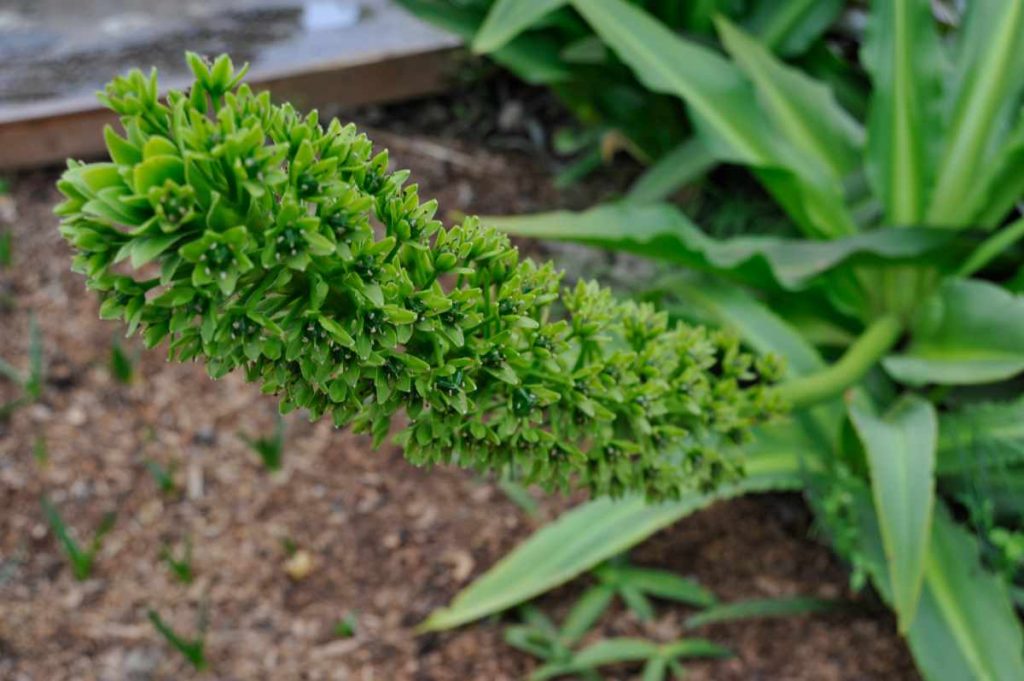
Eucomis enjoys warm days and does best when planted in spring. Pick a spot with sun or light shade and soil that does not stay soggy.
The leaves come up first and grow in a neat clump. Then a thick stem forms with many tiny flowers on top. Some people call it pineapple lily because of the shape.
It is slow at the beginning, but once it gets going, it becomes a strong and eye catching plant in the garden.
Also Read: 60 Popular Cut Flower Garden Ideas
14. Tigridia
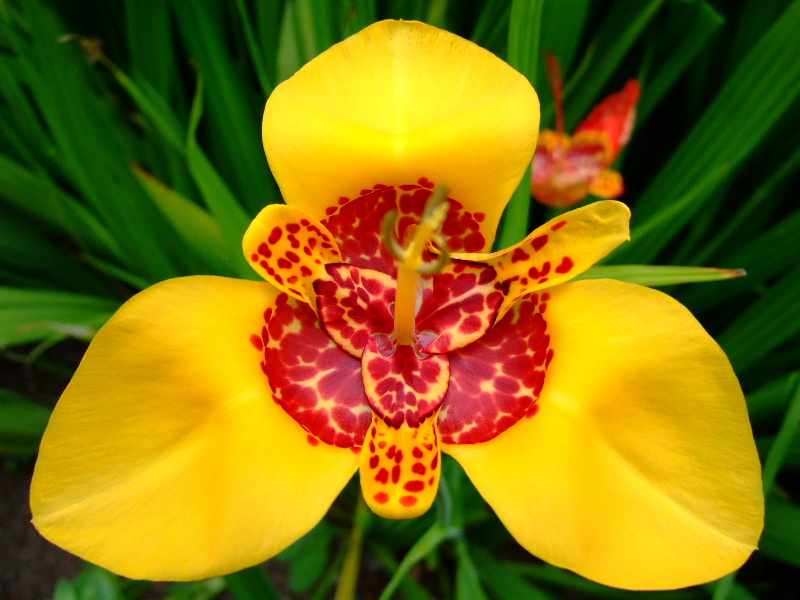
Tigridia loves warmth, so spring is a good time to get the bulbs in once frost is done. Give it a sunny spot and soil that drains, and you’re off to a good start.
The leaves come up first and look pretty plain. Nothing exciting. Then one morning a flower opens and it almost doesn’t look real. Bright colors, wild patterns, the whole thing.
Each bloom doesn’t last long, but new ones keep coming. I’ve learned to just enjoy the surprise when they show up.
Conclusion
Spring might not be the season most people talk about for bulbs, but it still offers a great chance to plant. The soil is warming, frost is fading, and many perennials are ready to settle in and grow strong.
If you plant now, some will bloom later this summer and others will reward you next year. Either way, you are building a garden that comes back better each season.
So grab those bulbs, find a sunny spot, and get them in the ground. A little effort today can turn into years of color.

Khaja Moinuddin, a computer science graduate, finds joy in gardening and homesteading. Join him on this blog as he shares his experiences in homesteading, gardening, and composting