Protecting your seedlings are as important as planting. Fencing can be expensive and time consuming, so trying pallet fence felt like obvious solution for me.
Pallets are easy to find, budget-friendly, and sturdy enough to turn into a simple fence without fancy tools or perfect measurements.
For a gardener, fencing is really about peace of mind. A basic pallet fence keeps pets and animals out, defines the garden, and lets you focus on growing instead of guarding your plants.
In most cases, you can just use old pallets or wood to fence around the garden. Below mentioned are benefits of fencing your backyard garden.
Pros and Cons of a Pallet Fence
Pros
One of the biggest advantages of a pallet fence is the cost. As a gardener, I love projects that don’t eat into my plant budget, and pallets are often free or very cheap.
- You can build a decent-sized fence without spending much more than time, nails, and a little effort.
- Pallet fences are also very DIY-friendly. You don’t need special tools or advanced skills to put one together. They’re easy to customize too — tall, short, spaced out, or solid — depending on what you’re trying to keep in or out.
- If your garden layout changes, pallet panels can be moved, reused, or modified without much hassle.
- Another plus is sustainability. Reusing pallets keeps them out of landfills and fits naturally with the gardening mindset of reuse and recycling.
Over time, pallet fences weather nicely and blend into the garden, especially if you let vines climb or add a simple stain or seal.
Also Read: How to Build a Raised Garden Bed with Pallets?
Cons
On the downside, pallet fences aren’t built to last forever. The wood quality varies, and some pallets break down faster than others, especially in wet climates. Without sealing or regular maintenance, boards can warp, crack, or rot over time.
- Pallets can also be inconsistent in size and strength, which means extra work sorting, cutting, and reinforcing.
- Some may have nails, splinters, or damaged boards that need attention before building.
- And while they’re great for gardens, pallet fences usually don’t offer the privacy or polished look of traditional fencing, which may matter if your yard is highly visible.
17 Pallet Fence Ideas to Transform Your Garden
Pallet fences don’t have to look boring or temporary. With a little creativity, they can solve real garden problems while adding character.
Below are pallet fence ideas that range from super simple to slightly more styled — all practical, all garden-friendly.
1. Classic Vertical Pallet Fence
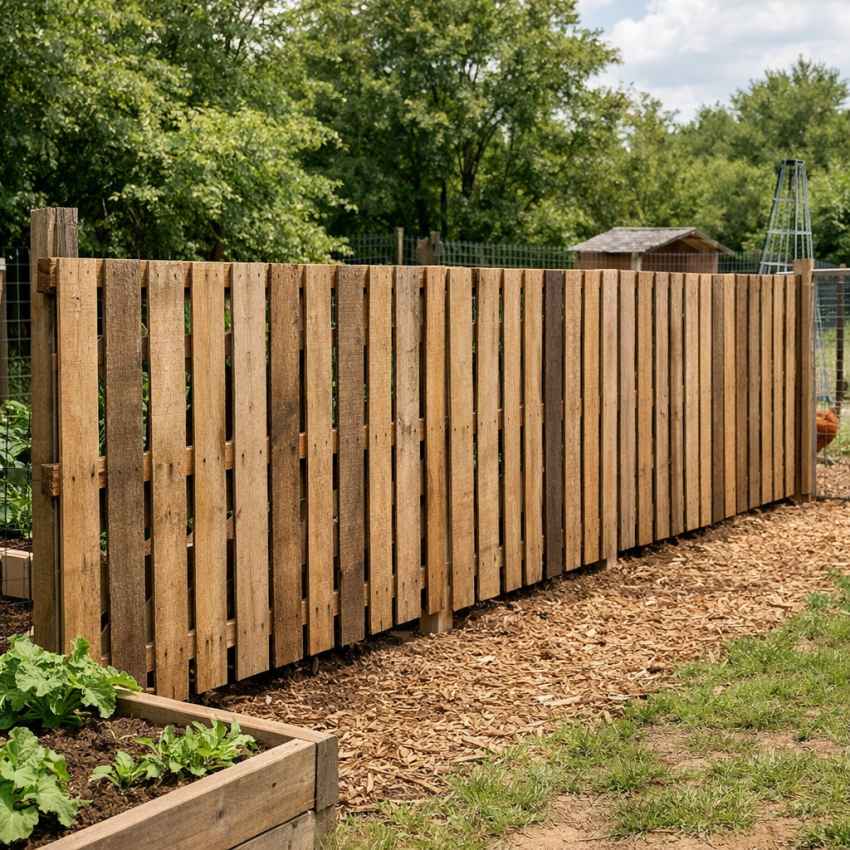
This is usually the first pallet fence most gardeners try, and for good reason. You simply stand the pallets upright, secure them into the ground or to posts, and connect them side by side to form a solid line.
From a practical standpoint, it works well for marking garden boundaries and keeping pets or chickens out of planting areas. The vertical slats provide decent coverage without needing extra cutting or rebuilding.
What I like most about this style is how quick it comes together. If you need a fence fast, this is hard to beat. It’s simple, sturdy, and easy to adjust later if your garden layout changes.
2. Horizontal Slat Pallet Fence
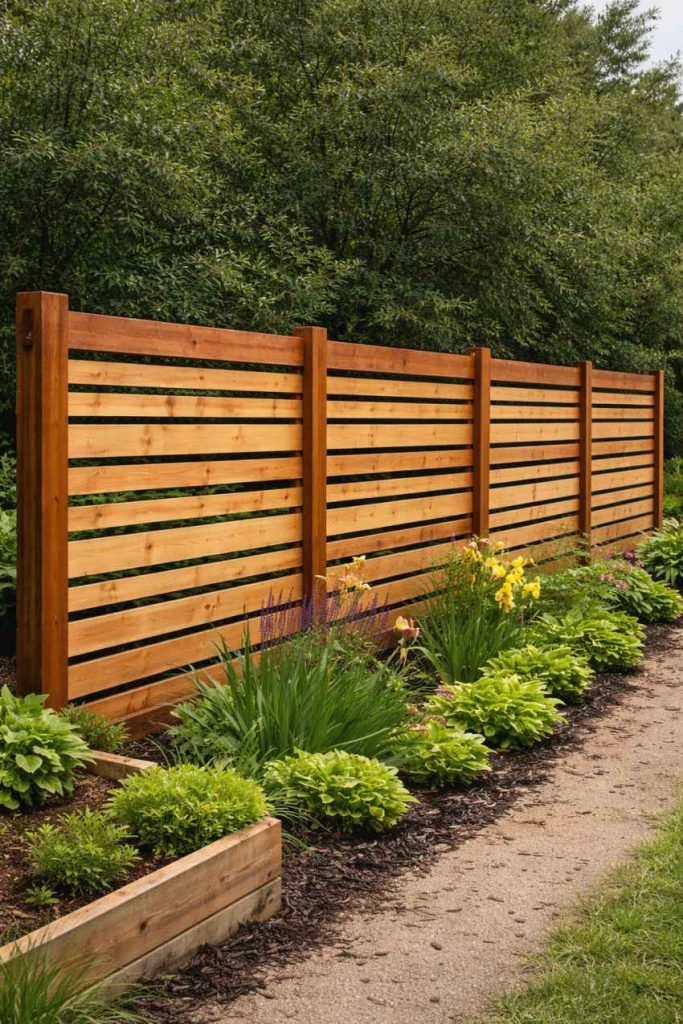
Instead of using whole pallets, this style breaks them down into individual boards. Those boards are then fixed horizontally onto posts, giving the fence a more open, structured look. It takes a bit more effort upfront, but the result feels intentional.
Why it works:
- Allows airflow and light into the garden
- Easier to adjust spacing between boards
- Feels more modern than stacked pallets
This design is great if you want fencing that looks planned but still keeps the budget low.
Check this: How to Build Chicken Coop Out of Pallets?
3. Half-Height Pallet Garden Fence
Not every garden needs a tall barrier. This option uses cut-down pallets to create a low fence that defines space rather than closing it off. It’s especially useful around raised beds or vegetable patches.
Think of it as a visual guide instead of a wall. It keeps foot traffic where it should be, protects plants from accidental damage, and still lets the garden feel open and welcoming.
For small yards or front gardens, this style offers just enough structure without making the space feel boxed in.
4. Pallet Fence with Built-In Planters
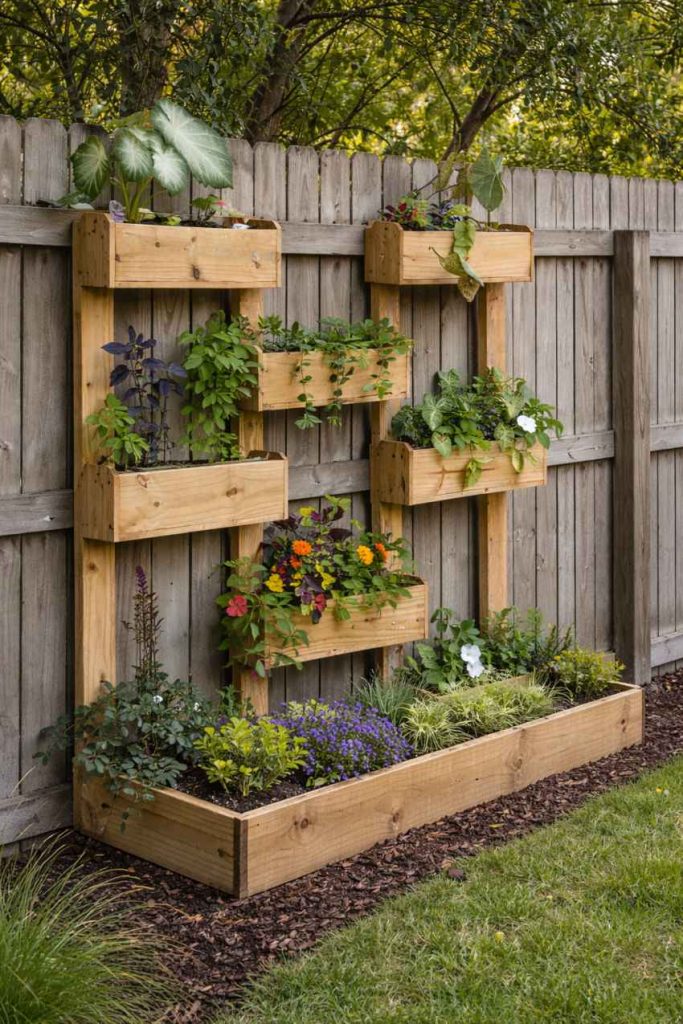
This is one of my favorite pallet fence ideas because it makes the fence work harder. Instead of just acting as a barrier, the pallet openings are used to hold small planters, pots, or even soil pockets. It’s a smart way to add growing space without taking up more ground.
This type of fence is perfect for herbs, strawberries, succulents, or trailing flowers. The plants soften the rough wood and make the fence feel alive rather than purely functional. It also keeps frequently used herbs within arm’s reach.
From a gardening perspective, it’s a great option for small yards. You get structure, beauty, and productivity all in one build, using materials you probably didn’t pay for.
5. Rustic Uneven Pallet Fence

This fence style is all about letting go of straight lines and perfect symmetry. Different pallet sizes, varying heights, and uneven spacing are used intentionally to create a relaxed, organic look. No two sections look exactly the same, and that’s the charm.
It works especially well in cottage-style or natural gardens where things spill, climb, and grow freely. Instead of fighting imperfections in the pallets, you lean into them and make them part of the design.
As a gardener, I like how forgiving this style is. You can add sections over time, replace broken pallets easily, and let plants climb and blend everything together naturally.
Also Read: How to Build a Compost Bin with Pallets?
6. Solid Privacy Pallet Fence
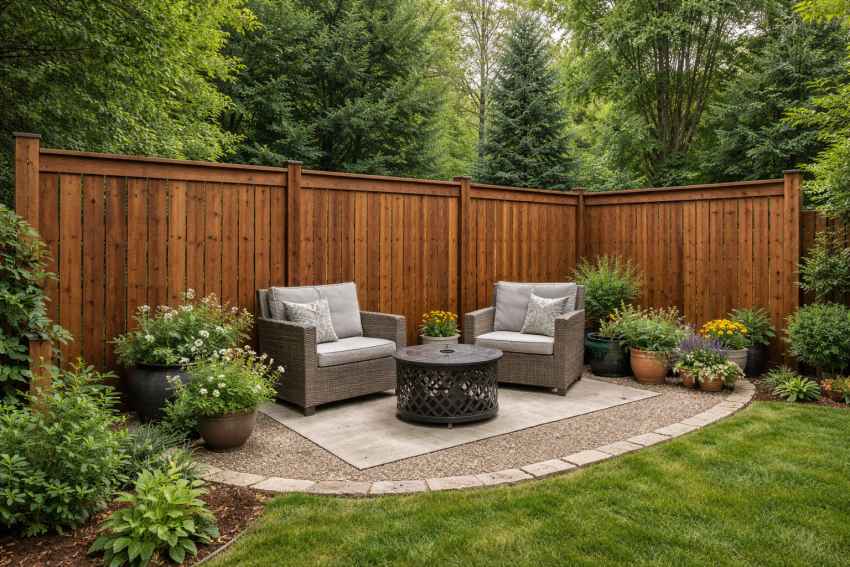
Sometimes a garden needs a little separation from the rest of the yard. A solid privacy pallet fence is built by removing pallet boards and placing them tightly together so there are no gaps. The result feels more enclosed and intentional.
This style is ideal around seating areas, patios, or quiet garden corners where you want fewer distractions. It blocks wind better than open designs and creates a cozy, sheltered feeling.
While it takes more time to build, it’s still budget-friendly compared to store-bought privacy fencing. With a coat of stain or sealant, it can last longer and look surprisingly finished while still staying true to its DIY roots.
7. Pallet Fence for Chickens
If you keep chickens, pallets can be a surprisingly useful fencing option. Whole pallets or pallet frames are set up and then reinforced with wire mesh to close the gaps. This keeps chickens where they belong while still allowing plenty of airflow.
From experience, this type of fence works best around run areas or garden sections you want to protect. It’s not meant to be predator-proof on its own, but it does a great job for daytime containment and space division.
The best part is flexibility. Sections can be moved, expanded, or repaired easily as your flock grows or your layout changes.
8. Painted Pallet Fence

A little paint can completely change the feel of a pallet fence. Whether it’s white for a clean look, green to blend in, or muted colors for a softer style, painting instantly makes the fence feel more intentional.
This option is great if the raw pallet wood feels too rough for your space. Paint also helps protect the wood from weather and slows down wear over time.
As a gardener, I like painted pallet fences for visible areas like front yards or near patios. They keep the budget low while adding personality and polish to the garden.
9. Pallet Fence with Wire Backing
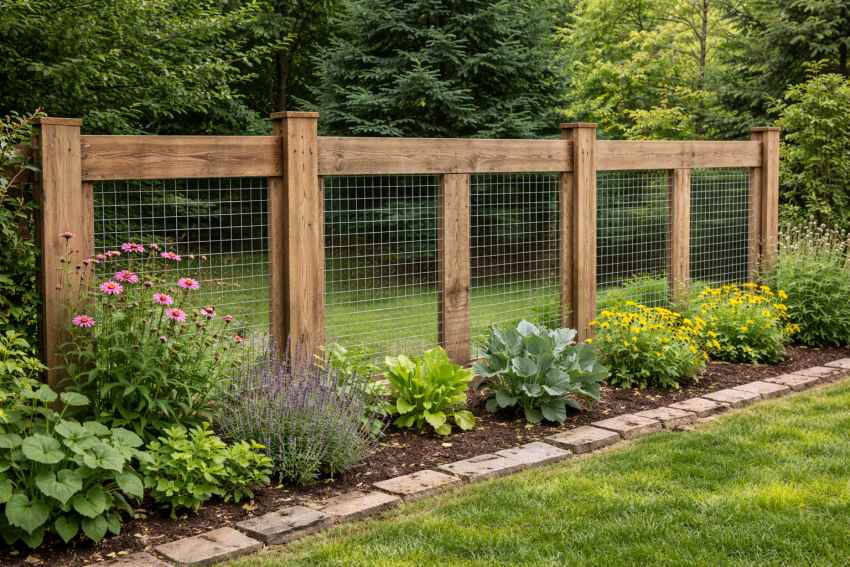
What it is:
A simple pallet fence reinforced with wire mesh or hardware cloth attached to the back.
Why gardeners use it:
– Keeps smaller animals out while staying lightweight
– Lets air and light pass through
– Uses fewer boards than solid fencing
Best for:
Vegetable gardens, seedling areas, and spaces where protection matters more than privacy.
Also Read: 17 Low Cost DIY Greenhouse Plans
10. Pallet Fence with a Built-In Gate
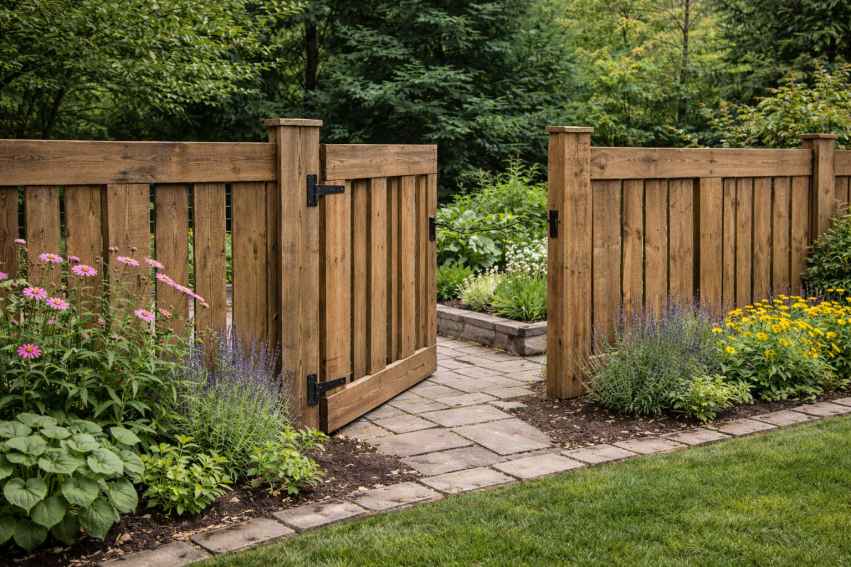
This design adds convenience without much extra work. One pallet is slightly trimmed, reinforced, and attached with hinges to act as a gate within the fence line.
Instead of stepping over or removing sections, you can walk straight into the garden. That matters more than you think when carrying tools, watering cans, or harvest baskets.
It’s a small upgrade that makes a big difference, especially in gardens you visit daily.
11. Raised Pallet Border Fence
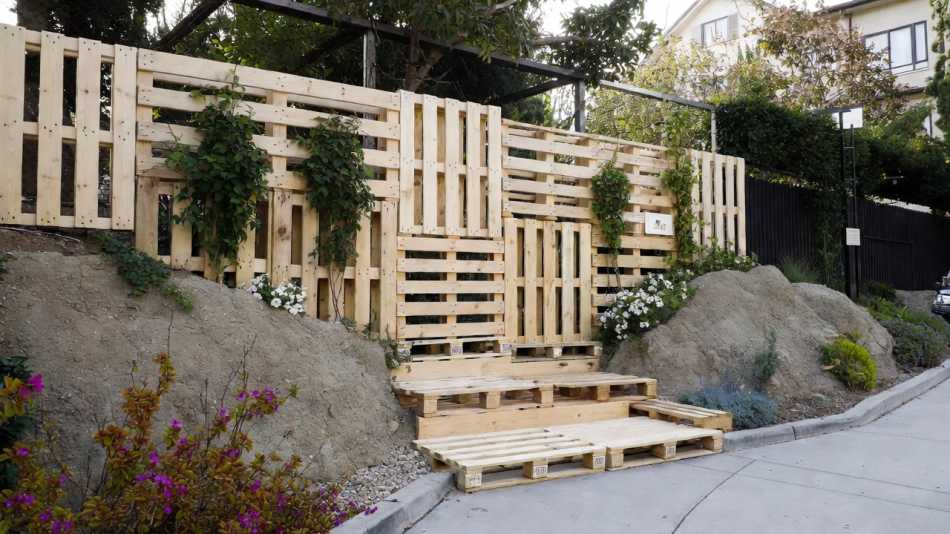
This fence sits low and stays out of the way. Pallets are used more like a frame than a wall, outlining raised beds or garden sections without closing them in.
It’s especially helpful for keeping mulch, soil, and compost where they belong. Over time, it also creates a visual break between planted areas and walking paths.
If you prefer a garden that feels open and easy to move through, this subtle pallet fence does the job without demanding attention.
12. Pallet Fence for Sloped Gardens

Uneven ground makes fencing tricky, and that’s where pallets shine. Instead of fighting the slope, pallets are stepped down gradually to follow the natural rise and fall of the land.
This approach prevents awkward gaps at the bottom where animals can sneak through. It also keeps the fence looking balanced rather than forced.
For gardens on hillsides or slightly uneven yards, this method saves time, materials, and frustration.
13. Pallet Fence with Climbing Plants
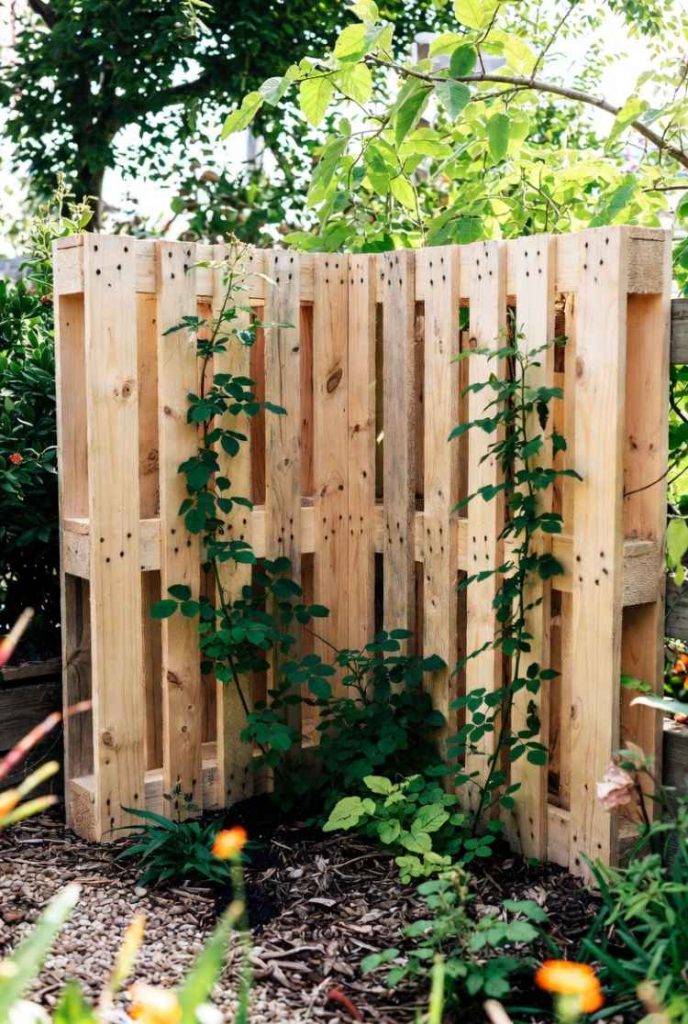
This is the kind of fence that gets better with time. Pallets are set up with enough spacing for air and light, then used as a natural support for climbing plants like beans, peas, jasmine, or flowering vines.
At first, it looks simple and a bit bare. After a season or two, the plants take over, softening the wood and turning the fence into part of the garden itself.
If you like fences that don’t feel like fences, this is a great option. It blends function with growth and adds beauty without extra materials.
14. Minimal Spaced Pallet Fence
This design focuses on doing more with less. Instead of using full pallets, selected boards are spaced evenly between posts, creating a clean, open look.
It’s perfect for marking boundaries without blocking views or airflow. The garden still feels connected to the rest of the yard, just more defined.
For gardeners who like simple lines and low visual clutter, this pallet fence keeps things neat without feeling heavy.
15. Corner Pallet Fence Panels
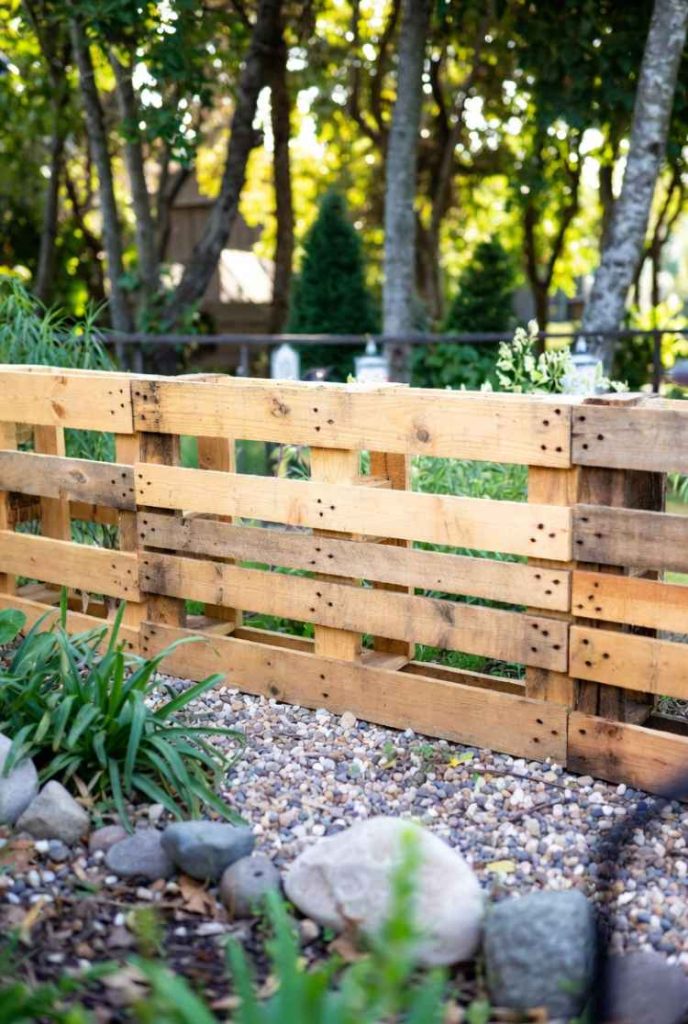
This idea works well when you don’t need to fence the entire garden. Pallets are placed only in corners or along specific edges where protection or structure is actually needed.
It’s a smart, resource-saving approach. You use fewer pallets, spend less time building, and still solve common problems like foot traffic cutting through beds or pets wandering into planted areas.
For small gardens or shared yards, corner pallet panels keep things defined without making the space feel boxed in. They’re easy to add onto later if your garden grows or your needs change.
16. Temporary Pallet Fence
This fence is all about flexibility. Instead of setting posts permanently, pallets are screwed or clamped together so they can be moved when needed. Nothing feels locked in.
It’s a great option for seasonal gardens or rented spaces. You can put it up for growing season, then take it down or rearrange it later without much effort.
If you like changing your garden layout from year to year, this style works with you instead of against you.
Also Read: 19 DIY Movable Chicken Coop Plans
17. Decorative Pallet Fence with Shelves

This one leans more toward style while still being useful. Pallet boards are arranged to include small ledges or shelves built right into the fence.
Those shelves are perfect for herb pots, lanterns, seed trays, or simple garden decor. They turn the fence into a display instead of just a boundary.
For gardeners who enjoy adding personal touches, this fence becomes part of the garden’s personality, not just something around it.
Conclusion
Pallet fencing proves you don’t need expensive materials or professional skills to build something useful in the garden. With a little creativity, pallets can become fences that protect plants, define spaces, and add character to your outdoor area.
What really makes pallet fences shine is their flexibility. They work as quick barriers, decorative features, or setups that can change as your garden grows. They’re easy to fix, simple to adjust, and forgiving of mistakes.
As a gardener, that balance of function, budget, and adaptability matters most. A pallet fence may start practical, but it often becomes part of the garden’s story, weathering alongside everything you grow.

Khaja Moinuddin, a computer science graduate, finds joy in gardening and homesteading. Join him on this blog as he shares his experiences in homesteading, gardening, and composting