Instead of ignoring the shady corners in your garden, you can grow perennials that thrive in low light. Many beautiful plants naturally prefer shade and can turn quiet, darker areas into lush green spaces.
These plants grow well under trees, along fences, or beside buildings where sunlight is limited. They add texture and color to places that might otherwise look dull or empty.
Most shade-loving perennials are also easy to care for. Since shady soil stays cooler and holds moisture longer, plants usually need less watering and minimal maintenance.
Understanding the Shady Levels
Shady areas in a garden are not all the same. Some spots receive a little sunlight during the day, while others stay shaded almost all the time.
Understanding the different levels of shade can help you choose plants that will grow well in those spaces.
Light shade usually means the area gets a few hours of gentle morning or late afternoon sun. These spots are common near trees with thin branches or along the edge of buildings.
Partial shade gets limited sunlight, often around three to four hours a day. The light may come through tree leaves or reach the area only during certain times of the day.
Full shade is where very little direct sunlight reaches the ground. These places are often found under dense trees, beside tall walls, or behind buildings where sunlight is mostly blocked.
19 Low Maintenance Perennials for Shade
You don’t have to waste the shady space in your garden. Many low-maintenance perennials grow well in shade and can easily fill these areas with beautiful foliage and flowers.
1. Hosta

Hostas are one of the most popular plants for shady gardens. They are loved for their large, decorative leaves that come in many shades of green, blue, and even variegated patterns. These plants can easily brighten up dark corners in the garden.
Hostas grow best in partial to full shade and prefer soil that stays slightly moist. The good thing is they do not need constant care. Simple watering during dry periods and occasional trimming of old leaves is usually enough.
Once established, hostas come back every year and slowly spread to form a full, leafy clump. This makes them a great choice for borders, under trees, or anywhere you want a lush and low-maintenance plant.
2. Astilbe
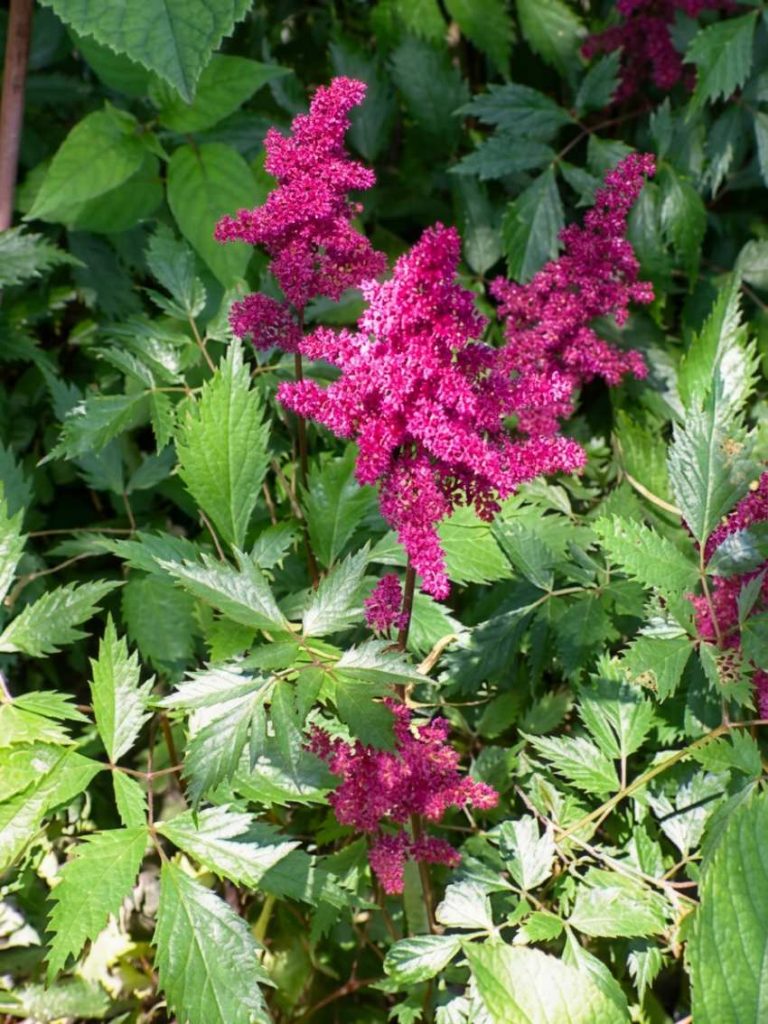
Astilbe is a beautiful perennial that grows well in shady areas and adds soft color to the garden. It produces feathery flower plumes in shades of pink, white, red, and purple. The flowers rise above the green foliage and give the garden a light, airy look.
This plant grows best in partial to full shade and prefers soil that stays slightly moist. It does well in rich, well-draining soil and usually needs watering during very dry weather.
Astilbe is easy to care for and comes back every year once established. It works well in shady borders, woodland gardens, or near pathways where its soft flowers can stand out.
Also Read: 17 Longest Flowering Perennials that Bloom in Spring
3. Bleeding Heart

Bleeding heart grows best in partial to full shade, making it a great plant for darker areas of the garden. It prefers cool, shaded spots, especially under trees or along fences where it is protected from strong afternoon sun.
This plant is known for its unique heart-shaped flowers that hang from arching stems. The flowers are usually pink or white and appear in spring, adding a soft and delicate look to the garden.
Bleeding heart is fairly low maintenance once it is established. It grows well in rich, well-draining soil and needs moderate watering to keep the soil slightly moist. It naturally dies back in hot summer weather and returns again the following year.
4. Coral Bells

Coral bells grow well in partial shade and can also tolerate a little morning sun. They are mostly grown for their colorful leaves, which come in shades of green, purple, red, bronze, and even silver. The foliage adds color to shady garden beds throughout the growing season.
This plant prefers well-draining soil that is rich in organic matter. It does not need frequent watering once established, though occasional watering during dry periods helps it stay healthy.
Coral bells are easy to maintain and form neat clumps in the garden. Small bell-shaped flowers appear on tall stems in late spring or early summer, adding a light and delicate touch to shady spaces.
5. Fern

Ferns are classic shade plants that grow naturally in woodland areas. They thrive in partial to full shade and are perfect for filling dark corners of the garden with soft, feathery green foliage.
Most ferns prefer soil that stays slightly moist and rich in organic matter. They do well in cool, shady spots where the soil does not dry out too quickly.
Ferns require very little care once they are established. They slowly spread and create a lush, natural look, making them a great choice for borders, under trees, or woodland-style gardens.
6. Lungwort

Lungwort grows well in partial to full shade and is often one of the first perennials to bloom in spring. It produces small clusters of blue, pink, or purple flowers that appear above its spotted green leaves. The attractive foliage continues to add interest to the garden even after the flowers fade.
This plant prefers cool, shady spots and moist, well-draining soil that is rich in organic matter. It does not like hot, dry conditions, so it grows best in areas that stay cool and slightly damp.
Lungwort is a reliable and low-maintenance perennial. Once established, it forms small clumps that slowly spread, making it a good choice for shaded borders, woodland gardens, and areas under trees.
Check this: 23 Perennials to Plant in August
7. Foamflower

Foamflower is a shade-loving perennial known for its delicate, airy flower spikes. In spring, it produces small white or pale pink flowers that rise above its deeply cut green leaves, giving the plant a soft, frothy appearance.
It grows best in partial to full shade and prefers moist, humus-rich soil that drains well. The plant also does well in woodland gardens where the soil contains plenty of organic matter from fallen leaves.
Foamflower is easy to grow and requires very little maintenance. It spreads slowly through runners, forming a gentle ground cover that helps fill shady garden beds and keeps the soil covered.
8. Japanese Forest Grass
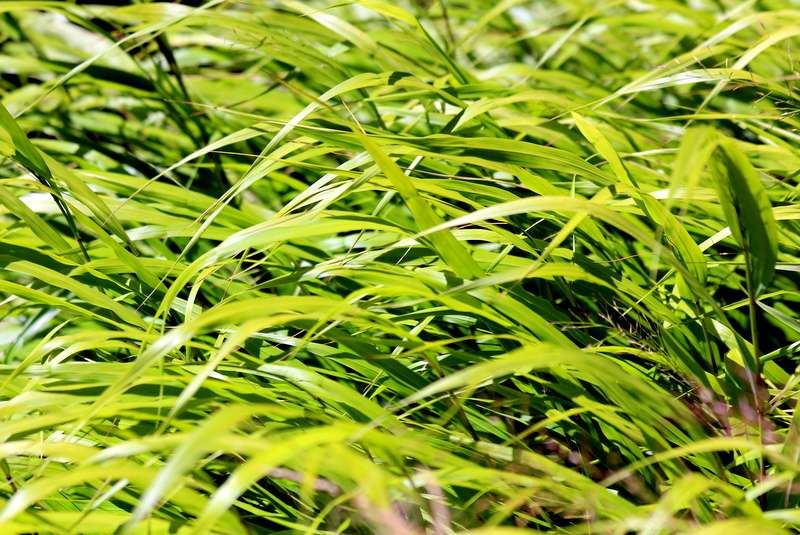
It’s a graceful ornamental grass that grows well in partial to full shade. It is known for its arching, cascading leaves that create a soft, flowing look in the garden. The leaves are usually bright green or golden, and some varieties have beautiful stripes.
This plant prefers moist, well-draining soil that is rich in organic matter. It grows best in cool, shaded areas where the soil does not dry out too quickly.
Japanese forest grass is slow-growing but very easy to care for. Once established, it forms neat clumps that add texture and movement to shady borders, pathways, and woodland gardens.
9. Brunnera

Brunnera is a shade-loving perennial that is valued for both its flowers and foliage. In early spring, it produces clusters of tiny blue flowers that look similar to forget-me-nots. Its large, heart-shaped leaves often have attractive silver patterns.
This plant grows best in partial to full shade and prefers moist, well-draining soil. It does especially well in cool, shady areas where the soil stays slightly damp.
Brunnera is a low-maintenance plant that returns every year once established. It works well in shady garden beds, under trees, or along borders where its decorative leaves can brighten darker spaces.
10. Solomon’s Seal
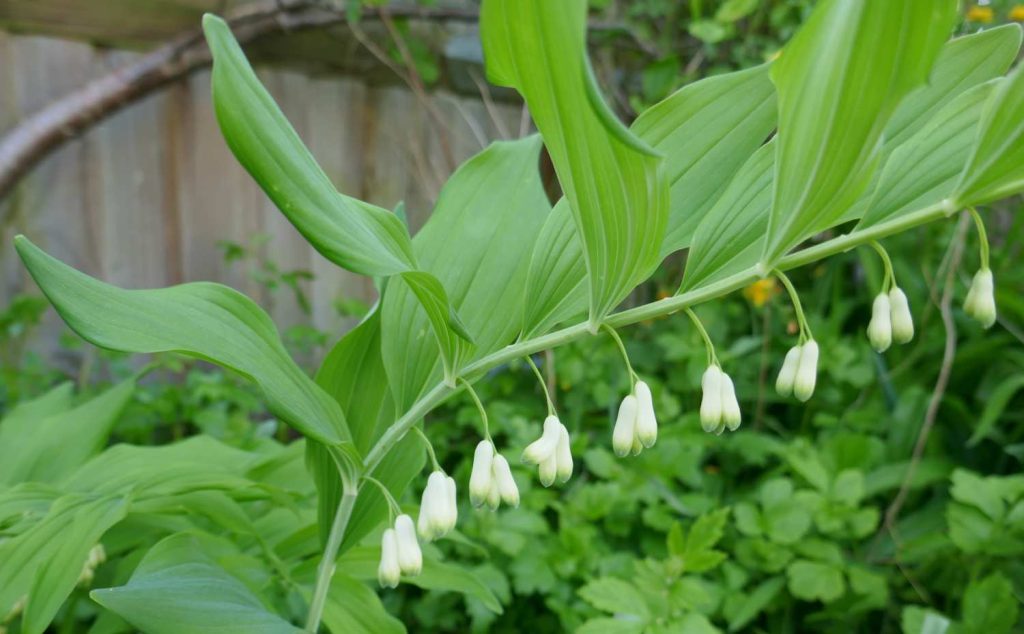
Solomon’s seal is a graceful perennial that grows well in partial to full shade. It has arching stems with soft green leaves, and in spring it produces small white, bell-shaped flowers that hang under the stems. The plant adds an elegant, natural look to shady garden areas.
It prefers moist, well-draining soil that is rich in organic matter. This plant grows especially well in woodland-style gardens where the soil stays cool and slightly damp.
Solomon’s seal is easy to care for and slowly spreads over time. Once established, it returns every year and helps fill shady spots with gentle greenery.
11. Barrenwort

Barrenwort is a tough and reliable perennial that grows well in dry or shady areas. It produces delicate, star-shaped flowers in spring, often in shades of yellow, pink, white, or purple. Its heart-shaped leaves also add nice texture to the garden.
This plant grows best in partial to full shade and adapts well to different soil types. It prefers well-draining soil and can tolerate dry conditions once established.
Barrenwort is very low maintenance and spreads slowly to form a natural ground cover. It is a great choice for planting under trees or in areas where other plants may struggle to grow.
Also Read: 13 Flower Seeds to Plant in March
12. Hellebore

Hellebore is a hardy perennial that grows well in shade or partial shade. It blooms in late winter or early spring when many other plants are still dormant. The flowers come in colors like white, pink, purple, and green.
This plant prefers rich, well-draining soil and does best in a cool, shaded spot. It usually does not need frequent watering once it is established.
Hellebore is easy to grow and needs very little care. Its evergreen leaves stay attractive for most of the year, making it a great plant for shady garden beds.
13. Dead Nettle (Lamium)

Dead nettle is a fast-growing perennial that works well as a ground cover in shady areas. It has soft green or silver-patterned leaves and small flowers that appear in spring and early summer.
It grows best in partial to full shade and prefers moist, well-draining soil. However, it can also tolerate short dry periods once the plant is established.
Dead nettle spreads easily and helps cover bare soil in shady spots. Because it grows quickly and needs little care, it is a good choice for borders, under trees, or along pathways.
14. Bugleweed (Ajuga)

Bugleweed is a low-growing perennial that spreads quickly and works well as a ground cover in shady areas. It has glossy leaves that can be green, purple, or bronze, adding nice color to the garden even when it is not flowering.
In spring, Ajuga produces short spikes of small blue or purple flowers that rise above the foliage. These flowers can attract bees and other pollinators to the garden.
Bugleweed grows best in partial to full shade and prefers moist, well-draining soil. Once established, it spreads easily and needs very little care, making it useful for filling empty spaces in shady garden beds.
Also Read: 60 Popular Cut Flower Garden Ideas
15. Toad Lily
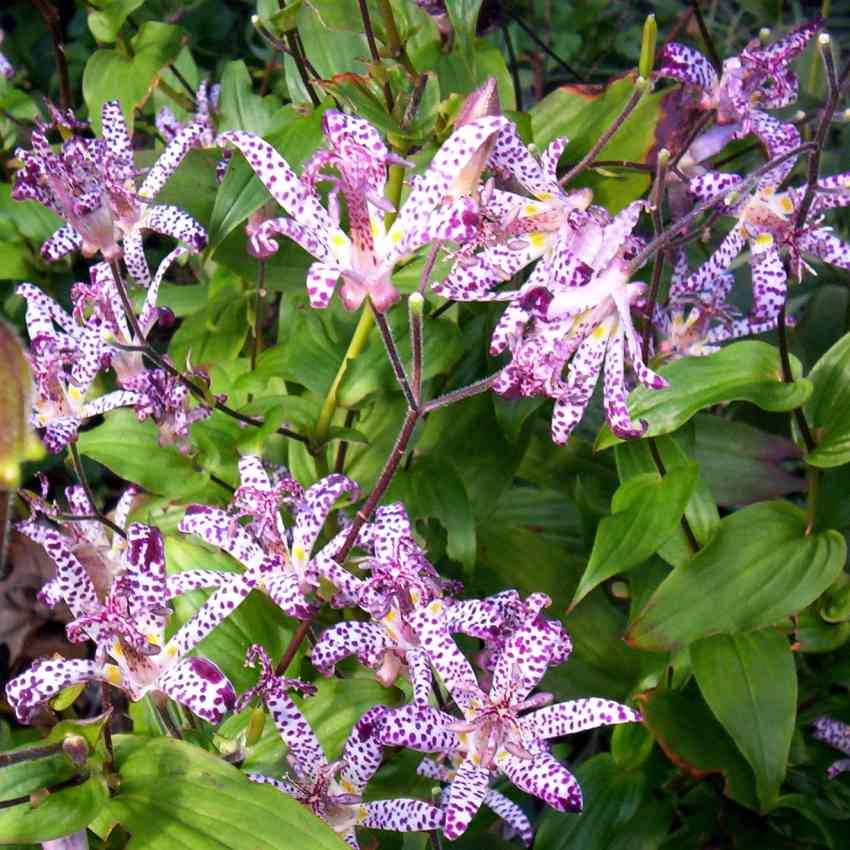
Toad lily is a unique shade perennial that blooms in late summer or early fall. Its small flowers often have purple spots and look a bit like orchids, which makes them stand out in the garden.
This plant grows best in partial to full shade and prefers moist, rich soil that drains well. It also likes cool garden spots where the soil stays slightly damp.
Toad lilies are fairly easy to grow and do not need much maintenance. They add late-season color to shady gardens and work well along borders, woodland beds, or near pathways where their unusual flowers can be noticed.
16. Jacob’s Ladder
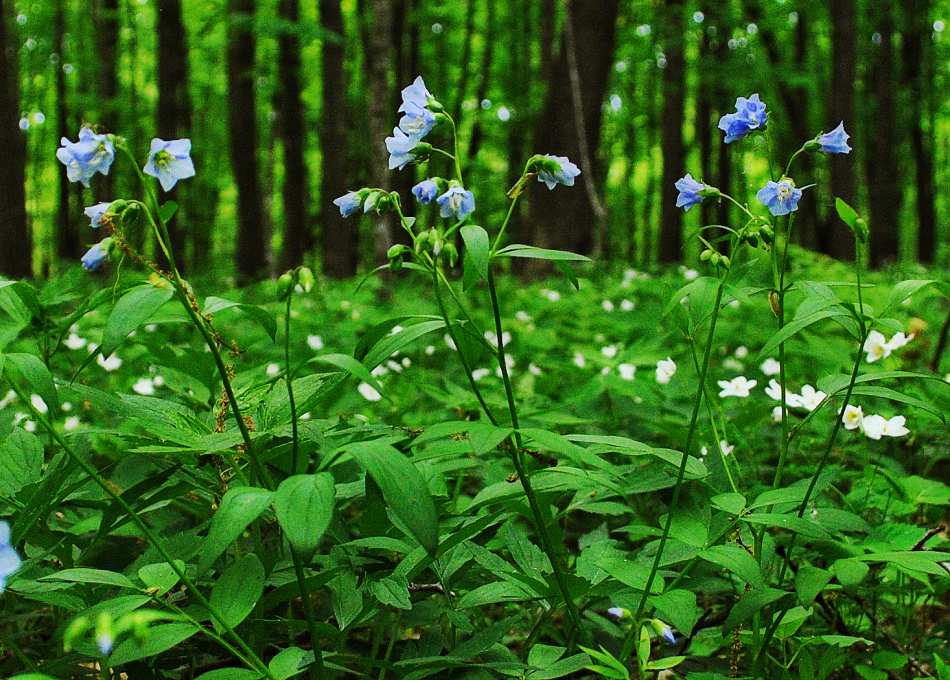
Jacob’s ladder is a shade-loving perennial known for its neat rows of small leaflets that look like a ladder. In spring, it produces clusters of small blue or purple flowers that add gentle color to the garden.
It grows best in partial shade and prefers cool, moist soil that drains well. The plant does well in garden beds that receive soft morning light and afternoon shade.
Jacob’s ladder is easy to grow and does not need much care. Regular watering during dry weather is usually enough to keep the plant healthy.
17. Leopard Plant
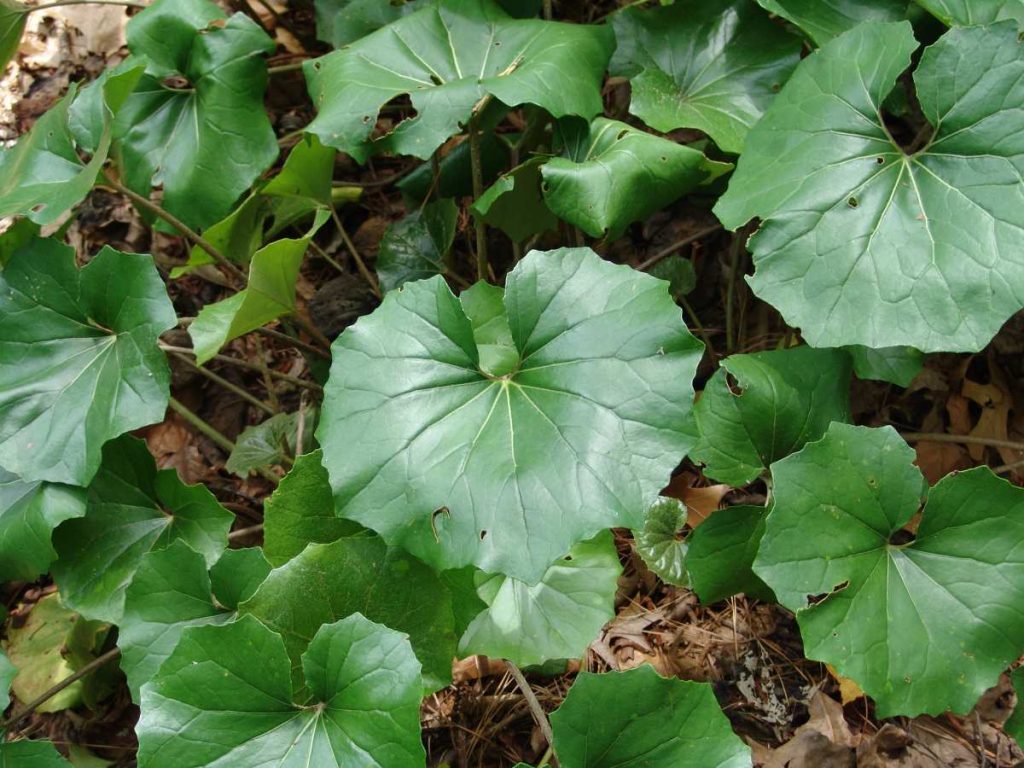
Leopard plant is a bold shade perennial with large, round leaves that stand out in the garden. In summer, it produces tall stems with bright yellow flowers that add color to shady spaces.
This plant grows best in partial to full shade and prefers moist soil that does not dry out quickly. It is a good choice for gardens that stay cool and slightly damp.
Leopard plant is simple to care for once it is established. Its large leaves help create a full, lush look in shady borders and garden beds.
18. Sweet Woodruff

Sweet woodruff is a small, spreading perennial that forms a soft carpet of bright green leaves. In spring, it produces tiny white star-shaped flowers that give the plant a delicate and fresh look.
It grows best in partial to full shade and prefers cool, moist soil with good drainage. The plant does especially well under trees or in woodland-style gardens where the soil stays slightly damp.
Sweet woodruff is very easy to grow and spreads slowly over time. It works well as a natural ground cover and helps fill empty spaces in shady garden beds.
Also Read: 14 Perennial Bulbs to Plant in Spring
19. Columbine

Columbine is a graceful perennial with unique, nodding flowers that often appear in shades of red, yellow, pink, purple, or blue. The flowers have long spurs and sit above soft, fern-like foliage.
This plant grows well in partial shade and prefers well-draining soil that stays slightly moist. It can also tolerate a bit of morning sun while still thriving in cooler, shaded areas.
Columbine is fairly low maintenance and often reseeds itself in the garden. Once established, it returns each year and adds soft color to shady borders and woodland gardens.
Conclusion
Shady areas in the garden don’t have to stay empty or dull. With the right perennials, these spots can become some of the most beautiful and relaxing parts of your yard. Many shade-loving plants grow well with very little care and can add lush greenery, texture, and even colorful flowers.
By choosing plants that naturally thrive in shade and slightly moist soil, you can create a garden that looks full and healthy without much work. Once these perennials are established, they return every year and make maintaining a shade garden simple and enjoyable.

Khaja Moinuddin, a computer science graduate, finds joy in gardening and homesteading. Join him on this blog as he shares his experiences in homesteading, gardening, and composting