As a chicken keeper, you might already know how common feather-pecking issues can be in backyard flocks.
It can be a real nuisance—and honestly heartbreaking—to walk into the coop and find a hen with big bald patches, missing feathers, or worse, open bleeding wounds from aggressive pecking.
While some amount of pecking is normal and a natural way for chickens to communicate or establish their social hierarchy, excessive or aggressive pecking is a big red flag.
It’s one of those problems that starts small but can quickly turn into something very serious if you ignore it.
Left unchecked, pecking can escalate into bullying, deep injuries, stress in the flock, and even cannibalism.
That’s why it’s important to understand why chickens peck and what you can do to stop it before things spiral out of control.
In this in-depth guide, I’ll walk you through the common causes behind chicken-to-chicken pecking and give you practical, effective solutions that truly work.
Whether you’re new to raising chickens or you’ve been at it for years, this guide will help you keep a happy, peaceful, and feather-filled flock.
What Exactly Is Pecking, and When Does It Become a Problem?
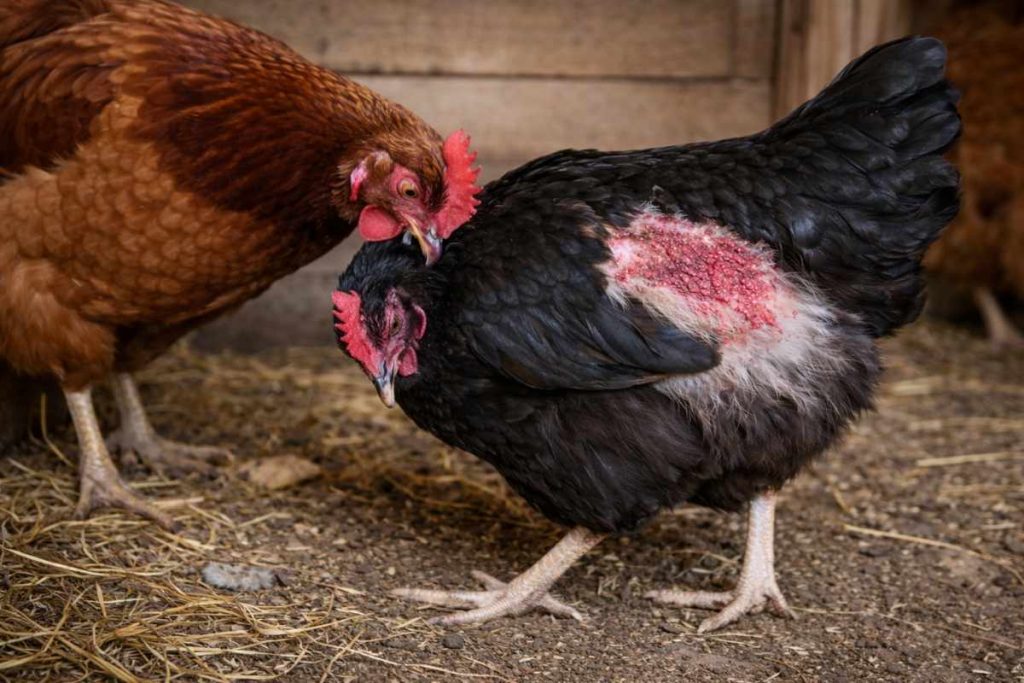
Chickens peck—it’s what they do. They peck to communicate. They peck to explore their environment. They peck to show dominance and occasionally settle minor disputes. If you watch your flock for a while, you’ll see little taps and nudges happening throughout the day.
This normal pecking becomes problematic when:
- It turns frequent
- It becomes aggressive
- It targets the same chicken repeatedly
- It causes feather loss, bald spots, or wounds
- The pecked chicken becomes fearful or isolated
When these signs start to show up, you’re no longer dealing with casual social pecking—you’re dealing with a behavioral issue that needs attention.
Understanding the root causes is the first step toward solving it.
Also Read: How to Deworm Chickens Naturally?
Why Do Chickens Peck Each Other?
In most flocks, pecking doesn’t come out of nowhere—there’s always a trigger. Let’s break down the most common reasons your chickens might be pecking each other.
1. Overcrowding Inside the Coop
One of the biggest causes of aggression is not enough space. Chickens hate being cramped. When too many birds are packed into a small coop, tensions rise, tempers shorten, and pecking becomes almost unavoidable.
A crowded coop often leads to:
- Territorial disputes
- Bullying
- Competition for food
- No space for lower-ranked birds to escape
Recommended space:
- 3–4 sq. ft. per bird in the coop
- 8–10 sq. ft. per bird in the run
More than that is always better.
2. Boredom — Yes, Chickens Get Bored Too
It might surprise some people, but chickens are extremely intelligent and curious animals. When they don’t have enough to do, they tend to take out their frustration on each other—usually in the form of feather pecking.
Signs of boredom-driven pecking:
- Chickens pacing back and forth
- Birds obsessively pecking at feathers
- Restlessness or loud noise
- Bullying weaker chickens
When chickens aren’t occupied, they find “entertainment” elsewhere—and unfortunately, that often means pulling feathers.
3. Poor Diet or Low Protein
Nutrition plays a huge role in flock behavior. If your chickens aren’t getting enough protein, minerals, or essential nutrients, they may start feather-pecking to compensate.
Feathers contain keratin, a protein. Chickens with protein deficiency sometimes start eating feathers—not out of aggression but instinct.
Other deficiencies that may cause pecking:
- Low calcium
- Insufficient amino acids
- Lack of grit
- Poor-quality feed
A well-nourished chicken is far less likely to bully its friends.
4. Introducing New Birds Improperly
Adding new chickens to an established flock is one of the most common triggers for pecking and bullying.
A sudden introduction leads to:
- Tension
- Territorial fights
- Reinforcement of the pecking order
- Stress in both old and new birds
If you’ve ever seen a new pullet get chased, cornered, and pecked repeatedly, you know how stressful these introductions can be.
5. Heat Stress and Weather Changes
Chickens handle cold better than heat. Hot weather often makes them irritated, uncomfortable, and snappier than usual.
When the coop gets too warm:
- Chickens become restless
- Water intake goes up
- Food intake goes down
- Stress levels rise
And stressed chickens peck more.
6. Parasites, Injuries, or Illness
Sometimes, the chicken being pecked isn’t the problem—it’s the condition of their feathers or their health.
Birds often peck at:
- Red or irritated skin
- Wounds
- Dirty vents
- Feather mite or lice infestations
They pick at other chickens because something looks “wrong,” and pecking is their way of inspecting or reacting to it.
7. Lack of Feeder or Water Space
If your chickens have to push and shove every time they want to eat, drink, or perch, aggression naturally increases. Limited resources create unnecessary competition.
Make sure every chicken can:
- Eat without fighting
- Access clean water
- Have a roosting spot at night
- Use nesting boxes comfortably
Resource stress can trigger immediate and severe pecking behavior.
How to Identify Pecking Early?

Catching the signs early can save birds from serious harm. Here’s what you should watch for during your daily flock check.
Common Early Signs:
- Missing feathers on the back, wings, vent, or head
- Birds running away from others
- Blood spots or wound marks
- Chickens hiding or isolating themselves
- Loud squawking during bullying
- Red, swollen skin on commonly pecked areas
If you notice any of these symptoms, you need to intervene quickly.
How to Stop Chickens From Pecking Each Other?
Now that you know what triggers pecking, let’s move into the practical solutions. These fixes are simple, tested, and genuinely make life easier for both you and your flock.
1. Increase Coop and Run Space
If your chickens are pecking each other too much, the first thing to check is their living space. Cramped conditions make birds grumpy and territorial, so giving them more room often solves the problem faster than anything else.
Try expanding the coop a little, adding more perches, or creating separate feeding zones so everyone has their own space.
Even letting them free-range for a short while each day can bring noticeable improvement in their behavior. And if you’re using a portable tractor or run, move it frequently so they get fresh ground to explore.
Also Read: How to Make a Cheap Chicken Coop?
2. Add Enrichment to Reduce Boredom
Believe it or not, chickens get bored easily. When they have nothing interesting to do, they redirect all that extra energy into feather-picking and annoying their flockmates. Giving them little enrichment activities makes a huge difference.
You can hang a cabbage or lettuce head and watch them stay busy for hours. Some chicken keepers use treat balls or simple homemade toys to keep curious birds entertained.
Adding logs, branches, and perches at different heights also gives them something to climb and explore.
A dedicated dust bath area helps too, keeping them clean and calm while reducing mites. And scatter-feeding grains here and there gets them scratching and foraging like they would naturally, keeping their minds (and beaks) occupied.
3. Fix Their Diet (Especially Protein Levels)
Diet plays a big role in how your flock behaves. Chickens on a poor or imbalanced diet tend to get cranky, stressed, and more aggressive. Keeping their nutrition right makes them calmer and happier.
Start with a good layer feed that has around 16–18% protein. They’ll need a little extra during molting season when feathers grow back.
Make sure you’re offering oyster shells for calcium and grit to help with digestion.
For a little boost, you can mix in protein-rich treats like mealworms, scrambled eggs, black soldier fly larvae, or pumpkin seeds once or twice a week. Just don’t overdo scratch grains—they’re great for fun but don’t offer much nutrition.
Check this: How to Clip Flight Feathers on Chickens?
4. Adjust Lighting in the Coop
Lighting is something many chicken keepers overlook, but it can have a huge impact on behavior. Bright or excessive artificial light makes chickens restless and more likely to peck each other.
Try to avoid keeping the coop lights on too long after sunset. If you do need a bulb, choose a dimmer or red-toned one, as red light has a calming effect and can even hide small wounds from curious eyes. Keeping the lighting soft and natural helps reduce aggression almost overnight.
5. Remove Bullies Temporarily
Every flock has that one hen who takes her “boss” role a little too seriously. If you spot a bird doing most of the pecking, removing her for a couple of days can really help.
Taking the bully out temporarily breaks her dominance status. When she comes back, she’s usually much calmer and no longer the queen of the coop. It’s a simple little trick, but it works surprisingly often and restores peace without much effort.
6. Treat and Separate Injured Birds
An injured chicken shouldn’t stay in the flock, because chickens have a strong instinct to peck at wounds. Once they see blood, they won’t stop—even if it’s accidental.
Clean the wound gently, apply an anti-pecking or healing spray, and move the injured bird to a safe separate area. Let her rest and heal fully before returning her to the flock. This one step alone can prevent some of the worst cases of cannibalism.
7. Introduce New Birds Properly
Introducing new chickens directly into an established flock is a guaranteed recipe for chaos. Chickens take their social order seriously, and sudden arrivals can spark bullying and aggressive pecking.
The safest approach is a slow introduction. Keep new birds in a separate enclosure right next to your flock for a week or two so everyone can see each other without making contact.
Once they seem used to each other, add the new birds at night when everyone is calm. Make sure to spread out feeders and perches so the newcomers aren’t cornered or chased away from resources.
Also Read: 27 Herbs to Feed Chickens to Keep them Healthy
8. Reduce Heat Stress
Hot weather can make chickens irritable, just like it does to people. When temperatures rise too high, birds get uncomfortable and short-tempered, which often leads to pecking.
Give them plenty of shaded areas and make sure water is always available. Adding electrolytes during heat waves helps keep them hydrated. Improving ventilation inside the coop is another big help, and offering frozen fruit or small ice blocks can cool them down quickly. A cooler chicken is always a calmer chicken.
9. Check for Parasites and Health Issues
Sometimes the pecking starts because something is wrong with the chicken being targeted. If a bird has lice, mites, irritated skin, or a dirty vent, the others may start picking at her.
Do a quick weekly health inspection. Look under the wings, near the vent area, and along the feathers for signs of mites or lice. Clean any dirty feathers and treat parasites immediately. When your birds feel healthy and comfortable, there’s far less pecking in the flock.
10. Reduce Competition for Food and Water
If chickens feel like they have to fight for food or water, pecking is bound to happen. Ensuring everyone gets equal access makes a huge difference.
A helpful rule is to always keep more feeders and waterers than the number your flock strictly needs.
For example, if you have ten chickens, two feeders and two waterers placed apart will prevent crowding and pushing. This simple setup keeps the flock relaxed and reduces a lot of the unnecessary squabbling.
When Pecking Turns Into Cannibalism?
Cannibalism is a severe escalation of pecking. It usually starts around a wound or bloody spot and spreads quickly.
If you see blood:
- Separate the injured chicken immediately
- Reduce coop lighting
- Apply no-pick spray
- Identify and remove the main bully
- Reassess diet, space, and stressors
Cannibalism can spread fast, so quick action is crucial.
Also Read: How to Care for Chickens in the Winter?
Long-Term Prevention Tips for a Peaceful Flock
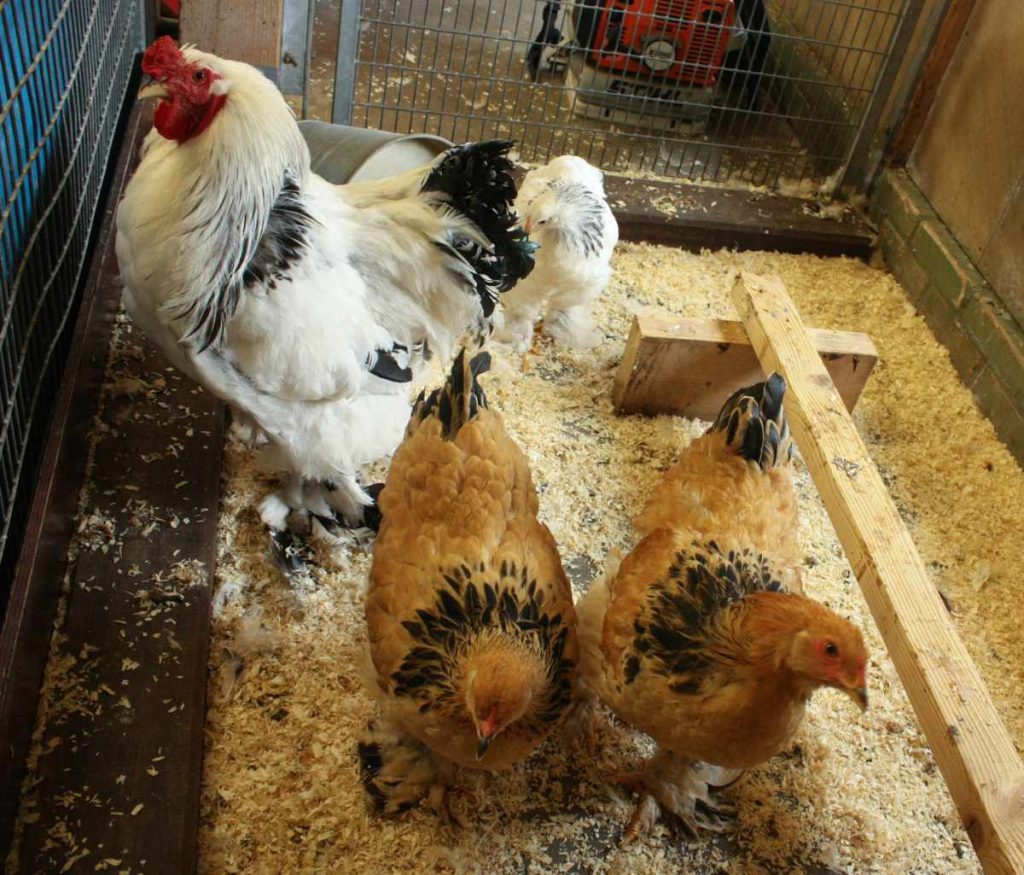
Keeping a flock calm isn’t a one-time fix—it’s a combination of good management and observant care.
Here’s what helps long-term:
- Give plenty of space
- Keep the coop clean and well-ventilated
- Provide boredom busters
- Ensure good nutrition
- Perform weekly health checks
- Add new birds properly
- Rotate chickens outdoors when possible
A well-cared-for flock rarely develops serious pecking issues.
Check this: How to Help My Chickens Grow Feathers Back?
Conclusion
While some pecking is normal, aggressive or repeated feather pecking requires immediate attention.
By taking action early and understanding your chickens’ needs, you can create a stress-free, healthy, and peaceful environment for your birds.
A calm flock is a happy flock—and a happy flock gives you beautiful eggs, lively personalities, and the joy of keeping chickens without daily worries.

Khaja Moinuddin, a computer science graduate, finds joy in gardening and homesteading. Join him on this blog as he shares his experiences in homesteading, gardening, and composting