If you’re looking to add bold and vibrant hues to your living space, then welcome to Pink Princess Philodendron club.
Prominent for its blushing pink color, this houseplant needs extra care, proper light and right humidity to thrive.
Unlike regular green philodendrons, the Pink Princess plant deserves the royal attention, due to its vivid and variegated leaves.
It needs brighter light, careful watering, and a little understanding of how the pink coloring works. But don’t worry — once you learn what it likes, it’s pretty easy to care for.
In this guide, you’ll find simple, beginner-friendly tips to help your Pink Princess stay healthy, happy, and beautifully pink.
Know About the Pink Princess Philodendron

The Pink Princess Philodendron was first introduced to collectors in the late 20th century as a rare variegated form of Philodendron erubescens.
Its natural pink variegation (not dyed or genetically modified) quickly made it one of the most sought-after houseplants in the world.
- Light: Bright, indirect light is essential to maintain strong pink variegation and prevent the leaves from turning mostly green.
- Water: Water only when the top 1–2 inches of soil feel dry, as overwatering can quickly lead to root rot.
- Soil: Use a well-draining, airy mix with peat, perlite, and orchid bark to keep roots healthy and oxygenated.
- Humidity: Prefers moderate to high humidity (around 60% or more) for best leaf growth and color.
- Temperature: Thrives in warm indoor temperatures between 18–27°C and should be protected from cold drafts.
- Support: Benefits from a moss pole or stake since it is a climbing plant and grows larger leaves when supported.
- Pruning: Trim overly green or weak stems occasionally to encourage balanced variegated growth.
How to Care for the Pink Princess Philodendron?
Caring for a Pink Princess Philodendron isn’t difficult, but it does need a little more attention than your average houseplant.
Once you understand its basic needs, keeping it healthy and beautifully pink becomes much easier.
Light Requirement of Pink Princess Philodendron
If you want those soft pink splashes to really pop, giving your Pink Princess the right light is the key. This isn’t a plant that enjoys dark corners — it truly does best in bright, indirect light.
Low light is one of the main reasons the pink starts fading. Since the pink parts of the leaves don’t produce energy like the green parts, the plant tries to survive by pushing out more green growth instead. Over time, you’ll notice less pink and smaller leaves if the lighting isn’t strong enough.
At the same time, harsh direct sunlight can scorch the leaves. Too much sun may cause brown, crispy patches or faded, bleached areas, especially on the pink sections which are more delicate.
A spot near an east-facing window is usually perfect. South-facing windows also work well if you use sheer curtains to soften the sunlight.
If you see leggy stems and dull leaves, it likely needs more light. But if the leaves look burnt or dry around the edges, it’s getting too much. Adjust slowly, and your Pink Princess will reward you with brighter, healthier variegation.
Also Read: 17 Good Luck Indoor Plants for Home
Watering
Watering your Pink Princess the right way makes a big difference in how healthy it looks. It doesn’t like to sit in soggy soil, but it also doesn’t enjoy drying out for too long.
- A simple rule to follow is the top 1–2 inches dry rule. Stick your finger into the soil, and if the top layer feels dry, it’s time to water.
- If it still feels moist, wait a few more days. This helps prevent watering too often.
- Overwatering is one of the biggest problems with this plant. Constantly wet soil can lead to root rot, which causes yellowing leaves, mushy stems, and a weak-looking plant.
- Good drainage holes at the bottom of the pot are very important so extra water can escape easily.
On the other hand, underwatering can make the leaves droop, curl, or feel thin and papery. The soil may also pull away from the sides of the pot when it gets too dry.
Watering needs can change with the seasons. In warmer months, your plant may need water more often because it’s actively growing.
During winter, growth slows down, so you’ll likely water less frequently. Always adjust based on how quickly the soil dries, not on a fixed schedule.
Best Soil Mix for Pink Princess
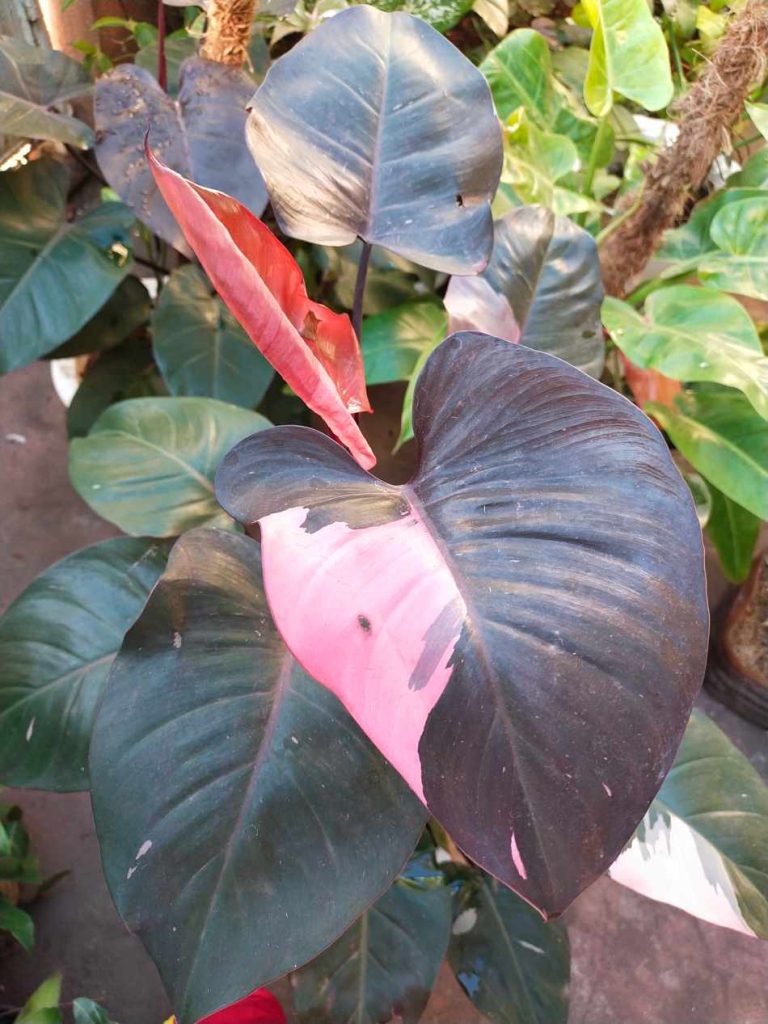
The Pink Princess doesn’t like heavy, compact soil that stays wet for too long. It grows best in a well-draining, airy mix that allows the roots to breathe and dry out slightly between waterings.
A good mix usually includes regular potting soil as the base, perlite for better drainage, orchid bark to create air pockets, and a bit of coco coir to hold just enough moisture without becoming soggy. This combination keeps the balance between moisture and airflow.
Why Chunky Mix Prevents Root Rot?
A chunky soil mix creates small gaps between particles, which improves airflow around the roots. When roots can breathe properly and excess water drains quickly, the risk of root rot becomes much lower.
Instead of sitting in wet soil, the roots stay healthy, firm, and active — exactly what your Pink Princess needs to grow strong and vibrant.
Check this: 29 Easy Plants to Propagate from Cuttings
Humidity & Temperature Needs
The Pink Princess loves a warm and slightly humid environment. It grows best when humidity stays around 60% or higher, which helps the leaves stay soft, smooth, and vibrant.
- In low humidity, you may notice brown edges, crispy tips, or slower growth. The pink parts can look dull, and new leaves may come out smaller than usual.
- Dry indoor air, especially during winter, can stress the plant over time.
- To increase humidity, you can place the pot on a pebble tray filled with water (just make sure the pot isn’t sitting directly in water).
- Using a humidifier nearby is one of the most effective options, especially in dry climates.
- You can also try grouping plants together, as they naturally release moisture and create a slightly humid micro-environment.
As for temperature, this plant prefers a warm range between 65–80F. It doesn’t tolerate cold drafts, sudden temperature drops, or air blowing directly from heaters and AC vents, so keep it in a stable indoor spot.
Fertilizing
During the active growing season in spring and summer, your Pink Princess benefits from regular feeding. This is when it produces new leaves and stronger variegation.
- Use a balanced liquid fertilizer, diluted to half strength to avoid overwhelming the roots.
- Feeding once every 4 weeks is usually enough to support healthy growth without overdoing it.
- Too much fertilizer can cause salt buildup in the soil, leading to brown leaf tips or burnt roots.
- If you ever notice white crust on the soil surface, it may be time to flush the pot with clean water.
In fall and winter, growth slows down, so reduce feeding or stop completely. The plant doesn’t need much extra nutrition during this resting phase, and over-fertilizing in winter can do more harm than good.
Pruning & Maintaining Variegation
Pruning your Pink Princess isn’t just about keeping it neat — it also helps the plant grow fuller and maintain that beautiful pink pattern. Regular trimming encourages bushier growth instead of long, thin stems.
- If you notice leggy stems with large gaps between leaves, it’s usually a sign the plant needs pruning (and possibly more light).
- Trim just above a node, and new growth will often branch out from that point, making the plant look thicker and healthier.
- Sometimes, the plant may start producing fully green leaves. This happens because green leaves contain more chlorophyll, which helps the plant make energy faster.
- When this happens, prune back to the last leaf that showed strong variegation. This gives you a better chance of restoring balanced pink growth.
Reverting variegation simply means the plant is shifting back to mostly green leaves. It’s usually triggered by low light or natural growth patterns.
Giving brighter indirect light and selective pruning can help maintain that signature pink-and-green contrast.
Check this: 11 Common Jade Plant Problems
Supporting Your Pink Princess (Climbing Habit)
The Pink Princess is naturally a climbing plant, not a trailing one. In its natural environment, it grows upward along trees, which is why giving it support indoors makes such a big difference.
- Adding a moss pole helps the plant grow stronger and more upright. It also gives the aerial roots something to attach to, which encourages healthier and more stable growth.
- When supported properly, the plant often produces larger and more mature leaves.
- To train it upward, gently tie the stems to the moss pole using soft plant ties.
- As new growth appears, continue securing it loosely so it can climb naturally. Keep the moss pole slightly moist if possible, since aerial roots attach better to a damp surface.
Climbing doesn’t just improve appearance — it can actually increase leaf size.
When the plant grows vertically like it would in nature, it focuses energy on producing bigger, more dramatic foliage.
Repotting
Like most houseplants, the Pink Princess doesn’t need frequent repotting, but it does outgrow its pot over time.
- On average, repotting every 1–2 years is usually enough.
- Signs that your plant is root-bound include roots growing out of drainage holes, soil drying out very quickly after watering, or slowed growth even during the growing season.
- If you gently slide the plant out and see tightly packed roots circling the pot, it’s time.
- Choose a pot that is only 1–2 inches larger than the current one. Going too big can cause the soil to stay wet longer than needed, increasing the risk of root rot.
The best time to repot is during spring or early summer when the plant is actively growing. This helps it recover faster and adjust smoothly to its new container.
Also Read: 15 Pothos Companion Plants
Common Problems & Solutions
- Yellow leaves: Often caused by overwatering or poor drainage, so check the soil moisture and make sure excess water can escape easily.
- Brown crispy edges: Usually a sign of low humidity, underwatering, or too much direct sunlight hitting the leaves.
- Pink fading: Happens when the plant isn’t getting enough bright, indirect light, causing it to produce more green growth instead.
- Root rot: Caused by constantly soggy soil, leading to mushy roots and a weak plant — trim damaged roots and repot in fresh, airy mix.
- Pest issues (spider mites, mealybugs): These pests can appear in dry conditions, so inspect leaves regularly and treat early with neem oil or insecticidal soap.
Is Pink Princess Toxic?
- Toxic to pets: The plant contains calcium oxalate crystals, which can cause irritation if chewed or swallowed.
- Keep away from cats and dogs: Place it out of reach of curious pets to avoid mouth irritation, drooling, or digestive discomfort.
Propagating Pink Princess Philodendron
The easiest way to propagate your Pink Princess is through stem cuttings. Make sure each cutting has at least one healthy node, since that’s where new roots and leaves will grow from.
You can root the cutting in water or directly in soil.
Water propagation lets you see the roots forming, while soil propagation helps the plant adjust faster to its growing medium.
Roots usually start developing within 2–4 weeks if kept in warm, bright indirect light.
Once the roots are a few inches long, you can plant the cutting in a well-draining mix and care for it like a mature plant.
Also Read: How to Propagate Bee Balm?
Conclusion
Your Pink Princess grows best in bright, indirect light, which keeps the pink variegation strong and the growth steady. Without enough light, the leaves may turn more green and lose their vibrant contrast.
Water only when the top 1–2 inches of soil feel dry, and always use a pot with proper drainage holes. A well-draining, airy mix with potting soil, perlite, and orchid bark keeps the roots healthy and prevents rot.
Maintain humidity around 60% or higher to avoid brown edges and smaller leaves. Feed with a balanced liquid fertilizer once a month in spring and summer, and reduce feeding during winter.

Khaja Moinuddin, a computer science graduate, finds joy in gardening and homesteading. Join him on this blog as he shares his experiences in homesteading, gardening, and composting