Having homegrown veggies on your dinner table brings a kind of happiness, the sense of accomplishment and that little spark of pride knowing you grew them can’t be compared to anything in the world.
That’s exactly why seeds, seedlings, and even bags of soil feel extra special to every gardener — they’re not just supplies, they’re the beginning of something you’ll love watching grow.
As plants heavily rely on climate, growing your veggies in a greenhouse can extend the growing season and avoid extreme weather conditions.
Starting simple is the key to success in greenhouse gardening. Unlike outdoor gardening, you have to get equipment, build your greenhouse and regularly monitor plant requirements.
What You Need to Start a Simple DIY Greenhouse?

To start growing vegetables in a greenhouse you need to have a simple frame made of PVC pipes, wood, or old windows.
You’ll also need a clear plastic cover, a few shelves or crates, seed trays, and basic tools like a thermometer, watering can, and a small fan for airflow.
If your greenhouse doesn’t get enough natural sunlight, adding an inexpensive grow light helps keep your plants happy.
With these easy, budget-friendly items, you can build a functional little greenhouse right at home.
Best Time to Start Growing Vegetables in a Greenhouse
Late winter to early spring is the best time to grow vegetables in a greenhouse, as the outdoor temperatures are still too cold for young plants, but the greenhouse stays warm enough to give your seeds a comfortable head start.
You can also make great use of your greenhouse in the fall. Cool-season veggies like lettuce, spinach, and radishes thrive when the weather begins to drop, letting you enjoy fresh produce long after the main garden slows down.
In many climates, a simple greenhouse setup can stretch your growing season by weeks, sometimes even months. It protects young seedlings from frost and gives them a strong start before moving them outdoors.
If your greenhouse is heated or well-insulated, you’re not limited by the seasons at all. With steady temperatures and decent light, you can keep herbs, leafy greens, and hardy veggies growing almost any time of year.
9 Tips for Growing Vegetables in a Greenhouse
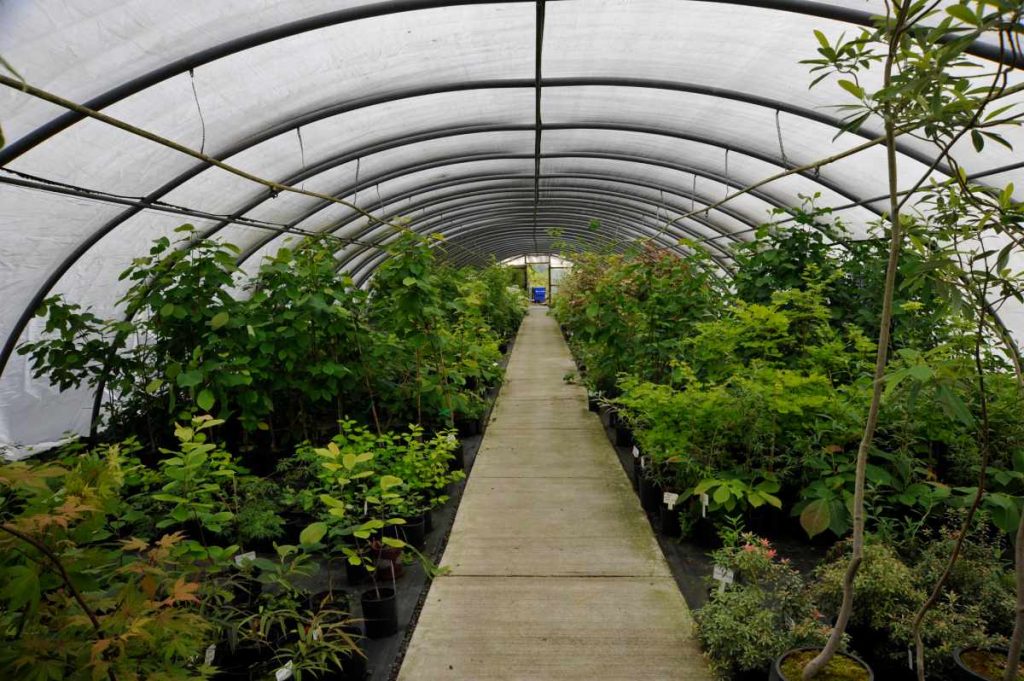
Greenhouse gardening is all about controlling temperature, light, and airflow, and even a small mistake in these areas can throw your plants off balance.
When any one of these factors goes wrong, your veggies can quickly suffer, making it crucial to get the basics right from the start.
1. Keep the Temperature Stable
Temperature is the backbone of successful greenhouse gardening. When the space gets too hot or too cold, your vegetables react immediately—wilting, stalling, or dropping leaves.
Greenhouses naturally trap heat, so things warm up fast on sunny days. Cracking open vents or windows helps release that built-up heat and keeps plants comfortable.
For chilly nights, consider adding thermal mass like water barrels, bricks, or stones. They absorb warmth during the day and release it slowly overnight, helping maintain a steady climate without relying too heavily on heaters.
2. Give Your Plants Enough Light
Light is fuel for vegetables, and in a greenhouse, you get to control how much they receive. Place the structure in a sunny spot, ideally south-facing, so your plants enjoy the strongest daylight possible.
Over time, dust, algae, or pollen can settle on the plastic or glass and block light, so give the panels a quick wash occasionally to keep things bright inside.
During winter or cloudy weeks, natural light may not be enough. That’s when a simple grow light comes in handy—especially for seedlings and leafy greens that need extra support.
Also Read: How to Keep a Greenhouse Warm in Winter?
3. Water Smartly, Not Randomly
Plants inside a greenhouse don’t face strong winds or blazing sun, which means they don’t dry out as quickly as outdoor plants.
Before watering, stick your finger into the soil and check for moisture. If it feels slightly damp, wait another day. Consistently soggy soil leads to root rot, fungus, and slow growth.
Try watering early in the morning. This gives any splashed water on leaves enough time to dry during the day, keeping fungal problems at bay.
4. Ventilate for Healthy Airflow
Good airflow is essential in a greenhouse. Without it, humidity rises, and diseases like mildew find a perfect place to spread.
A simple daily routine of opening doors or roof vents helps your plants breathe better. It also prevents that heavy, stale air that builds up in closed spaces.
Adding a small oscillating fan can make a world of difference. It moves air evenly throughout the greenhouse and keeps hot spots from forming.
5. Feed Your Plants Regularly
Vegetables grow vigorously under greenhouse conditions, which means they use up nutrients much faster.
A steady feeding routine—whether compost tea, organic fertilizer, or a balanced plant food—keeps them lush and productive.
If you’re growing in containers, nutrients wash out sooner than garden soil. Make sure to fertilize lightly but consistently to keep everything thriving.
6. Use Raised Beds or Containers
Raised beds and containers warm up faster in early spring and drain better, both of which are big advantages inside a greenhouse.
They also let you control soil mix, ensuring rich, well-drained growing conditions perfect for veggies.
Plus, organizing your greenhouse becomes easier. Beds can sit along the sides, while containers fill gaps or move around as needed to maximize space.
7. Choose Veggies That Love Greenhouses
Some vegetables are practically made for greenhouse growing.
Tomatoes, cucumbers, peppers, basil, lettuce, spinach, and herbs love the controlled warmth and reward you with bigger, healthier harvests.
Mix quick producers like lettuce with slower crops like tomatoes. This helps you use your greenhouse space wisely and enjoy a steady supply of fresh vegetables.
8. Watch for Pests—even in a Greenhouse
Even though a greenhouse is enclosed, pests are sneaky. They can enter through vents, tiny gaps, or even hitch a ride on new plants or soil.
Take a few seconds each day to scan leaves—especially the undersides—for aphids, whiteflies, or tiny black fungus gnats.
Use sticky traps to monitor pest levels. Natural sprays like neem oil or insecticidal soap help keep infestations under control without harming your plants.
9. Keep the Inside Organized
An organized greenhouse works better, feels better, and even looks better.
Use shelves for pots, hooks for tools, and trays to catch water mess. When everything has a place, your gardening routine becomes faster and far less stressful.
A neat layout also improves airflow and reduces clutter, making it harder for pests and diseases to hide. Plus, you’ll enjoy spending time in your greenhouse when it’s tidy and welcoming.
Also Read: 36 Vegetables You Can Plant in January for Spring Harvest
10 Vegetables that Thrive in a Greenhouse

1. Tomatoes
Tomatoes absolutely love the warmth of a greenhouse, making them one of the easiest and most productive crops to grow. They thrive at temperatures between 70–80°F with plenty of sunlight and consistent watering.
They need good airflow, support stakes or cages, and regular pruning to keep plants healthy and fruiting well through spring, summer, and even fall.
2. Cucumbers
Cucumbers grow beautifully in greenhouse conditions because they enjoy warm, humid environments. Ideally, keep temperatures between 65–75°F with evenly moist soil.
They require vertical trellising to climb and plenty of airflow to prevent mildew. Plant them in spring or early summer for the best harvests.
3. Bell Peppers
Greenhouses offer peppers the stable warmth they need, with ideal temperatures around 70–85°F during the day. They love bright light and slow, deep watering.
Peppers need slightly humid conditions and nutrient-rich soil. Start them in late winter or early spring for continuous production into fall.
4. Lettuce
Lettuce thrives in cooler greenhouse zones, preferring temperatures between 50–70°F. It grows quickly and doesn’t need too much light compared to warm-season veggies.
It requires consistent moisture and partial shade during hotter months. Grow lettuce easily in spring, fall, and winter inside your greenhouse.
5. Spinach
Spinach loves greenhouse protection because it dislikes harsh sun and fluctuating weather. It prefers temperatures around 45–65°F with moist, rich soil.
This leafy green bolts in heat, so give it shade during warm spells. It grows best in late winter, early spring, and fall.
6. Basil
Basil thrives when warm and sheltered, making a greenhouse perfect for keeping it leafy and fragrant. It enjoys 70–80°F and plenty of sunlight.
This herb needs well-drained soil, regular harvesting, and protection from cold drafts. Start basil in spring and enjoy continuous harvests through summer.
7. Carrots
Carrots grow well in greenhouses when planted in deep, loose, stone-free soil. They prefer cooler temperatures around 55–70°F, especially while germinating.
They require consistent moisture and gentle thinning to prevent overcrowding. Plant carrots in early spring or fall for sweet, crisp roots.
8. Zucchini
Zucchini grows fast and vigorously inside a greenhouse because it enjoys warmth and humidity. Keep temperatures around 70–85°F and water deeply at the base.
Give the plant plenty of space and ventilation to avoid powdery mildew. It performs best when planted in late spring or early summer.
9. Green Beans
Bush and pole beans both love warm greenhouse temperatures between 70–80°F and full sun exposure. They grow quickly and produce generous yields.
Pole beans need sturdy trellises, while bush types require rich soil and steady watering. Plant beans in spring or early summer for continuous picking.
10. Radishes
Radishes mature quickly and do extremely well in greenhouse conditions. They prefer 50–70°F, making them perfect for cooler months.
They need loose soil and regular watering to avoid splitting. Grow radishes in spring, fall, or even winter for constant crunchy harvests.
Also Read: 27 Vegetables to Grow Indoors in the Winter
Conclusion
Growing vegetables in a greenhouse opens up a whole new world of possibilities for gardeners.
With the right conditions and a little extra care, you can enjoy fresher, healthier harvests no matter the season. From heat-loving tomatoes to cool-weather greens, each veggie finds its perfect spot inside this protected space.
Once you understand what each plant needs, a greenhouse becomes more than just a structure—it becomes your most reliable growing partner all year long.

Khaja Moinuddin, a computer science graduate, finds joy in gardening and homesteading. Join him on this blog as he shares his experiences in homesteading, gardening, and composting