Having greenery around you has a positive impact on your mental health. It improves productivity and enhances performances.
But, can indoor plants bring happiness or fortune to you?
There is no scientific evidence to back this claim. It’s a cultural and traditional belief that certain plants attract luck or wealth rather than proven scientific research.
However, caring for plants can create a sense of calm, purpose, and satisfaction, which may make people feel happier and more optimistic in daily life.
In this way, plants may not change one’s fortune directly, but they can positively influence mood and outlook, which often shapes how we experience “luck.”
17 Good Luck Indoor Plants for Home
Bringing plants into your home is not just about decoration—it’s about creating a space that feels calm, positive, and full of life.
Many indoor plants are believed to attract good luck and prosperity while also making your home look greener and more welcoming.
1. Money Plant

The money plant is a popular indoor vine with shiny, heart-shaped green leaves often streaked with yellow or light green. It grows quickly and spreads beautifully, making it one of the easiest houseplants to keep.
This plant instantly makes a space feel fresher and more alive with its long, trailing vines. It looks great on shelves, windowsills, or in hanging pots where the leaves can flow down naturally and soften the look of a room.
Money plants grow well in bright, indirect light but can also handle low light without much trouble. Water it when the top soil feels dry, and keep it in well-drained soil for healthy growth.
Check this: 15 Pothos Companion Plants
2. Lucky Bamboo (Dracaena sanderiana)
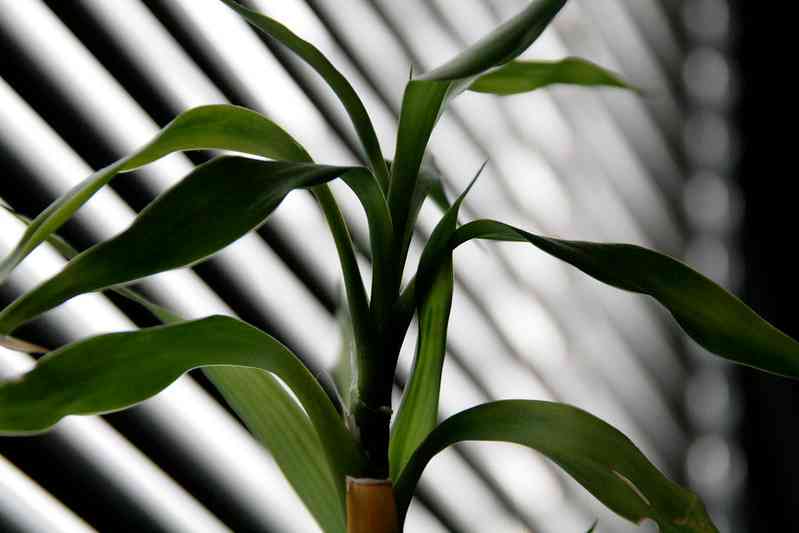
Slim green stalks with soft, narrow leaves growing from the top give Lucky Bamboo its simple, elegant look. It’s often shaped into spirals or tied in clusters for decorative meaning.
Because of its clean lines and upright growth, Lucky Bamboo fits perfectly into modern and minimal interiors. It brings a calm, zen-like feel to desks, corners, and tabletops without taking up much space.
It grows well in water or soil and prefers bright, indirect light. Change the water regularly if kept in a vase, and avoid placing it in harsh sunlight to keep the leaves from turning yellow.
3. Jade Plant

The jade plant has thick, round, coin-shaped leaves that store water and give it a sturdy, healthy appearance. Its deep green leaves sometimes develop red edges in good light.
This plant adds a strong, structured look to rooms and is often placed near entrances or windows for a balanced, natural touch. Its compact shape makes it perfect for small pots and office desks.
Jade plants love bright light and only need watering when the soil is completely dry. They prefer well-drained soil and do best in warm indoor conditions with good air circulation.
4. Snake Plant

Long, upright leaves with green and yellow patterns give the snake plant a bold and striking look. Its stiff, sword-like foliage makes it stand out among softer plants.
It instantly adds a modern and stylish feel to any room, especially living rooms and bedrooms. The vertical shape helps fill empty corners and makes spaces look more organized and fresh.
Snake plants thrive in low to bright indirect light and need very little water. Let the soil dry out between watering, as overwatering is the only thing that really harms it.
5. Peace Lily

Peace lilies have dark green leaves and beautiful white, sail-shaped flowers that bloom above the foliage. The contrast between the leaves and flowers gives it a graceful appearance.
This plant brings a soft, calming beauty to indoor spaces and looks especially lovely on side tables or near windows. Its flowers add brightness and make rooms feel more welcoming.
Peace lilies prefer medium to low light and slightly moist soil. Water when the leaves begin to droop a little, and keep it away from direct sunlight for best growth.
6. Areca Palm

Tall, feathery fronds and soft green leaflets give the areca palm a light and breezy look. It feels more like a tiny indoor tree than a regular houseplant.
This plant instantly makes a room feel open and tropical, like you brought a bit of vacation indoors. It works beautifully in living rooms and empty corners where you want height and softness at the same time.
Areca palms like bright, indirect light and evenly moist soil. Water when the topsoil feels dry and keep it away from cold drafts for best growth.
Also Read: 14 Cold Hardy Succulents that Can Survive Winter
7. Rubber Plant

Big, bold, shiny leaves are what make the rubber plant stand out. Its thick foliage gives it a strong and confident presence in any space.
If you want a plant that feels stylish and modern, this one does the job. It looks amazing in simple pots and becomes a natural statement piece in offices or living rooms.
Rubber plants enjoy bright, indirect light and need watering only when the soil dries slightly. Too much water can cause leaf drop, so keep things moderate.
8. Holy Basil

Tulsi has small, fragrant green leaves and a fresh herbal smell that’s easy to recognize. It’s known more for its meaning than its size.
This plant adds a peaceful and traditional touch to balconies and kitchen windows. Many people love how it makes the home feel cleaner and more positive.
Tulsi needs plenty of sunlight and regular watering. It grows best in warm spots with good airflow and slightly moist soil.
9. Chinese Evergreen (Aglaonema)

Chinese evergreen shows off patterned leaves in shades of green, silver, and sometimes pink. The leaves are wide and grow in a neat, bushy shape.
It’s perfect for adding color without flowers and looks great on tables or shelves. The mix of leaf patterns makes any dull corner feel more lively and decorative.
This plant does well in low to medium light and doesn’t need frequent watering. Let the soil dry a bit between watering and avoid direct sunlight.
10. Orchid

Orchids have long, smooth leaves and elegant flowers that bloom in many colors. The flowers last a long time and look very graceful.
They bring a classy, luxury feel to indoor spaces and instantly upgrade the look of a room. Even one orchid on a table can feel like a piece of living art.
Orchids like bright, indirect light and good air circulation. Water them lightly once a week and make sure the roots are not sitting in water.
Also Read: 20 Orchid Terrarium Ideas to Try at Home
11. Money Tree (Pachira aquatica)
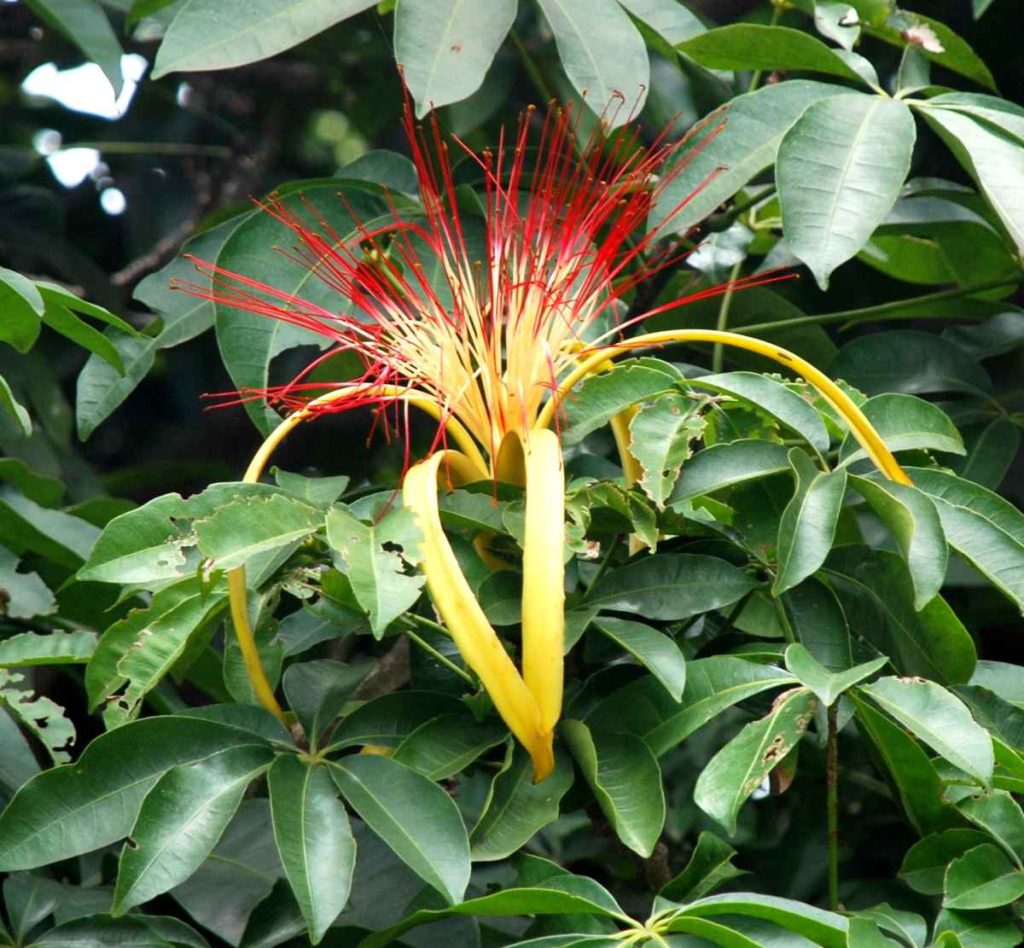
Braided trunk, shiny hand-shaped leaves that spread out like little green stars. It has a neat, sculpted look that feels both natural and decorative.
This plant feels like a living décor. It adds a calm, balanced vibe to rooms and works great near doors, desks, or in bright corners. Even without flowers, it looks stylish and intentional—like you planned your interior design.
Give it bright, indirect light and water only when the top soil dries out. It prefers well-drained soil and a warm spot away from cold air or harsh sunlight. Low drama, steady growth.
12. Aloe Vera

- What it’s like: Aloe Vera has thick, pointed green leaves filled with cooling gel and tiny teeth along the edges. It looks bold and spiky but still feels calm and natural.
- Why it looks good: Its clean shape makes it a great fit for modern spaces. On a windowsill or desk, it adds a fresh green touch without taking over the room. It looks neat even with very little effort.
- How to grow: Aloe loves bright sunlight and dry soil. Keep it near a sunny window and water only when the soil is completely dry. Too much water is the main thing that can harm this plant.
Check this: 9 Aloe Vera Growing Mistakes That Are Killing Your Plant
13. Chrysanthemum

You’ll notice its soft green leaves first, then the burst of colorful flowers that feel cheerful and full of life. It’s often linked with happiness and positive energy in many cultures.
Placed in a room, chrysanthemums feel like a natural mood booster. Their bright blooms make spaces feel warm, welcoming, and less dull.
They grow best in bright light with regular watering. Keep the soil slightly moist and place them where they get good airflow and sunlight.
Also Read: How to Keep Chrysanthemums Blooming?
14. Bonsai Tree
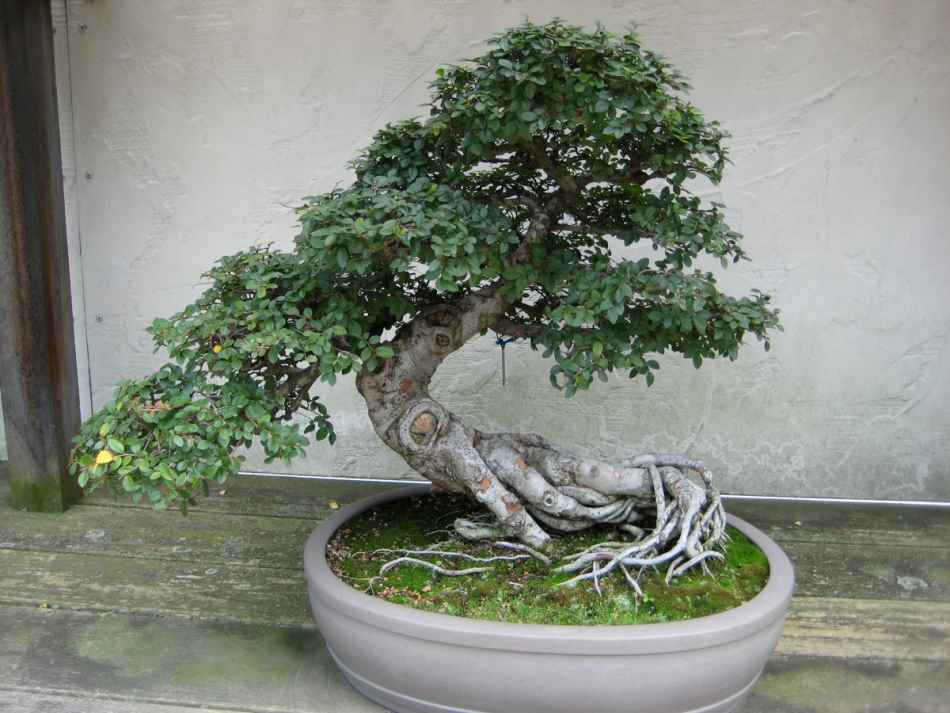
What does it look like?
A tiny tree with small, shaped leaves and a thick miniature trunk.
Why is it decorative?
It feels like having a piece of nature’s art indoors and brings a calm, balanced look to tables and shelves.
How do you care for it?
Give it bright light, water when the soil starts to dry, and trim it occasionally to keep its shape.
15. Philodendron

- What it’s like: Philodendron has big, soft, heart-shaped leaves that grow on long trailing or climbing stems. The leaves are usually deep green and feel smooth and healthy to the touch.
- Why it looks good: Its flowing vines make a room feel cozy and full of life. It’s perfect for shelves, hanging baskets, or corners where you want something green to gently spill down and soften the space.
- How to grow: Philodendrons prefer medium to bright indirect light and slightly moist soil. Water when the top layer of soil feels dry and keep it away from strong direct sunlight.
Also Read: Top 10 Highest Oxygen Producing Indoor Plants
16. Kalanchoe

Kalanchoe is a small flowering houseplant with thick, fleshy green leaves and clusters of bright blooms in shades of red, pink, yellow, and orange. Its compact size and long-lasting flowers make it a popular indoor plant linked with joy and good fortune.
This plant adds a cheerful and colorful touch to indoor spaces. It looks great on coffee tables, window sills, and office desks where a little color can make the area feel more lively and welcoming.
Kalanchoe grows best in bright light and warm conditions. It prefers well-drained soil and light watering, allowing the soil to dry between watering sessions. Too much water can damage its roots.
17. Lotus Plant (Indoor Water Lotus / Water Lily type)
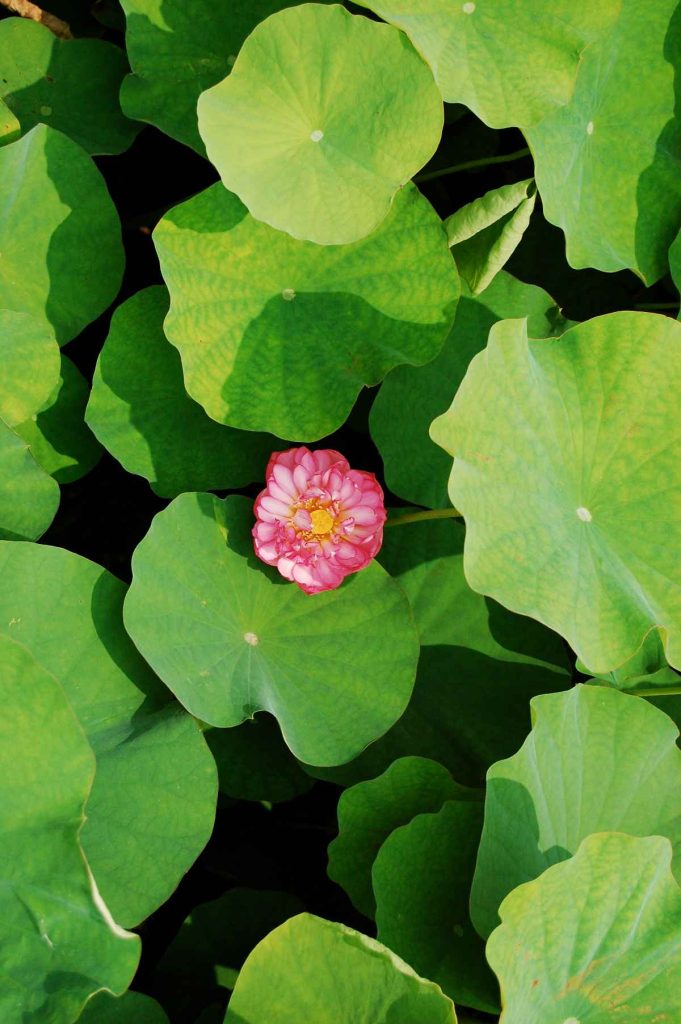
The lotus plant has round, flat green leaves and soft, elegant flowers that rise above the water surface. Its blooms are usually pink or white and are often associated with peace, purity, and good fortune in many cultures.
This plant brings a calm and graceful look to indoor areas. Placed near windows or entryways, it creates a peaceful atmosphere and becomes a natural focal point because of its unique growing style in water.
Lotus plants need bright sunlight and clean, still water to grow well. They should be planted in shallow containers with mud or aquatic soil and kept where they can receive several hours of sunlight each day.
Conclusion
Indoor plants may not have scientific proof of bringing luck or fortune, but they do bring something just as valuable—peace, beauty, and a sense of positivity into everyday life. Their fresh greenery can lift moods, reduce stress, and make a home feel more alive and comfortable.
Whether you believe in their symbolic meaning or simply enjoy their natural charm, these good luck plants are an easy way to add warmth and balance to your living space. With a little care, they reward you with healthier surroundings and a happier home atmosphere.

Khaja Moinuddin, a computer science graduate, finds joy in gardening and homesteading. Join him on this blog as he shares his experiences in homesteading, gardening, and composting