I’m a gardener, and I don’t want to sit idle for long. The moment I see an empty corner, I start thinking about what I can grow there.
That’s exactly how I ended up planting dahlias in a small, forgotten spot in my garden—no big plan, just a simple urge to make use of the space.
Before this, that corner was just where I tossed garden scraps and leftover soil. Nothing special. But once the dahlias started growing and blooming, it completely changed the feel of that area.
What used to be ignored is now one of the most eye-catching parts of my garden, adding color and a bit of life where there was none.
I also set up a simple compost bin nearby to collect those garden scraps, which I now turn into organic compost and feed back into the soil.
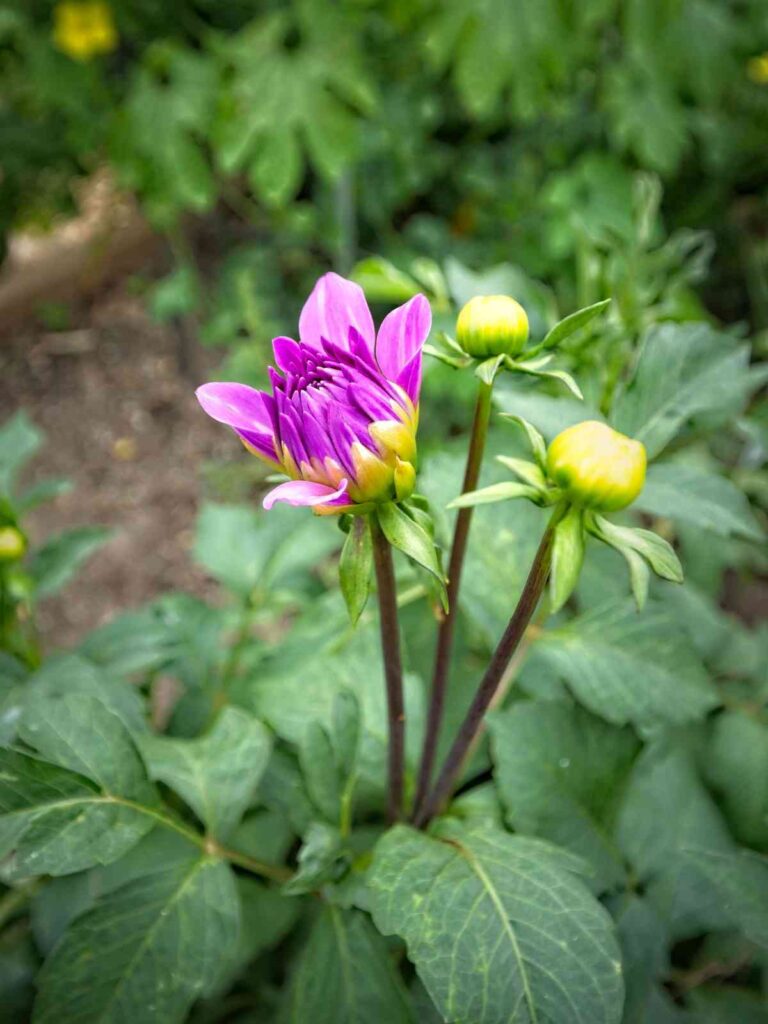
17 Dahlia Garden Ideas for Unused Space
If you’re planning to grow dahlias, starting from tubers is usually the best and easiest way. While you can grow them from seeds, tubers give you more reliable results, faster blooms, and the exact same variety as the parent plant.
Seeds can be a bit unpredictable, especially for beginners. So if you want a fuller, more consistent dahlia garden without too much guesswork, tubers are the way to go.
1. Turn an Unused Corner into a Dahlia Patch
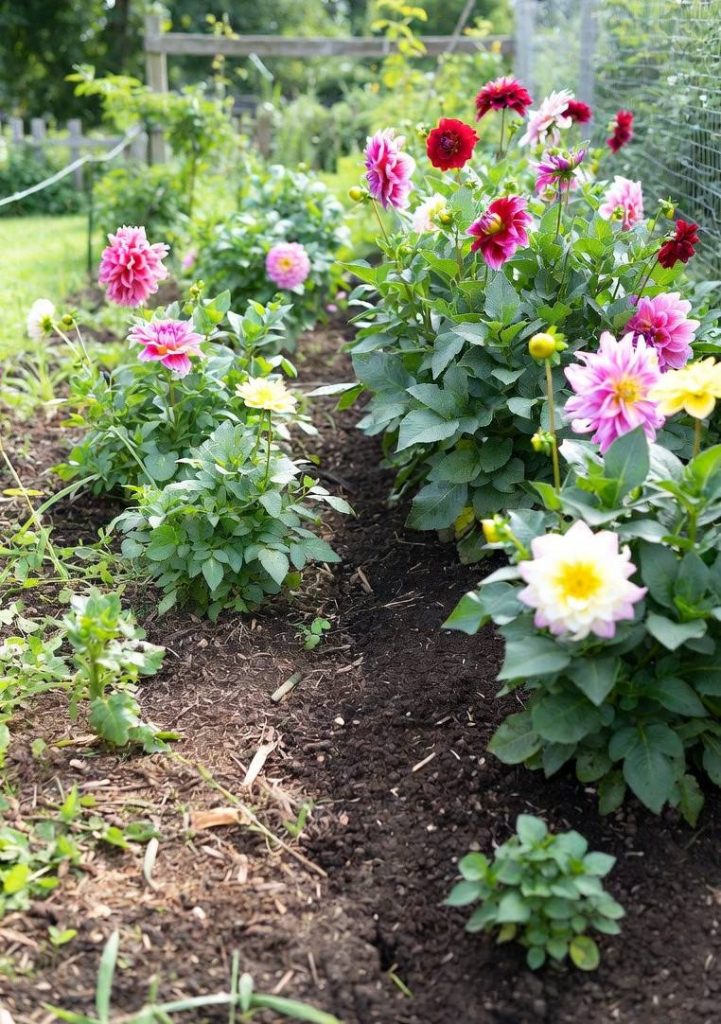
That little corner I was ignoring turned out to be the perfect place for dahlias. It doesn’t have to be a prime garden spot—just a place that gets a few hours of sunlight and has decent soil.
Dahlias are quite forgiving as long as they’re not sitting in soggy ground.
I started by clearing out the scraps, loosening the soil, and mixing in some homemade compost.
Then I planted a few dahlia tubers with enough space between them so they could spread out.
As they grew, the area slowly filled up with leaves and blooms, and within a few weeks, it didn’t look like a “leftover” space anymore—it felt like a proper part of the garden.
Also Read: 27 Spring Flower Garden Ideas
2. Grow Dahlias Along Garden Borders
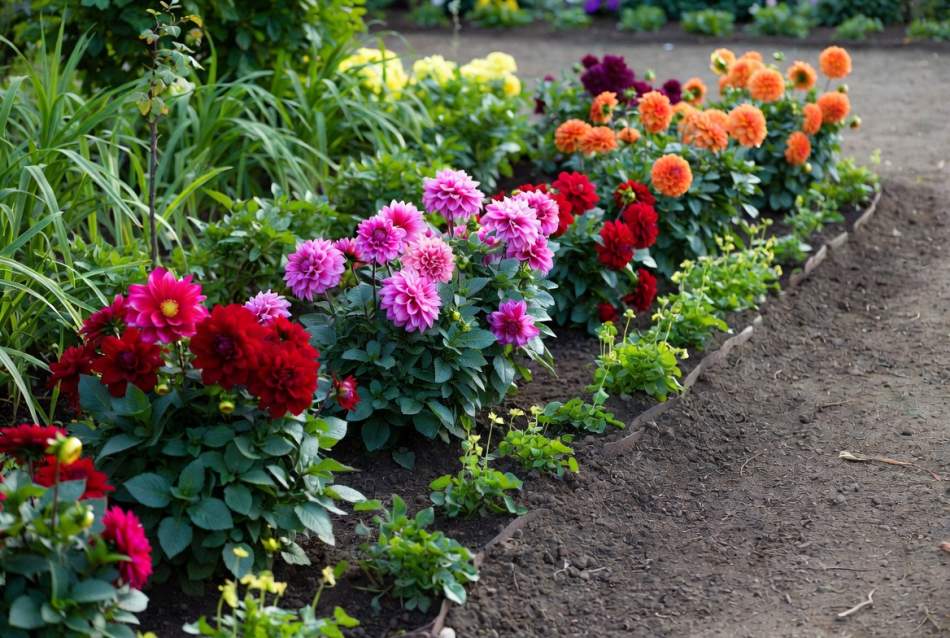
If you already have a garden bed, the border is one of the easiest places to add dahlias without changing your whole layout.
Taller varieties work well at the back, while shorter ones can sit neatly along the edge. This way, they don’t block other plants and still get enough sunlight to bloom properly.
One thing I noticed is that border planting also makes maintenance simpler. Watering, staking, and checking for pests becomes easier when everything is lined up instead of scattered around.
Plus, when dahlias bloom along the edges, they naturally frame your garden and make the whole space look more organized without much extra effort.
3. Use Containers for Flexible Dahlia Displays
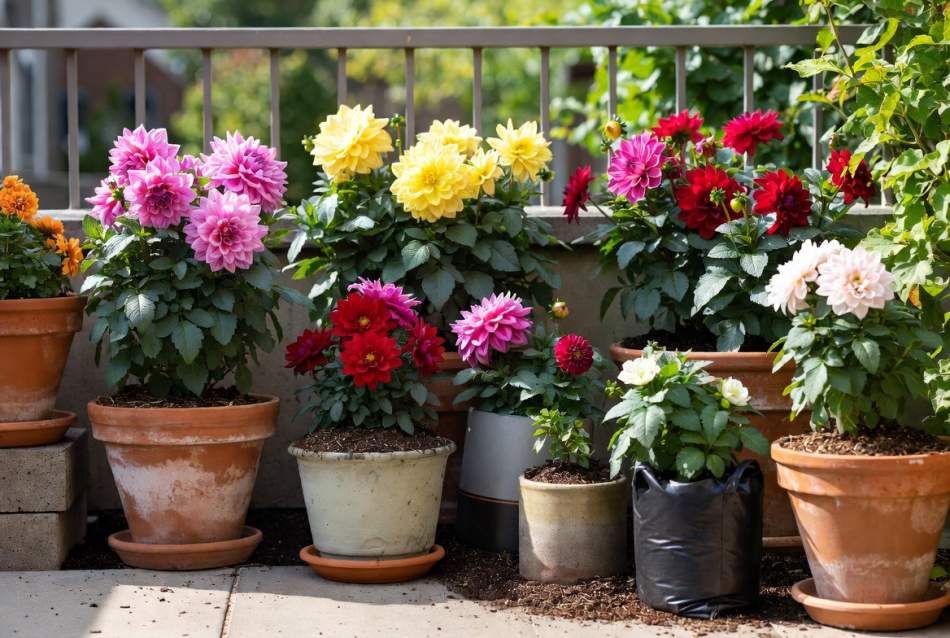
Not every space has to be dug up to grow dahlias. Containers are a great option, especially if you’re working with a small area, balcony, or just want to move plants around.
You can place them wherever there’s enough sunlight and even shift them as needed during the season.
The key is choosing a pot that’s deep enough and has good drainage. Dahlias don’t like sitting in water, so a loose soil mix with compost works best.
I like this method because it gives more control—if one spot isn’t working, you can simply move the container instead of starting over.
4. Create a Dahlia Focal Point
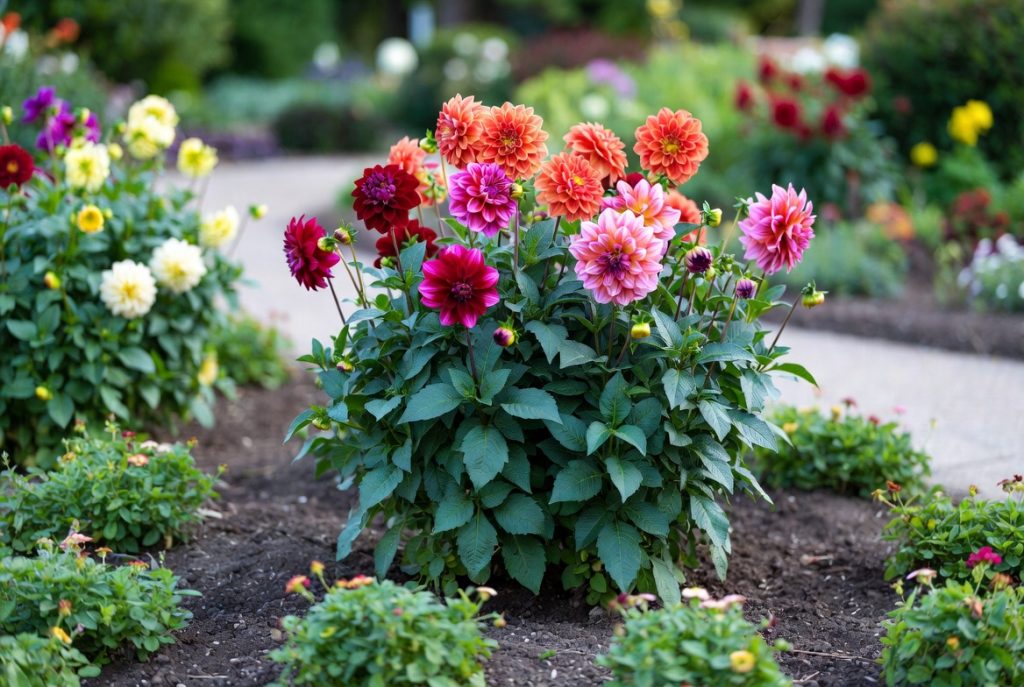
Sometimes all a garden needs is one spot that naturally draws attention. Dahlias are perfect for this because of their size and bold colors.
Instead of spreading them everywhere, you can plant a small group in one place to create a strong focal point—like the center of a bed or near an entrance.
I’ve found that grouping a few plants together makes a bigger impact than planting them one by one.
As they grow and bloom at the same time, the area starts to look full and intentional, almost like a planned display without actually putting in too much effort.
5. Mix Dahlias with Other Seasonal Flowers
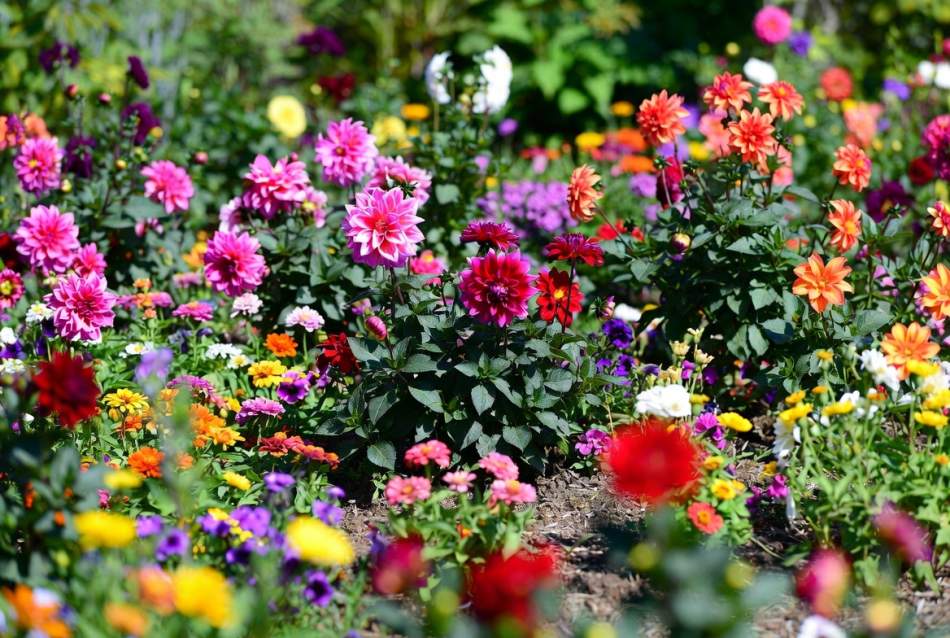
Dahlias don’t have to grow alone.
They pair really well with other seasonal flowers, especially ones that bloom at slightly different times. This way, your garden doesn’t go empty before or after dahlias start flowering.
You can combine them with marigolds, zinnias, or even some leafy plants to fill gaps.
This mix not only adds more color but also keeps the garden looking active throughout the season. It’s a simple way to make the most out of the same space without needing extra beds.
6. Line Dahlias Along Garden Paths
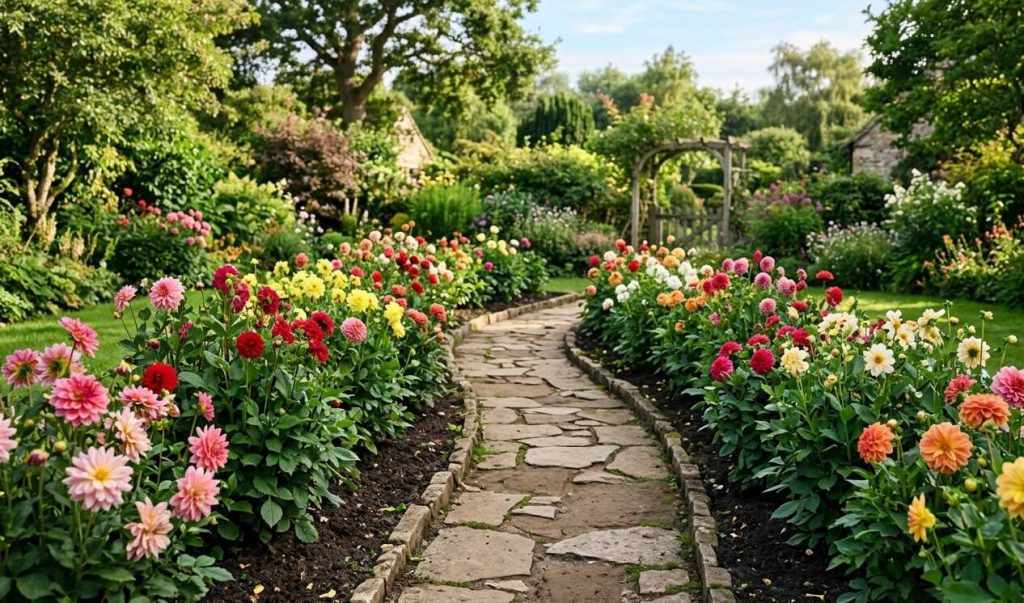
If you have a walkway or a simple path in your garden, planting dahlias along the sides can completely change how it looks.
Even a plain path starts to feel more lively when it’s lined with flowers on both sides. It’s a small change, but it makes a big difference when you walk through it every day.
Just make sure to leave enough space so the plants don’t spill over and block the path.
Medium-height varieties usually work best here. As they grow and bloom, the path starts to feel more like a planned garden feature rather than just a way to move around.
7. Grow Dahlias Near Fences or Walls
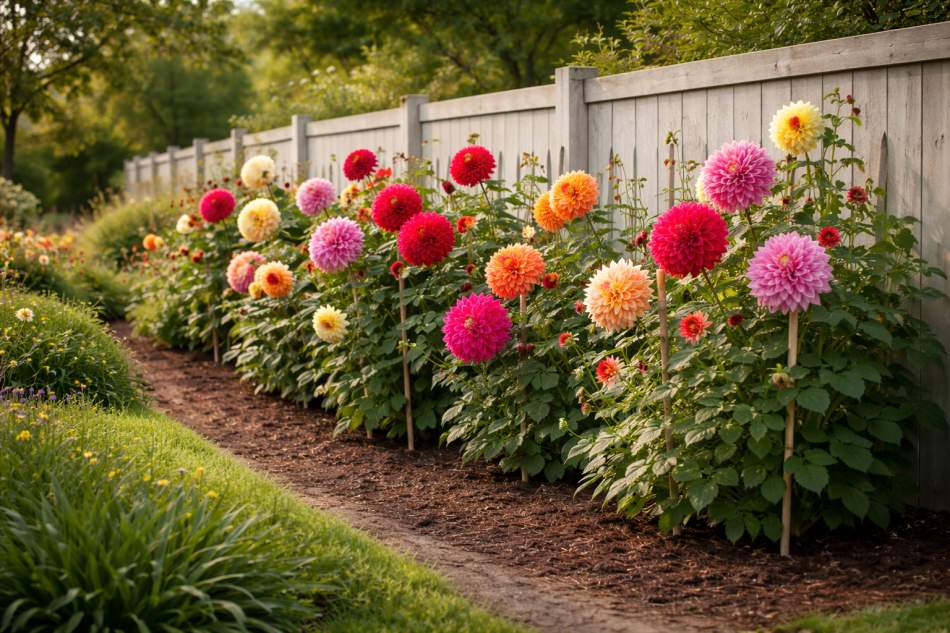
Empty fences and walls can look a bit dull, especially if nothing is growing around them. Dahlias are a simple way to fill that space without needing climbing plants. You can plant them a little away from the wall so they still get good airflow and sunlight.
This setup also makes it easier to support taller varieties, since you can tie them loosely to a fence if needed.
Over time, the plain background helps the dahlia blooms stand out even more, making the whole area look brighter and more finished.
8. Plant Dahlias in Raised Garden Beds
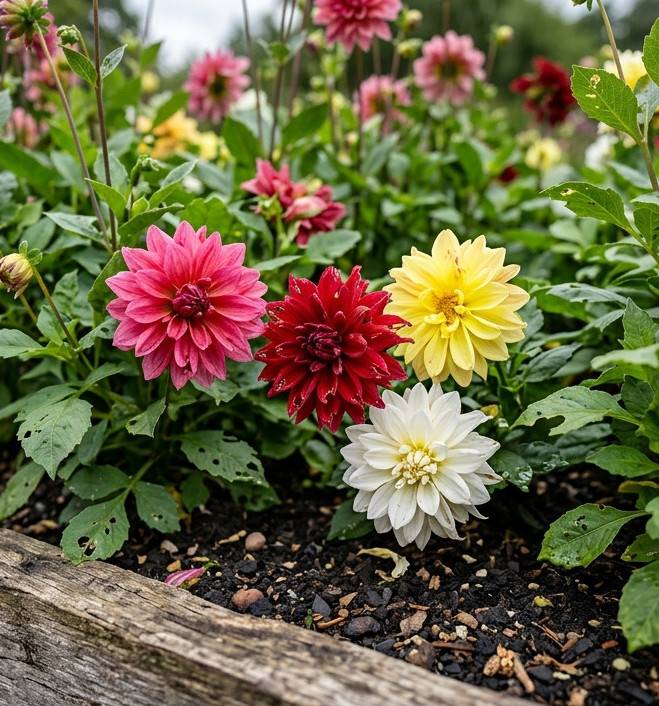
If your soil isn’t great or tends to hold too much water, raised beds can make things much easier.
Dahlias prefer loose, well-draining soil, and a raised bed lets you control that from the start. You can fill it with a mix of garden soil and compost, giving the plants a better growing environment.
I like this setup because it keeps everything a bit more organized and manageable. The plants are easier to reach for watering and care, and you don’t have to worry as much about waterlogging during heavy rains.
9. Create a Cut Flower Patch with Dahlias
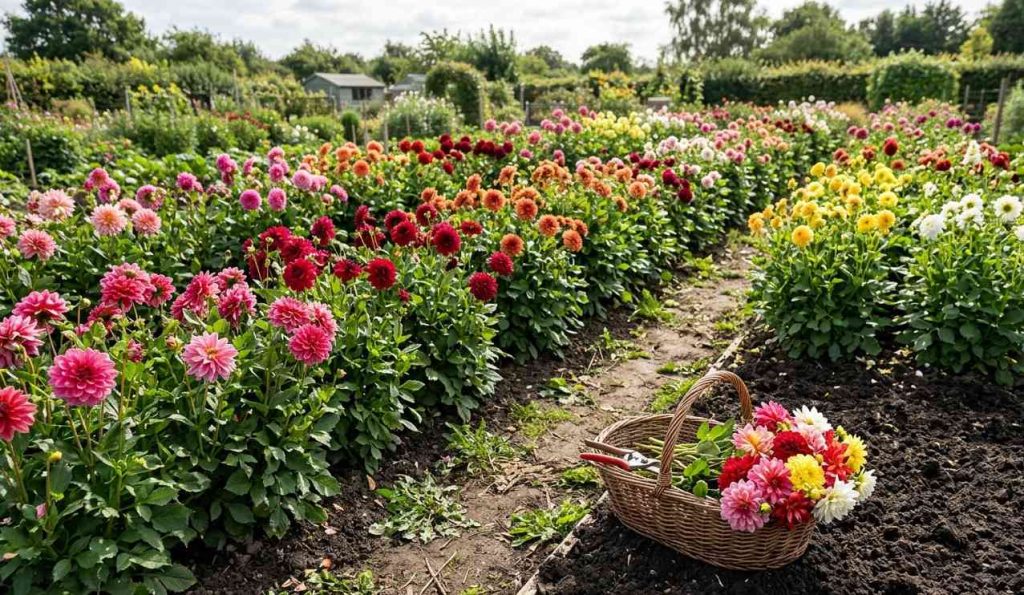
One of the best things about growing dahlias is that they keep producing blooms when you cut them.
So instead of just looking at them in the garden, you can plant a small patch just for harvesting flowers.
The more you cut, the more they tend to bloom, which is a nice bonus. I usually plant them a bit closer together in this setup and don’t worry too much about design.
It’s more about having a steady supply of fresh flowers to bring indoors while still keeping the plants healthy and productive.
Check this: 21 Small Front Yard Landscaping Ideas
10. Fill Gaps Between Existing Plants
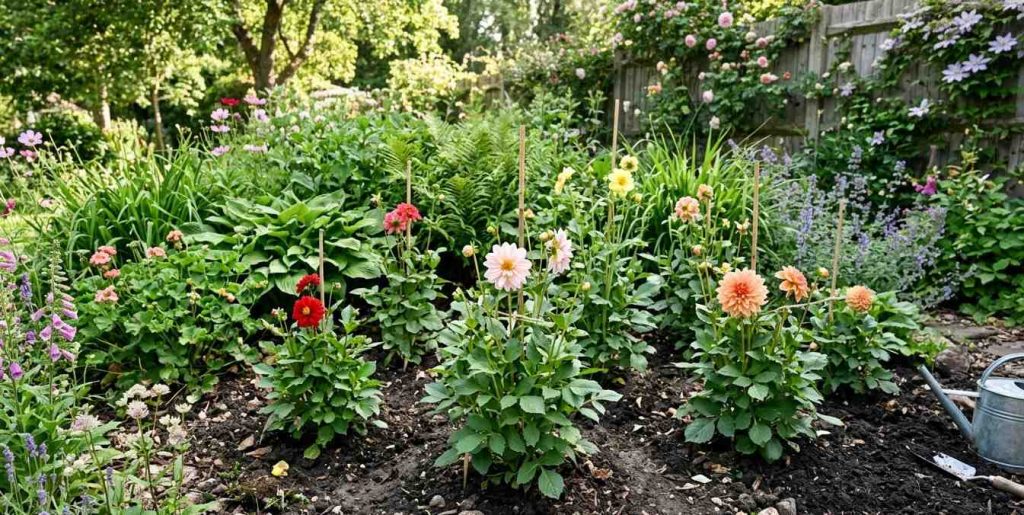
Every garden has those awkward empty spaces where something didn’t grow well or a plant didn’t make it. Instead of leaving those spots bare, dahlias are a great way to fill them in quickly and add instant color.
Since they grow fairly fast, they can cover those gaps and make the garden look complete again.
I usually choose varieties based on the space—short ones for small gaps and taller ones for deeper spots—so everything blends in naturally without looking crowded.
Check this: 13 Small Garden Ideas in Your Budget
11. Grow Dahlias in Rows for a Clean Look
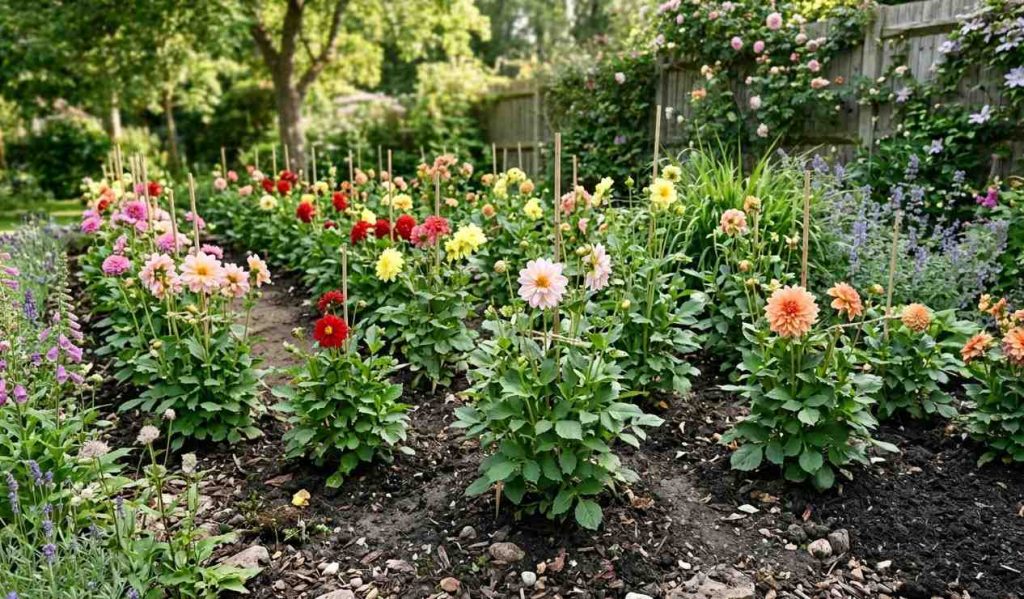
If you prefer a neat and organized garden, planting dahlias in straight rows works really well. It might sound simple, but this layout makes everything look tidy and easy to manage, especially when you have multiple plants.
Rows also help with spacing, airflow, and maintenance. Watering becomes easier, and you can quickly check each plant for growth or issues.
As they bloom, the rows create a nice visual rhythm, making the garden feel structured without much extra effort.
12. Add Dahlias Around a Seating Area
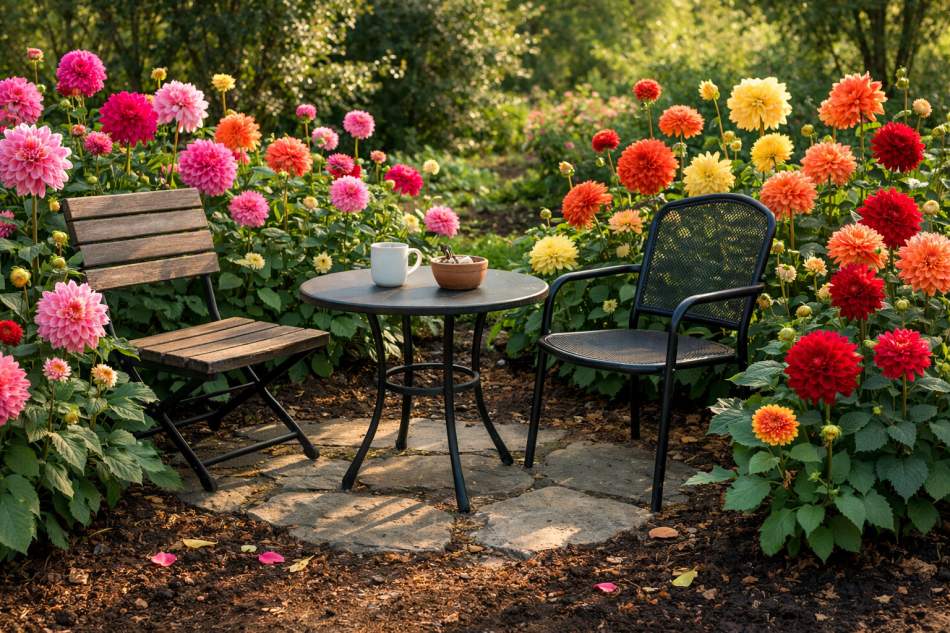
If you have a small seating spot in your garden, adding dahlias around it can make the space feel more inviting.
It doesn’t have to be anything fancy—even a couple of chairs with flowers nearby can turn into a nice place to sit and relax.
I like this idea because you actually get to enjoy the blooms up close. Just make sure to leave enough room to move around comfortably. Once the dahlias start flowering, the whole area feels more lively and a lot less plain.
13. Use Dahlias to Brighten Up a Corner
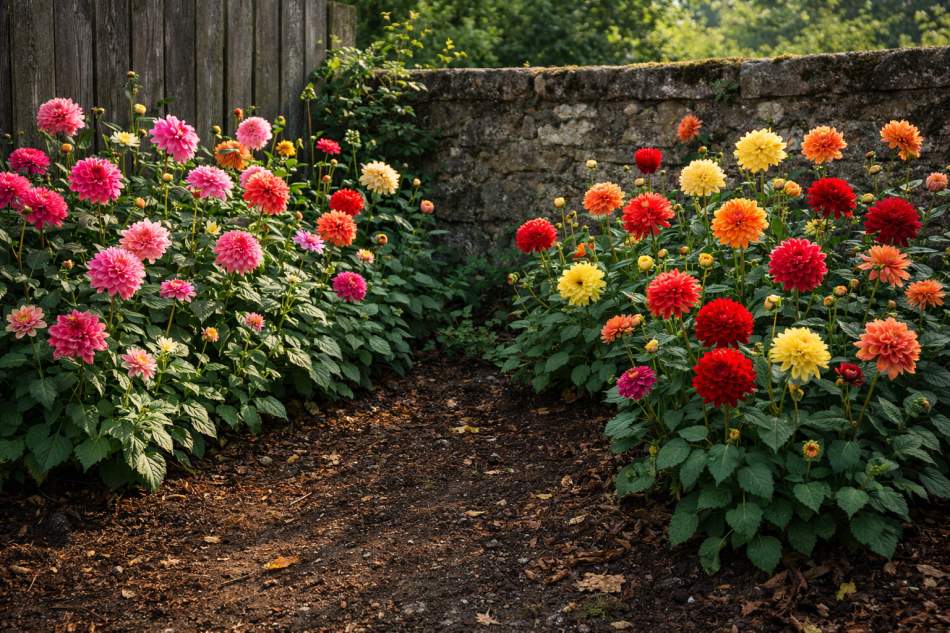
Some corners in the garden don’t get much attention and end up looking dull over time. Dahlias are an easy way to bring life into those spots without needing a full redesign.
Even planting a few tubers can make the area look fuller as they grow.
I’ve noticed that once the blooms appear, that once-forgotten corner starts to stand out in the best way. It’s a simple fix that doesn’t take much effort but gives a nice visual lift to the whole garden.
14. Grow Dahlias in Groups for a Fuller Look
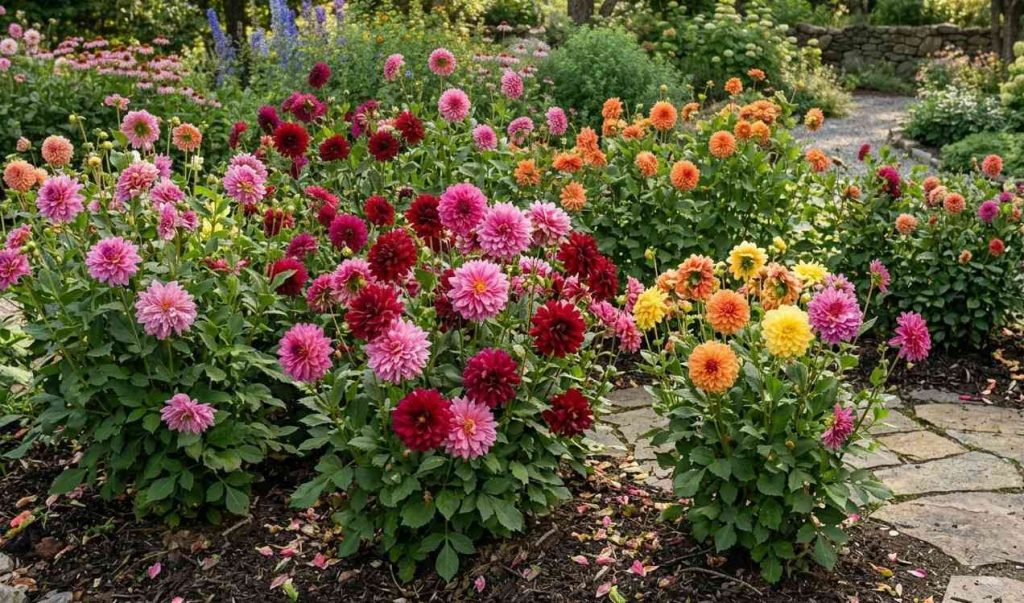
Instead of spacing dahlias too far apart, planting them in small groups can make a bigger visual impact. When a few plants grow together, the blooms appear denser and the area looks more filled in.
I’ve tried both ways, and grouping definitely feels more natural and less scattered.
Just keep enough spacing for airflow, but close enough so the plants visually connect. It’s an easy way to make even a small space look rich and well-planted.
Also Read: 9 DIY Bamboo Trellis Ideas to Make for Vertical Garden
15. Add Dahlias Near the Garden Entrance
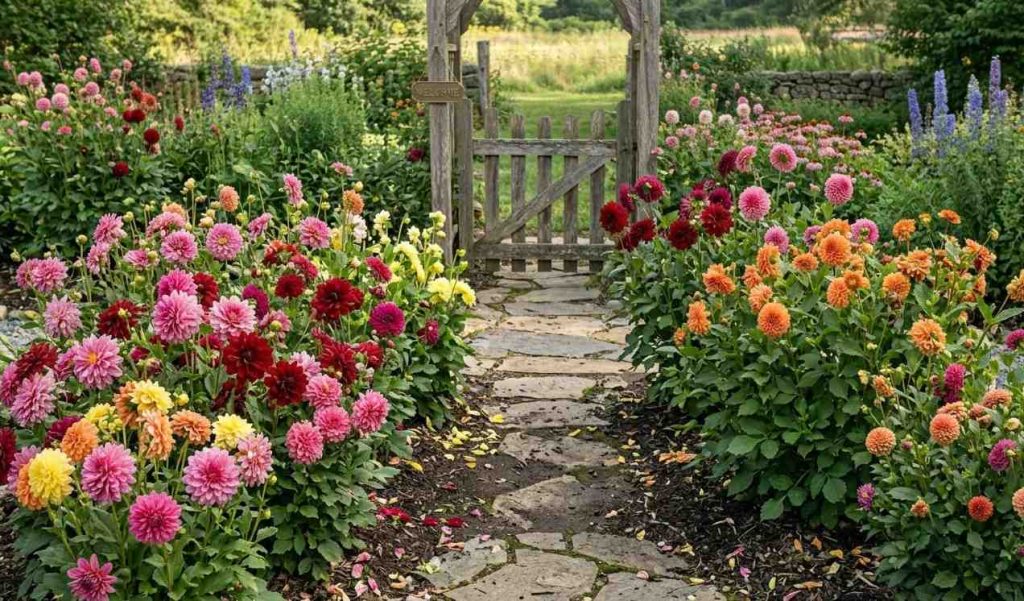
The entrance of your garden sets the first impression, so it’s a great spot to place dahlias. Their bright blooms naturally draw attention and make the space feel more welcoming right away.
You don’t need many plants here—just a few well-placed ones can do the job. I like keeping slightly taller varieties at the sides so they frame the entry without blocking the way.
It’s a simple touch, but it makes the whole garden feel more thoughtfully arranged.
16. Combine Different Dahlia Varieties in One Spot
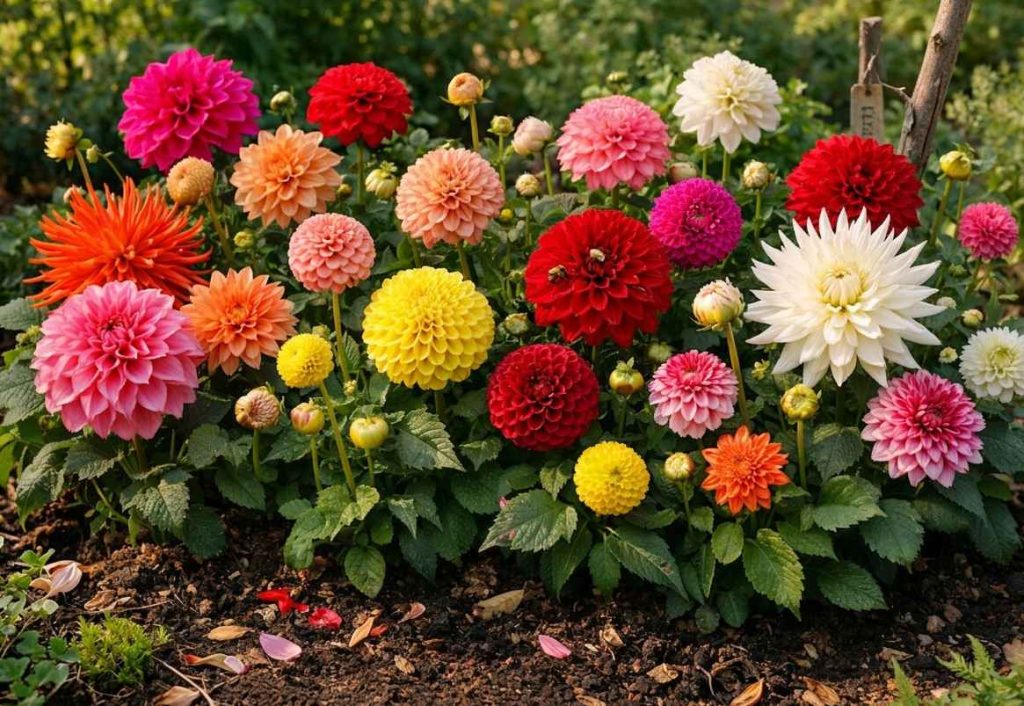
One thing I didn’t expect at first was how different dahlias can look from each other. Some are small and neat, while others are big and bold.
Planting a mix of varieties in one spot can make the area more interesting without needing extra plants.
You can combine different colors, sizes, or flower shapes to create a layered look. As they bloom at slightly different times, the space keeps changing and never looks dull. It’s a simple way to add variety without complicating your garden setup.
17. Start Small and Expand Over Time
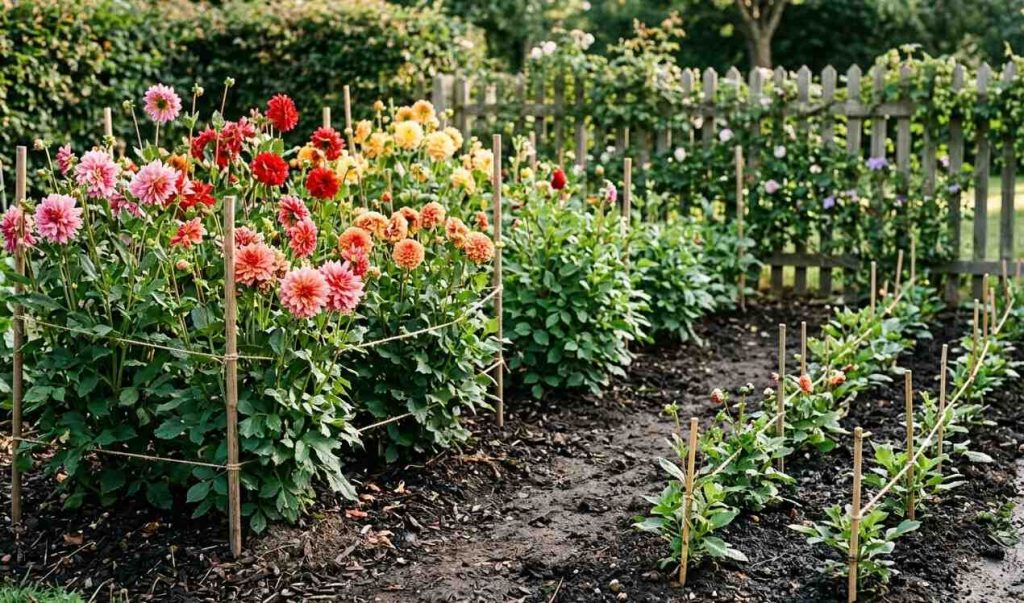
You don’t have to fill your entire garden with dahlias in one go. It’s actually better to start with a few plants, see how they grow in your space, and then expand from there.
This way, you learn what works—how much sunlight they get, how the soil behaves, and how much care they need.
I started with just a handful, and over time, it naturally grew into a bigger setup. It feels more manageable, and you avoid the hassle of fixing things all at once.
Check this: 22 DIY Cheap Fence Ideas for Garden
Best Dahlia Varieties to Grow
If you’re just starting out or want reliable blooms, these varieties are easy to grow and look great in most gardens:
- Decorative Dahlias – Large, full blooms that stand out instantly. Great for focal points.
- Pompon Dahlias – Small, round flowers that look neat and uniform, perfect for borders.
- Cactus Dahlias – Spiky petals with a unique shape, adding texture to your garden.
- Ball Dahlias – Similar to pompons but slightly bigger, ideal for cut flowers.
- Single Dahlias – Simple, open flowers that also attract pollinators like bees.
You don’t have to pick just one type. Mixing a few of these can give your garden a nice balance of shapes and colors without making it feel too complicated.
Tips for Maintaining a Dahlia Flower Garden
Once dahlias start growing well, they don’t need constant attention—but a few simple habits make a big difference in how they bloom.
First, focus on watering and soil.
- Dahlias like evenly moist soil, not too dry and definitely not soggy. I usually water deeply a few times a week instead of a little every day.
- Adding compost (like the one from your bin) keeps the soil rich and helps the plants stay healthy through the season.
Support is another thing that’s easy to ignore at first.
- Some dahlia plants grow taller than expected, and once they’re full of blooms, the stems can bend or break.
- Placing a small stake early on saves you trouble later.
- Also, removing spent flowers (deadheading) encourages the plant to keep producing more blooms instead of slowing down.
Pests and airflow matter too.
- Try not to overcrowd your plants, as good spacing helps prevent common issues like mildew.
- A quick check every few days for insects or damaged leaves is usually enough to catch problems early before they spread.
Also Read: 27 Low Cost DIY Patio Ideas that Fits Your Budget
Conclusion
Growing dahlias doesn’t have to be complicated or perfectly planned. Sometimes, it just starts with a small, unused space and a simple decision to plant something there.
From that one step, your garden can slowly turn into a more colorful and lively place.
What I’ve learned is that dahlias are not just about the flowers—they’re about how you use your space. Whether it’s a corner, a path, or a few containers, there’s always room to add them in. Start small, try a few ideas, and let your garden grow naturally over time.

Khaja Moinuddin, a computer science graduate, finds joy in gardening and homesteading. Join him on this blog as he shares his experiences in homesteading, gardening, and composting