Back in the day, most homes had a little backyard where fresh veggies and flowers grew side by side. It was simple, natural, and part of everyday life. But now, with cities turning into concrete jungles, that kind of space is hard to come by.
And let’s be honest—store-bought vegetables aren’t always as clean or chemical-free as we’d like. So if you still want fresh, safe produce, growing your own becomes the best option… even if all you have is a small balcony.
Lack of space doesn’t mean lack of possibilities.
These days, creative gardening ideas are everywhere, and they actually make small-space growing easier than ever. You don’t need a big yard to grow your own food—you just need a smart setup.
You can grow vegetables in containers, tuck them into raised beds, or even use a tiny patch of soil if you have it. And no, you don’t have to spend money on fancy pots either. Old buckets, fruit crates, and recycled containers work just as well—and sometimes even better.
With a little creativity, even the smallest space can turn into a productive vegetable garden.
17 Small Backyard Vegetable Garden Ideas
Honestly, once you start looking at your space differently, you’ll realize there’s a lot you can do with it.
A corner here, a wall there—it all adds up. Here are some small backyard ideas that make growing vegetables easy.
1. Bucket Vegetable Garden
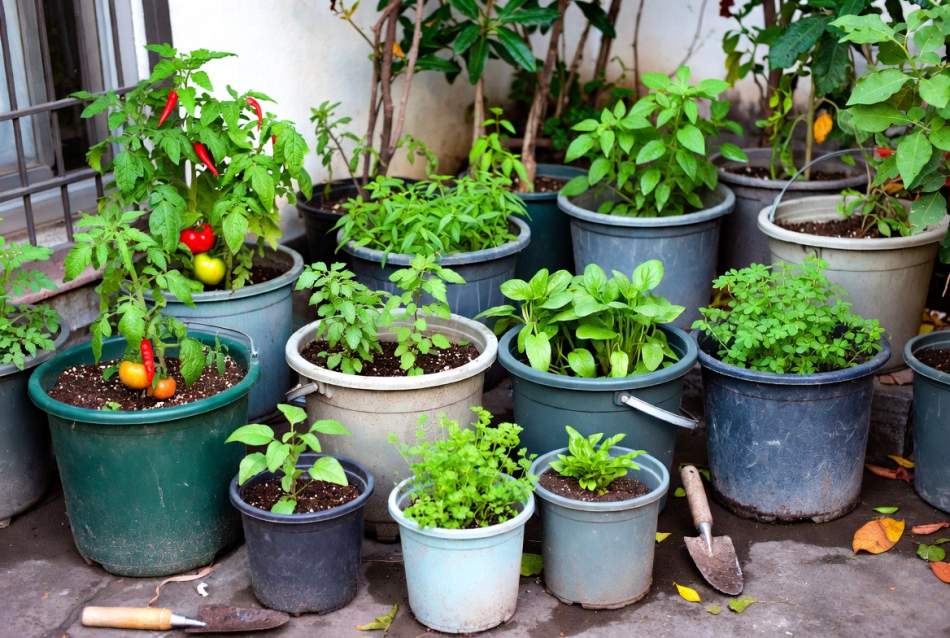
One of the easiest ways to start growing vegetables is by using simple buckets.
- Just take any old bucket, drill a few drainage holes at the bottom, fill it with good soil, and plant your seeds or seedlings.
- You can place them anywhere—along a wall, in a corner, or even move them around depending on sunlight.
- It’s a no-fuss setup that works well even if you’re just getting started.
What makes bucket gardening so practical is how flexible it is for small spaces.
You can grow tomatoes, chillies, spinach, or even potatoes without needing a proper garden bed.
Plus, buckets are easy to manage, budget-friendly, and perfect for experimenting with different plants without committing too much space.
Check this: 22 DIY Cheap Fence Ideas for Garden
2. Vertical Trellis Garden
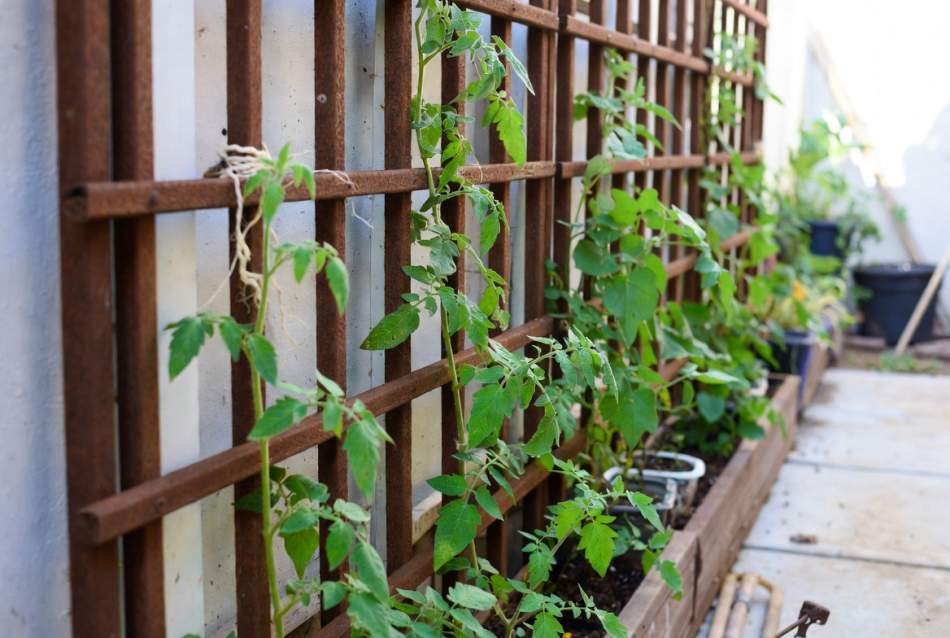
If you’re short on ground space, growing vegetables upward is a smart move.
Set up a simple trellis using wood, bamboo, or even a metal frame, and place it behind containers or directly in the soil.
Train climbing plants like beans, cucumbers, or peas to grow along it. This way, you’re using vertical space instead of spreading everything across the ground.
This method works really well in small backyards because it keeps things neat and space-efficient.
Instead of plants taking over your floor area, they grow upward and stay more organized. It also improves air circulation and sunlight exposure, which helps plants grow healthier while making your garden look cleaner and less crowded.
3. Raised Bed Vegetable Garden
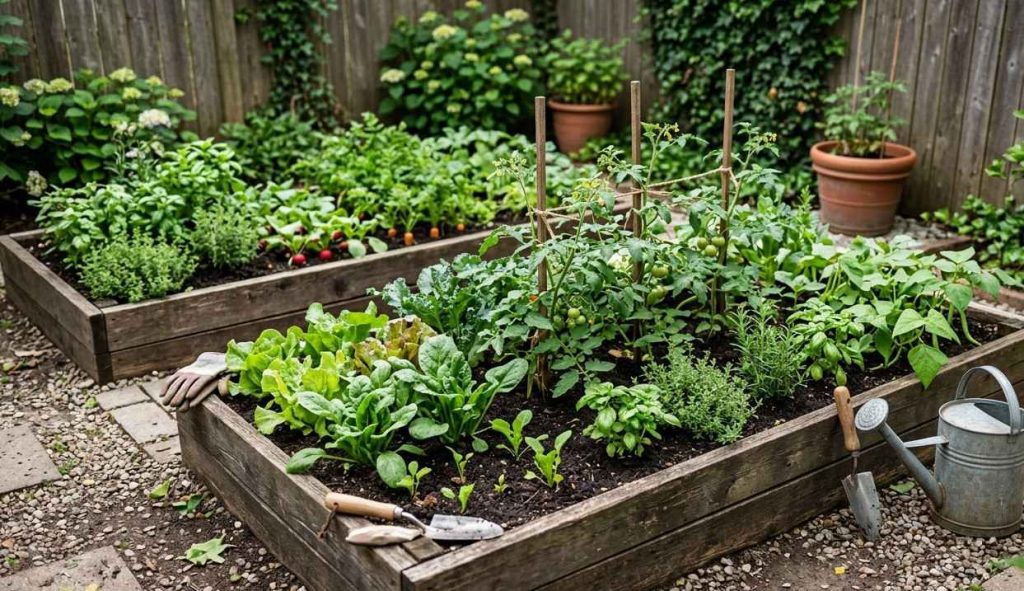
Raised beds are a great way to organize your growing space without spreading plants all over the ground.
You can build a simple frame using wood, bricks, or even recycled materials, then fill it with good-quality soil. Keep the size manageable so you can easily reach all sides without stepping into the bed.
The reason raised beds work so well in small backyards is control. You get better soil quality, improved drainage, and fewer weeds to deal with.
It also makes planting in rows or sections easier, so you can grow multiple vegetables in one compact area without things getting messy.
4. Grow Bag Garden
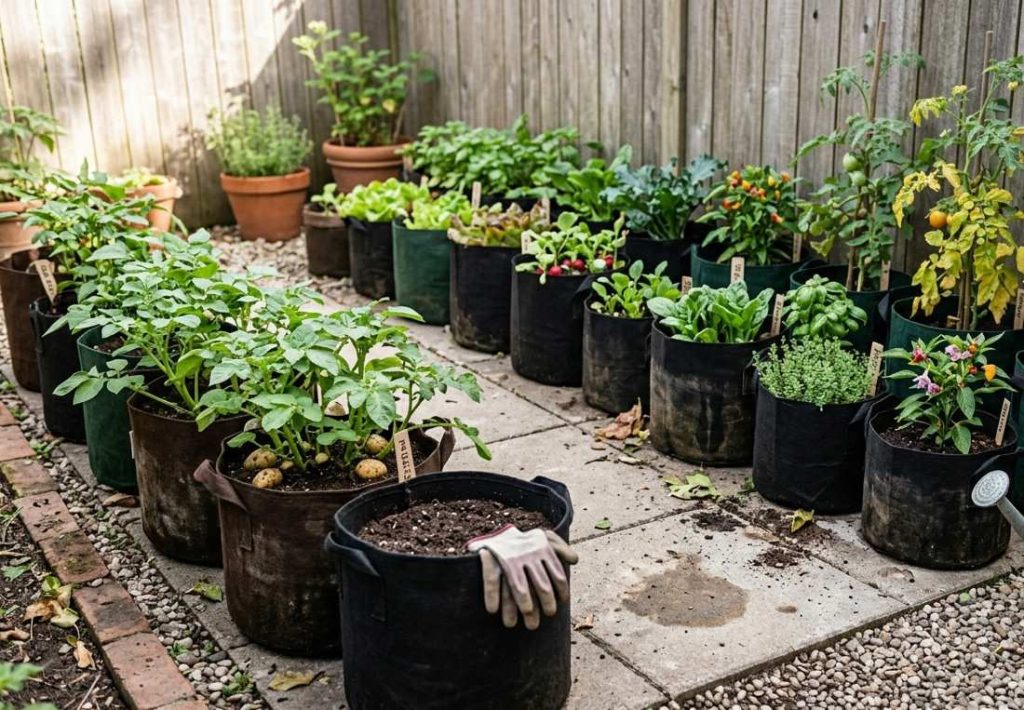
Grow bags are one of those things you try once and end up using everywhere. Just fill them with soil, plant your vegetables, and place them wherever you have space—balcony corners, patios, or along pathways. They’re lightweight, so you can shift them around without much effort.
What makes grow bags ideal for small spaces is how little commitment they require.
You can fold and store them when not in use, and they don’t take up permanent space like beds or large pots.
They’re especially good for crops like potatoes, carrots, and leafy greens, giving you flexibility without cluttering your backyard.
5. Hanging Basket Vegetable Garden
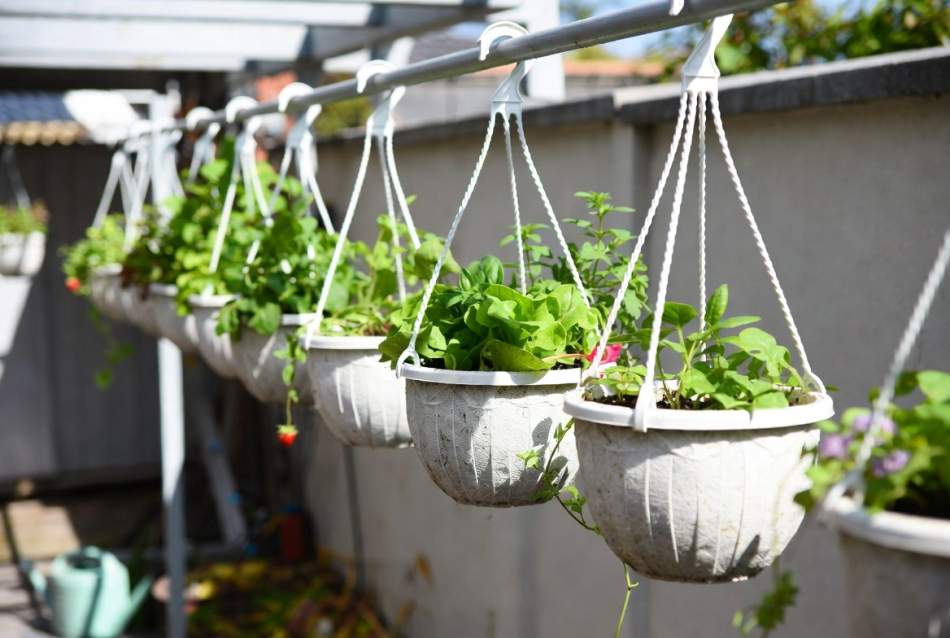
Hanging baskets are a great way to use space that usually goes unused. You can hang them from hooks, railings, or even a simple rod setup. Fill them with lightweight soil and plant shallow-rooted vegetables or herbs like lettuce, spinach, or strawberries. It keeps everything off the ground and within easy reach.
This setup works especially well when floor space is limited. Instead of crowding your backyard, you’re adding another growing layer above. It also helps keep plants safe from pests and makes watering and harvesting more convenient without bending or kneeling.
Also Read: 21 Small Front Yard Landscaping Ideas
6. Window Box Vegetable Garden
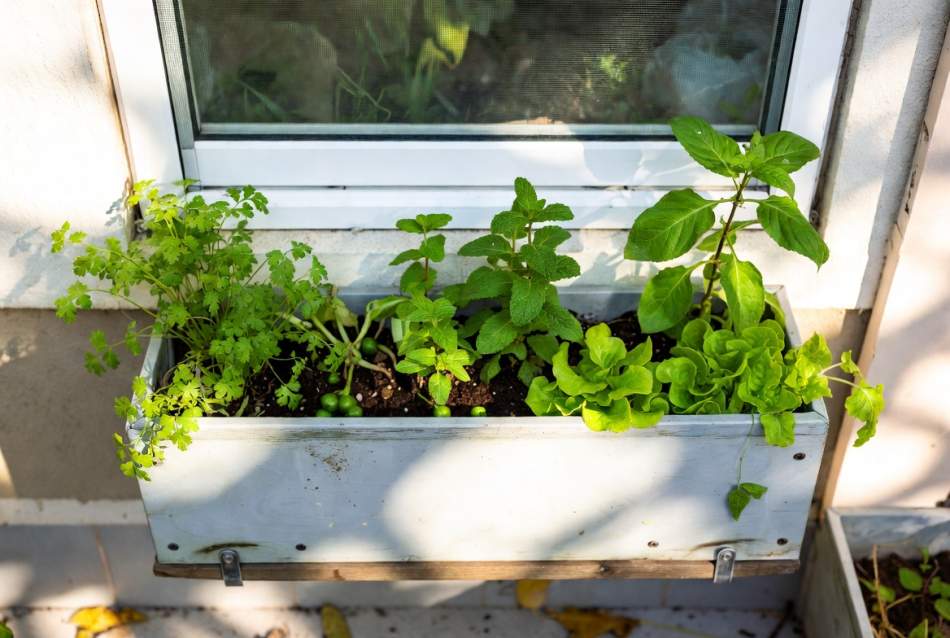
Got a sunny window or ledge? That’s already a mini garden waiting to happen.
- Just install a sturdy window box, fill it with soil, and start planting compact vegetables or herbs.
- Even a narrow space can support plants like coriander, mint, or small peppers.
Window boxes are perfect for tight spaces because they don’t take up any ground area at all.
They sit neatly along windows or railings, making them ideal for small backyards or balconies. Plus, having fresh herbs right outside your window makes daily cooking a lot more convenient.
7. Pallet Vegetable Garden
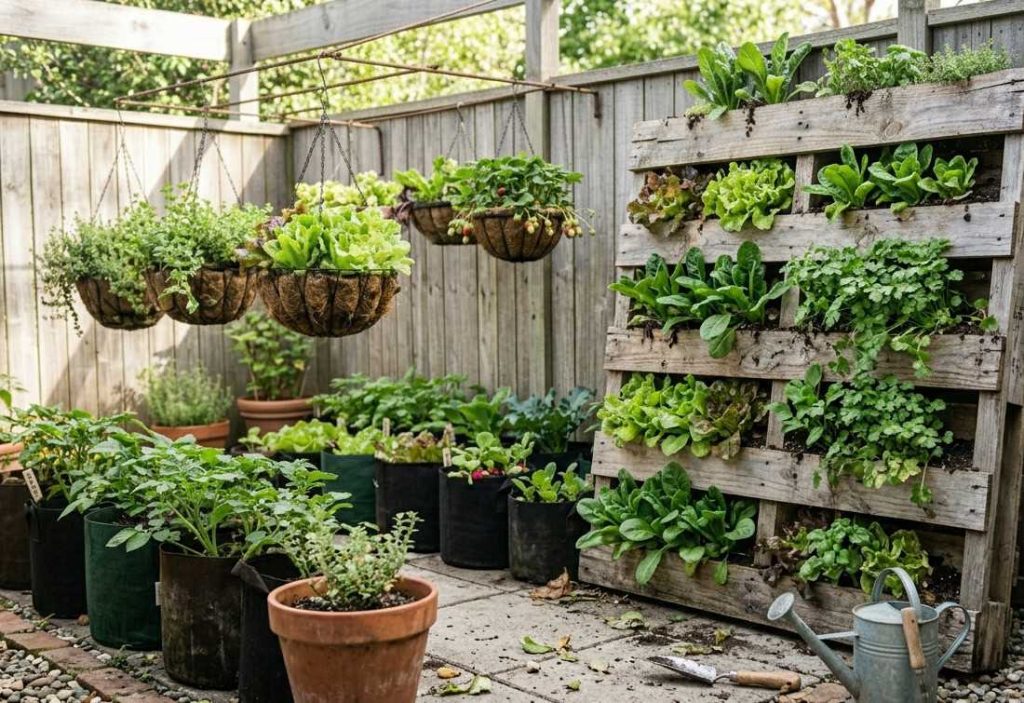
A pallet garden is a smart way to turn unused vertical space into a growing area. Wooden pallets naturally come with sections that can hold soil and plants, making them perfect for growing herbs, leafy greens, and small vegetables in a compact setup.
- To set it up, place a sturdy pallet upright against a wall or fence and secure it properly.
- Line the back and bottom with landscape fabric, fill each section with soil, and plant your vegetables.
- Keep it slightly tilted at first so the soil settles well, then position it upright for vertical growing.
8. Tiered Container Garden
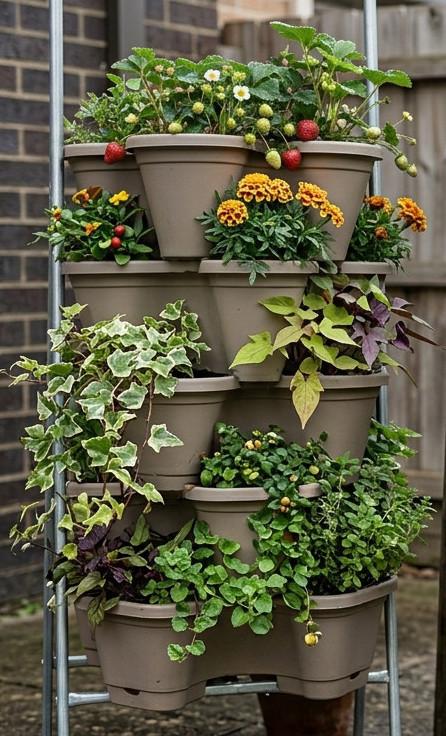
Tiered gardening is all about arranging plants at different heights instead of spreading them out flat. This layered setup allows you to grow more in less space while ensuring each plant gets enough sunlight and airflow.
- To create one, stack containers using shelves, stands, or even upside-down crates to form levels.
- Place larger plants at the bottom and smaller ones on top tiers. This not only saves space but also makes watering and harvesting easier since everything is neatly organized and visible.
9. Kitchen Scrap Vegetable Garden
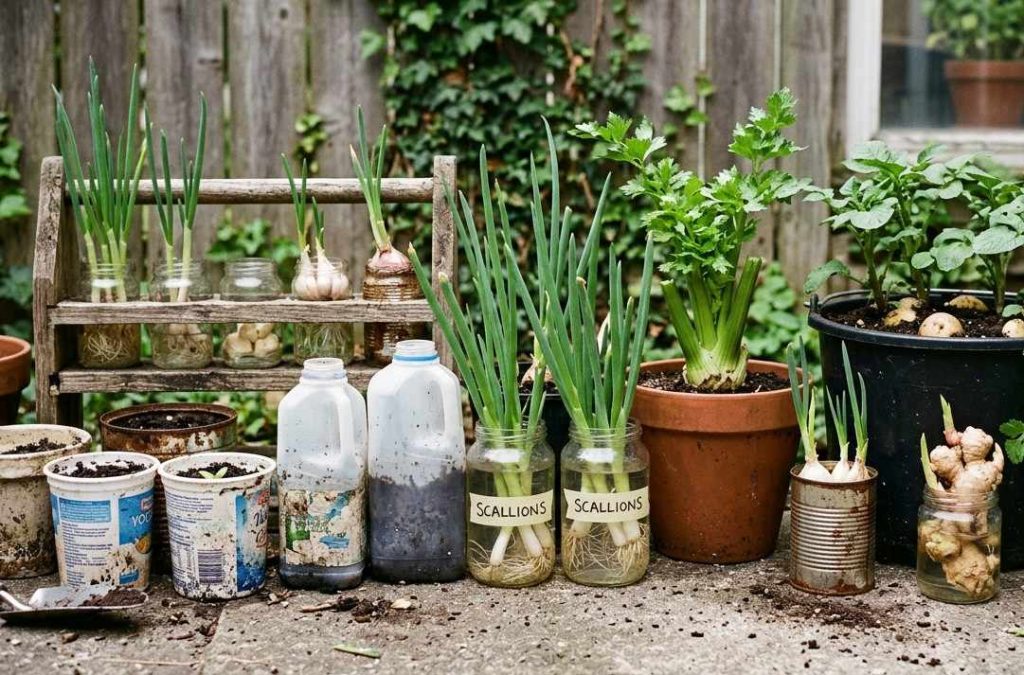
You’d be surprised how many vegetables can grow again from kitchen scraps. Things like green onions, garlic, lettuce, and even ginger can regrow with just a bit of care.
It’s a simple way to reuse what you’d normally throw away and turn it into something useful.
- Just save the usable parts—like roots or stems—and place them in water or directly into soil.
- Keep them near sunlight and change the water regularly if you’re starting in jars.
- Once they begin to grow, you can transfer them into containers for a more steady harvest.
10. PVC Pipe Garden
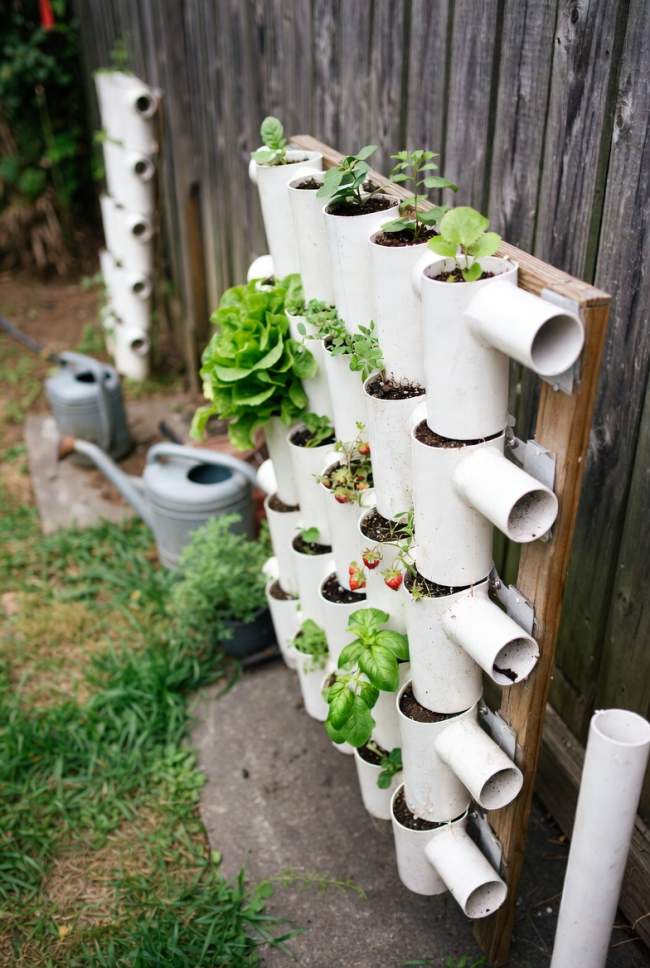
If you’re looking for a neat and modern setup, PVC pipe gardening is a great option.
- Pipes can be arranged vertically or horizontally, with small holes cut out for planting.
- It’s especially good for growing herbs, spinach, and other shallow-rooted plants.
- What makes this idea stand out is how clean and space-saving it is.
- You can mount it on walls or stack it in corners, making use of areas that would otherwise stay empty.
Plus, it keeps everything organized and is easy to maintain once set up properly.
11. Balcony Railing Vegetable Garden
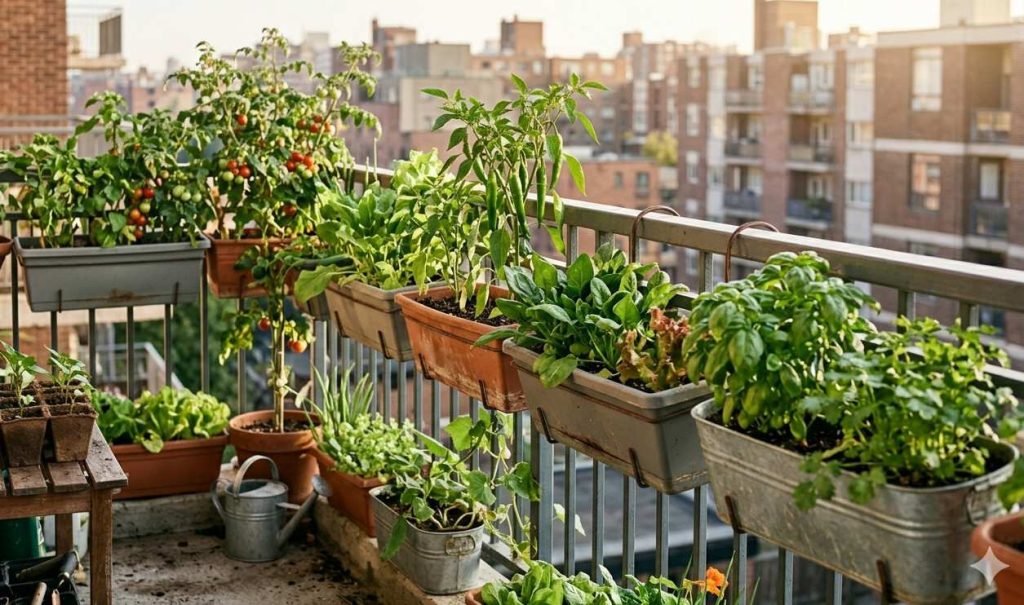
That empty railing space can actually do a lot more than just sit there. With the right containers, it turns into a perfect spot for growing herbs and compact vegetables.
It keeps plants elevated, gets good sunlight, and doesn’t interfere with your walking space.
You can use railing planters or simply hook small pots securely onto the bars. Make sure they’re well-balanced and won’t tip over.
Once set, plant things like coriander, lettuce, or chillies—something that doesn’t grow too heavy but still gives a steady harvest.
Check this: 18 DIY Cucumber Trellis Ideas for Small Spaces
12. Crate Vegetable Garden

Old fruit or vegetable crates can be easily turned into mini garden beds. They already have a sturdy structure, and with a bit of lining inside, they’re ready to hold soil and plants. It’s a great way to reuse materials instead of buying new containers.
To get started, line the inside of the crate with a cloth or plastic sheet (with a few holes for drainage), then fill it with soil.
You can place crates directly on the ground or stack them for a layered effect. They work well for leafy greens, herbs, and even root vegetables if the depth allows.
13. Square Foot Vegetable Garden
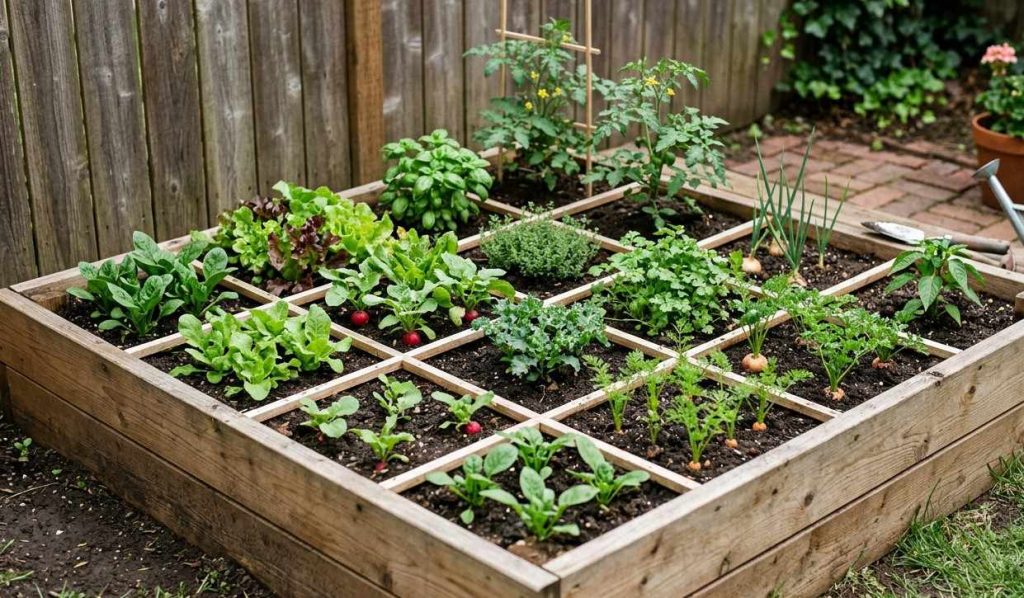
Square foot gardening is all about dividing a small space into neat sections so you can grow more without overcrowding.
Each square is used for a different plant, which helps keep things organized and makes planning much easier, even in a tiny backyard.
To try this, create a small raised bed and divide it into equal squares using string or thin wooden strips.
Then plant different vegetables in each section based on their spacing needs. This way, you avoid wasting space and can grow a variety of crops in one compact area.
14. Hydroponic Mini Garden
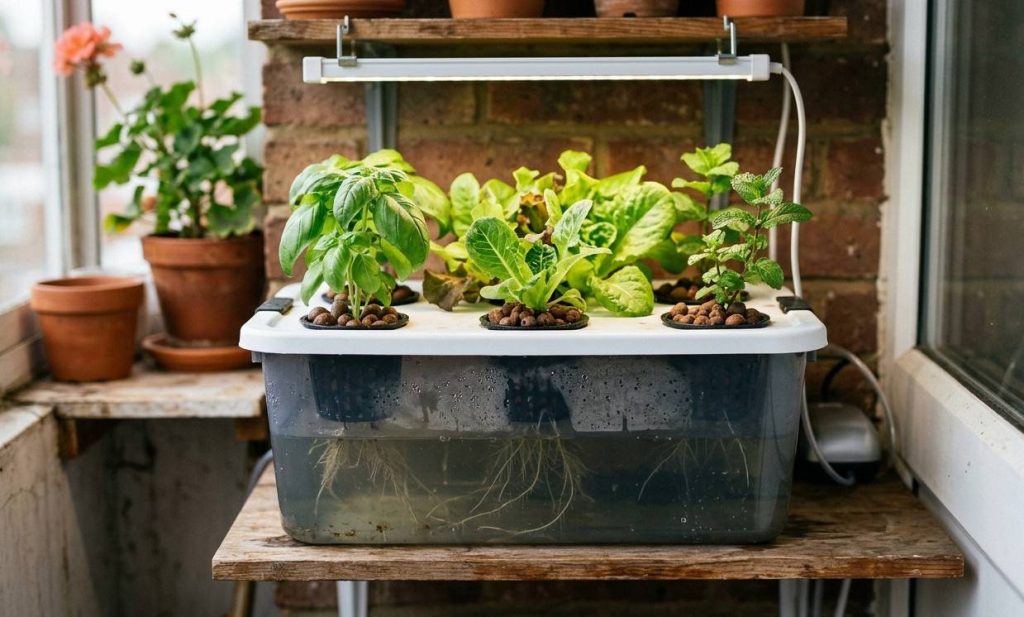
If you want to skip soil altogether, hydroponic gardening is an interesting option. Plants grow in nutrient-rich water, which helps them grow faster and cleaner. It’s a modern method that works surprisingly well in small spaces.
Setting up a basic system can be simple—use containers or pipes to hold water, add a nutrient solution, and support plants with net pots.
Leafy greens like lettuce and spinach do especially well in this setup, and since there’s no soil, it also means less mess to deal with.
15. Wall-Mounted Pocket Garden
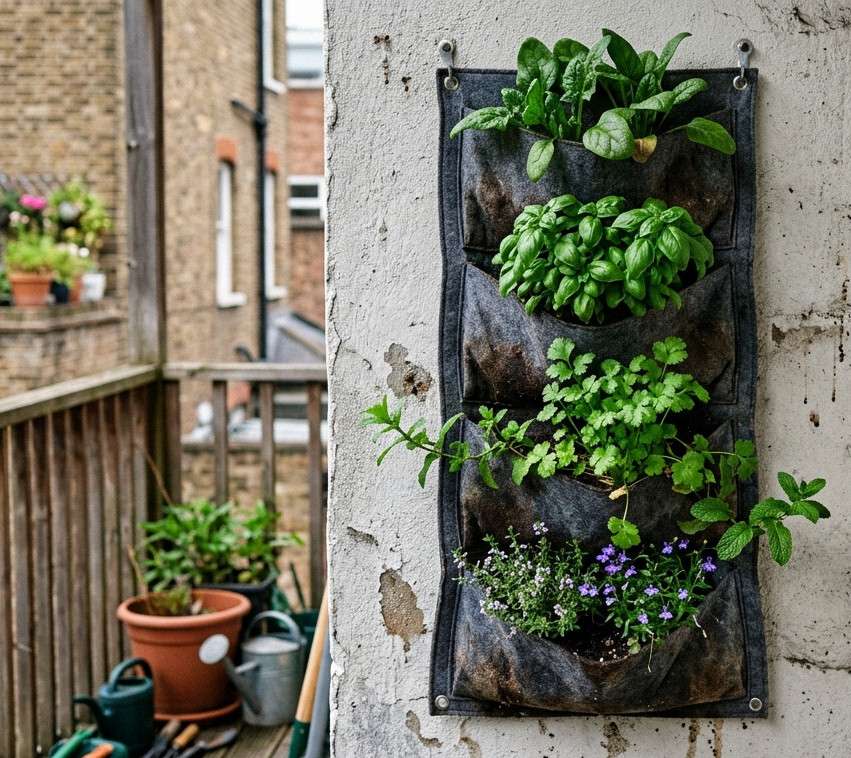
Wall space often gets ignored, but it can be turned into a productive growing area with pocket planters. These are usually fabric or vertical holders with multiple slots where you can grow small plants.
Just hang a pocket planter on a sturdy wall, fill each pocket with soil, and plant herbs or greens.
It’s a great way to keep your garden off the ground while still growing plenty of food. Plus, it adds a nice green look to plain walls without taking up any floor space.
16. Corner Spiral Garden
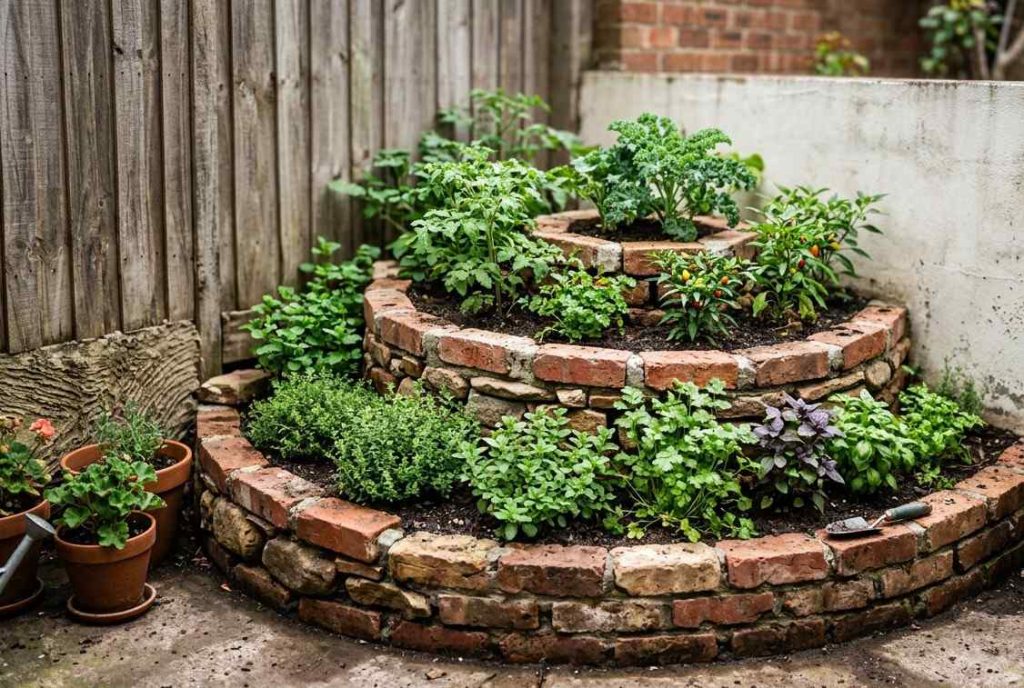
A spiral garden is a clever way to turn an unused corner into a productive growing space.
Instead of spreading plants out flat, the spiral shape creates different levels, allowing you to grow multiple vegetables in one compact area while making good use of vertical space.
- To build one, arrange stones, bricks, or blocks in a spiral shape that rises slightly toward the center.
- Fill it with soil and plant different vegetables along the spiral based on their needs—sun-loving plants at the top and moisture-loving ones toward the bottom.
It’s space-saving and visually interesting at the same time.
17. Movable Container Garden (with Wheels)
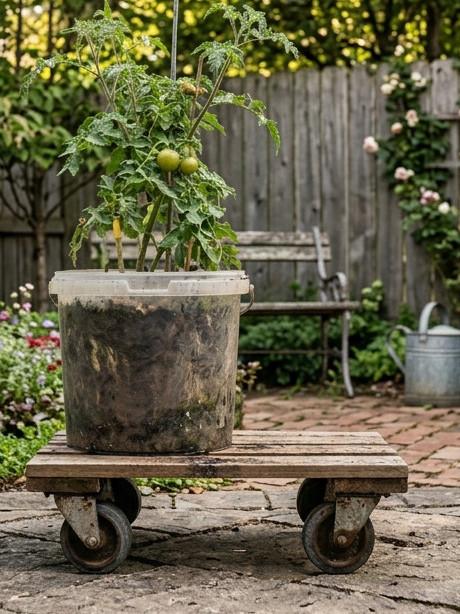
Sometimes the biggest challenge in a small space is getting the right sunlight throughout the day.
That’s where movable container gardens come in. By placing your pots on wheeled stands or using containers with built-in wheels, you can easily shift plants around as needed.
You can simply place your buckets or pots on plant trolleys or attach wheels underneath sturdy containers.
This makes it easy to move them for better sunlight, protect them from heavy rain, or rearrange your space whenever you want.
It’s especially useful if your backyard has uneven light or limited open areas.
Also Read: 13 Small Garden Ideas in Your Budget
How to Set Up a Small Backyard Vegetable Garden?
Before choosing any one above garden idea, there are few important aspects of growing plants in a container or grow bag.
Step 1: Choose the Right Spot: Most veggies need 6 hours of sunlight. So, choose a spot in your backyard that gets adequate sunlight.
Step 2: Decide Your Setup: You can use buckets, grow bags, raised beds, or anything available. Start small and expand later once you get comfortable.
Step 3: Use Good Quality Soil: Plants grow best in healthy soil. Mix garden soil with compost and a bit of sand or cocopeat for better drainage.
Step 4: Pick Easy Vegetables: Go for beginner-friendly crops like spinach, coriander, tomatoes, or chillies. They grow fast and are easier to manage.
Step 5: Water Consistently: Keep the soil slightly moist but not soggy. Water regularly, preferably in the morning or evening.
Step 6: Add Support Where Needed: Some plants like beans and tomatoes need support. Use sticks, ropes, or a small trellis to help them grow properly.
Common Mistakes to Avoid
Even with the best setup, a few small mistakes can slow down your plants. The good part is—they’re easy to fix once you know what to look out for.
- Using Containers Without Drainage: Water needs a way to escape. Without drainage holes, roots can rot quickly and damage the plant.
- Overwatering or Underwatering: Too much water can suffocate roots, while too little can dry them out. Keep the soil moist, not soaked or completely dry.
- Choosing the Wrong Plants: Some vegetables need more space than others. Avoid planting large, spreading crops in very small containers.
- Ignoring Sunlight Needs: Not all spots are equal. If your plants aren’t getting enough sunlight, their growth will be slow and weak.
- Using Poor Quality Soil: Plain garden soil alone isn’t enough. Without nutrients and proper texture, plants won’t grow well.
- Overcrowding Plants: Trying to grow too much in one small space can lead to poor airflow and unhealthy plants. Give each plant enough room to grow.
- Skipping Regular Care: Plants need consistent attention. Ignoring watering, checking leaves, or basic maintenance can affect your harvest.
Check this: 60 Popular Cut Flower Garden Ideas
Conclusion
Growing your own vegetables doesn’t need a big backyard or a perfect setup.
Even a small space, when used smartly, can give you a steady supply of fresh and healthy produce. It’s less about how much space you have and more about how you use it.
Start small, try a few ideas that fit your space, and learn as you go. Over time, you’ll figure out what works best for you.
And once you get into it, there’s something really satisfying about picking vegetables you’ve grown yourself—right from your own backyard.


Khaja Moinuddin, a computer science graduate, finds joy in gardening and homesteading. Join him on this blog as he shares his experiences in homesteading, gardening, and composting