Your success in growing plants relies heavily on timing. Planting seeds in proper time ensures good germination rate, avoids frost damage and quality yield.
If you never tried growing vegetables or ornamentals from seeds, it is easy to write off saying it is a labour-intense task. But in reality, it’s one of the most rewarding and cost-effective ways to garden.
While it requires a bit of patience, it’s truly fascinating to watch seeds sprouting indoors.
However, a common mistake most gardeners make is starting seeds too early, which can cause plants to become root-bound or leggy; while planting too late can cause you to miss the ideal growing season.
So, the key to successful gardening is knowing when to start planting seeds indoors. Starting at the right time helps seedlings grow strong and healthy, making them ready to be transplanted outdoors when conditions are ideal.
How to Know When to Start Seeds Indoors?
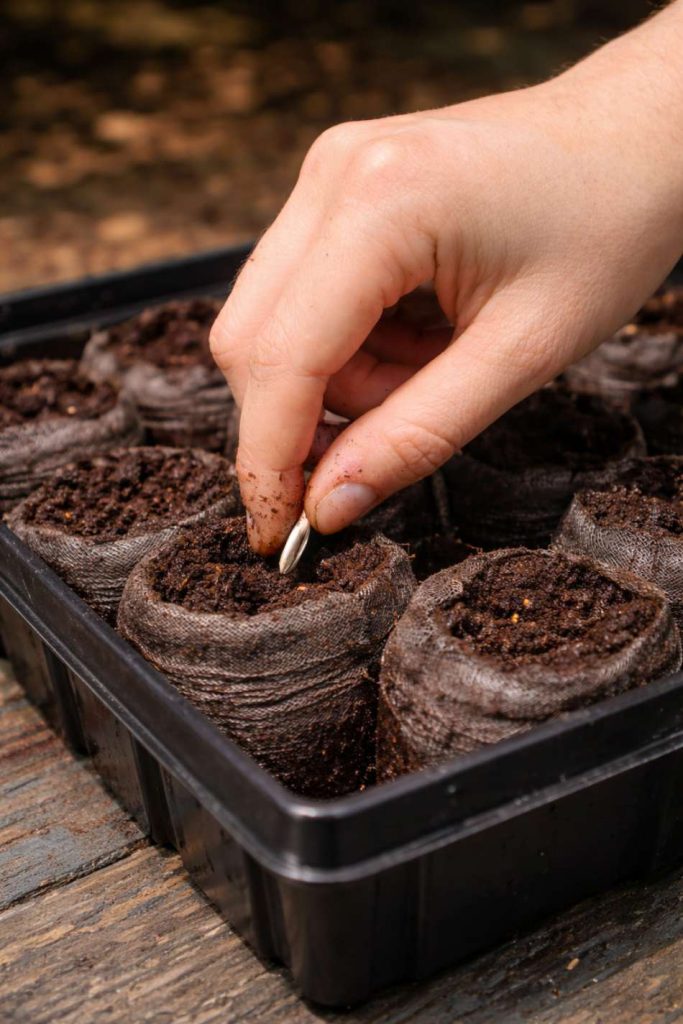
Knowing when to start seeds indoors mainly depends on your area’s last frost date. The last frost date is the average time in spring when the risk of frost usually passes.
Most seeds are started indoors 4–8 weeks before this date, so the seedlings have enough time to grow strong before being moved outside.
Another helpful guide is the information on seed packets. Many seed packets mention how many weeks before the last frost you should start the seeds indoors. Following these instructions can help you avoid starting too early or too late.
You should also consider the type of plant you are growing. Some plants like tomatoes, peppers, and broccoli need more time indoors, while others grow quickly and can be started later.
Understanding the growth time of each plant helps you plan the right seed-starting schedule.
Most young plants cannot survive freezing temperatures or late spring frost. So, it is essential that you find out the last frost date for your area by checking local gardening websites, weather services, or planting calendars.
Read: 14 Forst Tolerant Vegetables
How to Start Planting Seeds Indoors?
Most seeds are started indoors about 4–8 weeks before the last expected frost date. This gives seedlings enough time to grow strong and healthy before they are transplanted outdoors.
However, the exact timing can vary depending on the plant.
Slow-growing plants like peppers and eggplants need around 8–10 weeks, while faster-growing plants like cucumbers or squash can be started 3–4 weeks before the last frost. Always check the seed packet for the best timing.
Read this: 9 Tips for Growing Vegetables in a Greenhouse
Choose the right containers
The first step is selecting suitable containers for seed starting. You can use seed trays, small nursery pots, peat pots, or recycled containers such as yogurt cups or plastic food containers.
The most important thing is that the container has drainage holes at the bottom. Good drainage prevents water from collecting in the soil, which can damage young roots. Clean containers also help reduce the risk of plant diseases.
Use a quality seed-starting mix
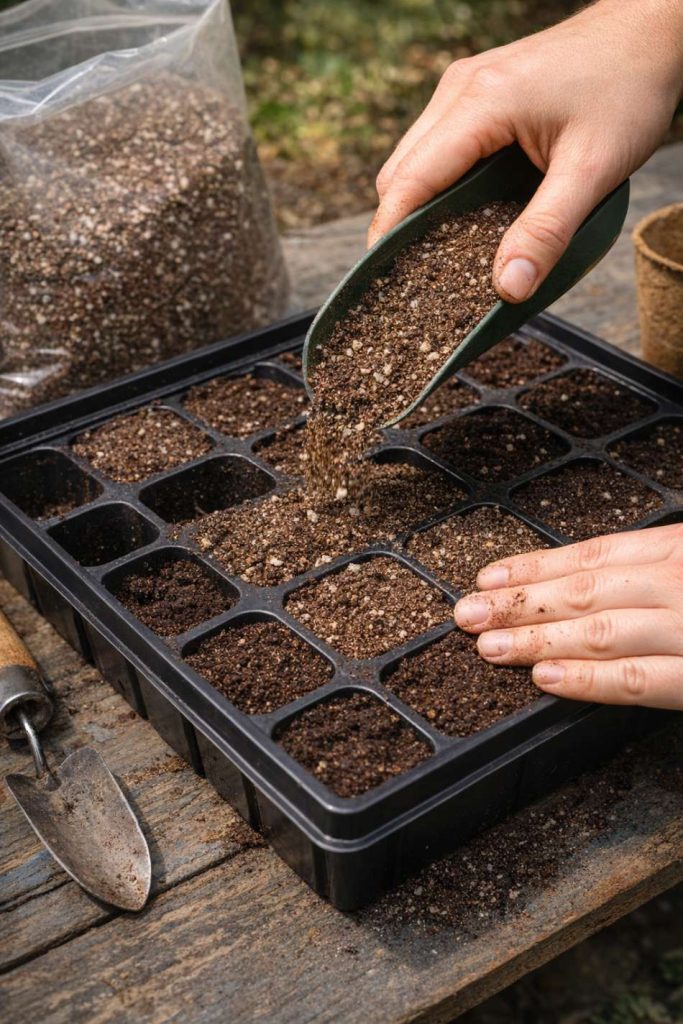
Seeds grow best in a light and well-draining seed-starting mix rather than regular garden soil. These mixes are specially designed to hold enough moisture while still allowing air to reach the roots.
Garden soil can be too heavy and may contain pests or diseases that harm seedlings.
Fill the container with the mix and gently press it down so the surface is level but not compact.
Plant seeds at the proper depth
Planting depth plays an important role in seed germination. A general rule is to plant seeds at a depth of about two to three times the size of the seed.
Very small seeds usually need only a thin layer of soil or can be lightly pressed onto the surface.
Larger seeds should be covered slightly deeper. Always check the seed packet instructions, as they provide the most accurate guidance.
Provide warmth and moisture
Most seeds germinate best in warm and consistently moist soil. After planting, water the soil gently so the seeds are not disturbed.
The soil should remain slightly moist but never soggy. Covering the tray with a plastic dome or plastic wrap can help retain moisture and warmth until seeds sprout.
Give enough light
Once seedlings emerge, they need plenty of light to grow properly. Place them near a bright sunny window that receives several hours of sunlight each day.
Many gardeners also use grow lights, which provide steady light and prevent seedlings from becoming tall and weak. Adequate light helps seedlings grow compact and strong.
Thin the seedlings if necessary
Sometimes multiple seeds sprout close together in the same container. When this happens, remove the weaker seedlings so the strongest one has enough space to grow.
This process, called thinning, prevents overcrowding and improves air circulation around the plants.
Harden off before transplanting
Before moving seedlings into the garden, they need time to adjust to outdoor conditions. This process is called hardening off.
Gradually place the seedlings outside for a few hours each day, increasing the time over about 7–10 days. This helps them adapt to sunlight, wind, and temperature changes, reducing transplant shock.
Vegetables that Grow Best When Started Indoors
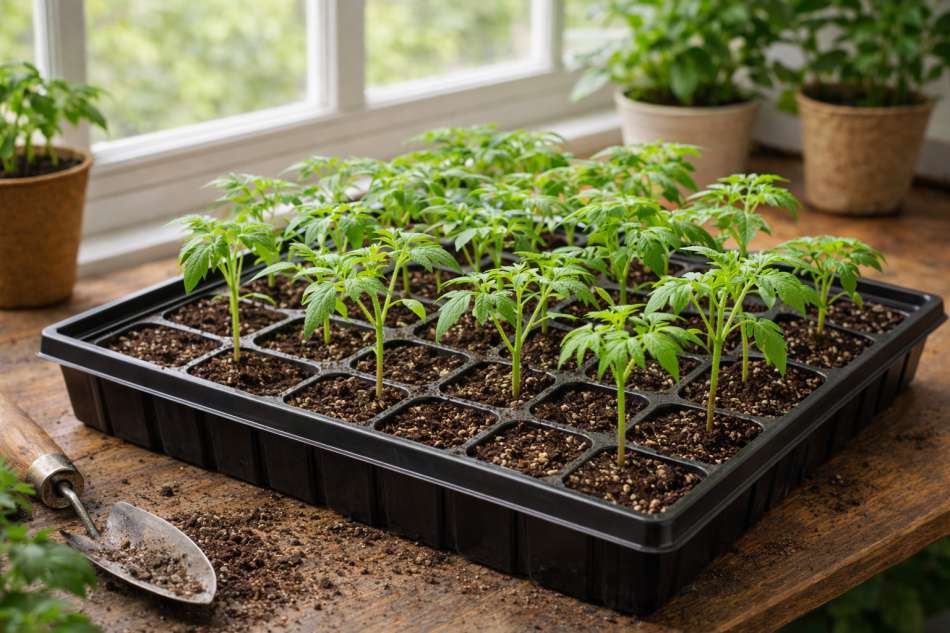
Some vegetables grow much better when they are started indoors before the outdoor growing season begins.
These plants usually need a longer growing season or warmer temperatures to grow properly.
By starting them indoors, gardeners can give the seedlings extra time to develop before planting them outside.
Tomatoes are one of the most common vegetables started indoors. They grow slowly in the early stages and need warm conditions to thrive.
Starting tomato seeds indoors about 6–8 weeks before the last frost date helps them grow strong and ready for transplanting.
Peppers and eggplants also benefit from an early indoor start. These plants need warm soil and a long growing season to produce fruits.
Starting them indoors gives the plants enough time to grow before they are moved into the garden.
Cool-season crops like broccoli, cabbage, and cauliflower can also be started indoors.
Growing them inside allows gardeners to transplant healthy seedlings outdoors early in the season. This helps the plants mature before the weather becomes too warm.
Starting these vegetables indoors not only helps plants grow stronger but also allows gardeners to enjoy earlier harvests and better yields during the growing season.
Also Read: How to Build Tomato Trellis with Bamboo?
Seeds that Should Be Directly Sown Outdoors
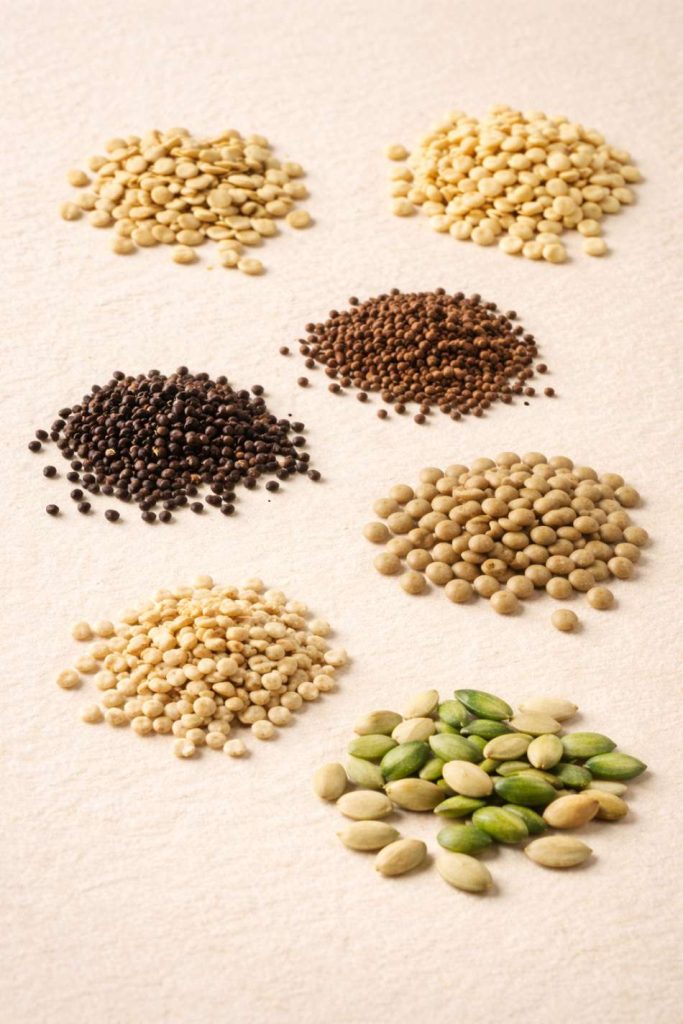
While some vegetables grow well indoors, many plants grow better when their seeds are planted directly in the garden soil. These plants usually grow quickly or have sensitive roots that do not respond well to transplanting.
Carrots and radishes are good examples of crops that should be directly sown outdoors.
These vegetables develop their edible roots underground. If they are transplanted, the roots can become damaged or grow in an unusual shape.
Plants like beans, corn, and peas also grow best when planted directly in the garden.
Their seeds germinate quickly in warm soil and the plants establish strong roots when they grow in the same place where they will mature.
Direct sowing is often easier and requires less work because there is no need to transplant seedlings later.
With proper soil preparation and regular watering, these crops can grow quickly and produce a healthy harvest.
Check this: 48 Vegetables You Can Plant in March
Basic Supplies for Starting Seeds Indoors
Starting seeds indoors does not require many tools, but having the right supplies can make the process much easier.
These basic materials help seeds germinate properly and allow young seedlings to grow strong and healthy.
Seed trays or pots
Seed trays, small pots, or recycled containers can be used to plant seeds indoors. The containers should have drainage holes at the bottom so excess water can escape.
Proper drainage helps prevent root problems and keeps the soil from becoming too wet.
Seed-starting mix
A good seed-starting mix is important for successful germination. This type of soil is light, loose, and drains well, allowing tiny roots to grow easily. Regular garden soil is usually too heavy and may contain pests or diseases.
Grow lights or a sunny window
Seedlings need plenty of light to grow strong. A bright sunny window that receives several hours of sunlight each day works well.
Many gardeners also use grow lights to provide consistent light, especially when natural sunlight is limited.
Watering can or spray bottle
Seeds and young seedlings need gentle watering. A spray bottle or small watering can help keep the soil moist without disturbing the seeds. It is best to keep the soil slightly moist but not overly wet.
Plant labels
Plant labels help you remember what you planted and when. Since many seedlings look similar in the early stages, labeling each container can prevent confusion as the plants begin to grow.
Common Seed Starting Mistakes to Avoid
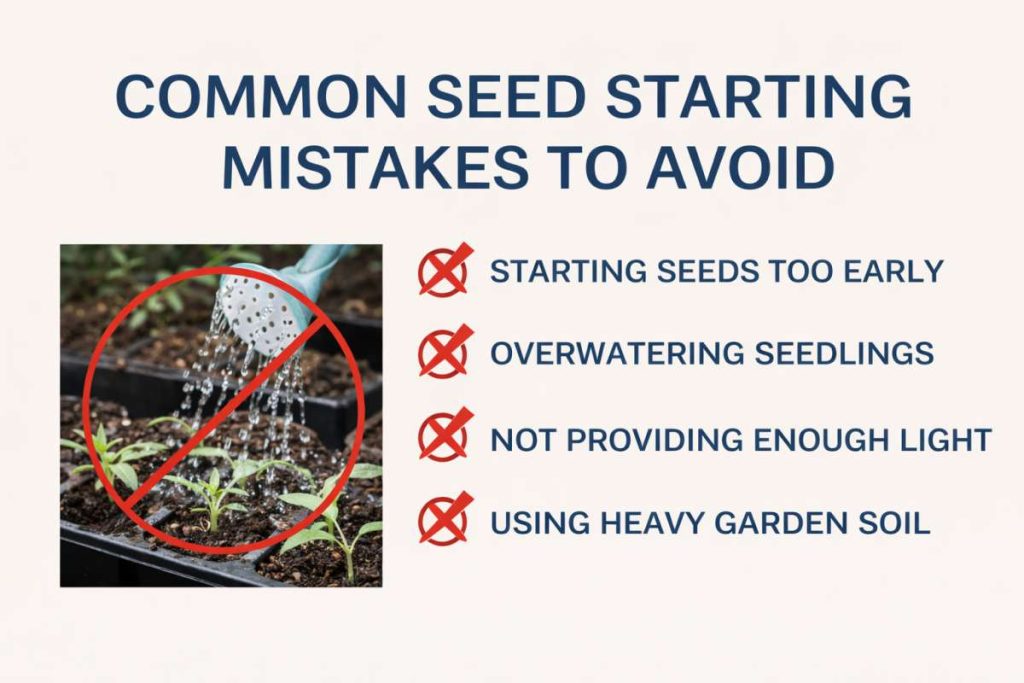
Starting seeds indoors is fairly simple, but a few common mistakes can affect the health of young plants.
Avoiding these problems will help your seedlings grow stronger and prepare them for a successful transplant into the garden.
Starting seeds too early
Many gardeners start seeds too early, thinking it will give plants a bigger head start. However, seedlings that grow indoors for too long can become leggy or root-bound before it is time to move them outside.
Overwatering seedlings
Too much water can harm young plants. Seedlings need moist soil, but overly wet soil can cause root problems and diseases. It is best to water gently and allow the top layer of soil to dry slightly between watering.
Not providing enough light
Light is very important for healthy seedlings. Without enough light, seedlings grow tall and weak as they stretch toward the light source. Placing them near a bright window or under grow lights helps them grow stronger.
Using heavy garden soil
Regular garden soil is often too heavy for starting seeds. It can compact easily and prevent proper root growth. Using a light seed-starting mix gives seeds better conditions for germination and healthy root development.
Conclusion
Starting seeds indoors at the right time can make a big difference in the success of your garden. When seeds are planted at the proper time and given the right care, seedlings grow strong and healthy before being moved outdoors.
With well-developed plants ready for transplanting, gardeners can enjoy earlier harvests, better plant growth, and a more productive garden throughout the growing season. A little planning and proper timing can go a long way in helping your plants thrive.
Khaja Moinuddin, a computer science graduate, finds joy in gardening and homesteading. Join him on this blog as he shares his experiences in homesteading, gardening, and composting