March is that time when winter slowly steps back and spring begins to show up. The air feels lighter, the sun stays out a bit longer, and you can finally think about getting your hands back in the soil.
It’s a great month to roll up your sleeves and start planting flower seeds.
The weather is also much kinder to young plants now. The freezing cold is mostly gone, daytime temperatures feel pleasant, and the soil begins to warm up.
Nights can still be a little cool, but overall, the conditions are far more comfortable than in winter.
Because of this, seeds sprout faster and grow more steadily. They get the warmth, moisture, and sunlight they need to germinate properly.
With longer days and balanced weather, March gives seedlings a strong and healthy start for the active growing season ahead.
You can grow bright blooms like marigold, zinnia, cosmos, sunflower, and petunia with simple care in March.
With proper sunlight, good soil, and regular watering, your garden will soon be filled with vibrant color.
13 Flower Seeds to Plant in March
Planting flowering seeds in March is one of the easiest ways to fill your garden with color in the months ahead.
As the weather starts warming up and the soil becomes workable, many annuals and quick-growing blooms get the perfect head start.
1. Marigold

Marigolds are one of the easiest and most rewarding flower seeds to plant in March. They love warm weather, and sowing them now gives them plenty of time to grow strong before peak summer arrives. The mild temperatures help seeds germinate quickly, and you’ll usually see sprouts within a week or so.
These flowers thrive in full sunlight and don’t demand much fuss. Just plant the seeds in well-draining soil, keep it lightly moist, and they’ll happily do the rest. With their bright yellow, orange, and golden blooms, marigolds bring cheerful color to garden beds, borders, and even pots.
2. Zinnia

Zinnias are another fantastic flower seed to plant in March. They love warm soil and sunshine, so sowing them now gives them the perfect head start. As temperatures rise, they germinate quickly and grow fast without much trouble.
These flowers thrive in full sun and well-draining soil. Just sow the seeds directly where you want them to grow, water gently, and watch them take off.
Zinnias reward you with bright, bold blooms in shades of pink, red, orange, yellow, and white. They’re perfect for garden beds, borders, and even for cutting to bring fresh color indoors.
Also Read: 14 Perennial Bulbs to Plant in Spring
3. Cosmos

Cosmos are tall, airy plants with soft, feathery leaves and simple daisy-like flowers. Their blooms come in pretty shades of pink, white, and purple, giving the garden a light and relaxed, cottage-style look.
March is a great time to plant cosmos seeds. The mild weather helps them sprout easily, and they grow quickly as the days become warmer and brighter.
They love full sun and don’t need very rich soil to do well. Just sow the seeds directly in well-draining soil and keep it lightly moist until they germinate.
Once established, cosmos are quite hardy and can handle a bit of dry weather. By early summer, they’ll reward you with plenty of cheerful blooms and even attract butterflies to your garden.
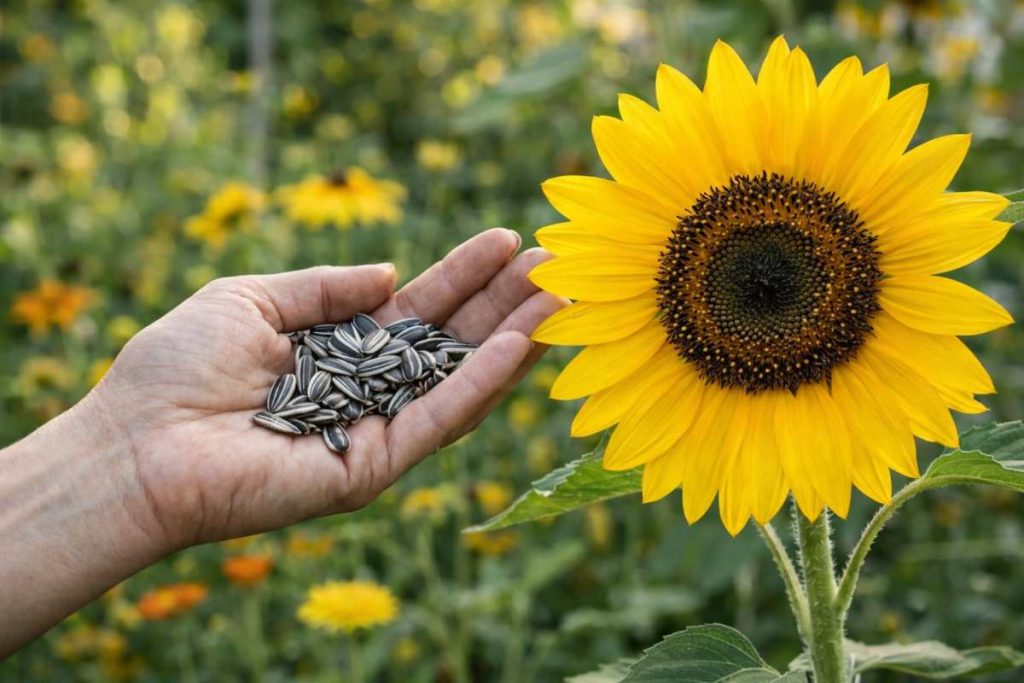
4. Sunflower

Sunflowers are tall, bold plants with large round blooms that follow the sun. Their bright yellow petals and dark centers instantly make any garden look lively and cheerful.
March is a good time to sow sunflower seeds because the soil starts warming up. The mild weather helps seeds germinate quickly and grow strong before summer heat arrives.
They need full sunlight and plenty of space to grow. Sow the seeds directly in the ground, keep the soil moist until they sprout, and support taller varieties if needed.
By summer, you’ll have big, eye-catching flowers. Sunflowers are great for borders, backyards, and even for cutting to use in vases.
5. Petunia

Petunias are popular flowering plants known for their soft, trumpet-shaped blooms. They come in many colors like pink, purple, red, white, and even mixed shades.
Starting petunia seeds in March gives them enough time to grow well before peak flowering season. The mild temperatures and longer days support steady early growth.
They grow best in full sun and well-draining soil. Keep the soil slightly moist and avoid overwatering, especially when the plants are young.
With regular care, petunias bloom heavily and continuously. They are perfect for pots, hanging baskets, and garden edges, adding bright color for months.
Also Read: 27 Spring Flower Garden Ideas to Transform Your Yard
6. Calendula

Calendula, also called pot marigold, is a cool-season flowering plant that grows quickly from seed. It usually germinates within 7–10 days and starts blooming in about 6–8 weeks after sowing.
March is a suitable time to plant calendula because it prefers mild temperatures. It grows best in full sun but can also tolerate light shade. Sow the seeds directly in well-draining soil and keep it evenly moist during germination.
The flowers are usually bright orange or yellow and bloom for a long period. Calendula is also known for attracting pollinators and is often grown in kitchen gardens.
7. Sweet Pea

Sweet peas are climbing flowering plants known for their fragrant blooms. They grow best in cool to mild temperatures and can reach 4–6 feet tall with proper support.
Planting sweet pea seeds in March helps them establish before strong summer heat. They prefer full sun and rich, well-draining soil. Soaking the seeds for a few hours before sowing can improve germination.
The flowers come in soft shades of pink, purple, white, and red. Sweet peas are commonly grown along fences, trellises, or supports and are popular as cut flowers due to their pleasant fragrance.
8. Balsam
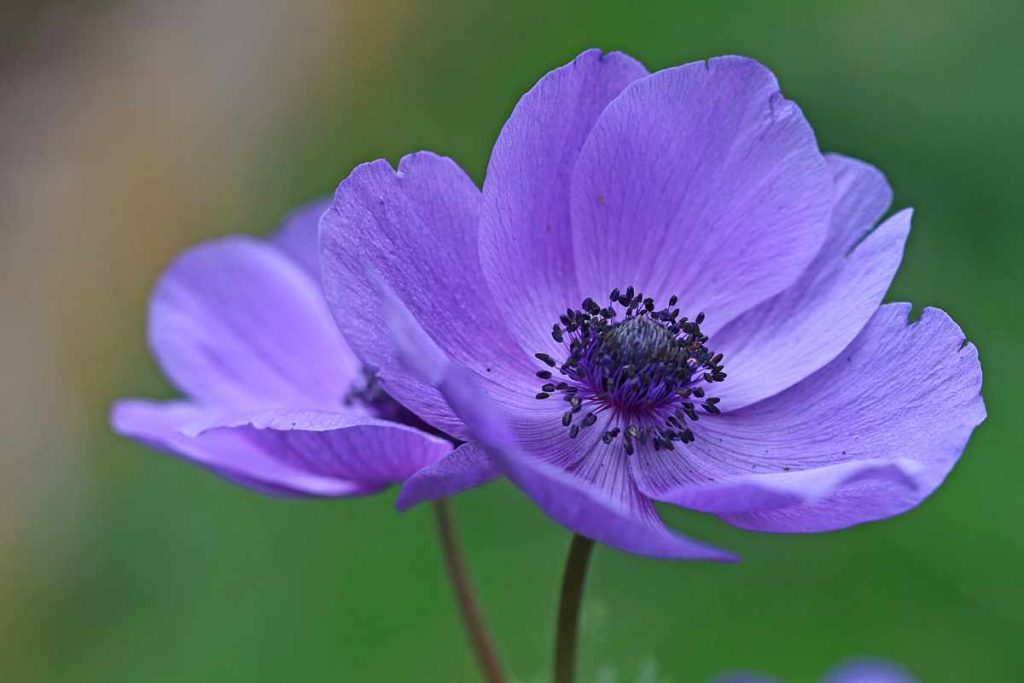
Balsam is a fast-growing annual flower that completes its life cycle in one season. It grows well from seed and usually germinates within a week in warm soil.
March is a good time to sow balsam because it prefers warm temperatures for steady growth. It grows best in full sun to partial shade and needs moist, well-draining soil.
The plant grows upright and can reach about 1 to 2 feet tall. Its flowers bloom along the stem in shades of pink, red, purple, and white during summer.
Check this: How to Propagate Geraniums from Cuttings?
9. Gaillardia

Gaillardia, also known as blanket flower, is a hardy and drought-tolerant plant. It grows easily from seed and usually germinates within 7 to 14 days.
Sowing in March helps the plant establish strong roots before hot weather arrives. It requires full sunlight and well-draining soil. Avoid overwatering, as the plant prefers slightly dry conditions.
Gaillardia produces bright daisy-like flowers in red, orange, and yellow shades. It blooms for a long period and performs well even in dry areas.
10. Portulaca
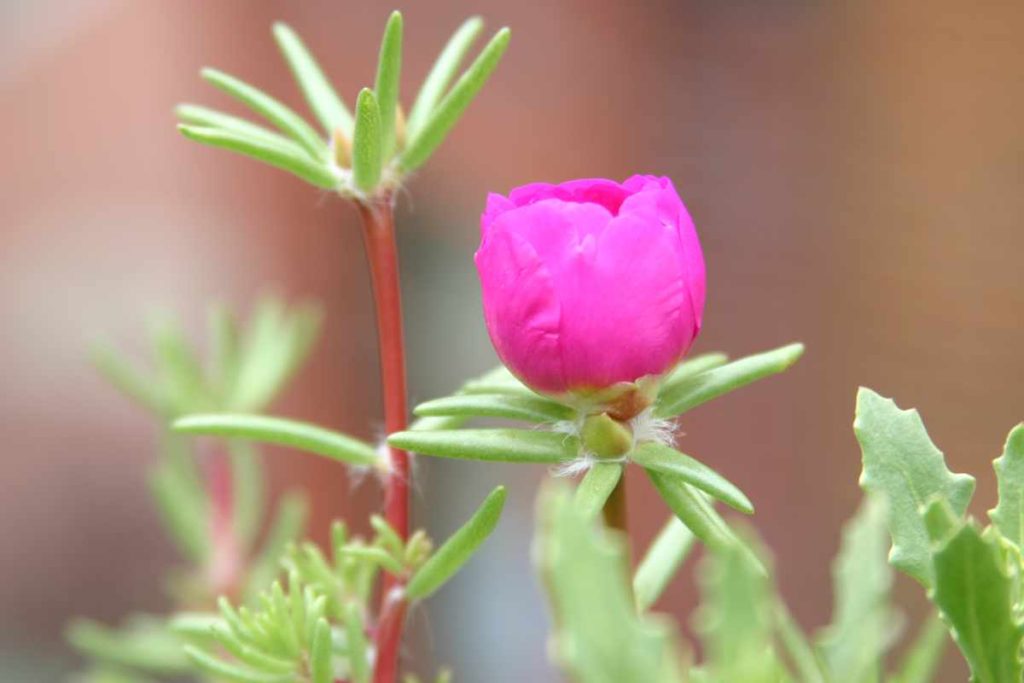
Also known as Moss Rose,portulaca is a heat-loving annual flower known for its small, rose-like blooms and thick, fleshy leaves. The leaves store water, which makes the plant highly drought tolerant. Seeds are very tiny and usually germinate within 7 to 14 days in warm soil.
March is a suitable time to sow portulaca because rising temperatures help quick germination and healthy early growth.
It requires full sunlight for best flowering. In shade, blooming may reduce. The plant grows low and spreads along the ground, making it ideal as a ground cover.
Portulaca prefers sandy or well-draining soil and does not tolerate waterlogging. Once established, it needs very little watering. The flowers come in bright shades of pink, yellow, orange, red, and white, and they usually open in full sun.
11. Phlox

Annual phlox is a compact flowering plant that produces clusters of star-shaped blooms. It grows easily from seed and typically germinates within 7 to 10 days under mild conditions.
Sowing in March allows the plant to grow during pleasant spring weather before intense heat begins. It grows best in full sun but can tolerate light shade. Well-draining soil with moderate moisture supports healthy growth.
Phlox plants usually stay low and bushy, making them suitable for borders and garden beds. The flowers bloom in shades of pink, purple, red, white, and mixed colors. With proper care, the plant flowers for a long period and adds steady color to the garden.
Also Read: How to Plant Tulip Bulbs?
12. Aster
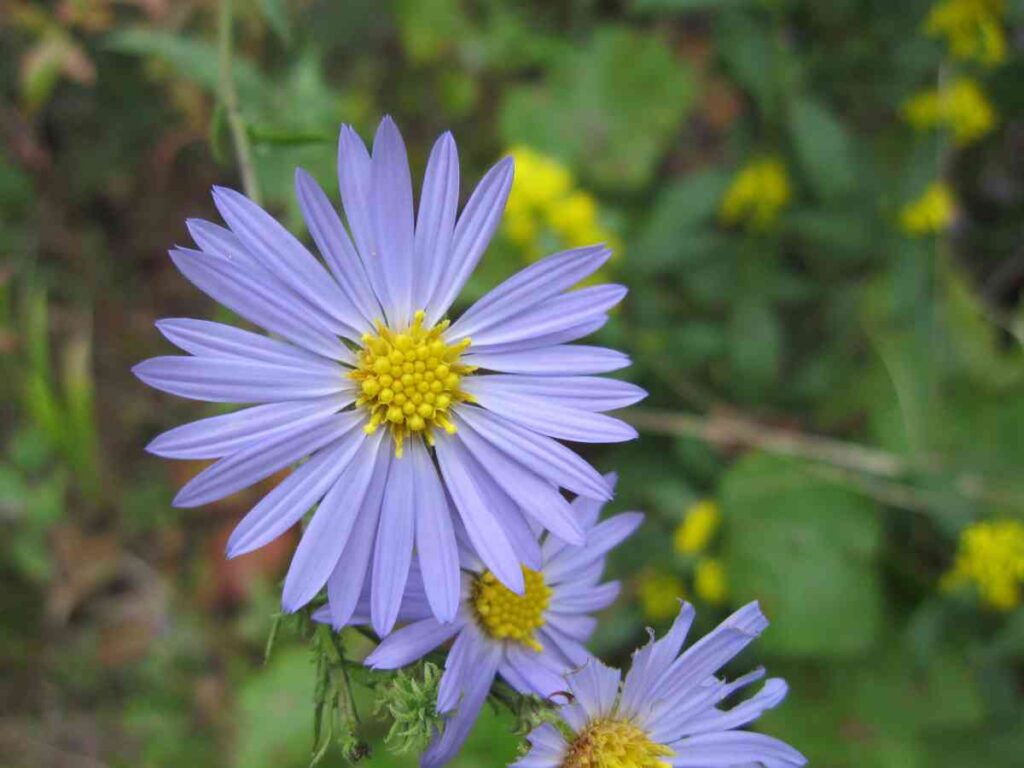
Asters are popular flowering plants known for their star-shaped blooms and bright centers. They grow easily from seed and usually germinate within 7 to 14 days in mild temperatures.
March is a good time to sow aster seeds because the moderate weather supports steady early growth. They prefer full sun and well-draining soil. Keep the soil lightly moist during germination but avoid overwatering.
Asters grow upright and can reach 1 to 3 feet tall, depending on the variety. The flowers bloom in shades of purple, pink, blue, red, and white. They are commonly used in garden beds and also make good cut flowers.
13. Morning Glory

Morning glory is a fast-growing climbing plant known for its trumpet-shaped flowers. It grows quickly from seed, and germination usually takes 5 to 10 days in warm soil.
Planting in March allows the vine to establish before peak summer growth. It requires full sunlight and well-draining soil. Providing a trellis or support is important, as the plant can climb 6 to 10 feet tall.
The flowers bloom in shades of blue, purple, pink, and white. Each bloom opens in the morning and closes by afternoon. Morning glory is commonly grown along fences, walls, and arches for vertical garden interest.
How to Germinate Seeds?
In March, seeds can be germinated either indoors or outdoors, depending on the weather conditions in your area.
If temperatures are still low at night or there is a risk of frost, starting seeds indoors is safer. Use seed trays or small pots with light, well-draining soil. Keep them in a place with good sunlight and maintain slightly moist soil for proper germination.
- You can sow seeds directly out in the garden if the weather is mild and frost-free. Prepare the soil by loosening it and removing weeds.
- Sow seeds at the recommended depth, cover lightly with soil, and water gently.
- Choose a location that receives enough sunlight. Always follow the instructions on the seed packet, as germination needs may vary by plant type.
Also Read: 17 Perennials that Bloom in Fall and Winter
Conclusion
March is a great month to start planting flower seeds. The weather is not too cold and not too hot. The days are longer, and the soil begins to warm up. These conditions help seeds sprout easily and grow well.
When you plant in March, your flowers get enough time to grow strong before the summer heat.
With proper sunlight, good soil, and regular watering, you can enjoy colorful blooms for many months. A little effort now can give you a beautiful and bright garden ahead.


Khaja Moinuddin, a computer science graduate, finds joy in gardening and homesteading. Join him on this blog as he shares his experiences in homesteading, gardening, and composting