Most gardeners assume that once the first frost hits, tomato season is officially over. The plants blacken, the vines collapse, and that’s that—until next spring. But here’s the thing: tomato plants don’t have to be one-season wonders.
With a little planning, you can actually overwinter tomato plants and keep them alive through the cold months. That means earlier harvests, stronger plants, and less work next growing season. Sounds pretty good, right?
Overwintering tomatoes is all about protecting them from frost and helping them rest or continue growing indoors. Instead of starting from tiny seedlings each year, you get a head start with mature, established plants that are ready to grow the moment warm weather returns.
Are Tomato Plants Annual or Perennial?
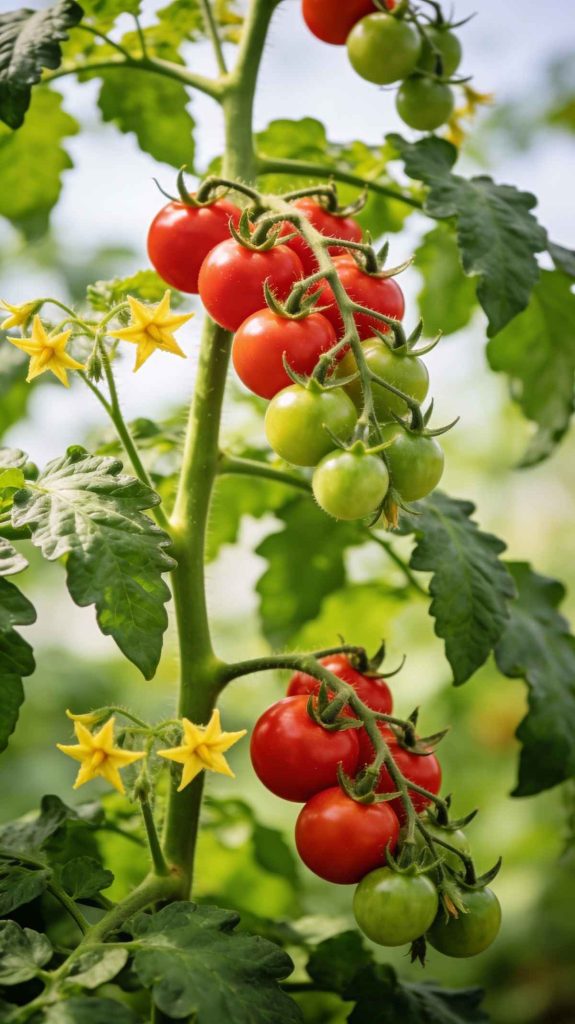
Technically speaking, tomato plants are perennials, not annuals. In their native tropical climates of Central and South America, tomatoes grow year-round and can live for several years.
The reason most of us treat them as annuals is simple: frost. Tomatoes are extremely cold-sensitive, and once temperatures dip below freezing, the plants die back. In warmer regions like USDA Zones 10–11, tomatoes can survive outdoors for more than a year and keep producing fruit.
In cooler climates, though, overwintering is the only way to take advantage of their perennial nature. With the right setup, you can protect plants from freezing and enjoy a much longer growing cycle.
Also Read: How to Can Fresh Tomatoes?
Benefits of Overwintering Tomato Plants
Earlier Harvests
One of the biggest perks of overwintering tomatoes is getting a jump start on the season. Instead of waiting weeks for seedlings to grow, you’re planting a mature plant that’s already established. That means flowers—and fruit—appear much earlier than usual.
Stronger Root Systems
Overwintered plants already have well-developed roots, giving them a major advantage once they’re back outdoors. Strong roots lead to healthier growth, better nutrient uptake, and heavier fruit production.
Time and Cost Savings
You’ll save money on seeds and transplants, and you won’t need to spend weeks nurturing fragile seedlings indoors. If you have a favorite heirloom or particularly productive plant, overwintering also lets you preserve those exact genetics year after year.
Fewer Pest Issues
Since pests are far less active during winter, overwintered plants face fewer infestations. This gives them a healthier start when spring arrives.
How to Overwinter Tomato Plants?
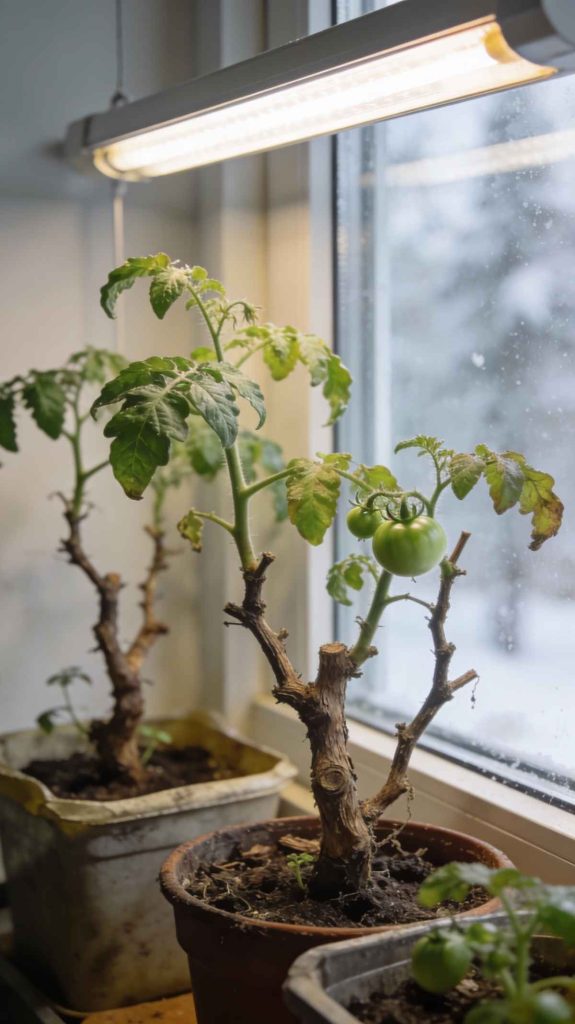
Overwintering tomato plants helps you extend their life beyond one growing season and enjoy earlier harvests next year. Instead of letting plants die with the first frost, you can protect and preserve them indoors through simple methods.
Tomatoes can be overwintered by bringing them inside as dormant plants, growing them as houseplants, or taking stem cuttings. Each method helps save time, effort, and money while giving you a strong head start when spring arrives.
Method 1: Keeping Plants Dormant Indoors
This is one of the easiest and most hands-off ways to overwinter tomato plants, making it ideal for gardeners who want results without constant maintenance. The goal here isn’t to keep the plant actively growing, but to allow it to rest through winter while staying alive and healthy.
Start by carefully digging up your tomato plant before the first hard frost. Try to keep as much of the root system intact as possible to reduce stress.
Shake off excess garden soil and transplant the plant into a clean pot filled with fresh, sterile potting mix. Water it well to help settle the roots, then leave it outdoors for about a week so it can adjust to the container.
After this transition period, move the plant indoors to a cool, low-light location such as a basement, garage, or spare room. Ideal temperatures range between 55–65°F. The plant only needs a few hours of indirect light each day, just enough to stay alive without encouraging new growth. Water sparingly—about once every two weeks—just to keep the roots from drying out.
If you notice new leaves forming, it’s a sign the plant is getting too much warmth or light. Simply move it to a cooler, darker spot. With minimal care, your tomato plant will rest through winter and be ready to bounce back in spring.
Also Read: How to Store Tomatoes from Garden?
Method 2: Growing Tomatoes as Houseplants
If you’d like your tomato plant to stay active and continue growing through winter, treating it like a houseplant is a great option. This method requires a bit more attention than dormancy, but it can be very rewarding—sometimes even producing fresh tomatoes during the colder months.
Start by transplanting your tomato into a clean container filled with fresh, well-draining potting soil. Place the plant under strong grow lights, as natural daylight during winter usually isn’t enough to support healthy growth. Aim for 12–16 hours of light per day to mimic summer conditions. Without sufficient light, plants will become leggy and weak.
Water the plant when the top inch of soil feels dry, being careful not to overwater. Tomato roots prefer consistent moisture but can rot if left soggy. Feed lightly with a balanced liquid fertilizer once a month to support slow but steady growth.
Rotate the pot every few days so all sides receive equal light, which helps prevent leaning or uneven growth.
While production may slow compared to outdoor summer plants, healthy indoor tomatoes can still flower and produce fruit, giving you a taste of summer even in the middle of winter.
Also Read: How to Keep a Greenhouse Warm in Winter?
Method 3: Overwintering Through Stem Cuttings
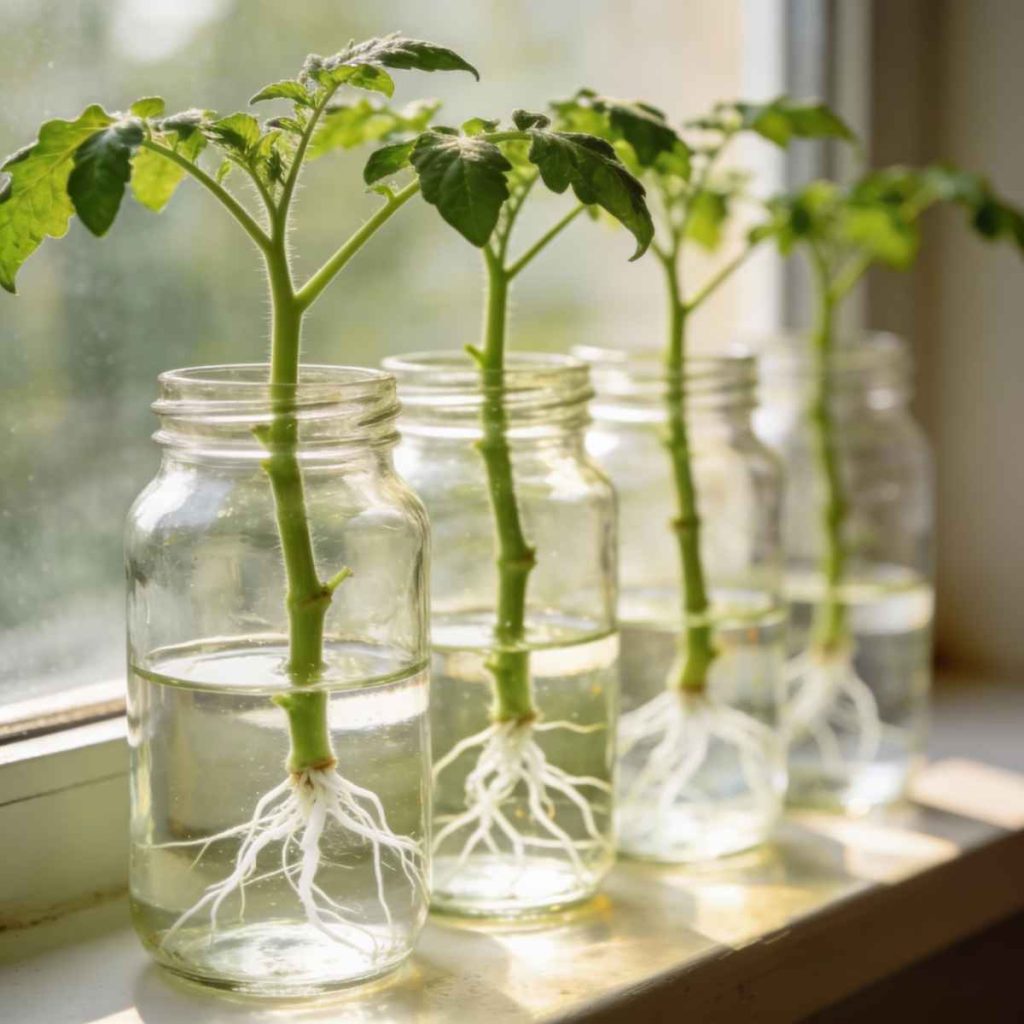
If space is limited, this is one of the easiest and most efficient ways to overwinter tomato plants. Instead of keeping an entire mature plant, you simply preserve small cuttings that grow into full plants by spring.
About four to six weeks before your first expected frost, take 4–6 inch cuttings from healthy side shoots or suckers. Remove the lower leaves and place the cuttings in a glass of water, keeping them in a bright, warm spot out of direct sunlight. Within 10–14 days, you should see roots beginning to form.
Once the roots reach about an inch long, transfer the cuttings into small pots filled with fresh potting soil.
Place them in bright light or under grow lights and water as needed to keep the soil lightly moist. These young plants can be grown indoors all winter and later transplanted outdoors in spring, giving you strong, well-established plants without taking up much space.
Check this: 27 Vegetables to Grow Indoors in the Winter
Method 4: Bare-Root Dormant Storage
This method is best suited for experienced gardeners and works well when space is limited. It allows you to store tomato plants in a fully dormant state until spring arrives.
Begin by carefully digging up the entire plant and gently shaking off most of the soil from the roots. Avoid damaging the root system as much as possible.
Wrap the exposed roots in slightly damp paper towels or newspaper, then place the plant inside a plastic bag or wrap to hold in moisture. Store it in a cool, dark location such as a basement, cellar, or unheated garage where temperatures stay just above freezing.
Check the roots once a month to ensure they haven’t dried out completely, lightly misting if needed. When spring approaches, remove the plant from storage, pot it in fresh soil, and slowly reintroduce it to light and warmer temperatures.
With proper care, the plant will wake from dormancy and be ready for another productive growing season.
Method 5: Greenhouse Overwintering
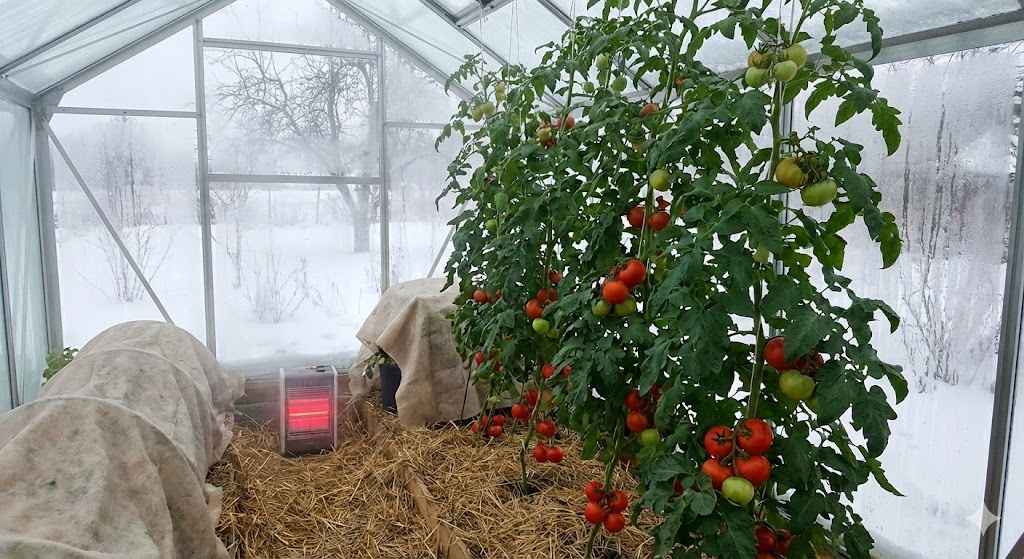
If you have access to a greenhouse, overwintering tomatoes becomes one of the easiest and most reliable options. A protected environment allows plants to stay healthy without the stress of extreme cold or fluctuating outdoor conditions.
Keep greenhouse temperatures above 50°F and ensure good airflow to prevent disease buildup. Water as needed, allowing the soil to dry slightly between waterings, and provide light feeding to support slow, steady growth.
Occasional pruning helps control size and encourages airflow around the plant. With consistent care, tomatoes can continue growing through winter and be ready to thrive as soon as warmer weather returns.
Also Read: 19 Herbs to Grow Indoors in Winter
Final Note
Overwintering tomato plants is a rewarding way to stretch your growing season and get a serious head start on next year’s harvest. Whether you choose to keep plants dormant, grow them indoors, or take cuttings, each method has its advantages.
Not every gardener needs to overwinter tomatoes—and that’s okay. But if you enjoy experimenting, saving money, and harvesting earlier than everyone else, it’s absolutely worth trying. With a little planning and patience, your tomato plants can keep thriving long after summer ends.


Khaja Moinuddin, a computer science graduate, finds joy in gardening and homesteading. Join him on this blog as he shares his experiences in homesteading, gardening, and composting