Often gardeners mark winter as the season of dormancy.
Sure, there are plants which undergo dormancy, but as a gardener you don’t have to halt your work.
If you’ve chosen wisely, you can enjoy planting, pruning and harvesting throughout the year.
In this write-up, you’ll learn about the succulents that can survive winter.
While many people assume succulents belong only in warm, dry climates, the truth is that some of the toughest winter survivors actually come from the succulent world.
If you’ve been relying on tender houseplants, you might be surprised to learn that many hardy succulents keep growing quietly through winter.
They’re built with natural “antifreeze,” drought-smart roots, and rosettes that tighten up to protect themselves from frost.
And yes—these cold hardy succulents can survive outdoors in freezing climates, especially across USDA zones 3–10.
With good drainage and dry soil, they handle winter far better than you’d expect.
Also Read: 19 Best Low Light Succulents to Grow Indoors
Can Succulents Survive Winter?
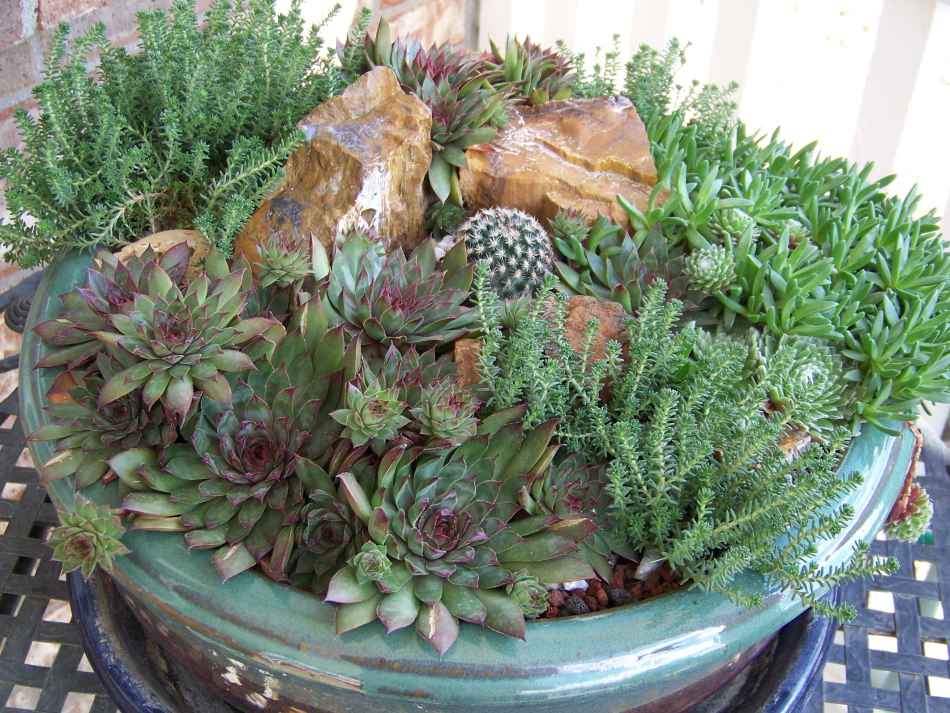
Yes, many succulents can survive winter, but it depends on the type of plant and where you keep them.
Tender succulents like Echeveria, Jade, Aloe, and Crassula can’t handle freezing temperatures outdoors, but they do perfectly fine indoors with bright light and very minimal watering.
Cold-hardy succulents, such as Sempervivum, Sedum, and certain Opuntia varieties, can survive outdoors even in freezing or snowy conditions.
They’re built to tolerate “dry cold,” tighten their rosettes, and protect themselves naturally through winter.
Whether indoors or outdoors, the key to winter survival is drainage and dryness. Keep tender types warm and bright indoors, and make sure hardy types outside stay in fast-draining soil so they don’t sit in cold, wet conditions.
14 Cold Hardy Succulents That Can Survive Winter
If you wish to enjoy gardening year-long, then you must have a varied collection of plants.
Mixing hardy outdoor varieties with easy indoor growers keeps your space lively in every season. No matter the weather outside, something in your garden will always be thriving. instance
1. Sempervivum (Hens and Chicks)
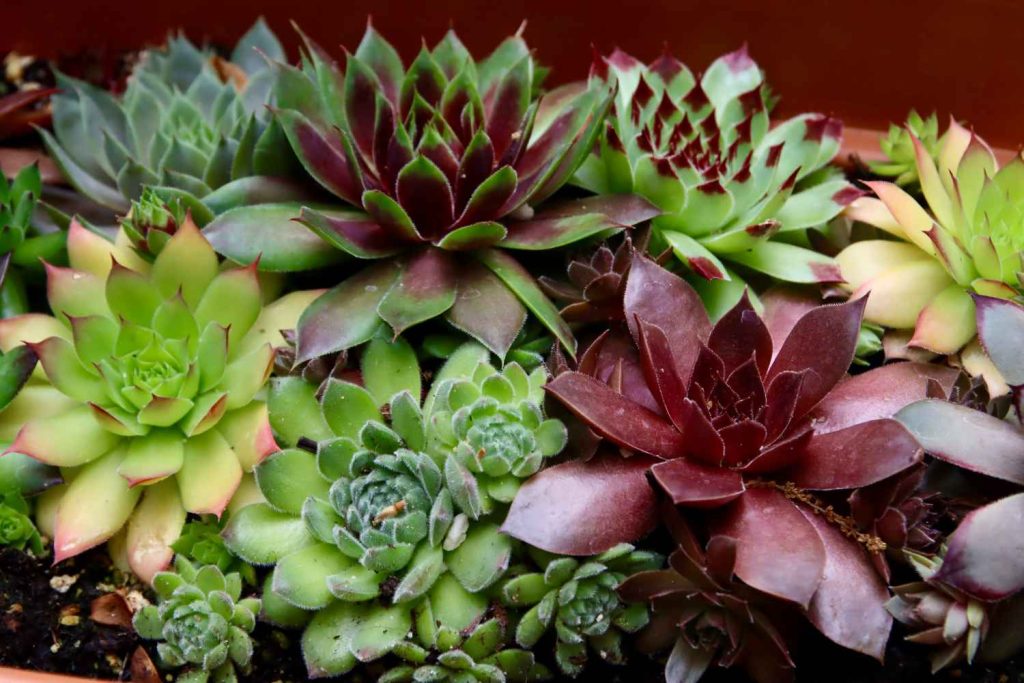
Winter is considered the season when most plants slow down, but Sempervivum sees it as just another part of life. These rosettes tuck in tightly, brace against the cold, and can handle temperatures as low as –30°F. They’re used to rugged mountain conditions, so snow and frost barely bother them.
If your soil drains well and stays dry in winter, Sempervivum will stay happy. The rosettes even color up beautifully in cold weather. Just avoid winter watering—wet, frozen soil is the only thing that can truly harm them.
2. Hardy Sedum (Stonecrop)

Sedum is a winter champion that doesn’t ask for much. Even when temperatures drop below zero, the dried flowers stand like little sculptures in the frost. These plants thrive in rocky, lean soil that drains quickly, and they barely need any care once established.
Through winter, Sedum prefers to stay dry and enjoy the natural cold. As long as the soil isn’t soggy, these tough ground covers hold their structure and come back strong in spring with fresh color.
Check this: 17 Perennials that Bloom in Fall and Winter
3. Delosperma (Ice Plant)
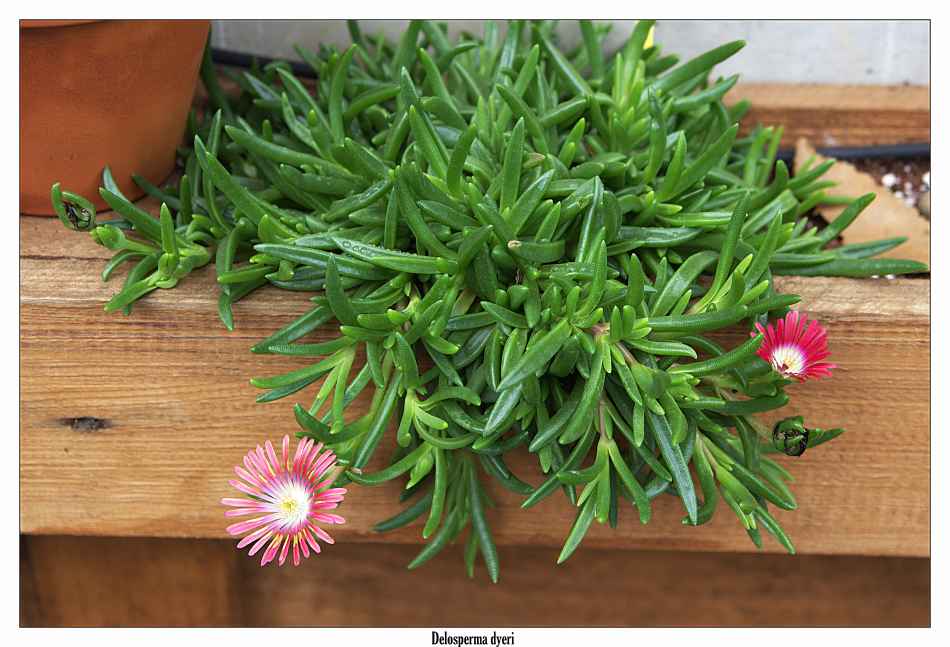
Delosperma may look delicate with its shimmering leaves, but it’s surprisingly tough. It’s one of the few succulents that hugs the ground, survives around 0°F, and still blooms beautifully once warmth returns.
The secret is drainage. Ice Plants love gritty soil and full sun, especially in winter. They store plenty of moisture in their leaves, so keeping them dry through the cold months is key.
4. Orostachys spinosa (Chinese Dunce Cap)
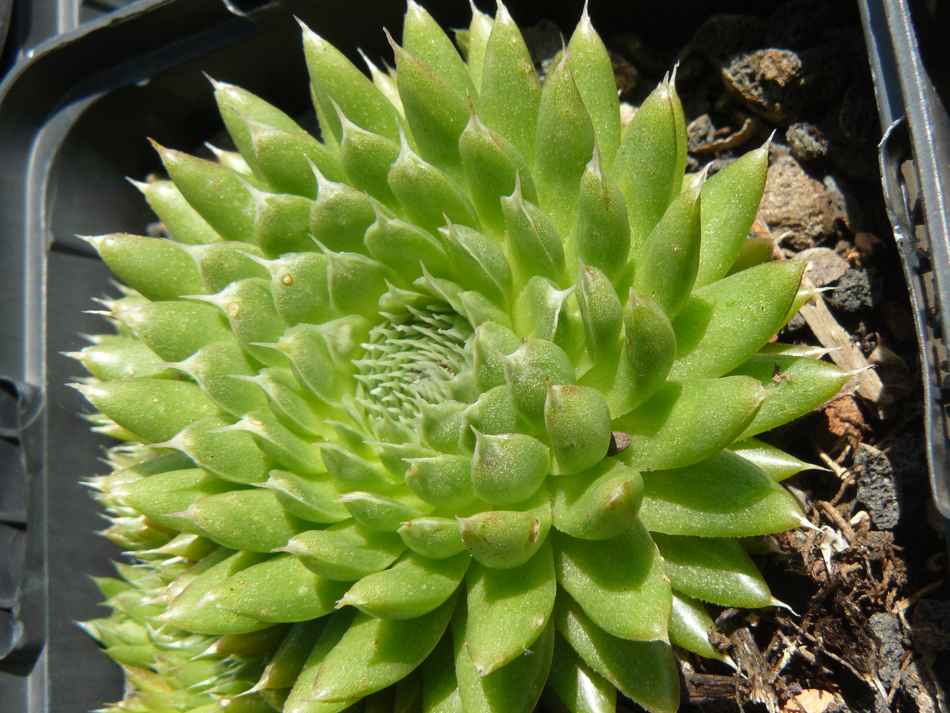
Orostachys looks like an alpine jewel, and it’s every bit as tough. These spiraled rosettes can handle –30°F and will even photosynthesize under snow. Winter doesn’t slow them down—it simply shifts them into survival mode.
All they ask for is dry, fast-draining soil. Wet conditions during freeze-thaw cycles are the real threat, so placement on slopes or raised beds helps them shine through winter.
Also Read: How to Grow Potatoes in Winter?
5. Jovibarba heuffelii
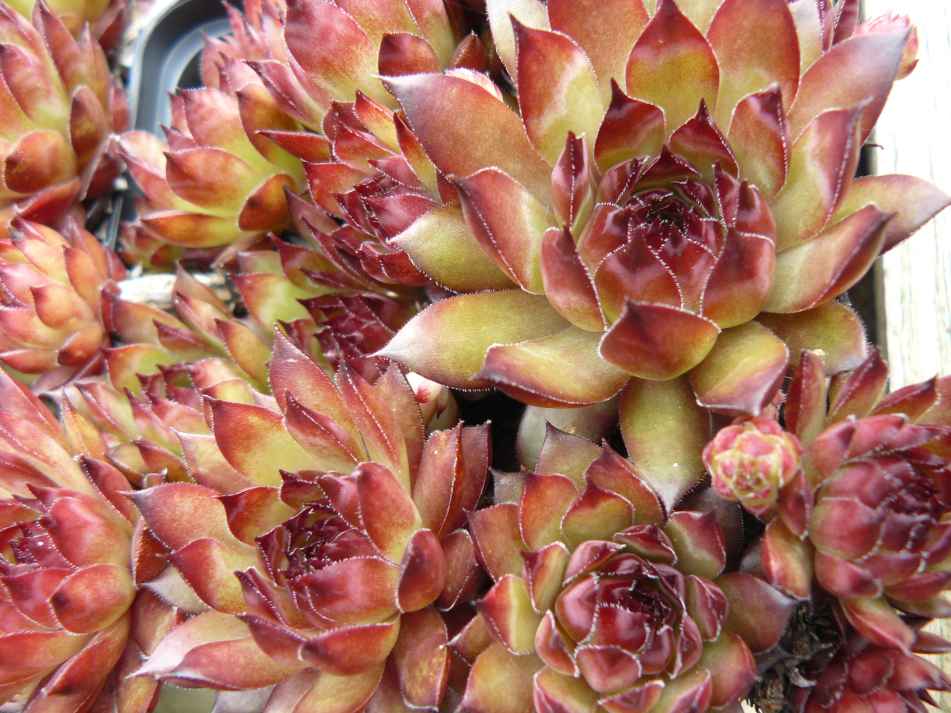
Jovibarba feels like the rugged cousin of Sempervivum—just as hardy, but with extra resistance to moisture. These rosettes stay firm through freezing temperatures and hold their color even in winter chill.
They like sunlight, rocky soil, and dry roots during the coldest months. And while they’re slow to multiply, each cluster becomes more striking year after year.
6. Opuntia (Prickly Pear Cactus)
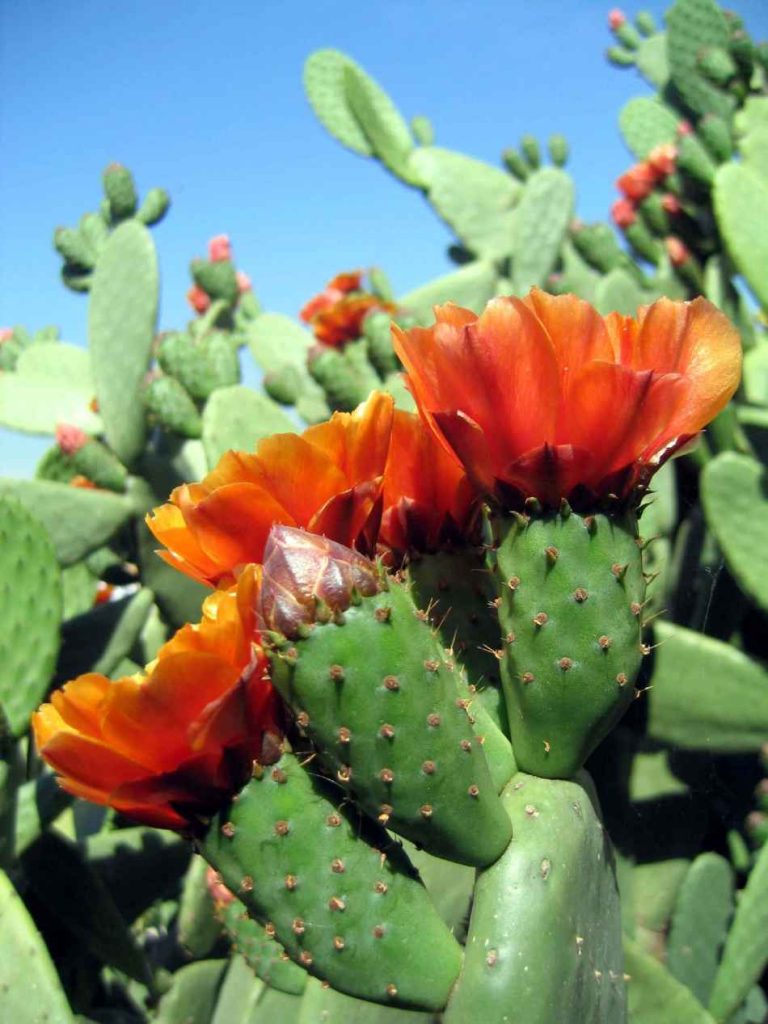
It’s surprising to see a cactus thriving in snow, but hardy Opuntia does exactly that. Some varieties survive –20°F and even turn shades of purple in winter as a natural defense.
Just give them sun and sharply draining soil. These cacti prefer to stay bone-dry in winter, and their pads shrivel slightly to protect themselves from freezing. Spring moisture plumps them right back up.
7. Agave parryi (Artichoke Agave)
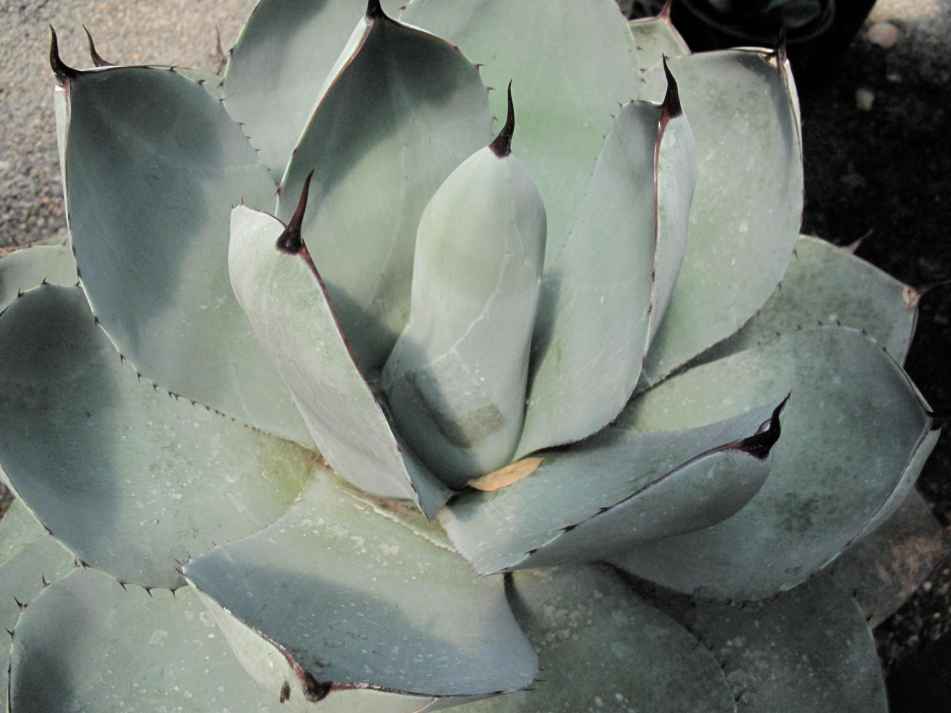
Agave parryi carries that classic sculptural look, and it’s far tougher than most agave species. It handles down to –20°F as long as the soil stays dry and gritty.
Winter survival for this agave is all about avoiding standing water. Planting on mounds, berms, or gravel beds keeps the roots safe, letting the plant hold its dramatic shape all year.
8. Yucca filamentosa (Adam’s Needle)

Yucca filamentosa stays evergreen through winter, keeping your garden structured even in the coldest months. Its deep roots store water efficiently and help it sail through freezing spells without fuss.
Once mature, it needs almost no winter care. Just give it sun, drainage, and space—and in early summer, it rewards you with tall spikes of creamy blooms.
Also Read: 19 Herbs to Grow Indoors in Winter
9. Rosularia platyphylla
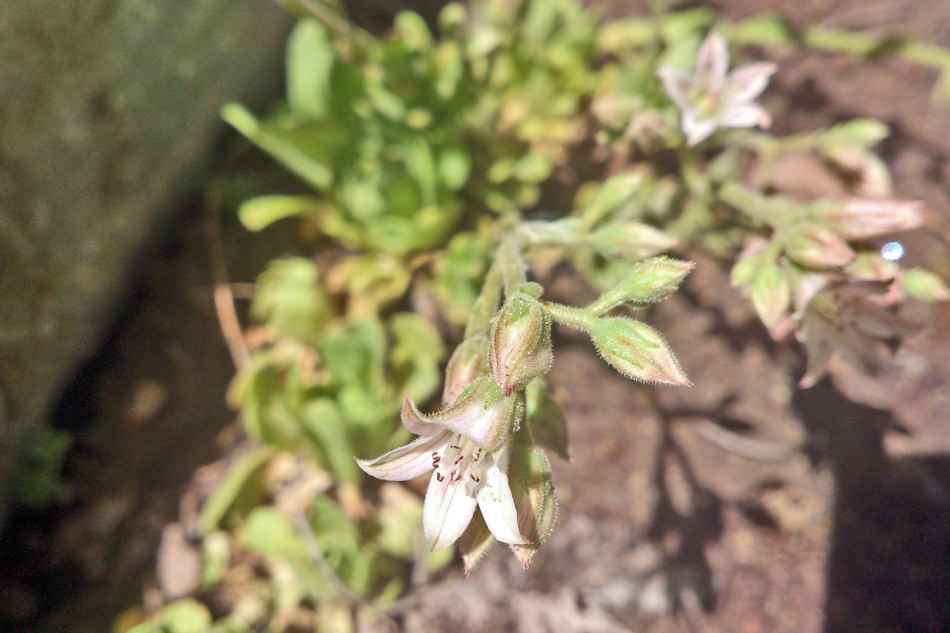
Rosularia may not be as well-known as Sempervivum, but its cold tolerance is incredible. Originating from Himalayan cliffs, it easily handles severe freezes and thrives in rocky, gritty soil.
Winter care is simple: keep it dry and give it sunlight. Snow cover is fine, but waterlogged soil is not. Over time, Rosularia forms tight little clusters perfect for troughs and rock gardens.
10. Graptopetalum paraguayense (Ghost Plant)

Ghost Plant may look delicate with its dreamy pastel leaves, but it’s tougher than it appears. It tolerates down to around 5°F and even bounces back after freezing.
In winter, it prefers to be left alone—no watering, just bright light and dry soil. By spring, its rosettes perk up again, ready to spill over edges with soft, trailing growth.
11. Pachyveria pachytoides

This chubby little hybrid carries the cold tolerance of its Pachyphytum parent and the charm of an Echeveria. It can survive brief freezes and keeps its powdery, frosted look all winter.
Just protect it from excess moisture and give it bright light. In USDA zones 8+, it becomes an easy, reliable winter succulent.
12. Lewisia cotyledon (Cliff Maids)

Lewisia is an alpine superstar—one that actually prefers cold, snowy winters. The snow acts like insulation, letting it rest until spring when it bursts into bloom with showy flowers.
Drainage matters more than anything. These plants are used to cliff faces and cracks, so soggy soil is their only enemy. In wet winter regions, overhead protection makes a huge difference.
13. Sempervivum arachnoideum (Cobweb Houseleek)

This tiny cobwebbed Sempervivum is built for harsh winters. The fine white threads act like natural insulation, keeping the central bud protected from freezing winds.
Like other Sempervivums, it loves dry, stony soil and sunlight. Through winter, it sits tight and waits for spring, forming dense little colonies that look magical under frost.
14. Opuntia humifusa (Eastern Prickly Pear)
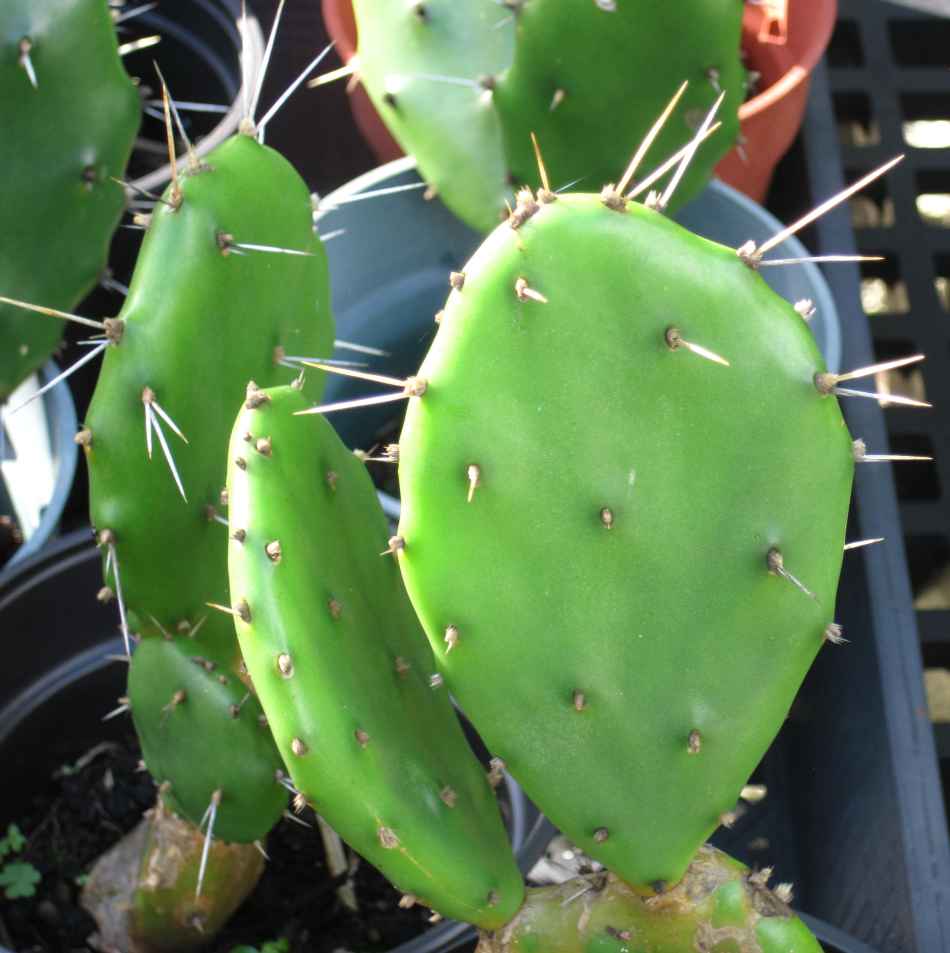
Opuntia humifusa is one of the hardiest native cacti in North America, surviving far below freezing. In winter, its pads shrink and wrinkle on purpose—a strategy to avoid bursting in the cold.
Plant it somewhere dry and sunny. By spring, the pads rehydrate, and soon after, the plant bursts into sunny yellow blooms followed by edible fruits.
Winter Succulent Care
Winter succulent care mostly comes down to keeping things dry. These plants handle cold well, but the mix of freezing temperatures and wet soil is what causes trouble.
Cut watering way back during winter dormancy. Outdoor hardy succulents usually need no water at all, while indoor ones only need a light drink every few weeks.
Good lighting still matters, even in winter’s shorter days. A sunny window or gentle grow light keeps plants compact and prevents stretching.
Protect them from sudden temperature swings rather than just low temps. Snow acts like insulation, but cold rain and repeated freeze–thaw cycles can stress the roots.
Avoid fertilizing and repotting until spring. Winter is their rest period, and keeping airflow around the leaves helps prevent fungal problems.
Also Read: 27 Vegetables to Grow Indoors in the Winter
Conclusion
Cold hardy succulents prove that winter gardening isn’t limited to evergreens and bare branches.
These remarkable plants can survive anywhere from 0°F to –30°F, and many actually look better when touched by frost.
As long as the soil drains well and stays dry, these resilient beauties brighten winter landscapes with structure, color, and character. With the right choices for your zone, your garden can stay alive with succulent charm even in the coldest months.

Khaja Moinuddin, a computer science graduate, finds joy in gardening and homesteading. Join him on this blog as he shares his experiences in homesteading, gardening, and composting