Snapdragons are one of the prominent cut flowers used to decorate your space.
Though buying annual bedding flower from a local nursery is convenient, they can’t be compared to long-stemmed snapdragon flowers you can grow at home.
This cold-hardy plant can be grown indoors through seed germination or you can grow snapdragons from cuttings.
Native to Mediterranean regions, snapdragons have adapted well to various climates worldwide. Their distinctive tubular flowers that open and close like little dragon mouths make them a favourite among gardeners and children alike.
You can grow snapdragons to beautify garden borders, cutting gardens, containers, and mixed flower beds.
With the right growing conditions, this flowering plant will reward you with continuous blooms from spring through fall, and in mild climates, it can even bloom through winter.
How Big Do Snapdragons Grow?
Snapdragons come in all sizes, from tiny to tall.
Dwarf types stay super compact at 4–6 inches tall and about 8–10 inches wide, great for borders and small pots. Short varieties reach 9–12 inches, while intermediate ones grow 1–2 feet tall with a spread of 12–16 inches.
The tall snapdragons are the real showpieces, stretching up to 2–4 feet and often needing a little staking to stay upright.
Some varieties also spread outward as they fill in the space. Most grow into bushy mounds around 8–12 inches wide, but trailing snapdragons can spill up to 12 inches over the edges of pots and hanging baskets.
They’re perfect if you want a soft, cascading look or a colorful groundcover in the garden.
How to Grow Snapdragons from Seeds?
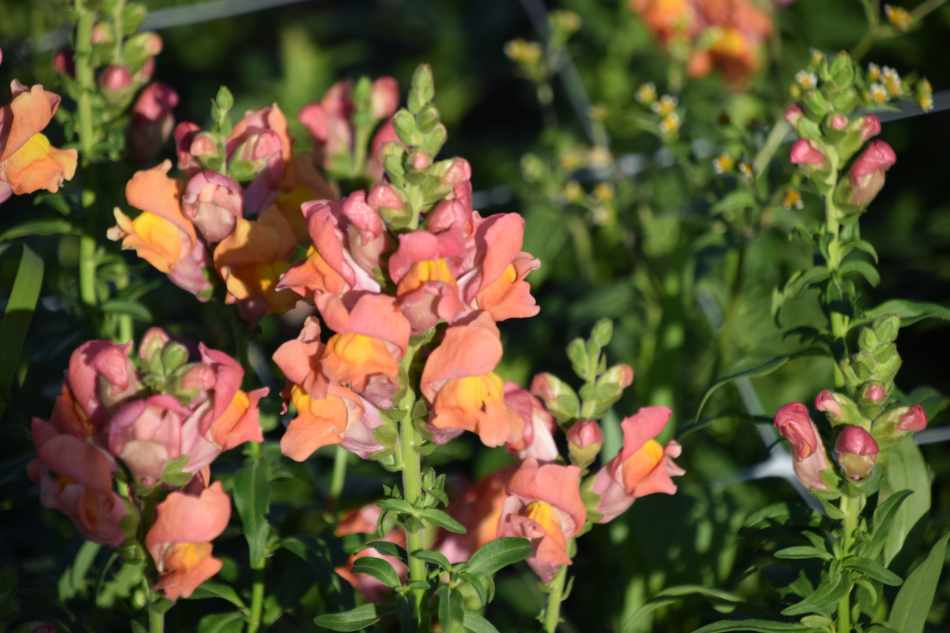
Starting snapdragons from seed is a budget-friendly way to grow a wide range of beautiful varieties. It takes a bit of patience, but with the right steps, you’ll end up with strong, healthy plants and plenty of blooms.
Starting Seeds Indoors
Begin sowing snapdragon seeds indoors 8–10 weeks before your last frost date. Fill seed trays or small pots with a moist, well-draining seed-starting mix. The seeds are tiny and need light to germinate, so simply sprinkle them on the surface and press them in gently—don’t bury them.
Keep the soil evenly moist using a spray bottle so the seeds stay in place. Place the trays in a warm spot (around 60–70°F) under grow lights or fluorescent lights. Keep the lights about 3–4 inches above the trays and run them for 16 hours a day to support strong growth.
Also Read: 17 Perennials that Bloom in Fall and Winter
Germination and Seedling Care
Snapdragon seeds usually sprout in 7–14 days if they get steady moisture, warmth, and light. Once seedlings grow their first true leaves, continue giving them bright light so they stay compact instead of becoming leggy.
When the seedlings have a few sets of leaves, begin hardening them off by slowly introducing them to outdoor conditions.
After frost danger has passed, transplant them into the garden. Pinch the tips back by an inch or two to encourage branching and fuller growth.
Direct Sowing Outdoors
If you prefer sowing directly outdoors, wait until after the last hard frost and when the soil has warmed up. Pick a sunny spot with loose, fertile soil.
Sprinkle the seeds on the surface and press them in lightly—just like you would indoors. Keep the soil consistently moist until germination happens.
Direct-sown snapdragons bloom a bit later than indoor-started plants, but they tend to develop strong root systems and handle outdoor conditions well. This method works best in areas with long growing seasons and mild spring weather.
How to Grow Snapdragon through Cuttings?
Growing snapdragons from cuttings is fast and cost-effective, giving you mature, blooming plants much sooner than starting from seed.
It also ensures the new plants are exact clones of the parent, preserving flower color, size, and overall quality.
To propagate snapdragons from cuttings, find a healthy stem and cut 20-50 mm (about 1-2 inches) immediately below a leaf node in the middle of the stem.
Remove the leaves from the bottom two-thirds of the cutting, leaving only 3-4 leaves at the top.
Rooting Methods
You have two options for rooting snapdragon cuttings:
Water method: Place the prepared cutting in water and wait for roots to develop before transplanting to soil.
Soil method: Dip the cut end in rooting hormone powder, then insert it into pre-moistened potting soil or a moist growing medium. Make a hole with a pencil or dibber first to avoid damaging the stem.
Timing and Care
The best time to take snapdragon cuttings is about six weeks before the first fall frost, though they can be propagated during the growing season as well. Keep cuttings in a warm, bright location with consistently moist soil. Snapdragons root relatively quickly—typically within 7-10 days under proper conditions.
Check this: How to Overwinter Hydrangeas?
How Much Sun Do Snapdragons Need?
Snapdragons grow and bloom best with 6–8 hours of full sun, especially morning sunlight, which is gentle and helps build strong stems and roots.
In cooler regions, giving them maximum sun helps extend their blooming period.
They can handle partial shade, particularly in hot climates where afternoon shade helps prevent heat stress and wilting.
While they may bloom a bit less, the plants stay healthier during extreme temperatures.
If planting in shadier spots, aim for at least 4–6 hours of direct sunlight to keep flowers coming. Just expect fewer blooms compared to snapdragons grown in full sun.
Preparing Soil and Garden Beds
Proper soil preparation is key to growing healthy, long-lasting snapdragons. They prefer loose, well-draining, nutrient-rich soil with a slightly acidic to neutral pH.
Adding compost or aged manure before planting improves fertility and moisture balance.
Avoid heavy or compacted soil, as it leads to poor drainage and weak roots. If your soil is clay-heavy, mix in sand, perlite, or cocopeat to improve aeration.
Rich, loose soil helps snapdragon roots establish quickly and access nutrients easily.
Choose a sunny spot with good air circulation and loosen the soil to about 8–10 inches deep.
Remove weeds, rocks, and debris, then work in 2–3 inches of compost. A smooth, well-prepared bed sets the stage for strong growth and vibrant, abundant blooms.
How Far Apart to Plant Snapdragons?
Proper spacing is important for healthy growth and good airflow, which helps prevent diseases. Snapdragons generally need 6–12 inches of space depending on the variety and your garden layout.
Dwarf and short types do well with 6–8 inches, while intermediate and tall varieties need 9–12 inches for better airflow, especially in humid climates. Wider spacing also helps prevent competition in rich soil.
For cut flower production, spacing is a bit tighter to encourage long, straight stems. Tall single-stem varieties are often grown in 4-inch clusters, with commercial growers using 7×7 inches or 9 inches in humid regions.
Also Read: How to Care Hibiscus Plant – An Ultimate Guide
How to Care for Snapdragon Plants?
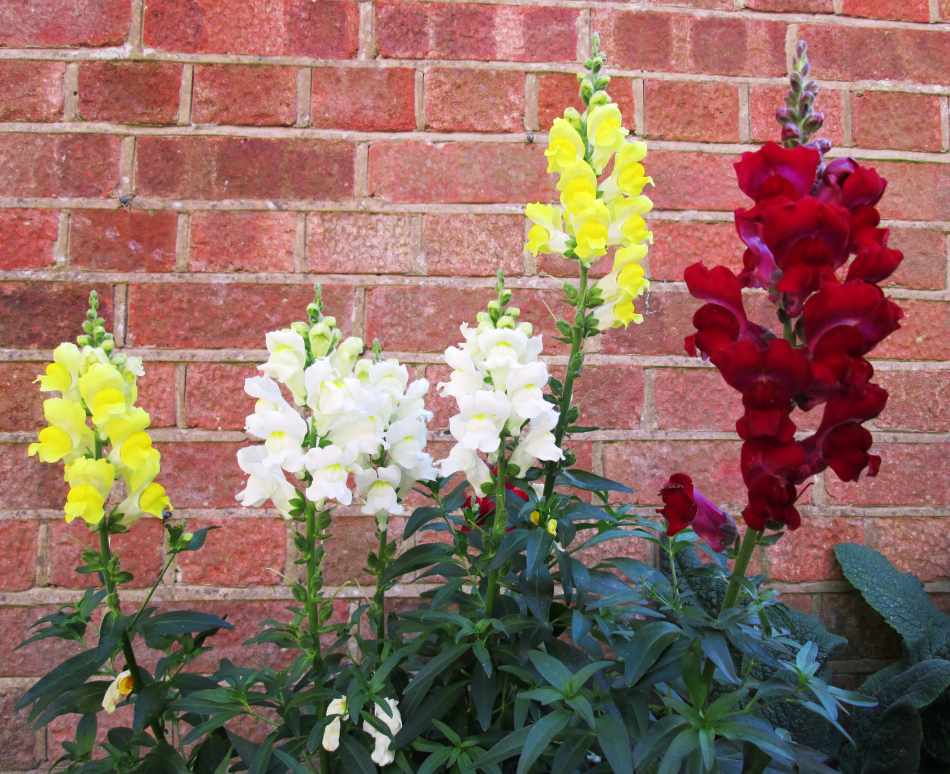
Consistent care throughout the growing season ensures continuous blooms and healthy plants. Following proper maintenance practices maximizes snapdragon performance.
Watering Requirements
Water snapdragon plants regularly during the first few weeks after planting to keep soil evenly moist. This establishes strong root systems essential for long-term health. Once established, provide about one inch of water per week during periods without rainfall.
Check soil moisture by feeling the top inch—if it feels dry, it’s time to water. Water deeply at the base of plants rather than overhead to prevent fungal diseases. Morning watering is best as it allows foliage to dry before nightfall.
During hot weather, snapdragons may need watering 2-4 times weekly. Keep soil consistently moist but never waterlogged, as excessive moisture causes root rot.
Fertilization Schedule
Snapdragons don’t require heavy feeding but benefit from light, consistent fertilization. Apply a balanced, slow-release or diluted liquid fertilizer (10-10-10) once flower buds begin forming. Feed every 4-6 weeks during the growing season.
During extreme heat, reduce fertilization as plants naturally slow growth. Switch to bloom-boosting formulas higher in phosphorus during active flowering to encourage more blooms. Always water after fertilizing to prevent root burn.
Deadheading and Pruning
Regular deadheading is the key to extending bloom time significantly. Remove faded or spent flowers by cutting just above a leaf node using clean scissors. This encourages plants to produce new blooms instead of forming seeds. Check plants once or twice weekly and remove spent flowers promptly.
After the first major bloom flush, cut plants back by one-third to encourage reblooming. This mid-season pruning promotes fresh growth and a second wave of flowers, especially when temperatures moderate after summer heat.
Supporting Tall Varieties
Tall snapdragon varieties reaching 2-4 feet require support to prevent toppling. Install stakes or use horizontal netting systems for cut flower production. Place the first net 4 inches above soil level and the second at 6-8 inches. Raise the nets as stems grow taller.
Individual stakes work well for ornamental plantings. Insert stakes early in the season before plants reach full height to avoid damaging established root systems.
How Long Do Snapdragons Bloom?
Snapdragons usually bloom for 8–12 weeks under the right conditions, especially in cooler seasons. In mild climates, some varieties can even bloom through winter with steady temperatures.
Warm-season types shine in spring and early summer but may slow down during extreme heat. Regular deadheading, mid-season trimming, and consistent watering keep the flowers coming from spring through fall.
Cut snapdragon stems last 5–10 days in a vase when well cared for. Change the water every couple of days, re-trim the stems, and keep arrangements away from heat or ripening fruit.
To extend the bloom season, plant both cool- and warm-season varieties and try succession planting every 3–4 weeks. During hot months, offer afternoon shade and light feeding after cutbacks to help snapdragons rebound once temperatures cool.
Pests and Diseases
Snapdragons are generally low-maintenance, but they can still face a few pest and disease issues. Catching problems early and keeping plants healthy goes a long way in preventing damage.
Aphids often gather on tender new growth and buds, sucking sap and weakening the plant. A strong blast of water or insecticidal soap usually controls them, while spider mites may appear in hot, dry weather and leave fine webbing on the leaves.
Check plants often, especially the undersides of leaves and growing tips, and remove heavily infested areas if needed. Good spacing and airflow also help keep pest populations down.
Fungal issues like powdery mildew and root rot are more common in wet or poorly ventilated conditions. Water at the base, avoid wetting the leaves, and let foliage dry before nightfall to reduce risk.
Always use well-draining soil to prevent root rot, which causes wilting even when the soil is moist. Remove affected plants promptly and improve drainage before planting again.
Growing Snapdragon in Containers
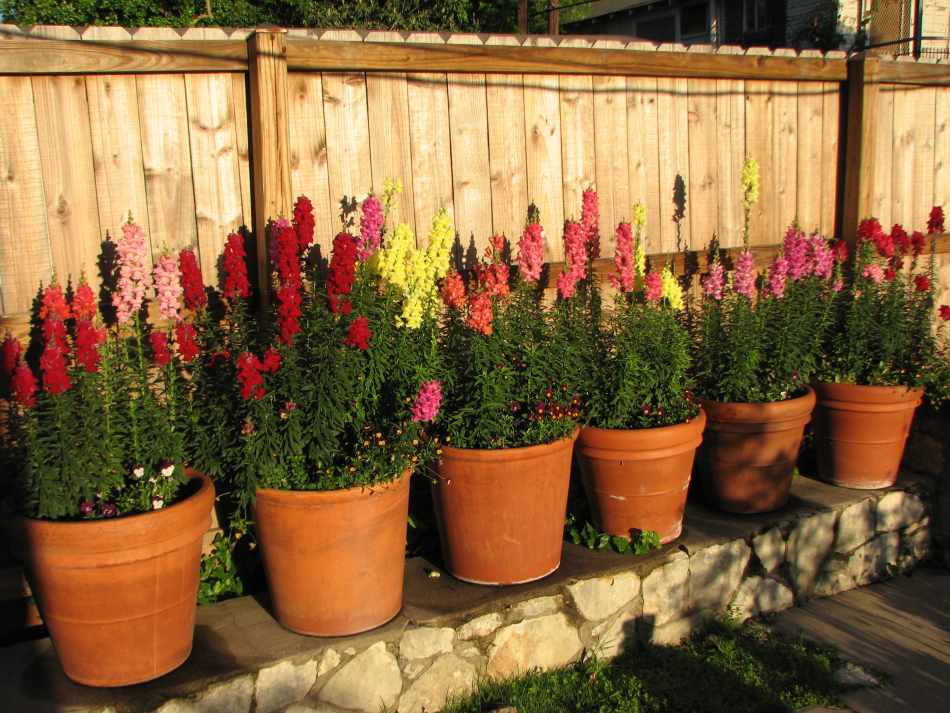
Container gardening makes it easy to grow snapdragons on patios, balconies, and other small spaces.
- Choose pots at least 8–12 inches deep with good drainage, using dwarf or trailing types for small containers and taller varieties for larger, heavier pots.
- Fill containers with quality potting mix, not garden soil, and space plants about 6–8 inches apart depending on the variety.
- Snapdragons in containers dry out faster, so check moisture daily and water when the top inch feels dry, allowing excess water to drain completely.
Feed every 2–3 weeks with a diluted liquid fertilizer, rotate pots for even growth, and deadhead regularly to keep blooms coming.
Best time to Plant Snapdragon
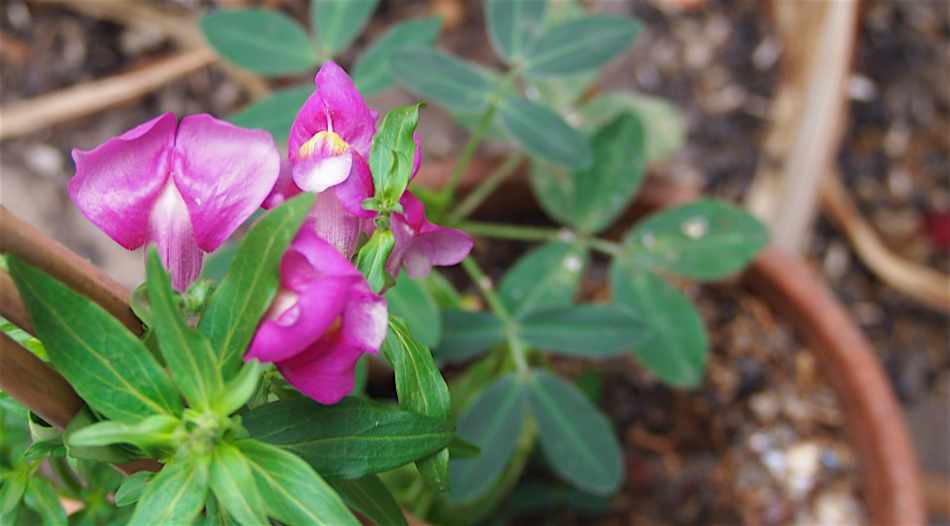
Spring is the most common time to plant snapdragons, especially in regions with cold winters. As soon as the soil can be worked and light frosts have passed, you can transplant seedlings outdoors. They love the cool spring weather and will establish quickly before summer heat arrives.
Fall planting works well in mild or warm climates where winters are not severe. Snapdragons thrive in cooler temperatures, so fall planting gives them time to root and bloom beautifully through winter and early spring.
Late winter planting is also possible in frost-free areas. You can set out seedlings as soon as night-time temperatures stay above freezing, giving the plants a head start for an early spring display.
Conclusion
You can successfully grow snapdragons if you care to provide full sun, well-draining soil, and regular watering. Proper spacing and choosing the right variety help keep plants healthy and blooming.
With deadheading and basic care, snapdragons flower for weeks, adding color from spring to fall. They thrive in both garden beds and containers.


Khaja Moinuddin, a computer science graduate, finds joy in gardening and homesteading. Join him on this blog as he shares his experiences in homesteading, gardening, and composting